

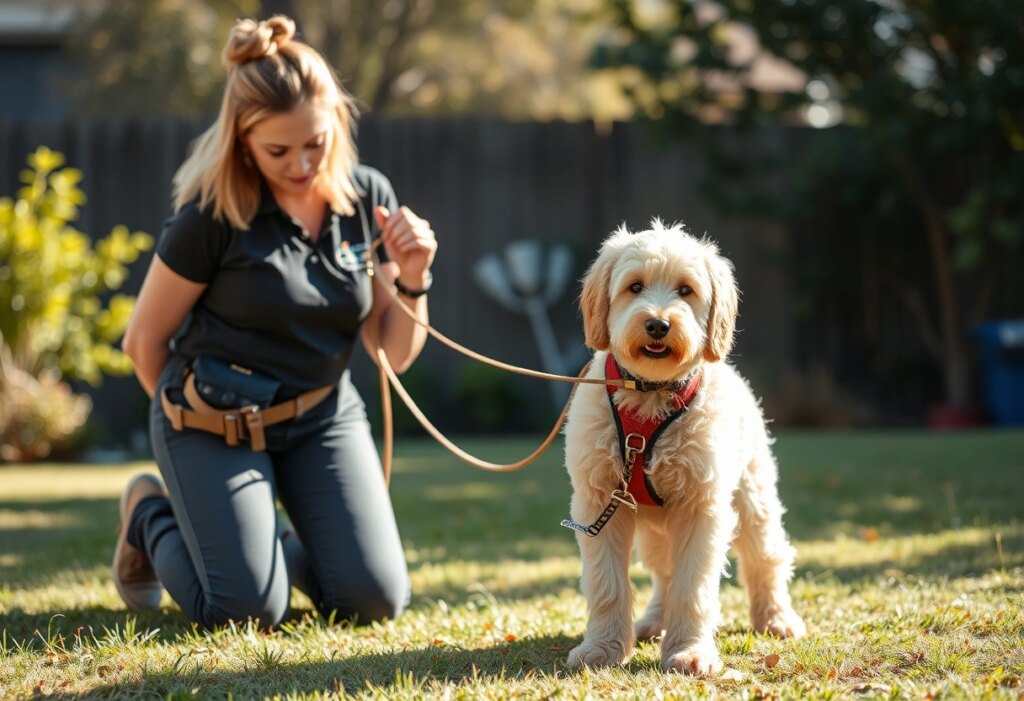
Aggressive dog training works best when it starts with the right gear, not just the right intentions, and that distinction trips up a lot of well-meaning Doodle parents. A Goldendoodle who lunges at the mail carrier or a Labradoodle who freezes and growls at other dogs on walks isn’t broken. He’s communicating fear, frustration, or overstimulation in the only language he has. The good news is that a handful of trainer-tested tools can make reactive behavior dramatically more manageable while you work on the underlying emotional response. I’ve spent years testing gear with reactive Doodles in my own training sessions, and I’m sharing the seven tools that actually move the needle, along with the science behind why aggression shows up in the first place.
Why Aggression Happens in Doodles
Reactivity in Doodles rarely comes out of nowhere. Genetics play a role (some lines carry more anxiety-prone temperaments than others), but socialization gaps during the critical puppy window are often the bigger culprit. A Doodle who missed out on calm exposure to strangers, dogs, and new environments between 8 and 16 weeks is far more likely to default to barking, lunging, or snapping when startled later in life.
Fear is the engine behind most of what owners label as aggression. A dog who growls at the vacuum or snaps when cornered on the stairs isn’t trying to dominate the household. He’s trying to create distance from something that feels threatening. This matters because the tools and techniques that work best treat the fear, not just the outward behavior.
The scale of this problem is bigger than most pet parents realize. The ASPCA has reported that aggression consistently ranks among the top three reasons dogs are surrendered to shelters, which tells you this isn’t a rare, isolated issue. It’s common, it’s treatable, and it’s exactly why having the right aggressive dog training setup at home makes such a difference in whether a family sticks with training or gives up.
Reactive behavior is a symptom, not a character flaw. The dog in front of you is overwhelmed, not malicious, and the tools you choose should make him feel safer, not more cornered.
The 7 Vet & Trainer-Approved Tools for Aggressive Dog Training
Not every tool on this list belongs in every household, and that’s fine. The goal of aggressive dog training gear is to match the specific trigger and intensity level of your Doodle’s reactivity. Here’s what I reach for first, depending on the situation.
1. Front-Clip Harness
This is my default recommendation for almost any reactive Doodle. A front-clip harness redirects a lunging dog back toward you instead of letting him pull straight ahead toward a trigger. It also removes neck pressure, which matters because collar pressure during a reactive outburst can actually spike arousal and make the next reaction worse.
2. Basket Muzzle
A properly fitted basket muzzle is one of the most misunderstood tools in dog ownership. It’s not a punishment device. It’s a safety net that lets a bite-risk dog still pant, drink water, and take treats while you’re out in public or at the vet. Introduced correctly, most Doodles tolerate a basket muzzle better than owners expect.

3. Long-Line Lead (15 to 30 feet)
A long line gives a reactive dog room to explore and decompress without the stress of a tight, close-quarters leash. I use these constantly for distance-based desensitization work, letting a dog observe a trigger from far enough away that he stays under threshold.
4. Treat Pouch
Speed matters in aggressive dog training. If you fumble for treats in a pocket while your Doodle is already escalating, you’ve lost your window. A hands-free pouch clipped to your waist keeps reinforcement instant, which is the whole point of counter-conditioning.
Quality treats matter just as much as quick access. I like keeping a bag of Beefeaters Dog Treats – Sweet Potato Wrapped with Chicken loaded in the pouch for sessions because they tear into small, soft pieces easily with my fingers, which means I’m not standing there wrestling with a treat while a dog is mid-reaction. I tested these over several weeks with a leash-reactive Standard Poodle mix, and the chewy texture meant fast swallowing with zero crunching, so we could fire off five or six rewards in rapid succession without breaking focus. My one minor gripe is that the sweet potato wrap can get a little sticky in warm weather, so I keep a small wipe in the pouch too. Overall, this is the kind of high-value, low-mess treat that actually holds a dog’s attention near a trigger.

- The information below is per-pack only
- SAFE RAWHIDE-FREE CHEW: A wholesome rawhide-free alternative made with real chicken wrapped around sweet potato. Crafted…
- SIMPLE RECIPE, EVERYDAY CHEWS: Sweet potato wraps made with real chicken breast and whole sweet potato. Crafted as a lim…
5. Calming Aids (Pheromone Sprays or Compression Wraps)
These won’t fix aggression on their own, but they can lower baseline arousal enough that your actual training has a fighting chance to work. Pheromone-based sprays and snug-fitting compression wraps are useful for dogs who run hot with anxiety-driven reactivity, particularly around car rides, vet visits, or thunderstorms.
6. Interactive Fetch Toy for Energy Redirection
A surprising number of reactive outbursts are tied to pent-up physical energy looking for an outlet. Giving a Doodle a vigorous, structured way to burn off steam before a walk or training session can take the edge off noticeably.
I’ve had good results using the Jolly Pets Romp-N-Roll Ball for this exact purpose with high-drive Doodles before a leash walk. It’s a bigger ball with a built-in handle, so even a strong, mouthy adolescent Doodle can shove it, chase it, and body-slam it around the yard without me worrying about it deflating or splitting on impact. In my testing, it held up fine against enthusiastic nose-butting and the occasional full-body tackle from a 55-pound Bernedoodle, though the handle does get slobbery fast, so I keep it as an outdoor-only toy. If your dog’s reactivity spikes when he’s wound up and understimulated, ten minutes with this ball before you head out the door can genuinely lower the intensity of what you see on the walk.

- 8 inch size perfect for large dogs
- Rope and Ball a dogs two favorite toys!
- Great fetch toy, even floats!
7. Tug Toy for Controlled Drive Outlets
Structured tug play, played with clear rules (no teeth on skin, release on cue), gives dogs with frustration-based aggression a legal, controlled outlet for bite drive. It also builds impulse control when you weave in “drop it” and “wait” cues mid-game.
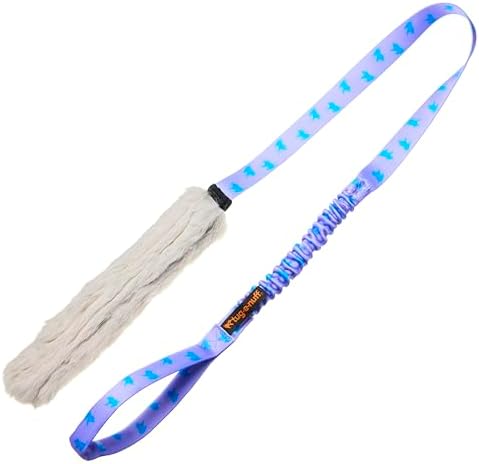
The Tug E Nuff Faux Fur Bungee Dog Toy Chaser Tug has become a staple in my frustration-reactive sessions. The bungee section absorbs the jolt when a dog hits the end of a tug with real force, which protects both my shoulder and the dog’s neck compared to a rigid rope toy. The faux fur also seems to trigger a stronger prey-drive grip response than plain fabric tugs I’ve used, and after repeated hard tugging sessions with an adolescent Labradoodle, the stitching held without fraying. My only small complaint is that the fur sheds a bit after heavy outdoor use, so I give it a quick shake-out between sessions. As a controlled outlet for a dog with pent-up drive, it’s one of the more durable options I’ve tested.
Comparison Table: Aggressive Dog Training Tools at a Glance
| Tool | Best For | Skill Level | Price Tier |
|---|---|---|---|
| Front-Clip Harness | Leash lunging, pulling toward triggers | Beginner | $$ |
| Basket Muzzle | Bite-risk dogs in public or at the vet | Intermediate | $$ |
| Long-Line Lead | Distance desensitization work | Beginner | $ |
| Treat Pouch + High-Value Treats | Fast counter-conditioning rewards | Beginner | $ |
| Calming Aids | Anxiety-driven reactivity support | Beginner | $$ |
| Interactive Fetch Toy | Energy redirection before walks | Beginner | $$ |
| Bungee Tug Toy | Frustration-based drive outlet | Intermediate | $$$ |
Selection Criteria That Matter
Not all aggressive dog training gear is created equal, and some tools marketed as quick fixes can actively make things worse. Shock collars, prong collars, and other aversive-based tools are still sold widely, but the behavior science doesn’t support them for reactive dogs. The correct kind of controlled, positive outlet paired with reward-based tools consistently outperforms punishment-based approaches for long-term results. The American Veterinary Society of Animal Behavior has specifically warned that aversive tools increase the risk of fear and aggression rather than resolving it, since pain or discomfort gets associated with whatever the dog was looking at in that moment, often making the trigger scarier instead of neutral.

When you’re shopping for canine behavior correction tools, look for gear that lets you reward calm behavior instantly, gives you physical control without pain, and doesn’t restrict natural behaviors like panting or drinking. A good rule of thumb: if a tool only works by making the experience unpleasant, it’s not actually treating the aggression, it’s suppressing the outward signal while the underlying fear or frustration stays exactly where it was.
Step-by-Step Introduction Guide
Rushing gear onto a reactive dog is one of the fastest ways to backfire. Go slow and let each tool become boring before you expect your dog to perform with it.
- Day 1 to 3: Let your Doodle sniff and investigate the harness, muzzle, or long line at home with zero pressure. Pair it with treats just for being near it.
- Day 4 to 7: Put the gear on indoors for short periods (two to five minutes) during calm activities like mealtime or chewing a toy.
- Week 2: Take short walks in low-distraction areas, like your own backyard or an empty driveway, with the new gear on.
- Week 3 and beyond: Gradually introduce mild triggers at a distance where your dog can still take treats and respond to cues, slowly closing the gap over multiple sessions.
This same gradual mindset applies to grooming tools too. If your Doodle gets reactive during haircuts specifically, it’s worth reading up on the best dog clippers for a fresh Goldendoodle haircut at home, since quieter, lower-vibration clippers can reduce fear responses during grooming sessions dramatically.
Safety Precautions and When to Call a Professional
Some red flags mean it’s time to stop troubleshooting on your own. If your Doodle has bitten and broken skin, escalates despite consistent counter-conditioning, or shows sudden aggression with no clear trigger, book a session with a certified applied animal behaviorist or a veterinary behaviorist right away. Sudden-onset aggression in particular can sometimes point to an underlying medical issue, similar to how unrelated symptoms like antibiotics vs. prescription diets for kidney infections get misread as behavioral when they’re actually physical, so a vet visit to rule out pain or illness is always a smart first step before assuming it’s purely behavioral.
If you’re just getting started with structured training and want a broader foundation before tackling reactivity specifically, our roundup of the best dog training kits for beginners is a solid companion resource, since basic obedience skills make every aggressive dog training tool on this list work better.
Dog aggression management is rarely a one-tool solution. It’s a combination of the right gear, realistic expectations, and consistent, calm repetition over weeks or months. Reactive dog training tools give you the structure, but your patience and timing are what actually teach your Doodle that the world isn’t as scary as it feels.
Frequently Asked Questions
My Doodle lunges even with a front-clip harness on. What am I doing wrong?
The harness manages the physical pull, but it doesn’t lower emotional arousal on its own. Check your distance from the trigger first. If your dog is already barking or stiff-bodied, you’re too close for the training to work, and no piece of gear will fix that. Back up until he can glance at the trigger and look back at you calmly, then reward heavily. Most lunging issues improve once owners stop trying to work at a distance that’s simply too intense for the dog’s current skill level.
Is a basket muzzle going to make my dog seem more aggressive to other people?
It might draw a few stares, but it’s genuinely one of the most responsible tools you can use for a bite-risk dog in public. A muzzled dog paired with calm handling actually signals to other owners that you’re being careful and proactive. Introduce it gradually at home with treats stuffed through the basket openings so your dog associates it with good things, not punishment, before you ever use it outside.
How long does aggressive dog training usually take to show results?
Most owners see small improvements within two to four weeks of consistent daily practice, but full resolution of a reactivity pattern typically takes several months. Dogs with a long history of rehearsing the reactive behavior need more repetitions to build a new default response. Short, frequent sessions (five to ten minutes, multiple times a day) tend to outperform occasional long sessions.
Can I use a shock collar just for emergencies if I’m otherwise using positive reinforcement?
Mixing aversive tools with positive reinforcement tends to confuse dogs and can undo progress, since the dog can’t predict which approach is coming next. Veterinary behaviorists generally advise against shock collars for reactive or fearful dogs specifically, because the discomfort gets linked to whatever the dog was reacting to, which can intensify the exact behavior you’re trying to reduce. A long line and solid management plan are safer emergency backups.


