

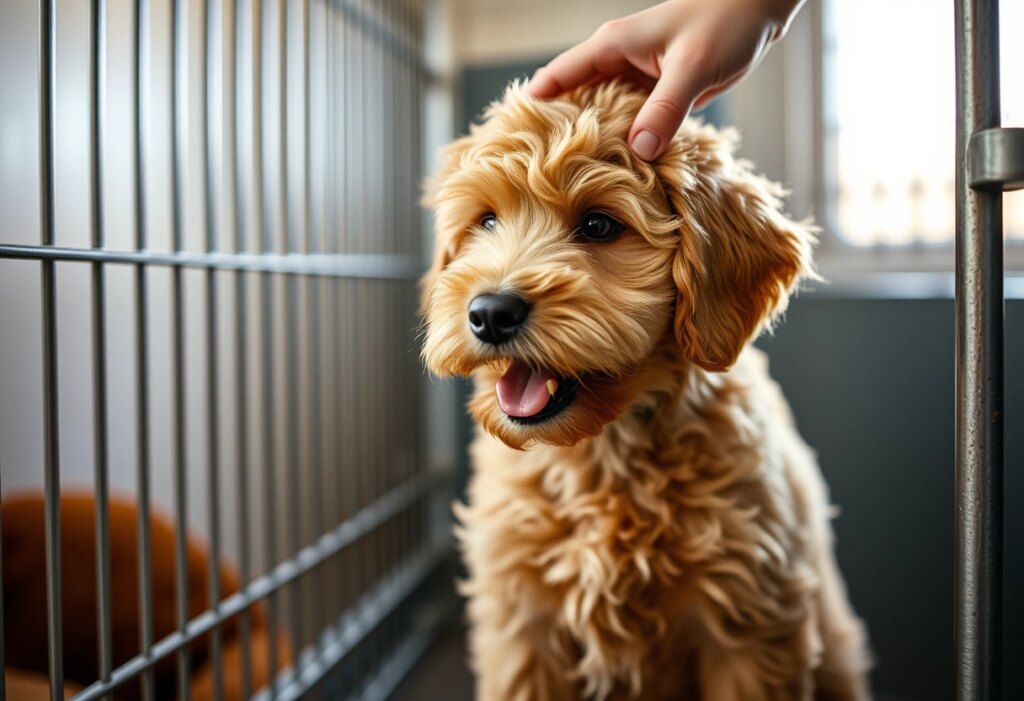
If you’re feeling torn between adopting a scruffy shelter mutt and buying a fluffy designer puppy, that guilt in your stomach is a good sign. It means you care about where your future dog actually comes from. The honest answer: doodle rescue should be your first stop, and if a rescue search comes up empty, a carefully vetted breeder is your next best move, not a backyard operation or a pet store puppy with murky paperwork.
This isn’t about shaming anyone who wants a Goldendoodle or Bernedoodle with a specific coat type or temperament. It’s about making sure the dog you bring home didn’t come from a breeding operation that treats mother dogs like production units. Let’s walk through what the overbreeding crisis actually looks like, how rescue compares to responsible breeding, and exactly what questions to ask so you don’t accidentally fund a puppy mill.
Why This Decision Carries More Weight Than It Used To
Doodles went from a niche crossbreed to one of the most requested dogs in the country in under two decades. That popularity created a problem nobody planned for: demand outpacing ethical supply. When demand spikes that fast, backyard breeders and mills rush in to fill the gap, often cutting corners on health testing, socialization, and basic veterinary care.
The result is a growing number of doodles ending up in general shelters and breed-specific rescues, sometimes within their first year of life. Many were impulse purchases from sellers who never mentioned genetic health risks or realistic grooming needs. A doodle rescue search today will turn up far more dogs than it would have ten years ago, and that’s not a coincidence.
The Overbreeding Numbers Behind the Guilt
The guilt you’re feeling isn’t irrational. According to the ASPCA, roughly 6.3 million companion animals enter U.S. shelters every year. That’s not a small side issue, it’s a structural problem in how pets get bred and sold in this country.
Doodle-specific rescues like IDOG Rescue have reported climbing surrender numbers tied directly to impulse buying. Someone sees a cute puppy online, buys from a backyard breeder with zero health screening, and six months later discovers the dog has crippling hip dysplasia or a coat that mats daily and needs professional grooming they didn’t budget for. That dog often ends up surrendered, through no fault of its own.
Every doodle sitting in a rescue kennel right now is a dog that didn’t choose where it came from. Choosing where you get your next dog is one of the few places where your decision directly shapes the demand side of this entire industry.
This is exactly why doodle rescue organizations exist and why they matter so much right now. They’re absorbing the fallout of an industry that grew faster than its ethics did.

Rescue vs Reputable Breeder vs Backyard Breeder: A Real Comparison
None of these three paths are identical, and pretending otherwise does a disservice to anyone trying to make a responsible choice. Here’s how they actually stack up on cost, health predictability, and ethical impact.
| Source | Price Tier | Health Predictability | Ethical Impact | Wait Time |
|---|---|---|---|---|
| Doodle Rescue Group (e.g., IDOG Rescue) | $ | Variable; many are health-checked by vet partners before adoption | Highest. Reduces shelter burden, zero demand fueling overbreeding | Weeks to a few months, depending on breed/age preference |
| Reputable Breeder (OFA/health-tested) | $$$$ | High. Parents screened for hip dysplasia, von Willebrand’s disease, eye disorders | Positive if breeder prioritizes health over volume and limits litters | 6 months to 2+ years for popular lines |
| Backyard Breeder | $$ | Low. Rarely tests for genetic conditions, inconsistent vet care | Negative. Fuels overbreeding, often repeat-breeds mothers too frequently | Days to weeks (red flag in itself) |
| Puppy Mill / Online Seller | $$$ | Very low. No testing, poor socialization, high disease risk | Severely negative. Mother dogs often kept in continuous breeding cycles | Immediate (another red flag) |
Notice that price alone tells you almost nothing about quality or ethics. A mid-tier backyard breeder can charge nearly as much as a legitimate breeder while cutting every corner that matters. This is one reason the Goldendoodle Buying Guide: What to Check Before You Buy emphasizes paperwork and health clearances over sticker price.
Choosing Ethical Doodle Breeder Options If Rescue Isn’t Available
Sometimes a specific size, coat type, or generation (F1, F1B, multigen) just isn’t available through rescue in your area. That’s fair. If you go the breeder route, your job is to vet them like you’re hiring a contractor, not browsing a storefront.
An ethical doodle breeder will never dodge questions about health testing. They’ll proudly show you documentation, not just tell you “the parents are healthy” with no proof attached.
- Ask for OFA (Orthopedic Foundation for Animals) hip and elbow scores on both parents
- Request von Willebrand’s disease (vWD) clearance, a bleeding disorder common in Poodle lines
- Confirm genetic testing for progressive retinal atrophy and degenerative myelopathy
- Ask how many litters the mother has had and her current age (reputable breeders cap litters and retire mothers at a reasonable age)
- Request to see where puppies are raised, not just photos, an in-person or video visit is standard
- Verify they belong to or follow guidelines from organizations like the Association of Poodle Breeders
Data from OFA.org shows that hip dysplasia and vWD screening dramatically reduce the odds of passing on these conditions. A breeder who skips this isn’t saving you money, they’re shifting a future veterinary bill onto you.
If you’re also weighing temperament factors alongside breeder choice, the guide on Male vs Female Goldendoodle: Which Is Easier to Train? is worth reading before you commit to a specific puppy from any litter.
How to Apply for a Breed-Specific Doodle Rescue
Rescue applications feel more involved than just handing over cash, and that’s by design. Groups like IDOG Rescue want to make sure the placement sticks the first time.

Here’s the typical process, step by step:
- Fill out a detailed application covering your home setup, fencing, work schedule, and prior dog experience
- Expect a home visit or video call, especially for rescues coordinating placement across state lines
- Be honest about activity level, since doodles range from mellow to high-energy depending on their Poodle percentage
- Prepare for a waiting period while the rescue matches you with a compatible dog rather than the first available one
- Budget for an adoption fee, which is usually far below breeder pricing and often includes vetting, vaccines, and spay/neuter
While you’re preparing your home, it helps to have supplies ready that match a doodle’s sensitive coat and skin. A gentle Dog Shampoo & Conditioner for All Breeds – Goldendoodles formula can make the first bath after adoption far less stressful on skin that may already be irritated from shelter conditions.
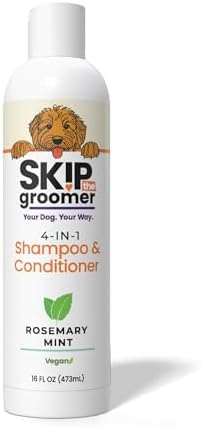
- RESET FOR BATH DAYS: Start softer. Reset smarter. Part of the Skip the Groomer Reset system, this 4-in-1 shampoo and con…
- FRESH COAT, EASY BRUSH-THROUGH: Regular use helps prevent mats from forming in the first place. This dematting shampoo l…
- GENTLE ON SKIN, TOUGH ON DIRT: Perfect for dogs with curly coats and sensitive skin. The naturally calming formula sooth…
Common Health Issues to Watch for After Adoption or Purchase
Whether your doodle comes from a rescue or a breeder, a few conditions show up often enough in Poodle crossbreeds that every new owner should know the early signs.
- Ear infections: Doodles’ floppy, hairy ears trap moisture and debris, making infections common. If you’re trying to manage this without a huge vet bill, the Dog Ear Infection No Money: Vet vs Home Care Guide breaks down what you can safely handle at home versus when a vet visit is non-negotiable
- Hip and elbow dysplasia: More common in dogs from unscreened lines, watch for limping, reluctance to jump, or a bunny-hop gait
- Von Willebrand’s disease: A clotting disorder that may go unnoticed until surgery or injury causes excessive bleeding
- Skin and coat sensitivity: Many rescue doodles arrive matted or with skin irritation from neglect, gentle grooming products help ease the transition
Rescue dogs sometimes carry unknown histories, so a slower, observation-based first few weeks at home matters more than it would with a breeder puppy whose lineage you already know.
A Lighter Way to Connect With the Doodle Community
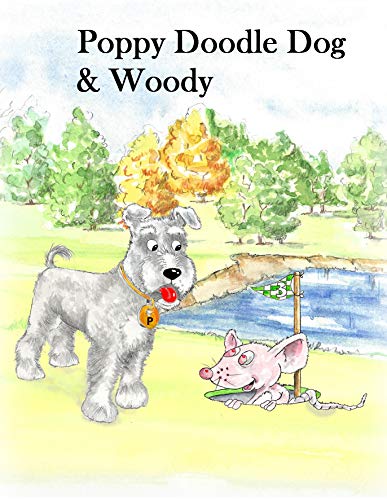
Not everything about this process has to feel heavy. If you want something fun to read while you wait on an application or a breeder’s litter announcement, Poppy Doodle Dog & Woody by Pete Robbins is a charming, low-stress read that captures the goofy spirit doodles are known for.
Doodle Rescue Red Flags to Avoid in Both Directions
It’s worth saying plainly: not every rescue is perfectly run, and not every breeder is a mill. Use judgment on both sides.
- A rescue that won’t let you meet the dog before finalizing adoption is unusual, ask why
- A breeder who sells puppies under eight weeks old is violating basic welfare standards
- Any seller who accepts payment apps only, with no contract, is a major warning sign
- A rescue or breeder who refuses to discuss a dog’s known health issues isn’t being transparent with you
A genuine doodle rescue organization will be upfront about a dog’s quirks, medical needs, and behavioral history. That transparency is part of what makes rescue such a trustworthy path for new owners.
Making the Call: Rescue First, Breeder Second, Never a Mill
Choosing a doodle doesn’t have to be an either-or moral dilemma once you understand the actual landscape of where these dogs come from. Start with doodle rescue listings in your region and widen your search radius if needed, since breed-specific groups often coordinate transport. If no rescue match turns up after a genuine effort, move to a breeder who treats health testing as non-negotiable, not optional.
What you’re really doing with either path is refusing to reward operations that treat breeding dogs as disposable. That single choice, multiplied across thousands of pet-seekers making the same decision, is what actually shifts the overbreeding problem over time. Your new doodle, wherever it comes from, deserves a start that didn’t involve exploitation on the way to your front door.
Is it better to adopt a doodle from rescue or buy from a breeder?
Rescue is generally the better first option because it doesn’t add demand to the breeding market and typically costs far less. Doodle rescue groups like IDOG Rescue often vet and health-check dogs before adoption. If no rescue match is available, a reputable breeder with full OFA health clearances is the next ethical choice.
How do I know if a doodle breeder is ethical and not a puppy mill?
An ethical doodle breeder will provide OFA hip and elbow scores, von Willebrand’s disease clearance, and limit how many litters a mother has in her lifetime. They’ll allow in-person or video visits to the whelping area and never pressure you into a same-week purchase without paperwork.
Why are so many doodles ending up in rescue right now?
Doodle popularity grew faster than the supply of responsible breeders, which led to a surge of backyard breeders cutting corners on health and temperament screening. Many buyers underestimated grooming needs or discovered genetic health issues, leading to a rise in surrenders at doodle-specific rescues.
What health tests should a doodle’s parents have before breeding?
At minimum, both parents should have OFA hip and elbow evaluations, von Willebrand’s disease testing, and eye clearances for progressive retinal atrophy. These tests, tracked through OFA.org, significantly lower the chance of passing on costly genetic conditions to puppies.


