


A Goldendoodle ear infection can look like a simple case of wax at first: your dog shakes their head after a bath, scratches one ear, or suddenly smells a little musty. Cleaning may help with routine buildup, but it will not cure an established infection. The safest plan is to recognize warning signs, avoid putting anything irritating in the ear, and get veterinary advice when symptoms point to infection.
Below, you’ll learn when cleaning is appropriate, how to do it gently, which products deserve caution, and how to lower the chance of repeat trouble. Goldendoodles’ floppy, often-coated ears can make regular checks useful, but frequent cleaning without a reason may irritate the skin.
Could this be an ear infection?
Watch for repeated head-shaking, pawing at the ear, redness, swelling, unpleasant odor, or discharge. A dog may also pull away when you touch the ear, hold their head at an angle, or seem less comfortable chewing. Those signs deserve attention, especially if they appear suddenly or affect just one ear.
The Merck Veterinary Manual lists itching, head-shaking, odor, redness, and discharge among signs of otitis externa, an inflammation of the outer ear canal. Its guidance can help you recognize why a suspected Goldendoodle ear infection needs more than a quick wipe: similar symptoms can have different causes, and the canal and eardrum need proper assessment. Merck Veterinary Manual guidance on otitis externa.
Dark debris alone does not confirm infection. Yeast, bacteria, mites, allergies, and trapped moisture can produce overlapping signs, so a veterinarian may need to examine a sample. Don’t wait if your dog seems painful, has a swollen ear flap, is off balance, or has blood or pus-like discharge.
When is home cleaning safe, and when is it not?
Routine cleaning may be reasonable when your dog’s ears look comfortable and your veterinarian has recommended it. It can remove surface debris, but it cannot diagnose the cause of a sore ear or replace prescribed medication. A Goldendoodle ear infection may need prescription treatment selected after an exam.

Skip home cleaning and contact your veterinary clinic if there is significant redness, pain, swelling, discharge, a strong odor, or a history of recurring ear problems. Cleaning an irritated canal can hurt, and putting liquid into an ear with a damaged eardrum may cause harm. VCA Animal Hospitals advises veterinary evaluation to identify the cause and guide treatment; ask your clinic before cleaning a symptomatic ear.
“Cleaning can support healthy ears. It is not a substitute for finding out why an ear is sore, smelly, or producing discharge.”
For a possible Goldendoodle ear infection, resist using leftover drops from a past episode. The wrong product may irritate the ear, mask signs, or be unsafe if the eardrum is affected. Your veterinarian can tell you whether cleaning is appropriate while treatment is underway.
Which ear cleaners are appropriate for Goldendoodles?
Choose a cleaner made for dogs, and check with your veterinarian if your dog has current symptoms, a past eardrum problem, or a recurring infection. A useful dog ear cleaner is intended for the ear canal and comes with directions that explain how to apply it. Avoid alcohol, hydrogen peroxide, vinegar mixtures, essential oils, and human ear products unless your veterinarian specifically directs you to use one.
Here’s a practical comparison. Price tiers are relative, not live prices; check the current product listing for availability and cost.
| Product | Best fit | Practical caution | Price Tier |
|---|---|---|---|
| PETHROOM Nature Ear Cleaner for Dogs & Cats | Possible routine-care option, if your vet approves | Stop if your dog shows discomfort; not a treatment for infection | $$ |
| Sticky Ear Cleaning Stick | Not recommended for cleaning a dog’s ear canal | Adhesive tools can pull delicate skin or hair | $$ |
| Electric Ear Wax Removal Kit | Not recommended for canine ear cleaning | Irrigation and powered tips can injure the canal or eardrum | $$$ |
If your veterinarian has approved a liquid cleaner for routine use, the PETHROOM Nature Ear Cleaner for Dogs & Cats is one product to discuss with them. Keep the bottle in your hand rather than resting it on a moving dog, and stop if your Goldendoodle flinches, cries, or tries to escape. The important limitation is simple: a cleaner is for cleaning, not for treating an established Goldendoodle ear infection.
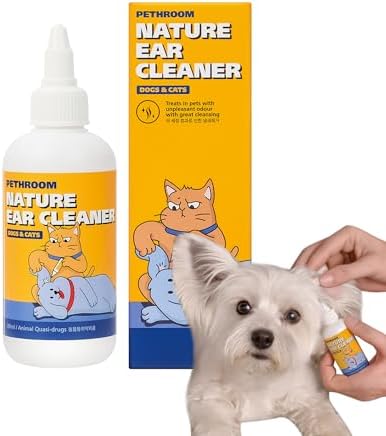
- Gentle & Hypoallergenic Ear Cleaning – A mild liquid ear cleaner designed for dogs and cats with sensitive ears, helping…
- Helps Remove Dirt, Wax & Buildup – Supports the removal of everyday ear buildup, including wax and debris, to help maint…
- Liquid Formula for Deep Cleaning –The gentle liquid solution helps loosen buildup inside the ear, making routine cleanin…
The sticky cleaning stick may look like a tidy solution, but adhesive near a dog’s ear can catch fur or tug at sensitive skin. I would not use the Sticky Ear Cleaning Stick in a Goldendoodle’s ear. In particular, don’t insert any stick or tool into the canal, even if it appears soft or easy to control.

- 【Sticky Tip for Gentle Ear Cleaning】Designed with a soft adhesive tip, these sticky ear cleaning sticks help pick up vis…
- 【Clean Earbuds, Headphones & More】More than an ear cleaning tool, these sticky cleaning sticks are also suitable for rem…
- 【Soft Design with Easy Handling】The lightweight stick design provides better control during use. The soft sticky tip hel…
An electric irrigation tool is another item to leave out of your dog’s ear-care routine. The Electric Ear Wax Removal Kit is not a canine ear-cleaning recommendation: water pressure, a powered tip, and an uncooperative dog are a poor mix near a delicate ear canal. Ask your veterinarian for a dog-specific plan instead.

- Separated Dual Tank System for Hygienic Ear Cleaning: Our ear irrigation cleaner features an innovative dual-tank design…
- 4 Adjustable Pressure Modes for All Ear Types: Choose from 4 customized cleaning modes to match your comfort level and e…
- Smart Temperature Control for Safe & Comfortable Use: Built-in intelligent sensor constantly monitors water temperature …
How do you clean your dog’s ears gently?
Only clean an ear that is comfortable and has no warning signs, or follow your vet’s specific directions. For a nervous dog, keep the first session brief and pair calm handling with praise or a small treat. Good Goldendoodle ear care should feel gentle, not like a wrestling match.

- Gather a dog-specific ear cleaner, cotton pads or gauze, and a towel. Choose a quiet spot where your dog can stand or sit comfortably.
- Lift the ear flap and follow the cleaner’s label or your veterinarian’s directions. Do not force the bottle tip into the canal.
- Massage the base of the ear gently for several seconds, if your dog is comfortable. A soft squelching sound can happen as the liquid moves.
- Step back and let your dog shake. That helps loosen debris near the opening.
- Wipe away visible liquid and debris from the outer ear with cotton or gauze. Never push cotton swabs into the canal.
Stop if your dog cries, jerks away, or seems more painful. If you notice discharge or a worsening smell during cleaning, call your clinic rather than trying to scrub the ear clear. A suspected Goldendoodle ear infection calls for diagnosis, not stronger cleaning.
If your dog also has itchy skin or repeated irritation, keep notes on food changes, seasonal flare-ups, and bathing products. Those details can help your vet assess possible contributing factors. For related nutrition questions, see our guide to dog food for sensitive stomachs and skin allergies.
How can you reduce repeat problems?
Make quick ear checks part of your grooming routine, especially after swimming, a bath, or a muddy walk. Dry the visible outer ear with a clean towel, and ask your groomer to tell you if they notice redness, odor, or unusual debris. Don’t pluck ear hair or clean on a fixed schedule unless your veterinarian recommends it for your dog.
The Merck Veterinary Manual estimates that otitis externa affects about 10–20% of dogs. Royal Veterinary College VetCompass research has also recorded ear disorders among common canine conditions, a reminder that ear trouble is not unusual. Still, recurring symptoms in one dog deserve an individual plan.
- Keep water from sitting in the ears after bathing or swimming, and dry only what you can see.
- Check both ears regularly for changes in odor, color, comfort, or discharge.
- Follow your veterinarian’s cleaning and medication instructions, including how long to continue prescribed treatment.
- Book a recheck if symptoms return, even if the ear looked better for a few days.
These habits can support comfort, but they cannot guarantee prevention. If your dog has repeated episodes, ask about allergies, anatomy, moisture, and other factors that may need attention. The right dog ear infection treatment depends on what an examination finds.
Frequently asked questions
Can I clean my Goldendoodle’s ear if it smells bad?
A strong or new odor can signal infection or inflammation. Don’t try to cover it with cleaner; call your veterinarian for advice, especially if there is redness, discharge, or pain.
Can an ear cleaner cure a Goldendoodle ear infection?
No. A cleaner may help with routine debris or support a vet-directed plan, but a Goldendoodle ear infection needs an examination to identify its cause and determine whether medication is needed.
Should I use a cotton swab to remove deep wax?
No. Wipe only the visible outer ear with cotton or gauze. A swab can push debris farther in or injure the canal, so leave deep buildup for your veterinary team.
What should I do if symptoms return after cleaning?
Pause cleaning and contact your veterinarian. Note which ear is affected, when symptoms began, and whether there is odor, discharge, or pain. Recurring signs need a fresh assessment rather than repeated home cleaning.
A calm, safety-first plan
Comfortable ears may need occasional gentle care, not constant cleaning. Use a dog-specific product only when appropriate, keep tools out of the canal, and call your veterinarian for pain, swelling, discharge, strong odor, or repeat symptoms. For a Goldendoodle ear infection, timely assessment is kinder and safer than experimenting with home remedies.


