


Goldendoodle training tools make a real difference when your sweet, curly-coated companion starts showing behaviors that don’t match their reputation as the easygoing family favorite. If you’re dealing with a dog who barks the second you leave the room, drags you down the sidewalk, or jumps on every guest who walks through the door, you’re not alone, and you’re definitely not stuck with it. The right equipment, paired with patience and consistency, can turn a frustrating few months into a manageable (and even fun) training journey.
Why Goldendoodles Develop Behavioral Issues Despite Their Smarts
Goldendoodles get a lot of credit for being quick learners, and most of the time that reputation holds up. But intelligence cuts both ways. A bored, under-stimulated Goldendoodle will find their own entertainment, and that usually means counter-surfing, chewing baseboards, or barking at the mail carrier like it’s a personal vendetta. Separation anxiety is especially common in this breed mix because they’re bred from two famously people-oriented lines (Poodles and Golden Retrievers), so they bond hard and struggle when left alone. Add in the awkward adolescent phase, roughly five months to two years old, and you get a dog who knows the rules but tests them anyway. This is the same stretch covered in our guide on 5 Best Training Tools for Puppy Adolescence Survival, and a lot of the same principles apply here. Leash reactivity, jumping, and resource guarding often show up during this window too, not because the dog is “bad,” but because their world is expanding faster than their impulse control.
Choosing the right goldendoodle training tools during this phase isn’t about finding a quick fix. It’s about giving your dog a clearer way to understand what you’re asking for, while removing some of the physical and environmental triggers that make bad habits worse.
Why Positive Reinforcement Tools Work Better Than Punishment
There’s solid science behind why reward-based methods outperform correction-based ones, especially for a sensitive, people-pleasing breed like a Goldendoodle. The American Veterinary Society of Animal Behavior has taken a clear position on this: punishment-based training carries real risks, including increased fear, anxiety, and aggression, while reward-based methods are both safer and more effective at producing lasting behavior change. That’s not just a feel-good talking point. It reflects how dogs actually learn. A Goldendoodle who gets startled or hurt during training doesn’t necessarily learn “don’t jump,” they learn “this situation is scary,” which can create new problems instead of solving the original one.
This is exactly why goldendoodle training tools built around positive reinforcement, think treat puzzles, clickers, and well-fitted harnesses, tend to produce more consistent results than anything designed to startle or punish. A book like Abby is my Dog Trainer: How Theory Guides Positive Dog Training is a genuinely useful resource if you want to understand the “why” behind reward-based methods before you start layering in tools. Understanding the theory makes it a lot easier to stay consistent when training gets repetitive or your dog has an off day.

Dogs trained with reward-based methods are not just happier during sessions, they tend to generalize good behavior faster because they’re learning without the fear that can shut down learning altogether.
Top 5 Goldendoodle Training Tools for Behavioral Issues
Not every tool works for every problem, which is the biggest mistake pet parents make when they’re shopping for goldendoodle training tools. Below is a rundown of the five categories worth having in your toolkit, along with where each one shines and where it falls short.

1. Treat-Dispensing Puzzle Toys
These are a secret weapon against boredom-driven behaviors like destructive chewing and excessive barking. A tired brain is a calm brain, and puzzle toys give your Goldendoodle a job to do that isn’t “destroy the couch cushion.” The downside is that some dogs figure out even the hardest puzzles within a week, so you’ll want to rotate a few different styles to keep things interesting.
2. Front-Clip No-Pull Harness
If leash pulling or reactivity is your main struggle, a front-clip harness changes the physics of the walk. Instead of pulling against your dog’s full body strength the way a back-clip harness does, a front clip redirects them gently sideways when they surge forward, which naturally discourages the behavior without any pain involved. It’s one of the most reliable goldendoodle training tools for leash manners, though it does take a week or two of adjustment for some dogs who initially resist the new sensation.
3. Long Training Lead (15 to 30 feet)
A long lead is perfect for practicing recall and impulse control in a safe, controlled way, especially in a backyard or open field. It gives your dog freedom to explore while you keep a safety net in place. The main con is that it takes some practice to manage the extra length without tangling yourself or your dog.
4. Clicker Trainer
Clickers are inexpensive, simple, and incredibly precise. The sharp, consistent sound marks the exact moment your dog does something right, which speeds up learning dramatically compared to verbal praise alone. The only real drawback is that you have to be quick and consistent with timing, or the clicker loses its meaning.

5. Calming Anxiety Wrap
For dogs dealing with separation anxiety, thunderstorm fear, or general nervousness, a snug-fitting anxiety wrap applies gentle, constant pressure that mimics a comforting hug. Many pet parents see noticeable calming effects within the first few uses. It won’t resolve severe anxiety on its own, but it’s a great supporting tool alongside behavior work.
Matching the Right Tool to the Specific Issue
The ASPCA has found that consistency, paired with the right equipment, meaningfully reduces the amount of time it takes to correct unwanted behavior. That matters because a mismatched tool can actually slow your progress. A long training lead won’t do much for a dog who jumps on guests, and a calming wrap won’t stop leash pulling. Here’s a quick breakdown of which goldendoodle training tools pair best with which issues:
| Tool | Best For | Pros | Cons | Price Tier |
|---|---|---|---|---|
| Treat-Dispensing Puzzle Toy | Boredom, destructive chewing, excess barking | Mental stimulation, independent play, low supervision needed | Some dogs master puzzles quickly | $ |
| Front-Clip No-Pull Harness | Leash pulling, reactivity | Gentle redirection, no pain, improves walk control fast | Adjustment period for some dogs | $$ |
| Long Training Lead | Recall, impulse control | Builds freedom and trust, great for open spaces | Takes practice to manage length | $ |
| Clicker Trainer | Jumping, barking, general obedience | Precise timing, inexpensive, works for any age | Requires consistent, quick use | $ |
| Calming Anxiety Wrap | Separation anxiety, noise fear | Drug-free, fast calming effect for many dogs | Not a standalone fix for severe anxiety | $$ |
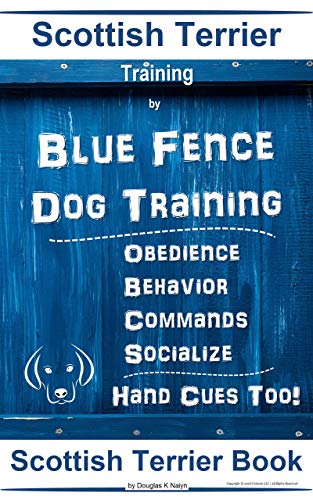
Jumping on guests is a surprisingly common complaint, and it’s one where structured obedience resources genuinely help. A well-organized program like Scottish Terrier Training By Blue Fence Dog Training, Obedience walks through the kind of foundational obedience cues that work across breeds, including impulse control around visitors, which translates well to Goldendoodles even though it wasn’t written specifically for them.
Combining Tools With Professional Guidance
Even the best goldendoodle training tools work better as part of a bigger plan rather than a standalone fix. If your dog’s biting tendencies during play or frustration are getting out of hand, it helps to understand the difference between what you can realistically manage at home and when a professional trainer is worth the investment, which is exactly what we cover in Train a Goldendoodle That Bites: Trainer vs DIY Guide. Some behavioral issues, especially ones rooted in fear or trauma, really do need a trained eye to assess properly.
On the subject of tools some pet parents consider for stubborn behaviors, it’s worth being cautious. Devices like a Small Dog Shock Collar, Tailored for Small Dogs 5-15lbs are marketed as quick solutions, but given everything we know about how Goldendoodles respond to stress and fear-based corrections, this category of tool should generally be avoided or used only under the direct supervision of a certified behaviorist who can assess whether it’s appropriate for your specific dog’s temperament. Positive reinforcement methods consistently outperform aversive tools for this breed, and most certified trainers will steer you toward reward-based alternatives first.

- Fits Small Dogs – Other training collars are labelled ‘For Small Dogs’ but are not really suitable for small dogs due to…
- Tailored for Small Dogs – Our collar straps are adjustable from 0-24 inches, and small dogs like Chihuahuas and Poodles …
- 4 Modes & Click Trainer – Instead of just adjusting the sound level our collar has 9 types of sound (built-in dual speak…
If you’ve tried a reasonable combination of goldendoodle training tools for four to six weeks with no improvement, or if the behavior involves growling, snapping, or signs of real fear, that’s your cue to bring in a certified canine behaviorist. These professionals can observe body language cues that are easy to miss at home and build a customized plan around your dog’s specific triggers.
Key Takeaways
- Goldendoodles are smart but prone to boredom, separation anxiety, and adolescent testing of boundaries.
- Reward-based training is both safer and more effective than punishment-based correction, according to veterinary behavior experts.
- Puzzle toys, no-pull harnesses, long leads, clickers, and anxiety wraps each solve a different specific problem.
- Matching the right goldendoodle training tools to the right issue saves time and reduces frustration for both of you.
- Persistent or fear-based behaviors deserve professional evaluation, not just more gear.
Frequently Asked Questions
What are the most effective goldendoodle training tools for separation anxiety?
Calming anxiety wraps and treat-dispensing puzzle toys tend to work best together. The wrap provides gentle, constant pressure that soothes nervous energy, while a puzzle toy keeps your dog mentally occupied during the early minutes after you leave, which is often when anxiety spikes the hardest.
How long does it take to see results from positive reinforcement training?
Many pet parents notice small improvements within one to two weeks of consistent daily practice, though full behavior change for issues like leash reactivity or jumping can take four to eight weeks. Consistency matters more than intensity, so short daily sessions beat occasional long ones.
Can I use multiple goldendoodle training tools at the same time?
Yes, and in most cases combining tools works better than relying on just one. For example, pairing a front-clip harness with a clicker during walks lets you correct pulling physically while reinforcing good positioning verbally, which speeds up the learning process for most dogs.
When should I hire a professional trainer instead of using tools at home?
If you’ve consistently used the right goldendoodle training tools for several weeks without progress, or if your dog shows signs of fear-based aggression like growling or snapping, it’s time to bring in a certified canine behaviorist. These situations often involve underlying triggers that need professional assessment rather than more equipment.


