


Choosing between a goldendoodle vs labradoodle for your family feels a lot bigger than picking a puppy. It’s picking a companion who’s going to nap through toddler chaos, tolerate a lot of hugging, and hopefully not track mud through the kitchen every day. The short answer: both breeds make wonderful family dogs, but they’re not interchangeable. Goldendoodles tend to lean gentler and more eager to please, while Labradoodles often bring a bit more drive and food-motivated energy to the table.
If you’ve been going back and forth on this decision for weeks, you’re not alone. Plenty of parents land on this exact fork in the road. Below, we’ll walk through temperament, grooming realities, health risks, and a practical checklist so you can pick the dog that actually fits your household, not just the one that looks cutest in photos.
Temperament: The Goldendoodle vs Labradoodle Personality Split
Temperament is where these two breeds start to show real differences, even though they share plenty of overlap. A goldendoodle vs labradoodle comparison almost always starts here, because it’s the factor that shapes daily life the most.
Goldendoodles inherit a lot of their emotional wiring from the Golden Retriever side. That typically means a dog who is patient, affectionate, and genuinely tuned in to your mood. According to the American Kennel Club, Golden Retrievers are described as friendly, intelligent, and devoted, traits that tend to carry through in the doodle cross.
Labradoodles, on the other hand, pull more heavily from Labrador Retriever instincts. That often translates to higher physical energy, stronger prey drive toward squirrels and toys, and a food-driven learning style that makes training sessions feel almost too easy some days.

- Goldendoodles: gentle, people-pleasing, slower to overstimulate, great with toddlers who move unpredictably.
- Labradoodles: higher energy, food-motivated, quick learners, thrive with active kids who want a running or fetching partner.
- Both: social, rarely aggressive when properly socialized, prone to separation anxiety if left alone too long.
Temperament in doodles is never guaranteed. First-generation crosses can lean either direction, so meeting the puppy’s parents and asking breeders about behavior patterns matters just as much as the breed name on paper.
Coat and Grooming Needs: What Your Wallet and Schedule Should Know
Coat texture is where a lot of families get surprised after bringing a puppy home. Both breeds shed less than a straight-coated retriever or lab, but “low shedding” doesn’t mean “low maintenance.” Curlier coats mat fast, and mats near the ears and armpits can turn into painful skin issues if ignored.
A 2023 survey by the International Doodle Owners Group found grooming costs average $75 to $120 per session for both breeds, typically needed every 4 to 6 weeks. That’s a real recurring line item, not a one-time expense, so it’s worth budgeting for before you commit to either dog.
| Feature | Goldendoodle | Labradoodle | Price Tier |
|---|---|---|---|
| Shedding Level | Low (wavy or curly coat) | Low to moderate (varies by coat type) | N/A |
| Allergy-Friendliness | Generally good, not guaranteed hypoallergenic | Generally good, fleece coats tend to be best | N/A |
| Grooming Frequency | Every 4-6 weeks professional, daily brushing | Every 4-6 weeks professional, daily brushing | N/A |
| DIY Grooming Tool Kit | Slicker brush, dematting comb, clippers | Slicker brush, dematting comb, clippers | $$$ |
| Energy Level for Kids | Moderate, patient with young children | Higher, better for active older kids | N/A |
If you’re leaning toward doing more grooming at home to cut down on salon visits, it helps to understand the tools before you buy anything. Our Goldendoodle grooming tools buying guide breaks down exactly what’s worth the investment and what’s not. And if you’re still deciding on a haircut style once the coat comes in, the puppy cut versus teddy bear cut comparison is a good next stop.
Speaking of grooming routines, keeping a puppy calm during brushing sessions gets a lot easier with the right reward system. Canine Cravers Single Ingredient Dog Treats work well for this because the short ingredient list means less risk of triggering sensitive stomachs, something both goldendoodle vs labradoodle owners report dealing with during grooming stress.

- ALL NATURAL DOG TREATS: Your pets deserve the best! Our healthy dog treats are made using 1 simple human grade ingredien…
- TURKEY. ONLY TURKEY: Don’t let your dog eat preservatives, additives and by-products. Our protein rich Turkey strips are…
- DOGS & CATS LOVE IT: Our freshly made treats will leave your pup begging for more! The 100% natural ingredients provide …
Health and Lifespan: What Hybrid Vigor Can and Can’t Fix
Crossbreeding gets talked about like a magic fix for health problems, but that’s not quite accurate. The Orthopedic Foundation for Animals reports that hybrid vigor may reduce, but does not eliminate, hereditary joint issues in both crosses. Hip dysplasia and elbow dysplasia remain real risks in both the goldendoodle vs labradoodle comparison, since both parent breeds carry documented predispositions.
Golden Retriever lineage also brings elevated cancer risk into the goldendoodle side, something worth discussing with any breeder or vet before adoption. Labrador lineage tends to bring a higher tendency toward obesity, since labs famously never met a meal they didn’t love. That food drive is great for training but rough on the waistline if portions aren’t controlled.

- Ask breeders for OFA hip and elbow certifications on both parents.
- Request genetic testing results for progressive retinal atrophy and von Willebrand’s disease.
- Budget for annual vet exams that include joint and weight monitoring starting in puppyhood.
- Watch for early signs of exercise intolerance, which can signal joint discomfort before it becomes visible lameness.
Average lifespan for both breeds sits around 12 to 15 years when weight and joint health are managed well. That’s a solid run for a family dog, assuming the groundwork gets laid early with proper vet care and a sensible feeding routine.
The Family-Fit Checklist: Matching the Dog to Your Household
Instead of asking which breed is “better” in the abstract, it helps to run your own household through a quick checklist. This is really the fastest way to settle a goldendoodle vs labradoodle debate at home.
- Activity level: Do you have an hour a day for walks and play, or closer to 20-30 minutes? Labradoodles usually need more.
- Kids’ ages: Toddlers and preschoolers often do better with the calmer Goldendoodle temperament. School-age kids who want a jogging or fetch partner may enjoy the Labradoodle’s drive.
- Allergy status: Neither breed is guaranteed hypoallergenic. If allergies are severe, spend time with an adult dog of the specific coat type before committing.
- Budget: Factor in grooming every 4-6 weeks, quality food, and health screenings. Neither breed is a low-cost option long term.
- Training time: Labradoodles often pick up commands faster due to food motivation. Goldendoodles may need a bit more patience but respond beautifully to gentle, consistent reinforcement.
If your family leans toward getting a puppy from a budget listing, it’s worth pausing first. Our guide on red flags to watch for in low-cost Goldendoodle puppies applies just as much to Labradoodle listings, since underpriced puppies from either breed often come with hidden health or socialization gaps.
While you’re settling into new-dog life, a little downtime for yourself matters too. Something like The Sealight Cove Cozy Mysteries series makes for relaxing reading during those early crate-training weeks when your puppy is napping and you finally get a quiet minute.
There is an issue displaying Amazon products. Please contact the administrator to check that.Tracking Milestones and Family Routines
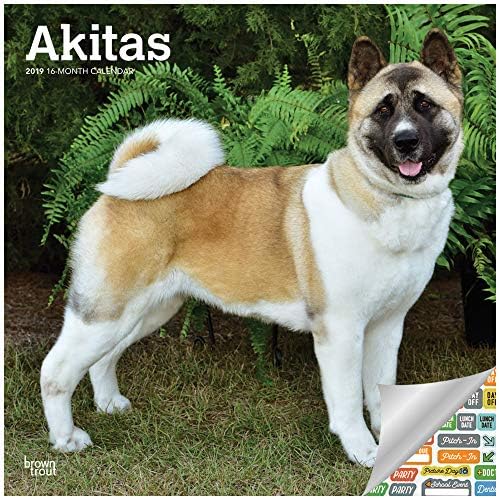
Families who bring home a new puppy often find it helpful to keep a visible record of vet visits, grooming appointments, and training milestones somewhere the whole household can see it. A wall calendar dedicated to dog-related planning, similar in concept to the GULOYAA Akitas Calendar 2019 Set, gives kids an easy way to mark grooming days and vaccination dates in a shared family space.
Whichever breed you land on, involving kids in the care routine builds responsibility and gives the dog a stronger bond with the whole family, not just the primary caregiver.
Frequently Asked Questions
Is a Goldendoodle or Labradoodle better for a first-time dog owner?
Goldendoodles are often recommended for first-time owners because of their gentler, more patient temperament, which makes early training mistakes less stressful. Labradoodles can work well too, but their higher energy and food drive mean training needs to start early and stay consistent.
Which breed is better with young children, Goldendoodles or Labradoodles?
In the goldendoodle vs labradoodle comparison, Goldendoodles typically show more patience with toddlers and unpredictable movement. Labradoodles tend to suit older, more active kids who enjoy running, fetch, and outdoor play.
Do Goldendoodles or Labradoodles shed less?
Both breeds shed less than their purebred parent breeds, but neither is completely hypoallergenic. Coat type within each litter varies, so meeting the puppy’s parents or spending time with an adult dog is the best way to gauge shedding before committing.
Are Goldendoodles or Labradoodles more prone to health problems?
Both crosses carry inherited risks from their parent breeds, including hip and elbow dysplasia. Goldendoodles have a somewhat higher documented cancer risk tied to Golden Retriever lineage, while Labradoodles show a stronger tendency toward weight gain tied to Labrador lineage. Regular vet checkups help catch either issue early.
There’s no universally “correct” winner in the goldendoodle vs labradoodle decision. Both breeds can thrive as loyal, loving family dogs when they get consistent socialization, regular exercise, and routine veterinary attention. The real deciding factor comes down to your household’s energy level, your kids’ ages, and how much time you’re realistically able to spend on grooming and training each week. Pick honestly based on your daily life, not just the breed name, and either dog is likely to become a cherished part of your family for well over a decade.


