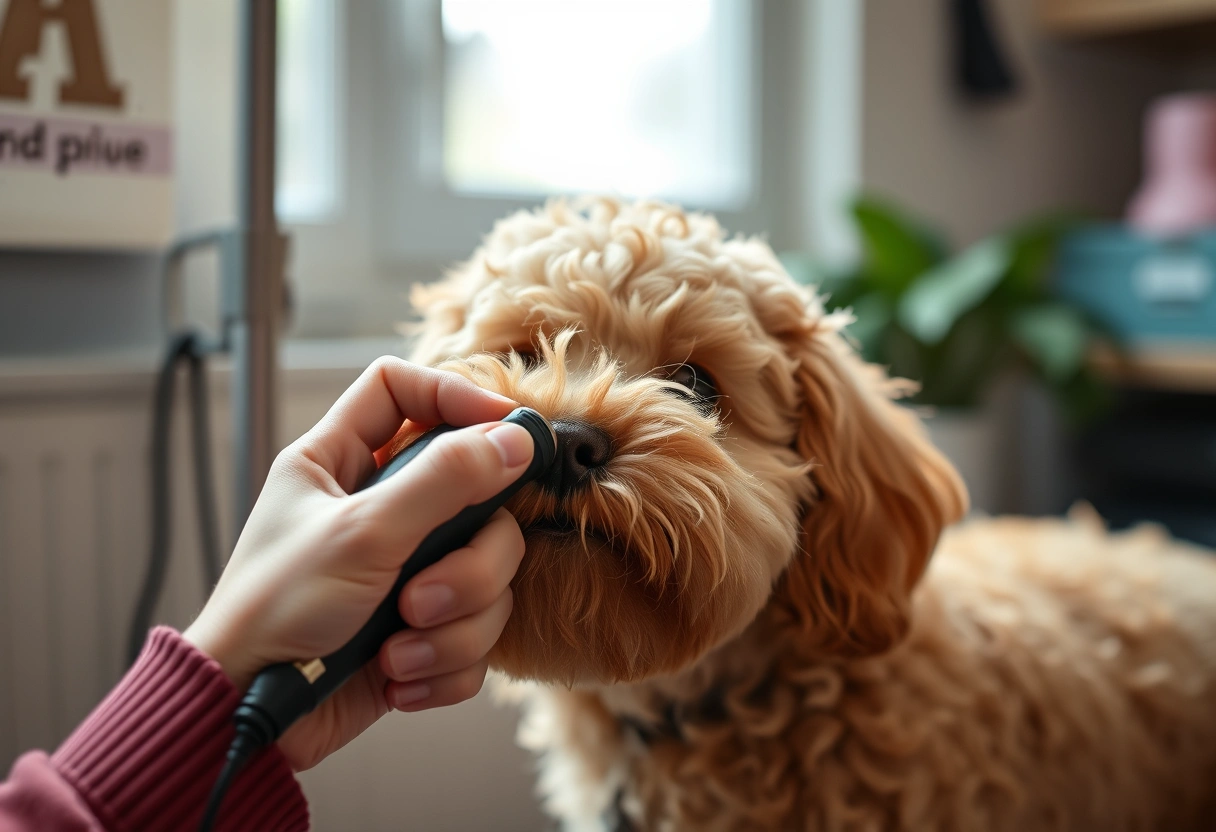
If your palms sweat every time you reach for the clippers, you’re not alone. Nail grinders tend to be the safer pick for most home groomers because they shave nails down gradually instead of cutting them in one motion, which means far less risk of hitting the quick on your Goldendoodle’s fast-growing nails. That said, the “safer” tool really depends on your dog’s temperament and your own comfort level, so let’s look at both options honestly before you decide.
Trimming a wiggly, curly-coated dog’s nails is one of those grooming tasks that sounds simple until you’re actually holding the clipper over a dark, opaque nail with no idea where the quick starts. Goldendoodles grow nails quickly and often have thick, hard nails that make the guessing game even trickier. This guide breaks down clippers versus grinders, gives you a real safety checklist, and walks through a prevention routine that keeps trims calm and bloodless.
Nail Clippers: Fast, Familiar, but Riskier on Dark Nails
Clippers are the classic tool for a reason. They’re quick, they’re quiet, and they don’t cost much. A confident owner with a cooperative dog can finish all four paws in a couple of minutes flat, which is a big plus if your Goldendoodle has zero patience for grooming sessions.
The tradeoff is precision. One firm squeeze in the wrong spot and you’ve hit the quick, which means a yelp, a few drops of blood, and a dog who now associates nail trims with pain. This is the biggest reason people search for dog nail clippers alternatives after a bad first experience. If you want a model built with better visibility for this exact problem, our guide on Best Dog Nail Clippers for Thick Goldendoodle Nails covers options designed for tougher, darker nails.
Clipper pros:
- Fast, usually under a minute per paw once you’re practiced
- Silent operation, which suits noise-sensitive dogs
- Budget-friendly and widely available
- No batteries or charging required
Clipper cons:
- Higher risk of cutting the quick, especially on dark or thick nails
- Leaves sharp edges that can snag furniture or skin
- Requires confident, steady hands and good lighting
- One bad experience can create long-term fear of trims
If you do go the clipper route, a few LED-lit models exist specifically to help you see the quick on dark nails before you cut. The Cat Nail Clippers, EliaValth LED Dog clippers use a built-in light to illuminate the nail bed, which takes some of the guesswork out of trimming darker nails.
Here’s a quick safety checklist to run through before you clip anything:

- Trim in a well-lit room, ideally near a window or bright lamp
- Cut small slivers, not big chunks, working your way toward the quick slowly
- Stop as soon as you see a gray or pink dot appearing in the center of the cut surface
- Have styptic powder within arm’s reach before you start, not after
- Never trim a squirming dog without a second person to help hold steady
Nail Grinders: Gradual, Gentle, but Noisy
Nail grinders work by filing down the nail in small passes rather than cutting it in one motion. That gradual approach is exactly why nail grinders are generally considered the gentler option for nervous groomers and inexperienced dogs alike. You can stop the instant the nail looks close to the quick, without the irreversible commitment of a clipper’s blade.
Grinders also smooth out the sharp edges clippers tend to leave behind, so your Goldendoodle’s paws feel less like scratchy little rakes on your furniture and skin. The tradeoff is sound and vibration. Some dogs tolerate the buzzing just fine, while others bolt the second they hear it.
The American Kennel Club recommends gradually desensitizing dogs to the sound and vibration of a grinder before the first real trim, letting them sniff and get used to the noise with treats and praise well before it ever touches their paw (American Kennel Club).
Grinder pros:
- Gradual filing dramatically lowers the risk of cutting the quick
- Smooths rough edges automatically, no follow-up filing needed
- Works well on thick, hard Goldendoodle nails that resist clippers
- Easier to correct course mid-trim compared to a clipper’s single cut
Grinder cons:
- Noise and vibration can spook sound-sensitive dogs
- Takes longer per nail, which tests a dog’s patience
- Fur can get caught in the grinding head if not careful
- Requires charging or batteries, and occasional replacement of the grinding wheel
Modern electric grinders have gotten a lot quieter and more versatile than the clunky rotary tools of a few years back. The 2026 New Electric Nail Clippers, 4-in-1 Nail Trimmer & Polisher combines a grinding function with a polishing head, so you can smooth and buff nails in the same session without switching tools.
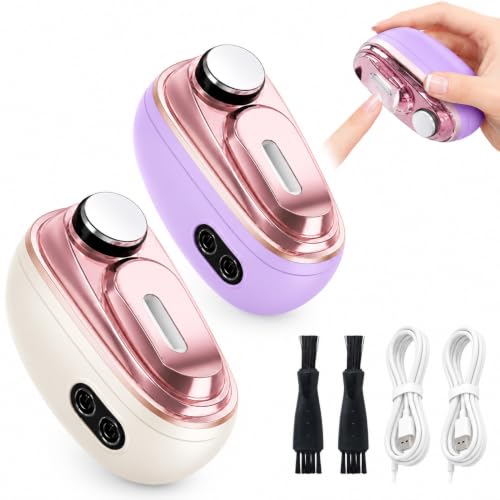
- 【4-in-1 Nail Trimming & Polishing Design】Combine trimming, shaping, filing, and polishing functions in one compact nail …
- 【Dual Grinding Heads for Different Nail Care Needs】Features multiple grinding heads designed for trimming and smoothing …
- 【Low Noise Operation for Comfortable Grooming】The motorized design works with reduced operating noise, making it suitabl…
Nail Clippers vs Nail Grinders: Side-by-Side Comparison
Choosing between these two nail trimming tools often comes down to weighing speed against precision. The table below lays out how they stack up on the factors that matter most for home grooming.
| Feature | Nail Clippers | Nail Grinders |
|---|---|---|
| Quick-cut risk | Higher, especially on dark nails | Lower, gradual and correctable |
| Noise level | Silent | Moderate buzzing, may startle dogs |
| Speed per session | Fast, under a minute per paw | Slower, several passes per nail |
| Learning curve | Moderate, needs confident hand | Easy to moderate, needs desensitization |
| Best for | Calm dogs, experienced owners | Nervous groomers, thick or dark nails |
| Price Tier | $ | $$ to $$$ |
Safety data backs up why so many owners lean toward grinders these days. According to VCA Animal Hospitals, roughly 20% of dog owners report accidentally nicking the quick during at-home nail trims (VCA Animal Hospitals), which is a meaningful number when you’re talking about a task most people do every few weeks for the life of their dog.
Building a Safer Nail Trimming Routine
Whichever tool you land on, the routine around it matters just as much as the tool itself. Goldendoodles grow nails fast, often needing a trim every two to three weeks, so getting the process right pays off many times over.

Step-by-step prevention routine:
- Desensitize first. Turn the grinder or clipper on near your dog during calm moments, pair the sound with treats, and repeat for several days before the first real trim.
- Position your dog comfortably. Have them lie on their side or sit in your lap so the paw is relaxed and easy to see, not braced or pulling away.
- Isolate one paw at a time. Hold the paw gently but firmly, separating the toe you’re working on from the rest.
- Trim or grind in small increments. Take thin slices with clippers or short passes with a grinder, checking the nail’s cross-section as you go.
- Keep styptic powder ready. Set it on the table before you start, not after something goes wrong.
- Reward after each paw, not just at the end. Frequent small rewards keep anxious dogs engaged through the whole session.
If your Goldendoodle’s coat tends to mat around the paws and make nail checks harder, keeping the fur trimmed short between grooming appointments helps a lot. Our post on How to Shave a Goldendoodle Without Ruining Its Coat walks through safe trimming techniques that keep paw fur manageable without damaging the coat’s texture.
For owners who trim nails frequently and want everything organized in one place, a dedicated kit saves time and reduces the chance of reaching for a dull or wrong-sized tool mid-session. Our roundup of the Best Nail Trimming Kits for Goldendoodles (Save on Fees) compares bundled options that include grinders, clippers, and styptic supplies together.
When Neither Tool Feels Right
Some dogs never fully settle into home nail trims, no matter how patient you are or which tool you use. That’s a completely normal outcome, not a failure on your part.
A groomer or veterinary technician can handle trims quickly and safely if your Goldendoodle’s anxiety doesn’t improve with practice. There’s no shame in outsourcing this one task while you handle brushing, bathing, and everything else at home.
One more option worth mentioning for casual or backup use: novelty tools like the Bulk Custom Bottle Opener Nail Clippers exist mostly as promotional giveaway items rather than a primary grooming tool, so they’re better suited as a spare on hand than your go-to trimmer for a Goldendoodle’s thick nails.

- LARGE BULK CUSTOM ORDER – Designed for weddings, corporate events, churches, restaurants and large celebrations.
- FULL COLOR PHOTO & LOGO CUSTOMIZATION – Premium resin-sealed printing supports colorful images and detailed branding.
- LONG TERM ADVERTISING VALUE – Useful daily tool keeps your brand or message visible for years.
Final Thoughts on Choosing the Right Tool
There’s no single right answer that fits every dog. Nail grinders tend to win out for safety because they let you stop before real damage happens, and that gradual control matters most for anxious dogs or nails you can’t see through clearly. Clippers still earn their place for calm, cooperative Goldendoodles and owners who want speed over gradual precision.
Pay attention to your dog’s specific temperament rather than chasing whichever tool sounds trendiest. A grinder that terrifies a noise-sensitive dog isn’t actually the safer choice for that particular household, even if it’s gentler on paper. Go with whichever Goldendoodle grooming tool your dog tolerates best, build a calm routine around it, and keep styptic powder on hand no matter which path you choose. That combination of patience and preparation is what actually keeps nail trims safe, far more than the brand or style of tool sitting in your hand.
Are nail grinders actually safer than clippers for Goldendoodles?
Generally yes. Nail grinders remove small amounts of nail gradually, which gives you more control and a lower chance of cutting the quick compared to the single motion of a clipper blade. The tradeoff is that grinders take longer and can startle dogs with their noise and vibration.
How often do Goldendoodles need their nails trimmed?
Most Goldendoodles need a trim every two to three weeks since their nails grow quickly. If you can hear nails clicking on hard floors, that’s usually a sign a trim is overdue.
What should I do if I accidentally cut the quick?
Apply styptic powder directly to the nail tip and hold gentle pressure for about 30 seconds. Keep your dog calm and still, since movement can restart the bleeding. If bleeding doesn’t stop after a few minutes, contact your veterinarian.
Can I switch from clippers to a nail grinder if my dog is already scared of trims?
Yes, and many owners find grinders easier to reintroduce after a bad clipper experience. Start with slow desensitization sessions where the grinder runs nearby without touching the paw, then gradually build up to short grinding passes paired with treats.