


If you’re staring at your phone screen debating whether a puppy camera is enough to keep your 8-week-old Doodle safe while you run to the grocery store, you’re not alone. That knot in your stomach when you close the front door behind you is completely normal, and honestly, it’s a good sign you’re a thoughtful pet parent. The short answer: for a puppy this young, neither a camera nor a sitter alone is the full solution, but understanding what each one actually does will help you build a setup that keeps your fluffy new family member safe, calm, and accident-free.
An 8-week-old Goldendoodle or Labradoodle isn’t just a smaller version of an adult dog. Their bladders, their brains, and their emotional stability are all still under construction. That changes everything about how you plan your day, your errands, and your work schedule. Over the next few minutes, we’ll walk through the real developmental limits of a puppy this young, compare a puppy monitoring camera against a pet sitter for puppies side by side, and give you a step-by-step protocol so you’re never guessing when you have to step out the door.
Why 8 Weeks Old Changes Everything About Leaving Puppy Alone
Here’s the part a lot of new Doodle owners don’t realize until they’re mid-mess on the kitchen floor: a puppy’s bladder control develops on a predictable timeline tied to age. The general veterinary behavior guideline, echoed by the American Veterinary Society of Animal Behavior, is roughly one hour of bladder control per month of age. For an 8-week-old pup, that math works out to about one to two hours max before an accident becomes likely, not a training failure, just biology.
That window shrinks even further right after naps, meals, or play sessions, since all three trigger the urge to go. So when you’re thinking about leaving puppy alone for a work meeting or a trip to the pharmacy, you’re really working with a tight, non-negotiable clock. This single fact should drive every decision you make about cameras, sitters, crates, and schedules for the next several weeks.
It’s also why relying purely on a puppy camera to “watch” your Doodle through a four-hour workday isn’t a safe plan, no matter how good the camera is. A camera can alert you to a problem. It cannot physically get your puppy outside in time. Keep that distinction in mind as we compare the two options below.
Puppy Camera vs Pet Sitter: Pros and Cons Compared
Both tools solve different problems, and honestly, most Doodle households end up needing elements of both. A puppy monitoring camera gives you eyes and ears on your pup in real time, which is huge for anxiety relief and for catching early signs of distress, like excessive barking, pacing, or chewing on something they shouldn’t. A good one, like the Petcube Cam Indoor Wi-Fi Pet and Security Camera, offers two-way audio so you can soothe your puppy with your voice from across town, which can genuinely calm a whining pup during a short errand.

- STOP WONDERING. START KNOWING: See, hear and comfort your pet in vivid 1080p HD. A 110° wide-angle view covers the room,…
- KNOW BEFORE IT’S SERIOUS: The first signs of trouble are easy to miss. Daily Diary recaps your dog or cat’s day and Smar…
- A VET IN YOUR POCKET: Clinic visits add up fast — and most start with a simple question. Get instant answers from our AI…
A pet sitter, on the other hand, provides something a camera physically cannot: hands-on care. They can scoop your puppy up for a potty break, offer physical comfort during a thunderstorm, and respond instantly if something goes wrong. According to Rover’s 2023 pricing data, drop-in visits from a professional sitter typically run in the range of twenty to thirty dollars per visit, which adds up fast if you need multiple visits a day during the puppy stage.

Veterinary behaviorists consistently note that an 8-week-old puppy’s need for physical reassurance, bladder relief, and social contact cannot be fully replaced by remote monitoring alone, no matter how advanced the technology.
Here’s a side-by-side breakdown to help you weigh the tradeoffs clearly:
| Feature | Puppy Camera | Pet Sitter |
|---|---|---|
| Physical potty breaks | No, remote only | Yes, hands-on |
| Real-time alerting | Yes, via app notifications | Depends on visit timing |
| Emotional comfort | Limited, two-way audio only | Full physical reassurance |
| Recurring cost | One-time purchase | Per-visit, ongoing cost |
| Best for | Short errands, peace of mind | Workdays, longer absences |
| Price Tier | $ to $$ | $$$ to $$$$ |
Notice neither column alone fully covers an 8-week-old puppy’s needs. That’s the whole point of this comparison, and it’s why so many experienced Doodle owners end up pairing a puppy monitoring camera with a scheduled sitter rotation rather than picking just one.
Setting Up a Safe Puppy Camera System at Home
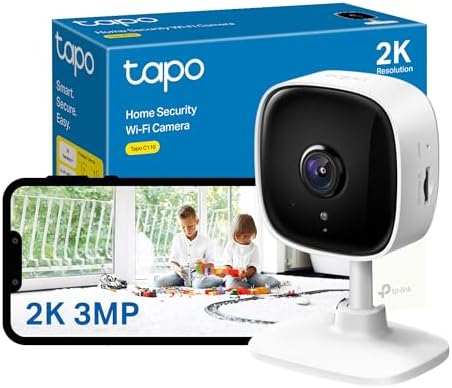
If you’re leaning toward a camera as your primary reassurance tool for short absences, placement and features matter more than people expect. You want a wide field of view that covers the entire playpen or puppy-proofed room, not just a corner. The Tapo 2K Indoor Security Camera offers sharp resolution and motion tracking, which is genuinely useful for catching a wandering Doodle pup before they get into trouble behind the couch.
A few setup basics that make a real difference:
- Mount the camera at a height that captures the whole pen, not just a close-up of the bed
- Test the two-way audio ahead of time so your voice doesn’t startle your puppy the first time you use it
- Set up motion and sound alerts so you’re notified the moment barking or whining starts
- Keep a backup camera in a second room if your puppy has access to more than one space
If you want a budget-friendly way to cover multiple angles at once, a two-pack option like the Gianteye 2K Indoor Security Camera (2-Pack) lets you monitor both the playpen and the entry door, which is handy for catching separation-related pacing near exits.

- 【AI Event Detection That Understands Your Home】Unlike basic motion alerts, this indoor camera uses AI to recognize meani…
- 【True Dual-Band WiFi for Busy Homes (5GHz + 2.4GHz)】Designed for modern apartments and smart homes, this camera supports…
- 【2K Color Night Vision & Clear Two-Way Talk】See pets, babies, or rooms clearly day and night with sharp 2K resolution an…
Step-by-Step Protocol for Leaving Puppy Alone Safely
Whether you choose a camera, a sitter, or a hybrid of both, following a consistent routine reduces risk dramatically. Here’s the protocol we recommend for new Doodle owners navigating the 8-to-12-week stage:
- Puppy-proof the space. Remove cords, small chewable objects, and anything toxic from the designated area before you leave.
- Set up a crate or playpen. A contained space limits how much trouble a puppy can get into and makes bladder accidents easier to clean and track.
- Position your puppy camera. Angle it to capture the full pen and any exit points, and confirm the live feed before you walk out the door.
- Cap alone time at one to two hours. This matches the bladder-control guideline for an 8-week-old and should not be stretched for convenience.
- Vet any sitter thoroughly. Ask for references, confirm puppy-specific experience, and request a trial visit while you’re still home.
- Schedule overlapping care. If you must be gone longer than two hours, book a sitter visit timed to the midpoint of your absence.
This kind of structured routine mirrors what trainers recommend for broader behavioral issues too. If your Doodle is also showing early signs of reactivity or anxiety around strangers, it’s worth reading our comparison of in-person vs online dog training for puppy aggression to figure out which training format fits your schedule and your pup’s temperament.

When a Pet Sitter Makes More Sense Than a Puppy Camera
There are specific situations where hiring a sitter outweighs relying on remote monitoring. If your workday runs longer than two hours, if your puppy has shown separation anxiety symptoms, or if your Doodle has a medical condition requiring regular check-ins, a sitter’s physical presence is simply safer. A camera can tell you something’s wrong. A sitter can fix it on the spot.
That said, a sitter visit doesn’t need to be an all-day commitment to be effective. Many Doodle owners book a thirty-minute midday visit paired with a puppy camera running the rest of the day for added visibility. This hybrid approach tends to be the most balanced option financially and emotionally, since it limits sitter costs while still giving you eyes on your puppy around the clock.
Grooming and coat care also tie into this daily routine more than people expect. A puppy left in a playpen for a few hours is more likely to get into their water bowl or drag bedding through a muddy paw print, so keeping a basic brush nearby for a quick touch-up when you return isn’t a bad habit to build early. If you’re starting to think ahead about long-term coat maintenance, our breakdown of doodle grooming tools versus professional groomer costs is a useful next read.
Building Your Hybrid Puppy Camera and Sitter Plan
The most reassuring answer here isn’t “camera” or “sitter,” it’s a combination tailored to your actual schedule. Start by mapping out your week: how many hours are you realistically away from home, and during which blocks? Fill the short gaps (under two hours) with a well-placed puppy monitoring camera, and reserve sitter visits for anything longer or for days when your puppy seems more anxious than usual.
Over time, as your Doodle’s bladder control improves and their confidence grows, you’ll be able to stretch alone-time windows gradually. But during these first few fragile weeks, treating a puppy camera as a monitoring tool rather than a substitute for care is the safest mindset to hold onto.
Frequently Asked Questions
Can an 8-week-old Doodle puppy be left alone with just a puppy camera?
A puppy camera can provide valuable monitoring and reassurance, but it cannot physically let your puppy outside for a potty break or respond to an emergency. For absences under two hours, a camera alone may be sufficient, but longer stretches typically call for a pet sitter or trusted caregiver to step in.
How much does a pet sitter for puppies typically cost per visit?
Based on Rover’s 2023 pricing data, drop-in visits from a professional pet sitter for puppies generally fall in a mid-tier to premium range per visit, depending on your location and the length of the visit. Costs can add up quickly if multiple visits are needed daily during the puppy stage.
What features should I look for in a puppy monitoring camera?
Look for a wide field of view, two-way audio, motion and sound alerts, and reliable app connectivity. These features let you both observe and gently reassure your puppy from a distance, which can reduce whining and pacing during short absences.
How long can I safely leave my puppy alone at 8 weeks old?
Most veterinary behavior guidelines suggest limiting alone time to roughly one to two hours for an 8-week-old puppy, based on their developing bladder control. Leaving puppy alone for longer stretches without a check-in increases the risk of accidents and stress.
Neither a camera nor a sitter is a magic fix on its own, and that’s okay. What matters most is building a routine that respects your Doodle’s current stage of development while giving you the visibility and support you need to feel confident stepping out the door. A thoughtful combination of a puppy camera and reliable hands-on care, paired with a lot of patience, will carry you through these early fragile weeks safely.


