


Slicker brush vs comb: if you’re standing in the grooming aisle right now trying to figure out which tool actually pulls those stubborn tangles out of your dog’s coat, here’s the short answer: you need both, but they’re not interchangeable. A slicker brush handles the daily surface work and undercoat fluffing, while a metal comb is the tool that actually confirms a mat is gone. If you’ve been brushing every day and still finding felted knots behind the ears or under the collar, you’re not doing it wrong. You’re just missing half the process.
That gap between “brushed” and “actually detangled” is where most Goldendoodle mats sneak in. It’s frustrating, especially when you’ve put in the time. Let’s get into why this happens and how to fix it for good.
Why Goldendoodle Coats Mat So Easily
Goldendoodle fur isn’t like a Labrador’s short, flat coat. Depending on the generation (F1, F1B, or multigen), the texture ranges from loose wave to tight curl, and that curl pattern is exactly what causes trouble.
Curly hair strands cross over each other constantly. Every time your dog moves, plays, or even just shakes off after a nap, those crossed strands rub together and start to felt, kind of like wool shrinking in a washer. Add in a dense undercoat, and you’ve got two layers of hair grinding against each other under the topcoat where you can’t see it.
According to the American Kennel Club, curly and wavy coat types are among the highest-maintenance coat categories, often requiring near-daily brushing to prevent matting. That’s not a scare tactic, it’s just coat biology. The friction that creates mats is happening constantly, whether you’re grooming that day or not.
Areas with the most movement and friction mat first: behind the ears, in the armpits, around the collar line, and at the base of the tail. If you’re only checking the topcoat on your dog’s back, you’re missing where the real problem usually starts.
Slicker Brush Breakdown: What It’s Good For (and Where It Falls Short)
A slicker brush is that flat paddle covered in fine, slightly bent wire pins. It’s the workhorse of daily doodle grooming, and for good reason.
What a slicker brush does well:

- Covers large areas quickly, making daily maintenance realistic
- Lifts and separates the undercoat, reducing overall felting
- Removes loose surface debris, dead hair, and light tangles before they compound
- Fluffs the coat for a cleaner, more finished look between grooming appointments
A quality option worth having in your kit is the Histotree Black White Stiff Dandy Brush, which works well for lifting surface tangles and distributing natural oils through a wavy or curly coat during regular upkeep sessions.
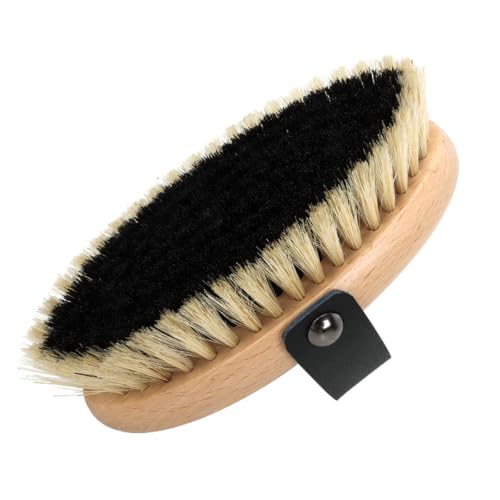
- Dual-Color Dense Bristles for Deep&Gentle Grooming:Our Histotree horse brush features black&white PET bristles to easily…
- Sturdy&Durable Beech Wood Brush Back:This horse grooming brush is made of beech wood with smooth edges and an ergonomic …
- Suitable for all livestock hair:This horse body brush is suitable for removing surface dirt and loose undercoat,leaving …
Here’s the catch, and it’s the reason so many pet parents get blindsided by mats despite daily brushing. A slicker brush works on the surface. When it hits a mat, the pins can glide over the top or break the tangle into several smaller knots without ever separating them down to the skin. Visually, the coat looks smoother. Underneath, the mat is still there, just reorganized.
There’s also a real risk of skin irritation. Veterinary dermatology guidance from VCA Animal Hospitals warns against aggressive slicker brush pressure, which can cause a condition groomers call “brush burn,” essentially a superficial abrasion from repeated friction against the same patch of skin. This tends to happen when owners scrub hard at a mat instead of working it loose gradually.
A slicker brush can make a mat look gone without actually removing it. If your comb still catches after brushing, the mat is still there.
Comb Breakdown: The Tool That Tells You the Truth
A metal comb, especially one with two densities of teeth (wide-set and fine-set), is the verification step most routines skip. This is where the slicker brush vs comb debate really gets decided.
What a comb does well:
- Reaches all the way to the skin, so it catches hidden mats a slicker brush glides past
- Uses the “line combing” technique: small, thin sections combed individually from root to tip
- Safer for sensitive, thin-skinned zones like the ears, muzzle, and armpits
- Gives you honest feedback. If the comb snags, there’s still a mat there, no matter how smooth the surface looks
The Metal Comb for Dogs, Dog Grooming Detangler is a solid pick for this job, since the dual-tooth spacing lets you do a first pass with the wider teeth and follow up with the finer teeth for a true skin-level check.

- EASY DEMATTING & DETANGLING: Our dog grooming comb features extra-long stainless-steel teeth that glide through tough kn…
- EXTRA LONG PINS: Engineered with PINs that are 30% longer, this dematting comb reaches deeper into dense, curly, or long…
- ERGONOMIC HANDLE: Designed with a non-slip, ergonomic handle, this metal dog comb ensures a secure grip and reduces hand…
The downside is speed. Line combing an entire Goldendoodle, especially a standard-size one, takes real time. It’s not a tool you’d want to rely on for whole-body daily maintenance, and using it as your only method usually means grooming sessions get skipped because they take too long. That’s exactly how mats get a head start.
Slicker Brush vs Comb: Side-by-Side Comparison
When you line up slicker brush vs comb by function, the roles become pretty clear. Neither tool replaces the other; they solve different parts of the same problem.
| Feature | Slicker Brush | Metal Comb | Price Tier |
|---|---|---|---|
| Best Use | Daily surface maintenance, undercoat fluffing | Mat verification, precision detangling | – |
| Reaches Skin Level? | Rarely, tends to skim the surface | Yes, designed to glide root to tip | – |
| Speed for Full-Body Grooming | Fast, covers large areas quickly | Slow, best for sections | – |
| Risk of Skin Irritation | Moderate if pressure is heavy | Low when used gently | – |
| Good for Sensitive Areas (ears, armpits) | Not ideal | Yes, with fine teeth | – |
| Histotree Dandy Brush (Black/White) | Stiff pins, solid wood handle | N/A | $$ |
| Histotree Horse Brush (Orange/Black) | Stiff bristle grooming brush | N/A | $$ |
| Metal Comb for Dogs | N/A | Dual-density stainless teeth | $ |
The Combined Prevention Protocol That Actually Works
The real fix for the slicker brush vs comb dilemma isn’t picking a winner. It’s using them together, in the right order, on a schedule your dog’s coat actually needs.

Step 1: Brush first. Work through the whole coat with your slicker brush in layers, lifting sections to reach the undercoat instead of just skimming the top.
Step 2: Line-comb second. Take small sections and comb from root to tip. If the comb glides through cleanly, that section is genuinely mat-free. If it catches, stop and work that spot gently with your fingers or a detangling spray before trying again.
Step 3: Use a mat spray or conditioner as needed. A light detangling spray reduces friction and makes both tools glide easier, especially on dry coats or after a bath.
Step 4: Do a weekly full-body check. Even with daily brushing, run your hands and comb over the ears, armpits, collar, and tail base once a week. These spots hide problems the fastest.
If your dog’s coat is already showing signs of heavy matting near the face, a targeted grooming kit for Goldendoodle eyelashes and face fur can help you manage that delicate area without pulling on sensitive skin. And if you’re weighing whether to keep tackling this at home versus booking a professional, it helps to understand the real Mini Goldendoodle grooming cost for professional versus DIY care before deciding.
When to Call a Professional Instead
Some mats are past the point of home de-matting, and trying to force it can hurt your dog. If a mat is tight against the skin, if your dog yelps or flinches when you touch an area, or if you see redness, swelling, or a foul odor under the fur, it’s time to stop and call a groomer.
Severely matted coats sometimes require a full shave-down, which is safer than hours of painful pulling. Prevention through consistent slicker brush vs comb routines is what keeps you out of that situation in the first place.
Frequently Asked Questions
Is a slicker brush or comb better for Goldendoodle mats?
Neither wins alone in the slicker brush vs comb comparison. The slicker brush handles daily surface maintenance and undercoat fluffing, while the comb confirms mats are fully removed down to the skin. Using both in sequence gives the most reliable results.
Why does my Goldendoodle still get mats even though I brush daily?
A slicker brush often glides over the surface of a mat without separating it at the skin, which can make the coat look smooth while a tangle remains hidden underneath. Following up with a metal comb, using the line-combing technique, catches these missed spots.
Can a slicker brush hurt my dog’s skin?
Yes, if used with too much pressure or scrubbed repeatedly over the same spot. Veterinary grooming guidance warns this can cause a mild abrasion known as brush burn. Gentle, layered strokes reduce this risk significantly.
How often should I comb my Goldendoodle to prevent matting?
A full line-comb check once a week is a good baseline, alongside daily slicker brushing. Dogs with denser undercoats or very curly coats may need comb checks two to three times a week, especially around the ears, armpits, and collar.
Getting comfortable with both tools takes a little practice, but it’s the difference between managing your dog’s coat at home and ending up at the groomer for an expensive, stressful de-matting session. Once you’ve settled on your brushing and combing routine, it’s also worth reviewing the best professional clippers for Goldendoodles in case a trim ever becomes the safer option for a particularly stubborn mat. Stay consistent, stay gentle, and your dog’s coat (and skin) will thank you for it.


