

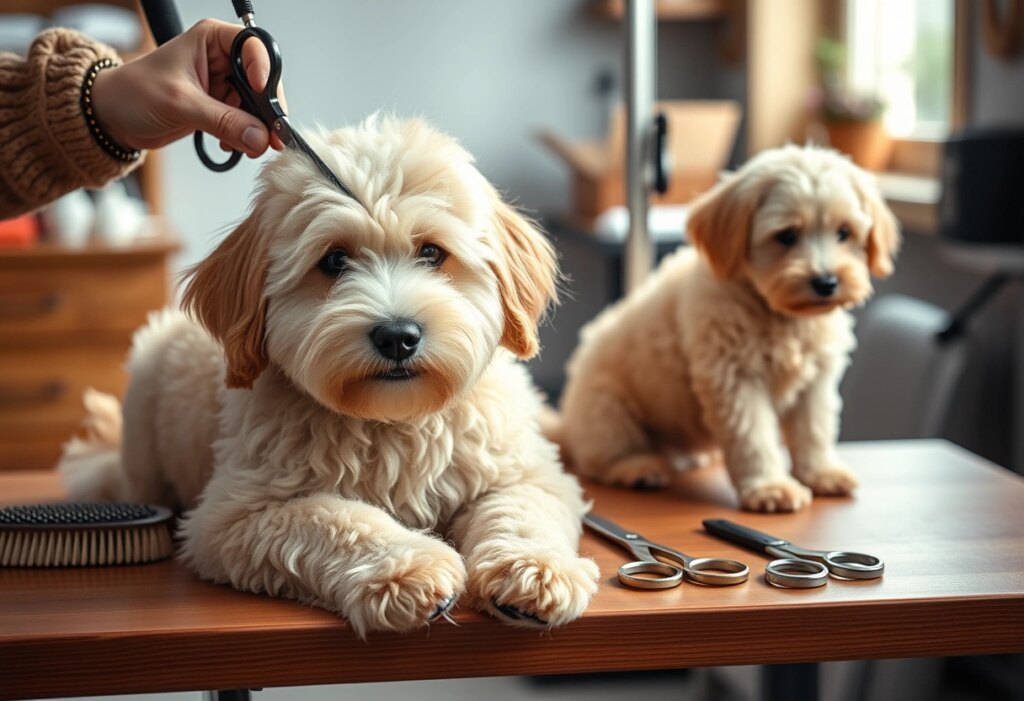
The teddy bear cut and the puppy cut both keep your Goldendoodle comfortable, but they call for two very different toolkits, and grabbing the wrong one means wasted money and a frustrated dog on the grooming table. If you’re trying to decide which style fits your routine, the real question isn’t just “which one looks cuter.” It’s about how much brushing, clipping, and shaping you’re willing to do between salon visits, and whether your gear at home can actually keep up.
I’ve groomed my own doodle mix through both styles over the years, and I can tell you the tool drawer looks completely different depending on which cut you’re maintaining. Let’s break down exactly what each style requires so you’re not stuck mid-groom realizing you own the wrong blade guard.
Puppy Cut vs Teddy Bear Cut: What’s Actually Different
The puppy cut is a short, uniform trim, usually around an inch or less all over the body, with a rounded but simple face trim. It’s the low-maintenance choice, popular with owners who want their Goldendoodle looking neat without daily brushing sessions. The teddy bear cut, on the other hand, keeps the body coat longer, typically one to two inches, with extra fluff and rounding around the face, ears, and paws to create that plush, stuffed-animal look Goldendoodles are famous for.
The face shaping is where the two styles diverge the most. A puppy cut face is trimmed close and even. A teddy bear cut face is sculpted with curved shears to build volume around the cheeks and muzzle, almost like shaping a hedge into a rounded topiary. That shaping takes more skill and more tools, which is why teddy bear cuts often cost a bit more at the groomer and demand more upkeep at home.
Maintenance frequency tells the real story. A puppy cut can often stretch six to eight weeks between trims because there’s so little length to manage. A teddy bear cut needs brushing several times a week and touch-up trims closer to every four weeks, since longer fur mats faster and loses its shape sooner.

Why Goldendoodle Coats Mat So Easily
Most Goldendoodles carry what’s called the furnishings gene, inherited from their Poodle parent. This gene produces the curly, wavy, low-shedding coat that makes doodles so popular with allergy-sensitive households, but it also means loose undercoat hair gets trapped inside the curl instead of falling out naturally. According to research summarized by the Institute of Canine Biology, this furnishings trait (often labeled the IC or F allele) is directly tied to the mat-prone texture doodle owners deal with constantly.
Without brushing down to the skin at least a few times a week, that trapped hair felts together into mats, sometimes within days. This is true whether you’re maintaining a puppy cut or a teddy bear cut, but the risk climbs with length. Longer teddy bear coats give mats more room to form before you even notice them forming.
Brushing isn’t optional maintenance for a doodle coat, it’s the thing standing between a fluffy teddy bear look and a matted mess that needs to be shaved down to the skin. Skip a few days and you’re not saving time, you’re borrowing trouble.
Tools You Need for the Puppy Cut
The puppy cut is built around clippers, not scissors, which keeps the process fast and forgiving for beginners. Here’s what actually gets used:
- Single-coat clippers with a #4 or #5 blade guard: These guards leave roughly 3/8 to 1/2 inch of length, the classic short puppy cut look.
- Slicker brush: Used before clipping to remove loose undercoat and prevent the clipper blades from snagging on tangles.
- Undercoat rake: Pulls out dense underlying fur that a slicker brush can’t reach, especially around the hindquarters and neck.
- Rounded-tip scissors: For light face and paw detailing that clippers can’t shape precisely.
Because the puppy cut is shorter overall, you can get away with a simpler tool kit and less frequent grooming sessions. If you’re weighing whether to handle this yourself or leave it to a professional, our guide on whether you can groom your own Goldendoodle with the right grooming kits walks through what a realistic starter setup looks like.
Tools You Need for the Teddy Bear Cut
The teddy bear cut is scissor-heavy work, and that’s where the tool list gets longer and a little more specialized. To build that rounded, plush look, groomers typically rely on:

- Curved shears: These follow the natural roundness of the face and body, letting you blend length instead of cutting flat lines.
- Rounded facial scissors: Smaller and more precise, used to shape the muzzle, cheeks, and eyebrows into that signature fluffy bear face.
- High-velocity dryer: Fluff-drying is non-negotiable for this cut. It straightens the curl temporarily so you can see and cut an even length, which is impossible to judge on wet, clumped fur.
- Pin brush: Gentler than a slicker brush, it’s used daily on the longer coat to keep it separated and mat-free without pulling out too much undercoat volume.
Because the teddy bear cut keeps more length, coat maintenance between trims matters more here than with a puppy cut. A high-velocity dryer in particular is the tool most home groomers skip and regret, since air drying alone leaves the coat wavy and uneven, making precise scissor work nearly impossible. If you’re deciding between building this kit at home versus booking a professional, we’ve compared the full breakdown in our air dry versus blow dry guide for Goldendoodles.
While you’re setting up a dedicated grooming space, a lot of owners find it helps to have a comfortable spot nearby for the actual brushing sessions, since a teddy bear cut coat needs regular attention outside of trim days. Something like the Modern 360° Swivel Barrel Accent Chair, Teddy Fleece gives you a cozy place to sit while working through mats with a pin brush, and the soft fleece texture is a nice nod to the fluffy look you’re maintaining on your dog.

- 【360° Smooth Swivel Base】Enjoy effortless, full-circle movement with the 360-degree swivel base. This barrel accent chai…
- 【Plush Velvet Comfort & Ergonomic Support】Upholstered in soft, breathable velvet and filled with high-density foam, this…
- 【Strong Frame & Stable Base】Swivel accent chair is constructed with a wood frame and a widened conical metal base, this …
Puppy Cut vs Teddy Bear Cut: Tools and Cost Comparison
Here’s a side-by-side look at what each style demands, including a relative price tier for the core tools instead of exact dollar figures, since actual pricing shifts over time.
| Category | Puppy Cut | Teddy Bear Cut | Price Tier |
|---|---|---|---|
| Primary Tool | Clippers with #4/#5 guard | Curved shears + facial scissors | $$ to $$$ |
| Drying Method | Standard towel or low-power dryer | High-velocity dryer (fluff-drying) | $$$ to $$$$ |
| Daily Brush Type | Slicker brush + undercoat rake | Pin brush + slicker brush combo | $ to $$ |
| Coat Length Maintained | 3/8 to 1/2 inch | 1 to 2 inches | N/A |
| Trim Frequency | Every 6 to 8 weeks | Every 4 weeks | N/A |
| Skill Level Needed | Beginner friendly | Intermediate to advanced | N/A |
The American Kennel Club notes that professional Doodle grooming sessions typically run in a wide range every four to six weeks, and the teddy bear cut tends to land on the higher end of that range because of the extra shaping time involved. Over a year, that difference in visit frequency adds up, which is exactly why so many owners start looking into home grooming tools for whichever style they’ve settled on. If cost is the deciding factor for you, our comparison of professional groomer services versus at-home Goldendoodle grooming kits breaks down where the real savings show up.
Which Cut Actually Fits Your Routine
If you’re someone who brushes your dog once a week and calls it good, the puppy cut is going to be far less stressful for both of you. It forgives missed brushing days because there’s so little length for mats to grab onto. The teddy bear cut rewards owners who enjoy the grooming process itself, who don’t mind spending fifteen minutes with a pin brush most evenings, and who like the extra plush, rounded look enough to justify the upkeep.
Something I tell doodle owners often: pick the cut that matches the time you actually have, not the time you wish you had. A teddy bear cut on a coat that only gets brushed once a week turns into a matted coat within a month, and then you’re looking at a much shorter shave-down than you ever wanted.
On a lighter note, if you’re a fan of the whole teddy bear aesthetic that inspired this cut’s name, it shows up in more than just dog grooming. Plenty of doodle owners lean into the theme around the house, whether that’s cozy loungewear like the Vintage Manhattan Retro Sweatshirt for chilly grooming mornings, or small keepsakes such as the Vintage 925 Sterling Silver Articulated Teddy Bear Necklace that echo the same plush charm your Goldendoodle has after a fresh trim.


Key Takeaways
- The puppy cut is short and uniform, needing clippers with a #4 or #5 guard, while the teddy bear cut keeps one to two inches of length and depends on curved shears and rounded facial scissors.
- Goldendoodle coats mat easily because of the furnishings gene, so both cuts require regular brushing, though longer teddy bear coats need it more often.
- A high-velocity dryer is close to mandatory for the teddy bear cut, since fluff-drying is what allows even scissor work.
- Puppy cuts can stretch six to eight weeks between trims, while teddy bear cuts usually need touch-ups closer to every four weeks.
- Choosing between the two styles should depend on how much brushing time you realistically have each week, not just which look you prefer.
Frequently Asked Questions
What tools do I need to switch from a puppy cut to a teddy bear cut?
You’ll need to add curved shears, rounded facial scissors, and ideally a high-velocity dryer to your kit, since these are what shape and fluff the longer coat that a teddy bear cut requires. Your existing slicker brush can stay in rotation, but you should pair it with a pin brush for the added length.
Is the puppy cut goldendoodle style easier to maintain at home?
Yes, a puppy cut goldendoodle style is generally easier for beginners since it relies mainly on clippers with a set blade guard rather than freehand scissor shaping. It also forgives longer gaps between brushing sessions because there’s less length for mats to form in.
How often should I brush a teddy bear cut coat to prevent mats?
Aim for at least three to four brushing sessions a week, focusing on brushing all the way down to the skin rather than just skimming the surface. The furnishings gene common in Goldendoodles traps loose undercoat inside the curl, so surface brushing alone won’t stop mats from forming underneath.
Do dog grooming tools for the teddy bear cut cost more than puppy cut tools?
Generally yes. The dog grooming tools needed for a teddy bear cut, especially curved shears and a high-velocity dryer, tend to sit in a higher price tier than the basic clipper and guard setup used for a puppy cut. The tradeoff is a coat style that looks fuller and plusher, but at a higher upfront and ongoing maintenance cost.


