


An aggressive goldendoodle puppy is rarely being “bad.” Most of the time you’re looking at fear, overstimulation, or resource guarding showing up as growling, snapping, or hard bites, and the fix starts with reading the trigger correctly instead of reaching for punishment. I’ve worked with dozens of doodle families over the years, and the pattern is almost always the same: a sweet, goofy puppy suddenly hits a growth spurt around 12 to 20 weeks and starts snapping over toys, food, or handling. It feels scary. It’s also very fixable with the right approach.
This guide walks through why an aggressive goldendoodle puppy acts out, what to rule out medically first, and five training programs and products that actually move the needle. No shock collars, no dominance theory, just structured positive reinforcement that works with your puppy’s brain instead of against it.
Why Your Goldendoodle Puppy Is Acting Aggressive
Goldendoodles are bred from two breeds (Poodles and Golden Retrievers) that are naturally soft, people-focused, and sensitive to conflict. When a Goldendoodle puppy growls, snaps, or bites hard, it’s almost never dominance. It’s communication. Fear of an unfamiliar object, overstimulation after a long play session, or guarding a toy or food bowl are the three biggest triggers I see in consultations. The American Veterinary Society of Animal Behavior has been clear on this point for years: punishment-based correction, things like scruff shakes, alpha rolls, or yelling, tends to make aggression worse in adolescent dogs because it adds fear on top of the original trigger. You end up with a puppy who is both scared and defensive, which is a rough combination.
What actually works is identifying the trigger and desensitizing it gradually. If your aggressive goldendoodle puppy guards his food bowl, that’s resource guarding, and it responds well to hand-feeding exercises and trading games, not confrontation. If he snaps when you touch his paws, that’s likely fear or pain, not defiance. Watching body language (stiff posture, whale eye, tucked tail) before the growl even happens gives you the chance to redirect before things escalate.

Rule Out Pain or Health Issues Before You Start Training
Before assuming this is purely a behavioral issue, take your puppy in for a checkup. The ASPCA notes that sudden behavior change in puppies under a year old is frequently linked to teething discomfort or an undiagnosed illness, not a training gap. Goldendoodles go through a rough teething window between four and seven months, and a sore mouth makes a normally cheerful puppy irritable and snappy, especially around the face and ears.
Other physical culprits worth ruling out: ear infections (common in floppy-eared doodles), hip or joint discomfort, or gastrointestinal upset that makes them touchy around the belly. A quick vet visit costs you very little time and can save weeks of misdirected training if the root cause turns out to be medical. Once your vet clears your puppy, you can move forward knowing the aggression is behavioral and training will actually help.
The single biggest mistake I see with an aggressive goldendoodle puppy isn’t the growling itself, it’s the owner’s reaction to it. Punishing a growl teaches a puppy to skip the warning and go straight to the bite next time.
The Top 5 Training Programs and Products for Puppy Aggression
Once health issues are off the table, the real work is building bite inhibition, impulse control, and confidence through structured sessions. These five tools cover the gaps most doodle owners run into.
1. A Structured Progress Tracker
Consistency is everything when working through puppy aggression training, and most families lose momentum because they’re not tracking what’s working. The Beagle Training Journal: 90-Day Puppy Progress Tracker is built for exactly this. Even though it’s marketed toward Beagle owners, the daily log format works for any breed, letting you note triggers, what redirect worked, and how your Goldendoodle responded that day. Having a written record makes it much easier to spot patterns, like noticing your puppy only snaps during nail trims or right before nap time when he’s overtired.

2. A Guided Obedience System
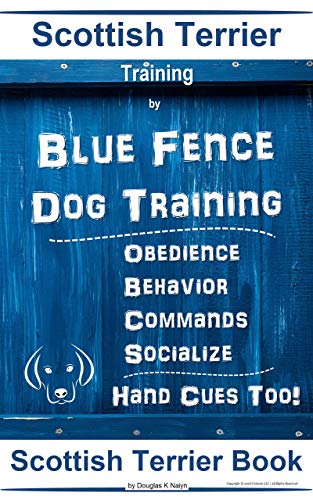
For families who want a step-by-step curriculum rather than piecing together advice from different sources, Scottish Terrier Training By Blue Fence Dog Training offers a structured obedience framework that translates well to any strong-willed puppy, doodles included. The program leans on positive reinforcement and impulse control drills, which directly address the frustration-based outbursts common in adolescent Goldendoodles. It’s a solid mid-tier investment for owners who want more hand-holding than a journal provides but aren’t ready for one-on-one private training.
3. A Behavior-Focused Reference Book
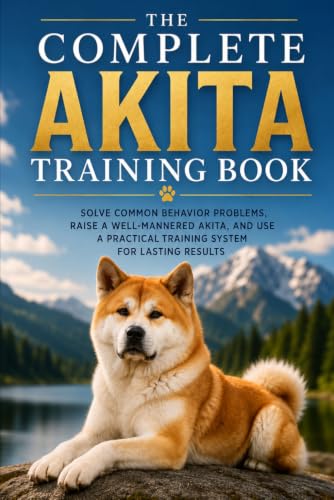
Some aggression cases need a deeper reference than a basic obedience course. The Complete Akita Training Book was written with a strong-tempered breed in mind, which actually makes it a great resource for the pushier, more independent streak some Goldendoodles inherit from their Poodle side. It covers resource guarding, leash reactivity, and fear-based aggression in more depth than most general puppy manuals, and the behavior troubleshooting chapters are worth the read even if you never train an Akita in your life.
4. Clicker Kits for Bite Inhibition
Clicker training gives your puppy a clear, consistent marker for good choices, which speeds up bite inhibition work dramatically. When your aggressive goldendoodle puppy learns that a soft mouth earns a click and a treat while a hard bite ends the game immediately, the lesson sinks in faster than verbal correction alone. Pair clicker sessions with short, frequent bursts (five minutes, several times a day) rather than one long session, since puppies lose focus fast.

5. Calming Aids and Enrichment Toys
A tired, understimulated puppy is a frustrated puppy, and frustration shows up as nipping and growling more often than owners expect. Rotating enrichment toys, snuffle mats, and appropriate chew items reduces that frustration-based aggression significantly. If biting during play or teething is a big part of your struggle, our guide on chew toys that stop biting breaks down which textures and shapes actually redirect a mouthy puppy instead of escalating the game.
Comparing the Top 5 Training Tools
| Product/Program | Best For | Key Feature | Price Tier |
|---|---|---|---|
| Beagle Training Journal (90-Day Tracker) | Tracking triggers and progress | Daily log format, pattern spotting | $ |
| Blue Fence Scottish Terrier Training | Structured obedience curriculum | Step-by-step impulse control drills | $$$ |
| Complete Akita Training Book | Deeper behavior troubleshooting | Resource guarding and fear-aggression chapters | $$ |
| Basic Clicker Training Kit | Bite inhibition training | Clear positive marker for soft mouth | $ |
| Enrichment and Calming Toy Rotation | Reducing frustration-based aggression | Mental stimulation, chew outlet | $$ |
Building a Daily Routine That Prevents Relapse
Products alone won’t solve goldendoodle behavior problems, they need to sit inside a daily rhythm that gives your puppy predictable structure and enough downtime to actually decompress. A short training session in the morning, a walk or sniff outing midday, a rest period in a crate or quiet room in the afternoon, and a calm wind-down before bed covers most of what an adolescent doodle needs. Overtired puppies are far more likely to snap, so protecting nap time is not optional, it’s part of the treatment plan.
If handling issues are part of your aggression picture (nail trims, ear cleaning, brushing), avoid the temptation to physically force cooperation. That approach almost always backfires long-term. Instead, pair each handling step with a treat, go slowly, and stop before your puppy escalates. Consistency across every family member matters here too. If one person tolerates jumping and mouthing while another corrects it harshly, your puppy gets mixed signals that fuel more anxiety and more aggression. For families still working through mouthing and nipping specifically, our breakdown of the best chew toys to stop aggressive puppy biting pairs well with the training programs above.
For general guidance on why physical corrections backfire and what to do instead, the American Kennel Club has solid science-backed resources on redirecting bite behavior in young dogs. Their guidance lines up with what most positive-reinforcement trainers recommend for adolescent doodles specifically.
Frequently Asked Questions
Is it normal for a Goldendoodle puppy to be aggressive?
Some level of growling, snapping, or resource guarding is common during the adolescent stage, especially between four and eight months. An aggressive goldendoodle puppy is usually reacting to fear, overstimulation, or a specific trigger rather than showing true dominance-based aggression, and most cases improve significantly with consistent positive-reinforcement training.
At what age does Goldendoodle aggression usually peak?
Most owners notice the biggest spike in pushback, guarding, or snapping between four and seven months, which lines up with the teething window and early adolescence. This is when structured puppy aggression training makes the biggest difference, since the puppy is still highly responsive to redirection.
Should I punish my Goldendoodle puppy for growling?
No. Punishing a growl removes the warning signal without addressing the underlying fear or frustration, which often leads to a puppy skipping straight to a bite next time. Positive-reinforcement based dog training programs that reward calm behavior and redirect triggers tend to produce faster, longer-lasting results.
When should I call a professional trainer for an aggressive Goldendoodle puppy?
If your puppy’s aggression involves repeated hard bites that break skin, escalates despite consistent training, or is paired with sudden personality changes, it’s time to bring in a certified professional trainer or veterinary behaviorist. A vet visit should also happen first to rule out pain, since an aggressive goldendoodle puppy can sometimes be reacting to an undiagnosed medical issue rather than a purely behavioral one.
A little structure goes a long way here. Between ruling out health issues, picking one or two of these training tools, and protecting your puppy’s rest schedule, most families see real improvement within a few weeks. And if things ever feel over your head, there’s no shame in calling in a professional. An aggressive goldendoodle puppy today can absolutely grow into a calm, well-mannered adult dog with the right groundwork now, and for more on gentler correction methods that actually stick, check out our piece on better training methods than nose tapping.


