


Boiled eggs for dogs are the move when your Doodle’s belly is already upset, and here’s why that matters more than it sounds. My apricot Goldendoodle, Biscuit, had a rough bout of GI upset last spring after sneaking a chunk of buttered toast off the counter. Our vet’s first instruction? Bland diet, and eggs were on the menu. But not just any eggs. The cooking method actually matters a lot more than most pet parents realize.
If you’ve ever stood in your kitchen wondering whether to boil or scramble an egg for your sick pup, you’re not alone. It’s a tiny decision that carries real weight for a dog’s digestive system.
The Upset Stomach Dilemma: Why Pet Parents Reach for Eggs
Eggs show up in nearly every bland diet recommendation vets hand out. They’re cheap. They’re packed with easily absorbed protein. And most dogs, even the pickiest Doodle mixes, will actually eat them without a fuss.
There’s also a practical reason eggs work so well during a GI flare-up: they’re gentle on a stomach that’s already inflamed and cranky. Unlike fatty table scraps or rich commercial treats, a plain egg doesn’t ask much of the pancreas or intestinal lining to break down.
That said, “plain” is the operative word. The second you introduce butter, oil, cheese, or seasoning, you’ve changed the entire equation. This is exactly where boiled eggs for dogs pull ahead of scrambled versions, and it’s a distinction worth understanding before you crack open that carton.
If your Doodle has recurring tummy troubles beyond a single bad day, it’s worth reading up on vet-recommended food options for sensitive stomachs so you’re not just treating symptoms one meal at a time.
Boiled Eggs for Dogs: The Gentle, No-Fat-Added Option
Hard-boiled eggs are about as close to a “neutral” food as you can get. No butter. No oil. No nonstick spray clinging to the pan. Just egg, water, and heat.
According to USDA FoodData Central, a plain hard-boiled egg contains roughly 5 grams of fat total, all of it naturally occurring in the yolk. Compare that to a scrambled egg cooked with a pat of butter or splash of oil, which can tack on an additional 4 to 5 grams of fat per egg. That’s nearly double the fat load from a cooking choice alone, not from the egg itself.
For a Doodle recovering from diarrhea or vomiting, that difference isn’t trivial. A sensitive gut is already struggling to regulate digestion. Extra fat forces the pancreas to work harder, and that’s the last thing you want during a flare-up.
Boiled eggs for dogs are essentially a “clean slate” protein. No additives, no oils, no surprises. That predictability is exactly what a recovering gut needs.
Texture matters too. Boiled eggs hold their shape, which makes portioning simple. Mash one up with a fork and mix it into plain rice, and you’ve got a bland diet meal that takes four minutes to make. Seriously.

Dogs with chronic pancreas sensitivity benefit from this low-fat approach long term, not just during a flare. If your Doodle has had repeat episodes, it’s worth reading how vets approach pancreatitis and egg-based bland diets for dogs prone to recurring flare-ups.
Scrambled Eggs for Dogs: When Butter or Oil Becomes a Problem
Scrambled eggs aren’t inherently dangerous. The issue is almost never the egg. It’s what gets added on the way to the plate.
Most people scramble eggs in butter, oil, or bacon grease out of habit. It’s muscle memory from making your own breakfast. But that same habit, applied to a dog’s bowl, can backfire fast. The ASPCA Animal Poison Control Center specifically flags fatty table foods as a leading trigger for acute GI upset and pancreatitis flare-ups in dogs, right alongside things like fried foods and greasy meat trimmings.
Here’s the catch. Even a small amount of added fat can be enough to tip a sensitive Doodle into a worse flare, not a better one. Breeds with naturally fattier coats and food-driven personalities (looking at you, Labradoodles) are notorious for begging their way into trouble, and well-meaning owners sometimes make it worse by cooking “special” scrambled eggs loaded with butter as a treat.
Salt is another sneaky offender. A dash of salt and pepper might seem harmless, but added sodium puts unnecessary strain on a dog’s kidneys and can worsen fluid loss during a bout of diarrhea. If you’re trying to manage sodium intake for an older or health-compromised Doodle, something like The Ultimate DASH Diet & Low Sodium Meal Plan can actually be a useful human-side reference for understanding how sodium creeps into “simple” meals without anyone noticing. I flipped through it myself while rethinking how much salt sneaks into our own kitchen habits, and it reframed how I cook eggs for the whole household, dog included.
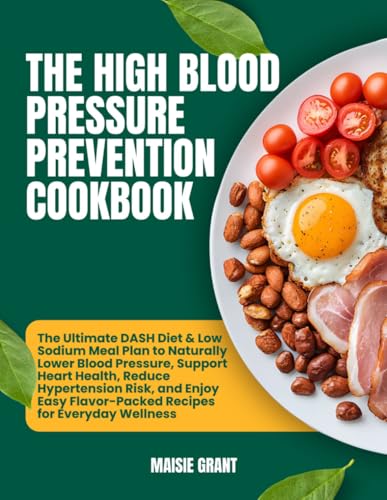
Fair warning: this isn’t a dog product, and I’m not pretending it is. But if you’re the type of pet parent who overhauls the whole kitchen routine when your dog gets sick (guilty), it’s a surprisingly handy side reference for spotting hidden sodium and fat in “harmless” recipes, including the eggs you make for yourself.
Which Is Actually Safer for an Upset Stomach?
Let’s put it side by side. When you’re comparing boiled eggs for dogs against scrambled eggs for dogs, the differences aren’t subtle once you line them up.
| Factor | Boiled Eggs | Scrambled Eggs (with butter/oil) | Price Tier |
|---|---|---|---|
| Added Fat | None (0g extra) | 4-5g extra per egg | $ |
| Cooking Method | Boiled in water only | Pan-cooked, often with fat | $ |
| Additive Risk | Low (none needed) | High (butter, oil, salt, seasoning) | $$ |
| Portion Control | Easy to mash and measure | Harder to track added fat per bite | $ |
| Best Use Case | Active GI upset or pancreatitis history | Occasional treat for healthy dogs only | $ |
The takeaway here isn’t complicated. For an upset stomach specifically, boiled eggs for dogs win on nearly every front. Scrambled eggs aren’t “bad” in general, but they’re a poor choice during active digestive distress because the margin for error (fat, salt, seasoning) is too wide.
Smaller Doodle mixes, like Mini Poodles crossed into toy-sized hybrids, are especially sensitive to this margin. Their smaller digestive tracts process excess fat even less efficiently. If you’ve got a petite Doodle, it’s worth pairing bland diet knowledge with a broader look at small breed sensitive stomach food options so flare-ups become less frequent overall.
Vet-Approved Serving Tips: How to Add Eggs to a Bland Diet Safely
Keep it boring. Boring is good here.

Boil the egg fully. No soft yolk, no runny center. Fully cooked reduces any bacterial risk and makes digestion easier on an already irritated gut.
Mash it with a fork once it’s cooled. No shell bits. No chunks big enough to choke on. Smooth and simple.
Mix it into plain white rice, roughly a one-to-two ratio of egg to rice for a medium-sized Doodle. Skip the butter entirely. Skip the salt too.
Start small. A tablespoon or two for a 40-pound dog is plenty for a first bland diet meal. Watch how they handle it over the next few hours before feeding a full portion.
Call your vet if vomiting continues past 24 hours, if there’s blood in the stool, or if your dog seems unusually lethargic or refuses water. Bland diets like boiled eggs for dogs are meant to be a short-term bridge, not a long-term fix. If symptoms drag on past two or three days, that’s your cue to get professional eyes on the situation rather than keep experimenting at home.
One more thing worth mentioning, somewhat unrelated but genuinely funny in hindsight: during Biscuit’s recovery week, I kept a little CSCPNRA 6pcs Portable Hot Sauce Keychain Bottles set on hand, not for the dog obviously, but because I was eating the same bland rice-and-egg combo myself out of solidarity (don’t ask). Having tiny squeeze bottles for my own seasoning meant I never accidentally reached for the salt shaker near his food prep area. Small kitchen habit, but it helped keep his bowl additive-free during a week when cross-contamination felt like a real risk.

- SET OF 6 MINI BOTTLES: Includes 6 portable keychain bottles, each holding 2oz/50ml of your favorite sauces.
- VERSATILE USE: Perfect for hot sauce, ketchup, gravies, marinades, and more, keeping condiments handy anywhere.
- REFILLABLE DESIGN: Easy-to-fill bottles can be reused repeatedly, making them ideal for travel and daily on-the-go use.
The bottles themselves are tiny, maybe two inches tall, with a screw-top lid that doesn’t leak in a bag. Grip texture is a bit slick when wet, which is a minor annoyance if your hands are soapy mid-prep. But as a cheap way to physically separate “human seasoning” from “dog food prep zone,” it worked better than I expected.
For pet parents who like structured nutrition tracking in general, even on the human side of the house, a resource like the Carnivore Diet Success Guide: A Comprehensive High-Protein book offers a useful mental framework for thinking about protein-first eating, which happens to mirror a lot of what vets recommend for bland, protein-forward dog meals during recovery.
It’s not a dog nutrition book, so don’t expect vet citations in there. But flipping through it did reinforce why plain, high-protein, low-fat meals (eggs included) tend to settle a stressed digestive system faster than anything heavily processed or fatty.
For broader guidance on canine digestive health and nutrition standards, the American Kennel Club offers additional vet-reviewed resources worth bookmarking.
Frequently Asked Questions
My Doodle refuses plain boiled eggs. What should I do?
Try warming the mashed egg slightly, body temperature works best, since cold food straight from the fridge is less appealing to a dog with a queasy stomach. You can also mix in a small spoonful of plain, unsalted bone broth to boost the smell without adding fat or sodium. If your Doodle still refuses after two attempts, skip eggs for that meal and offer plain boiled chicken breast instead.
Can I give boiled eggs for dogs every day during recovery?
Yes, for a short recovery window of three to five days, daily boiled egg portions mixed with rice are generally fine for most adult Doodles. Beyond a week, transition back to their regular diet gradually, mixing in increasing amounts of their normal food over two to three days to avoid a second stomach upset from switching too fast.
What if my dog’s stomach gets worse after eating scrambled eggs?
Stop feeding scrambled eggs immediately and switch to plain boiled eggs or plain rice alone for the next meal. If vomiting or diarrhea worsens within six hours, withhold food for that period (water stays available) and contact your vet, since this can indicate the added fat triggered a pancreatitis flare rather than simple dietary upset.
How many boiled eggs can a Doodle safely eat per day?
For most medium to large Doodles (Standard Goldendoodles or Bernedoodles), one whole boiled egg per day during a bland diet phase is a reasonable upper limit. Toy or Mini Doodles should stick to half an egg or less, since their smaller body size processes excess protein and cholesterol less efficiently than larger breeds.
Boiled eggs for dogs remain the safer, simpler choice whenever your Doodle’s stomach is already struggling, and the fat-free cooking method is the whole reason why. Keep it plain, keep portions modest, and keep your vet in the loop if things don’t improve within a day or two. Sometimes the most boring meal in the bowl is exactly what a sick pup needs.


