

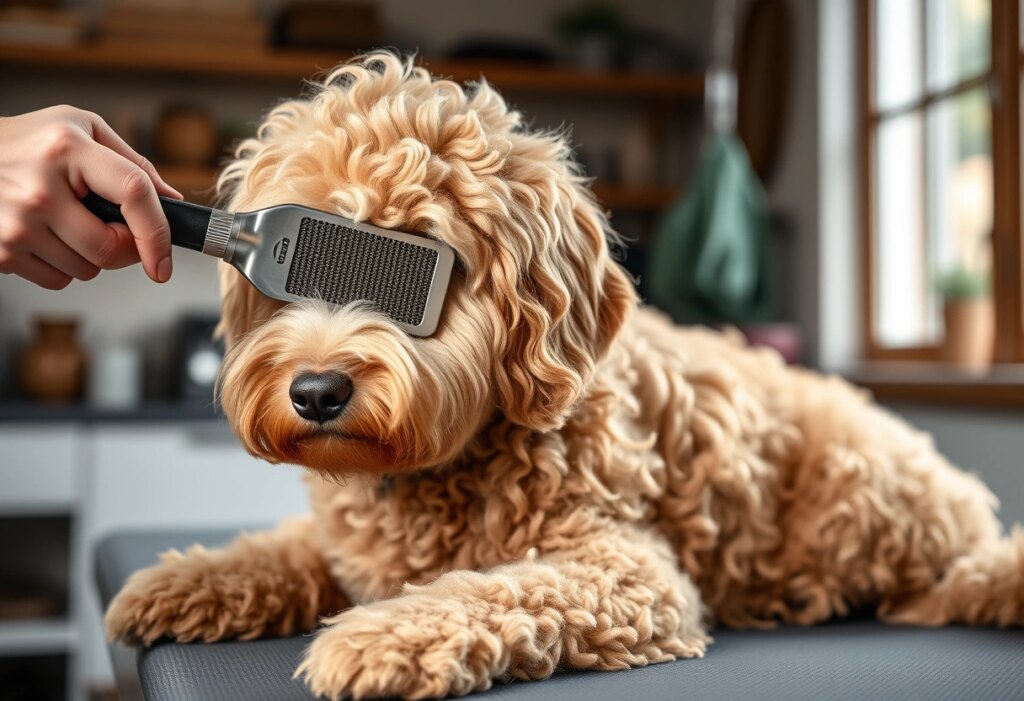
A detangling brush works best on Doodle coats when it combines wide-set, rounded pins with a slicker-style head, since that combination glides through curls without yanking on tender skin. If you’ve ever watched your Doodle flinch or wriggle away the second you pull out a brush, you’re not imagining the drama. Mats hurt, and dogs remember which tools cause pain.
That flinch response is a real signal, not stubbornness. A poorly chosen brush can turn a five-minute grooming session into a wrestling match, and repeated bad experiences make dogs dread the whole routine. The good news is that the right detangling brush changes everything, turning grooming into something closer to a scratch session your Doodle actually leans into.
This guide walks through why Doodle coats knot up so fast, which brush and comb styles actually work on curly, wavy, and fleece textures, and how to build a de-matting routine that keeps your dog comfortable. We’ll also cover a few tool picks worth adding to your grooming kit, plus a safety checklist so you know exactly what to look for before you buy.
Why Doodle Coats Mat So Fast
Doodle coats aren’t just curly for looks. They’re a genetic mashup of the Poodle’s dense, non-shedding curl and the shedding double coat of whatever breed got crossed in, whether that’s a Golden Retriever, Labrador, or Bernese Mountain Dog. Depending on the generation (F1, F1B, or multigenerational), your dog might carry a wavy fleece coat, a tight curly coat, or something in between.
Here’s the problem with that genetics: non-shedding curly coats don’t release loose fur on their own the way a straight-coated dog’s does. Instead, dead hair gets trapped in the curl and tangles with the undercoat, forming mats that tighten every time your dog moves, rolls, or gets rained on. A doodle grooming brush has to work through both layers at once, which is harder than it sounds.
According to the American Kennel Club, dogs with non-shedding curly coats generally need brushing three to four times a week to stay ahead of matting. Skip a few sessions and those small tangles behind the ears or under the collar can turn into skin-tight mats within days, especially in humid weather or after swimming.
A mat isn’t just a cosmetic issue. Once it tightens against the skin, it can restrict airflow, trap moisture, and create the perfect environment for hot spots or bacterial irritation. Catching tangles early with the right detangling brush is genuinely a health measure, not just a grooming preference.
Slicker Brushes vs. Detangling Combs vs. Rakes
Not every tool works on every coat type, and using the wrong one is exactly why grooming turns into a fight. Slicker brushes have fine, closely spaced wire bristles that lift loose fur and break up small tangles near the surface. Detangling combs, especially wide-tooth ones, work deeper into the coat and are gentler on sensitive skin around the face and legs. Rakes have longer, sturdier teeth built to reach through a thick undercoat, which makes them useful for fleece and wavy coats that mat closer to the skin.

A quality dog detangling comb paired with a slicker brush covers most Doodle grooming needs, since the comb finds hidden knots the brush glides past. For dogs with looser, wavier fleece coats, a pin brush or a soft-bristle option can prevent breakage while still working through daily fluff.
Human detangling brushes have actually crossed over into dog grooming kits because their flexible bristle design is gentle enough for sensitive pups. The Paddle Detangling Hair Brushes use a flexible paddle head that bends slightly with pressure, which reduces the yanking sensation that makes dogs pull away mid-brush.

- Wide Comb Surface for Efficient Detangling :This detangler brush is designed specifically for women, the large comb surf…
- Scientifically Designed Teeth , Minimizing Pulling: The carefully designed teeth gently penetrate hair strands, effectiv…
- Comfortable Cushion & Warm Handle for a Scalp-Soothing Experience: A unique built-in cushion layer absorbs pressure duri…
Below is a quick comparison of how each tool type performs across the three most common Doodle coat textures.
| Tool Type | Best For | Curly Coat | Wavy Coat | Fleece Coat | Price Tier |
|---|---|---|---|---|---|
| Slicker Brush | Surface tangles, loose fur removal | Good | Excellent | Good | $$ |
| Wide-Tooth Detangling Comb | Deep knots, sensitive areas | Excellent | Good | Excellent | $ |
| Undercoat Rake | Dense undercoat, seasonal shedding | Fair | Good | Excellent | $$$ |
| Flexible Paddle Brush | Gentle daily maintenance | Good | Excellent | Good | $$ |
| Mat Splitter Comb | Established mats, pre-mat removal | Excellent | Fair | Good | $$ |
If you’re outfitting a full grooming station rather than buying tools one at a time, it’s worth comparing options laid out in 7 Best Goldendoodle Grooming Tools for Curly Coats, which breaks down brush, comb, and clipper combinations by coat density.
Building a De-Matting and Prevention Routine
The technique matters as much as the tool. Professional groomers use a method called line brushing, where you part the coat in thin sections and brush from the skin outward, rather than skimming across the top layer. Skimming feels faster, but it misses the mats forming closest to the skin, which are the ones that actually hurt.
Here’s a simple routine to follow at home:
- Start with a wide-tooth dog detangling comb to locate any knots before brushing.
- Part the coat into small sections, about one inch wide, and brush each section from root to tip.
- If you hit a mat, hold the base of the fur near the skin to reduce pulling, then work the mat loose with your fingers before combing.
- For stubborn mats, use a mat splitter or mat removal comb with fine blades to slice through the tangle in small sections rather than tugging it out whole.
- Finish with a slicker brush to smooth the coat and check for missed spots.
A study published in the Journal of Veterinary Behavior found that grooming-related stress showed up in roughly 62 percent of double-coated and curly-coated dogs when improper tools or rushed techniques were used. That statistic lines up with what most groomers already know: dogs aren’t afraid of grooming itself, they’re afraid of pain from tools that pull instead of glide.

Kids’ detangling brushes have quietly become popular in dog grooming circles for this exact reason. Products like the Frida Detangling Hairbrush for Kids are designed with flexible bristles specifically engineered for thick, curly hair that tangles easily, and the same gentle flex works well on a Doodle’s curl pattern without snapping fur.

- WIDE-TOOTH COMB: Features a unique combination of wide-tooth combs and flexible bristles, making it perfect for thick or…
- NO PAIN DETANGLING: Designed to gently glide through stubborn tangles and knots without hurting the scalp, reducing brea…
- BREAKAGE PREVENTION: The brush’s special design helps minimize pulling and breakage, protecting delicate hair strands wh…
Make it a habit to check these five spots every session, since they mat first and get missed most often:
- Behind the ears, where friction from head shaking builds tangles fast
- Armpits and inner legs, where movement creates constant rubbing
- The base of the tail, often overlooked during quick brush-throughs
- Under the collar or harness line, where daily pressure packs fur tight
- Between the paw pads, which mats can pull and cause limping if ignored
If daily brushing at home isn’t keeping mats under control, it might be time to weigh professional grooming against building out your own kit. The comparison in Doodle Grooming Kit vs Groomer: Which Saves You Money? breaks down the actual time and cost tradeoffs so you can decide what fits your schedule.
Choosing a Brush for Puppies and Sensitive Dogs
Puppies and dogs with thin, sensitive skin need an even gentler touch than adult Doodles with a fully developed coat. A brush that’s too stiff can cause micro-irritation that makes a puppy associate grooming with discomfort from the very first session, which is a hard habit to undo later.
Novelty-style kids’ brushes with soft, flexible bristles and rounded tips work surprisingly well here. The Personalized Blue Cute Cloud Elephant Detangler Hair Brush has a lightweight handle and soft bristle tips designed for a child’s scalp, which translates well to a puppy’s more delicate fur and skin during early grooming introductions.
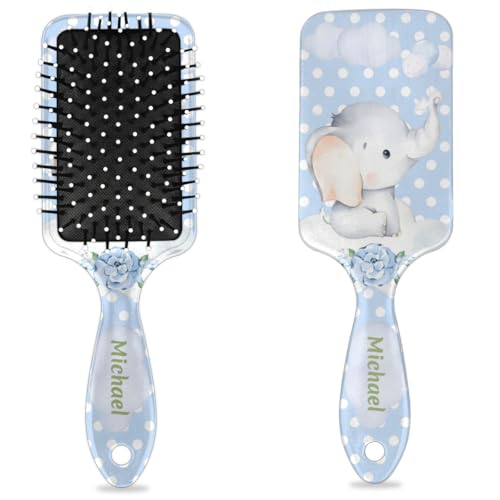
- Custom: Support name customization. This cute air cushion comb is very practical and memorable as a unique gift for boys…
- Health: Promote blood circulation, can relieve fatigue, good for hair health
- Applicability: This kids anti-tangle hair brush is suitable for all hair types, including curly, thick, wet and dry hair
Starting puppies on short, positive sessions with a gentle detangling brush builds the foundation for a lifetime of cooperative grooming. Pair each session with treats and calm praise, and keep early sessions under five minutes so the experience stays positive rather than exhausting.
Safety-First Buying Checklist
Before you add another tool to your cart, run it through this quick checklist. It applies whether you’re shopping for a basic detangling brush or a full grooming kit.
- Pin spacing: Wider spacing works better on curly and fleece coats; tighter spacing suits wavy coats with finer fur.
- Rounded tips: Sharp or exposed metal pin tips can scratch skin, especially around the face, ears, and belly.
- Ergonomic grip: A comfortable handle reduces hand fatigue, which matters if you’re line brushing a large Doodle for 20 minutes.
- Flexible head or bristles: Slight give in the brush head reduces pulling force on tangled fur.
- Easy-clean design: Removable bristle beds or self-cleaning brushes save time and reduce buildup of trapped fur and dirt.
Coat texture, dog size, and how often you can realistically groom should all factor into which doodle grooming brush ends up in your cart. There’s no single perfect tool for every Doodle, but there’s almost always a better-matched one than whatever’s currently causing the daily struggle.
Frequently Asked Questions
What is the best detangling brush for a Doodle with curly hair?
A wide-tooth detangling comb paired with a flexible slicker brush tends to work best on curly Doodle coats. The comb finds knots close to the skin while the slicker brush smooths the outer layer, and using both together in a line-brushing pattern prevents the small tangles that turn into painful mats.
How often should I brush my Doodle to prevent matting?
Most Doodles with non-shedding curly or wavy coats need brushing three to four times a week, and daily brushing is even better for dogs with dense fleece coats or those who swim or play outside often. Skipping more than a few days in a row usually leads to tangles tightening into mats.
Can a dog detangling comb remove mats without shaving?
A dog detangling comb combined with a mat splitter can remove small to medium mats without a full shave down, especially if caught early. Once a mat is tight against the skin and covers a large area, though, shaving is often the safer and less painful option for your dog.
Is it safe to use a human detangling brush on a dog’s coat?
Many human detangling brushes, especially those designed for thick or curly hair, are gentle enough for dog coats and are increasingly used by groomers for sensitive dogs and puppies. Just check that the bristle tips are rounded and that the brush size is appropriate for your dog’s coat density before making it a regular tool.
Grooming should never feel like a battle you’re bracing for. With the right detangling brush, a consistent routine, and a little patience during those first few sessions, most Doodles learn to tolerate, and eventually enjoy, the process. Keep an eye on those trouble spots, choose tools built for gentle contact, and your dog’s coat (and trust in you) will stay in much better shape.


