


Watching your Goldendoodle lunge, growl, or snap at another dog on a walk is scary, and if you’re feeling a mix of embarrassment, worry, and confusion right now, you’re not alone. Here’s the direct answer: dog aggression towards dogs in Goldendoodles is almost always manageable with the right combination of training, tools, and patience. It is rarely a permanent character flaw, and it’s rarely a sign that your dog is “bad.” The ASPCA points out that fear and poor early socialization are among the top drivers of inter-dog reactivity, which means most of this behavior is rooted in anxiety rather than dominance.
That distinction matters because it changes how you fix it. This guide walks through why your Goldendoodle might be reacting to other dogs, a practical prevention and management protocol you can start this week, a comparison of muzzles and calming tools, and guidance on when it’s time to call in a certified trainer or veterinary behaviorist. By the end, you’ll have a clear, safety-first action plan instead of just panic.
Why Is My Goldendoodle Showing Aggression Towards Other Dogs?
Before jumping into fixes, it helps to know what’s actually driving the behavior. Dog aggression towards dogs is a symptom, not a diagnosis, and the underlying cause shapes the treatment plan. Most Goldendoodles displaying reactivity fall into one or more of these categories.
- Fear-based reactivity: The most common trigger. Your dog isn’t trying to start a fight, they’re trying to create distance from something that feels threatening.
- Resource guarding: Toys, food, or even a favorite person can trigger defensive aggression when another dog gets too close.
- Leash frustration: Some Goldendoodles are actually friendly off-leash but become frantic and snappy on-leash because they can’t approach dogs the way they want to.
- Lack of early socialization: According to the American Veterinary Society of Animal Behavior (AVSAB), the critical socialization window closes around 16 weeks of age. Puppies who miss varied, positive exposure to other dogs during this period are more prone to reactivity later in life.
- Pain or discomfort: Chronic ear infections, joint pain, or other undiagnosed issues can make a normally social dog snippy and irritable around other animals.
If your Goldendoodle seems unusually cranky or reactive and you’ve also noticed head shaking or ear scratching, it’s worth ruling out chronic irritation first. Recurring ear problems are common in the breed and can quietly fuel a short temper. Our guide on choosing the best Goldendoodle ear cleaner for recurring infections is a good place to start if that sounds familiar.
Reactivity is communication, not misbehavior. A Goldendoodle barking and lunging at another dog is almost always saying “I’m uncomfortable,” not “I want to fight.” Treating the emotion behind the behavior gets you further than punishing the behavior itself.
Step-by-Step Prevention and Management Protocol for Reactive Dog Training
Solid reactive dog training doesn’t happen overnight, but it does follow a predictable structure. Think of this as your working checklist, something you can realistically apply on this week’s walks.
- Muzzle condition first, not last. Introduce a muzzle before you need it in an emergency. Pair it with treats and short, positive wearing sessions so it becomes a neutral (even enjoyable) piece of gear rather than a punishment.
- Use structured decompression walks. Long-line walks in quiet, low-stimulation areas (empty fields, quiet trails) let your Goldendoodle sniff, explore, and burn nervous energy without the pressure of passing dogs.
- Practice threshold distance training. Find the distance at which your dog notices another dog but doesn’t react. Reward calm behavior at that distance, then gradually shrink the gap over many sessions.
- Layer in positive reinforcement counter-conditioning. Pair the sight of another dog with something wonderful, high-value treats, a favorite toy, or praise, so the emotional association shifts from “threat” to “good things happen now.”
- Keep sessions short and end on success. Five focused minutes of progress beats thirty minutes of frustration for both of you.
Consistency matters more than intensity here. Ten short, well-managed sessions a week will move the needle faster than one long, stressful outing.

Muzzle Conditioning: A Practical Safety Layer for Aggressive Behavior
A muzzle isn’t a punishment or a sign of a “dangerous dog.” It’s a management tool that buys everyone, your dog, other dogs, and other owners, some breathing room while training progresses. For Goldendoodles specifically, a lightweight, breathable option tends to work best since the breed can overheat quickly, especially in warmer months.
The DoggieKit Dog Muzzle, Soft Printed Mesh Puppy Muzzle is a good entry point for owners just starting muzzle conditioning. It’s soft, breathable, and less intimidating in appearance than a hard basket muzzle, which can help nervous dogs (and self-conscious owners) ease into the habit before graduating to a more heavy-duty basket style for higher-risk situations.

- Breathable & Lightweight Material: This printed dog muzzle combines soft, breathable mesh with lightweight yet durable c…
- Upgraded Escape-Proof Neck Design: This puppy muzzle features our upgraded escape-proof elastic neck collar, which comfo…
- Adjustable Snout & Head Strap: This dog mussel enables a securely customized fit for your pup through dual-point snout a…
When introducing any muzzle, go slow. Let your dog sniff it, drop treats inside it, and only fasten it for a few seconds at first. Rushing this step is the most common reason muzzle training fails.
Calming Tools That Support Dog Aggression Towards Dogs Training
Training and management tools work better when your Goldendoodle’s baseline stress level is lower. That’s where calming aids come in, they’re not a fix on their own, but they can take the edge off during the learning process.
Pheromone diffusers mimic the calming chemical signals a mother dog produces for her puppies, and many owners notice a reduction in general anxiety and reactivity when using them consistently at home. The NAKESY Dog Calming Pheromones Diffuser 6 in 1 Kit is worth considering as a supplementary tool alongside your dog aggression towards dogs training plan, particularly for dogs that seem anxious even in the home environment, not just around other dogs.

- 6 IN 1 DIFFUSER KIT – VETERINARY RECOMMENDED: The dog calming diffuser kit includes 2 diffuser head and 4 x 48ml refills…
- COVERS 700 SQUARE FEET: The dog calming pheromone diffuser effectively covers areas up to 700 square feet, providing con…
- EFFECTIVE CALMING WITHIN TWO WEEKS: The dog pheromones calming diffuser’s unique pheromone technology helps calm 90% of …
Keep in mind that calming tools support the nervous system, they don’t teach new skills. Pair them with the threshold distance and counter-conditioning steps above for real, lasting change.
Redirecting Energy: Scentwork and Structured Activities
A tired, mentally satisfied Goldendoodle is a calmer Goldendoodle. Reactivity often gets worse when a dog is understimulated and pent up, so giving that brain something productive to do can lower overall reactivity levels.
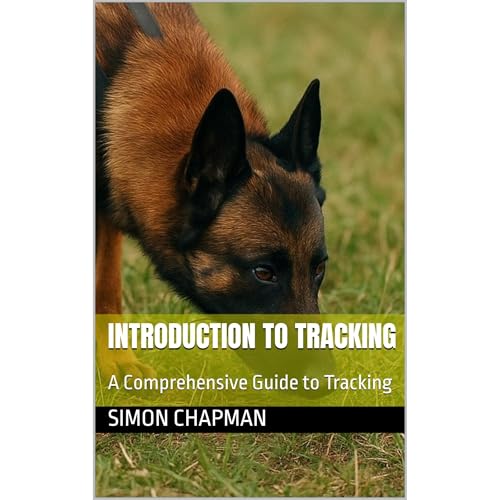
Scent-based activities like tracking are especially good for reactive dogs because they’re inherently calming, solo-focused, and don’t require close contact with other dogs. If you want a structured way to introduce this at home, the Introduction to Tracking: A Comprehensive Guide to Tracking walks through beginner tracking exercises that channel your dog’s nose and focus into something constructive instead of fixating on other dogs.
Dog Muzzle for Aggression: Basket vs. Grooming vs. Calming Tools Compared
Not every tool serves the same purpose, and mixing them up can lead to disappointment or, worse, a false sense of security. Here’s how the main options stack up against each other for a Goldendoodle working through reactivity.

| Tool Type | Best For | Pros | Cons | Price Tier |
|---|---|---|---|---|
| Basket Muzzle | Active reactivity, walks, vet visits | Allows panting, drinking, and treats; strong safety barrier | Takes longer to condition; looks intimidating to some owners | $$ |
| Soft Mesh/Grooming Muzzle | Short-term restraint, grooming, nail trims | Lightweight, less visually intimidating, easy to introduce | Not ideal for long wear; limited panting room in heat | $ |
| Pheromone Calming Diffuser | General home anxiety, background stress | Passive, no handling required, supports other training | Not a standalone fix; effects vary by dog | $$ |
| Scentwork/Tracking Kit | Understimulated or high-energy reactive dogs | Builds focus, burns mental energy, reduces frustration | Requires owner time and consistency to see results | $$ |
A basket muzzle is generally the better long-term investment for actual dog muzzle for aggression use during walks, since it lets your dog breathe freely and even take treats mid-session. Soft mesh muzzles are better suited to brief, controlled moments like a vet exam rather than an hour-long walk near other dogs.
Goldendoodle Behavior Training: When to Call a Certified Trainer or Behaviorist
Most mild to moderate reactivity responds well to consistent home management and Goldendoodle behavior training using the steps above. But there’s a point where DIY isn’t enough, and recognizing that point early can prevent an escalation.
Consider bringing in a certified professional dog trainer (look for CPDT-KA or similar credentials) if:
- Your dog’s reactivity is getting worse despite consistent training over several weeks.
- There’s been an actual bite or injury to another dog or person.
- You feel unsafe or unsure how to read your dog’s body language.
- The reactivity extends beyond dogs to people, kids, or specific situations.
A veterinary behaviorist (a licensed vet with additional behavioral specialty training) becomes the right call when there’s a possibility of an underlying medical or neurological component, or when anxiety medication might be part of the solution. This is a different tier of support than a trainer and is especially worth pursuing if your Goldendoodle shows generalized anxiety beyond just other dogs, like noise phobias, separation distress, or unexplained irritability. Chronic ear pain, mentioned earlier, is one physical issue vets rule out first, so reviewing options like the ones in our Zymox vs. vet ear drops comparison for dog ear infection treatment can be a useful starting point if pain is suspected.
According to the American Veterinary Medical Association, aggression cases that involve bite history or escalating intensity should always include a veterinary evaluation to rule out pain or medical contributors before assuming the issue is purely behavioral.
Frequently Asked Questions
Is Goldendoodle aggression towards other dogs common, or does it mean something is wrong with my dog?
It’s more common than most owners expect, and it doesn’t mean your dog is broken or dangerous. Most cases of dog aggression towards dogs stem from fear, poor early socialization, or leash frustration rather than genuine hostility, and all three respond well to structured training.
How long does reactive dog training usually take to show results?
Many owners see noticeable improvement within four to eight weeks of consistent daily practice, though full comfort around other dogs can take several months. Reactive dog training is a gradual process, and progress often looks like fewer, shorter reactions rather than an overnight switch to calm behavior.
Will a dog muzzle for aggression make my Goldendoodle more anxious?
Not if it’s introduced properly. A dog muzzle for aggression should be conditioned slowly with treats and short wearing sessions so your dog associates it with positive experiences rather than restraint or punishment.
Can Goldendoodle behavior training fix aggression without medication?
Yes, most cases of Goldendoodle behavior training succeed through consistent management tools, counter-conditioning, and distance work alone. Medication is typically reserved for more severe, generalized anxiety cases and is only prescribed after a veterinary behaviorist evaluation.
The Safety-First Takeaway
Progress with a reactive Goldendoodle is rarely a straight line, and that’s normal. What matters is steady, gradual exposure, consistent use of management tools like muzzles and calming aids, and a willingness to bring in professional support when things plateau or escalate.
Your dog isn’t giving you a hard time on purpose, they’re struggling with something, and struggling is fixable. With patience, the right tools, and a clear plan, most Goldendoodles working through dog aggression towards dogs go on to enjoy calm, confident walks again.


