


A dog blow dryer moves far more air than the average human hair dryer, and that single difference is why your Goldendoodle’s coat dries faster and mats less when you use the right tool. If you’ve ever pointed your bathroom dryer at your pup and watched the curls tighten into little knots before your eyes, you already know the frustration. The fix isn’t a better brush or a fancier shampoo. It’s understanding what actually happens to curly and wavy hair shafts when heat and airflow don’t work together the right way.
Why Goldendoodle Coats Mat During Drying
Goldendoodle fur isn’t like human hair, and it definitely isn’t like a Labrador’s flat coat. Depending on the generation, most Goldendoodles carry a wavy or curly texture inherited from the Poodle side, which means the hair shaft itself has bends and twists built into it. Those bends act like tiny hooks. When the coat is wet, loose hairs and undercoat fluff catch on each other at every curve, and as water evaporates unevenly, the fibers pull tighter together instead of separating. This is exactly how mats form, often starting behind the ears, under the front legs, or around the tail where friction is highest.
A standard human hair dryer wasn’t built to deal with this. It relies mostly on concentrated heat to push moisture out, with a narrow nozzle that forces air into a tight stream. That narrow stream dries the surface hair quickly while leaving the undercoat damp, and the outer layer starts curling and shrinking around the still-wet inner layer. The result is a coat that looks dry on top but is quietly tangling underneath. A proper dog blow dryer takes a completely different approach, using high volumes of moving air to physically part the hair and blow water off the shaft rather than just heating it away.
Dog Blow Dryer vs Human Hair Dryer: Key Differences
The biggest gap between the two tools isn’t wattage, it’s airflow volume, measured in cubic feet per minute (CFM). A typical human hair dryer might produce strong heat but relatively low CFM, since it’s designed for short human hair, not a 50-pound dog with a dense double coat. A dedicated high velocity dog dryer pushes air at two to three times that volume, often with dual-motor designs that separate the heating element from the air-moving fan. That separation matters because it lets groomers use high airflow with little or no heat, which is much safer for a Goldendoodle’s sensitive skin.

Noise is another practical difference. High-velocity dryers are loud, and some dogs need a slow introduction to get comfortable with the sound. If your pup startles easily, look for models with adjustable speed settings so you can start low and work up. Coat care specialists who write about Goldendoodle grooming kits for at-home care generally recommend pairing a dryer with a slicker brush so you can brush while drying, which is the single best habit for preventing new mats from forming in the first place.
Setting up a dedicated drying station also makes the whole process less chaotic. A WAYASI Blow Dryer Holder Wall Mounted Hair dryer holder keeps your hands free to brush and section the coat instead of juggling the dryer at an awkward angle the whole time.
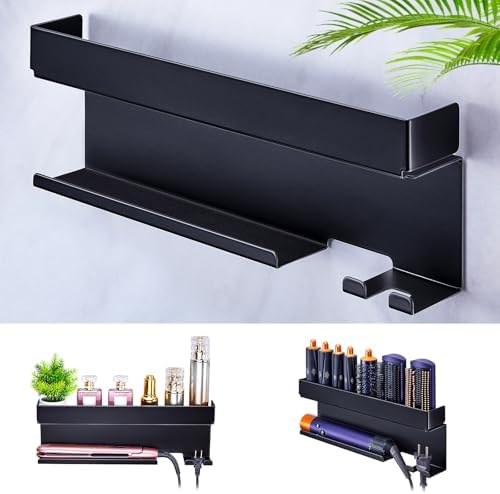
- NEAT AND TIDY: The self-adhesive hair dryer holder easily stores the 7-in-1 styler hair dryer, and the organized placeme…
- MULTIFUNCTIONAL STORAGE: WAYASI black hair dryer holder can accommodate more daily necessities. The upper layer can stor…
- DURABLE: This hair straightener holder wall mount is made of metal, which is rust and corrosion resistant and has good b…
Dog Blow Dryer vs Human Hair Dryer Comparison Table
| Feature | Dog Blow Dryer (High Velocity) | Human Hair Dryer | Price Tier |
|---|---|---|---|
| Airflow (CFM) | High, built to part thick or curly coats | Low to moderate, designed for scalp hair | $$$ |
| Heat Focus | Optional, motor and heat often separate | Heat-dependent to speed drying | $$ |
| Matting Prevention | Strong, air physically separates hair shafts | Weak, heat can tighten curls around moisture | $$$$ |
| Noise Level | Loud, adjustable on better models | Moderate, generally quieter | $$ |
| Best For | Wavy/curly Doodle coats, double coats | Occasional touch-ups, short coats | $ |
What the Data Says About Drying Time and Matting
The difference between these two tools isn’t just anecdotal. According to the American Kennel Club, high-velocity dryers can cut drying time for double and curly coats by up to 50 percent compared to standard dryers, largely because the forced air pushes water off the hair shaft instead of relying on heat to evaporate it slowly. For a Goldendoodle with a dense undercoat, that’s the difference between a 15-minute session and one that drags on for half an hour while mats quietly form underneath.
Professional groomers don’t reach for a high-velocity dryer because it’s trendy. They reach for it because it’s the fastest, safest way to get moisture out of a curly coat before it has a chance to tangle.
A 2021 grooming industry survey published by Groomer to Groomer magazine found that 78 percent of professional groomers use high-velocity or force dryers specifically to prevent matting in Doodle-type coats. That statistic lines up with what most groomers will tell you in person: a dog blow dryer isn’t a luxury item, it’s the piece of equipment that makes the rest of the grooming routine actually work. Without it, even a great brush and a good shampoo can’t stop mats from forming once the coat starts drying unevenly.
If you’re weighing the upfront investment against ongoing grooming costs, it helps to think about the math over time. Owners researching whether Goldendoodles are expensive to groom often find that a quality dryer pays for itself within a few months by reducing the number of professional de-matting appointments needed.

Step-by-Step Drying Technique to Prevent Mats
Having the right pet hair dryer is only half the equation. Technique matters just as much, especially with a Goldendoodle’s sensitive skin and dense coat.
- Brush before you turn on the dryer. Remove any existing tangles first. Drying over a knot only sets it tighter.
- Use the brush-while-drying method. Section the coat and run a slicker brush through each section as the airflow hits it. This keeps hair separated as it dries instead of clumping back together.
- Keep the nozzle six to eight inches from the skin. Any closer and you risk irritating sensitive areas like the belly, armpits, and ears.
- Choose low heat or no heat when possible. Goldendoodle skin can be reactive, and cool, high-volume air is gentler while still drying effectively.
- Work from the skin outward. Direct airflow against the direction of hair growth first to lift the undercoat, then smooth it down as it dries.
- Finish with a comb check. Run a metal comb through problem spots like behind the ears and under the tail to catch any missed tangles before they set.
This routine also works well as a maintenance step between full grooming appointments, especially if you’re experimenting with different lengths. Owners comparing a puppy cut versus a teddy bear cut for their Goldendoodle will notice that shorter cuts dry faster and mat less, while longer teddy bear styles need more careful brush-drying attention to stay tangle-free.
For dogs that get anxious around loud equipment, an enclosed drying option can make bath day much calmer. A Petsuper 75L Automatic Cat Dryer Box and 1.8L Wireless unit contains the noise and airflow in one space, which some smaller or more nervous Doodles tolerate better than a handheld dryer pointed directly at them.
Setting Up a Calm Drying and Grooming Space
Beyond the dryer itself, the environment you groom in affects how well your dog tolerates the process. A quiet, contained space with familiar bedding nearby helps a lot of Goldendoodles settle down faster, especially puppies who are still getting used to grooming routines. Some owners set up a small dedicated corner with a resting spot close by so the dog has somewhere calm to decompress between drying sections, similar in concept to an Acrylic Dog House, Clear Pet House, Small Animal Habitat that gives a smaller dog or puppy its own visible, secure space during longer grooming sessions.

- Built for Longevity: Constructed from high-clarity acrylic, this product is both sturdy and pet-safe for long-term use. …
- Full Visual Access: The clear design offers pets a full panoramic view of their surroundings, reducing anxiety by keepin…
- Modern Aesthetic: With a sleek, minimalist profile, this product blends well into modern interiors. It discreetly comple…
Whether you go with a budget-friendly handheld model or a premium investment in a dual-motor system, the goal stays the same: get water off the hair shaft quickly and keep the coat separated while it dries. That’s the whole reason a dog blow dryer outperforms a human hair dryer for this specific job, and it’s why so many Goldendoodle owners eventually make the switch after one too many mat-cutting sessions with scissors.
Making the Switch Worth It
If you’re on the fence about investing in a dedicated dog blow dryer, think about how much time you currently spend brushing out mats after a bath compared to how much time a faster, more thorough dry would save you. Most owners find the trade-off is worth it within the first few uses. Your goldendoodle grooming tools collection doesn’t need to be extensive, but a proper dryer earns its place right alongside a good slicker brush and a wide-tooth comb.
Frequently Asked Questions About Dog Blow Dryers for Goldendoodles
Can I just use my regular hair dryer on my Goldendoodle?
You can in a pinch, but it’s not ideal for regular use. A human hair dryer relies heavily on heat rather than airflow volume, which can dry the surface of the coat while leaving the undercoat damp. This uneven drying is a common cause of mats in curly and wavy Doodle coats. A dedicated dog blow dryer moves far more air and is generally safer and faster for this coat type.
How do I know if a dog blow dryer is too strong for my puppy?
Start with the lowest speed setting and keep the nozzle at least six to eight inches from the skin. Watch your puppy’s body language. If they flatten their ears, try to bolt, or seem overly stressed, pause and let them acclimate to the sound first without airflow directly on them. Most puppies adjust within a few sessions once they realize the sensation isn’t harmful.
Does a high velocity dog dryer really prevent mats better than towel drying?
Yes. Towel drying alone leaves a lot of residual moisture trapped close to the skin, and that moisture combined with friction is exactly what creates mats in curly coats. A high velocity dog dryer forces water off the hair shaft quickly and, when paired with brushing during the drying process, keeps hair separated so tangles don’t have a chance to form.
How often should I use a dog blow dryer on my Goldendoodle?
Most Goldendoodles only need a full bath and dry every three to six weeks, depending on activity level and coat length. Using a dog blow dryer every time you bathe your dog is the best way to prevent mats from building up between grooming appointments, especially for dogs with longer teddy bear style coats that are more prone to tangling.


