
Dog clippers for matted hair need more torque, wider blade gaps, and a lot more patience than the trimmers you’d use on a smooth-coated breed, and if you’ve ever tried to run a cheap clipper through a Doodle’s curls, you already know why. Doodle coats mat fast, especially behind the ears, under the collar, and in the armpits, and once those mats tighten up close to the skin, a weak motor just stalls, overheats, or worse, drags. I’ve spent months testing clippers on my own dog and talking to groomers about what actually holds up, so here’s my honest rundown of the five best options for 2026 and how to use them without turning bath day into a trip to the vet.
Why Standard Clippers Fail on Matted Doodle Coats
Most clippers sold for casual home use are built for straight or slightly wavy fur, not the dense, curly texture you get with a Poodle mix. The American Kennel Club notes that Poodle-mix coats mat quickly because their low-shedding, curly texture traps loose hair instead of releasing it, which means tangles build up in layers rather than falling out on their own. A clipper with a weak motor tries to push through those layers and either jams, yanks the hair, or heats up to the point where it’s uncomfortable against the skin. That’s why dog clippers for matted hair need higher torque motors and wider-set blades that can glide under a mat instead of chewing through it stall by stall.
This matters even more for owners who are trying to save money by skipping the groomer. If you’re weighing the math on that, our Goldendoodle grooming cost guide comparing groomer prices to DIY breaks down what you’re really saving (and what you’re risking) by clipping at home.
Key Buying Criteria for Matted Dog Clippers
Before you buy, it helps to know what separates a clipper that handles mats well from one that just frustrates you and your dog. A few things matter more than brand name here.

- Blade material: Ceramic blades stay cooler for longer stretches and resist rust, but steel blades sharpen easier and tend to cut through dense mats a bit more aggressively. Neither is universally better, it depends on how thick your dog’s coat gets between sessions.
- Motor speed (SPM): Strokes per minute is the real indicator of cutting power. Anything under 5,000 SPM will struggle on a heavily matted Doodle. Look for clippers in the 6,000 to 7,000 SPM range if mats are a recurring issue.
- Noise level: Doodles can be sound-sensitive, especially rescues or younger pups still getting used to grooming. A quieter motor makes the whole process less stressful for anxious dogs.
- Cordless runtime: Matted coats take longer to work through, so a clipper that dies after twenty minutes isn’t going to cut it (literally). Aim for at least 60 to 90 minutes of runtime per charge.
Blade guard sizing also plays a bigger role than people expect. If you’re clipping a smaller Doodle, our guide on choosing the best clippers for Mini Goldendoodle grooming at home covers guard sizes and body proportions in more detail.
Top 5 Dog Clippers for Matted Hair Reviewed
I tested these on thick mats behind the ears and around the collar, the two spots where Doodle coats tend to tangle first. Here’s how each one performed, plus where it falls on value.
| Clipper | Blade Type | Motor Speed | Best For | Price Tier |
|---|---|---|---|---|
| Laube Dirty Dog Cordless 2-Speed | Steel, detachable | High (2-speed, up to ~6,800 SPM) | Heavy, dense mats close to the skin | $$$$ |
| Histotree 2-in-1 Dematting/Deshedding Tool | Serrated stainless dematting blades | Manual (non-motorized) | Pre-clipper mat loosening, sensitive skin | $ |
| Ceramic-Blade Cordless Trimmer (generic mid-tier) | Ceramic | Moderate (~5,000 SPM) | Touch-ups and light mats between sessions | $$ |
| Professional 2-Speed Steel Clipper Kit | Steel, multiple guard combs | High (2-speed, ~6,000+ SPM) | Full-body trims with heavy matting | $$$ |
| Compact Cordless Trimmer for Face/Paws | Stainless steel, fine tooth | Low to moderate | Small mats around face, paws, and sanitary areas | $$ |
The Laube Dirty Dog Cordless 2-Speed Pet Grooming Clippers is the one I reach for when a mat has gotten close to the skin and I need real cutting power without a cord getting in the way. It’s a premium investment, no question, but the two-speed motor handles dense curl without stalling, and the cordless design means you’re not fighting a cable while maneuvering around a wiggly dog’s ears. If your Doodle’s coat tends to mat in tight clusters rather than loose tangles, this is the tool that gets through them cleanly instead of tugging.

- COMFORTABLE CONTROL: The Dirty Dog by Laube clippers are ergonomically designed for grooming professionals, veterinarian…
- UNMATCHED CLIPPER PERFORMANCE: Experience the Laube difference with the Dirty Dog’s all-new power, torque, and speed at …
- CORDLESS CONVENIENCE: Embrace the freedom of cordless grooming! Its lithium-ion battery TWIST N LOCK powerpack provides …
Before you even get to clippers, though, a lot of mats can be loosened with a manual tool first, which saves your blades and your dog’s patience. The Histotree Purple Yellow 2-in-1 Pet Dematting&Deshedding Tool is a budget-friendly pick that works the edges of a mat apart gradually, which means less resistance when you finally bring in the clippers. I use this as a first pass on any tangle that’s more than a finger-width thick. It won’t replace a proper clipper for a full-body trim, but it’s genuinely useful for spot-treating problem areas without motorized noise that might spook a nervous dog.

- 2-in-1 Dematting&Deshedding Undercoat Rake:Our Histotree multi-functional dog grooming brush perfectly combines a dematt…
- Safe&Sharp Stainless Steel Blades:Crafted with premium stainless steel,the detangling comb teeth are precision-cut to gl…
- Ergonomic Bamboo Handle:Designed with a smooth,natural bamboo handle,this dog dematting comb offers a comfortable,secure…
For the mid-tier and lighter-duty options, a ceramic-blade cordless trimmer works fine for touch-ups between full grooming sessions, and a compact trimmer with a fine tooth blade is handy for the smaller, more delicate spots like the face and paws where a big set of dog clippers for matted hair would be overkill. None of these five tools are interchangeable, honestly, each one has a job, and knowing which mat calls for which tool is half the battle.
Matted Doodle coats don’t form overnight, and they shouldn’t be removed in one aggressive session either. Working through mats gradually, in short sessions with breaks, keeps the experience tolerable for your dog and reduces the risk of nicking skin that’s already irritated from the pulling.
Safety and Technique Tips When Using Matted Dog Clippers
This is the part people skip, and it’s the part that actually prevents injuries. The ASPCA recommends never pulling a clipper blade against the skin when working through a mat, because doing so is one of the most common causes of clipper burn and cuts on dogs with dense coats. Mats sit close to the skin, and when a blade catches resistance, the instinct is to push harder or pull the blade back against the grain. Don’t. Instead, slide your fingers underneath the mat to create a small barrier between the blade and the skin, and let the clipper do the work in short, controlled strokes. If a mat won’t budge after a few passes, stop and switch to a dematting tool or scissors held flat against your fingers rather than forcing the clipper through it. Overheating is another real risk with dog clippers for matted hair, since dense mats create more friction and heat up the blade faster than normal grooming. Pause every few minutes to check the blade temperature against your own wrist, and keep a spray-on clipper coolant nearby if you’re working through a lot of matting in one sitting.

Dental care tends to get overlooked during grooming sessions, but it’s worth folding into the same routine since you’ve already got your dog cooperating. A quick brushing with something like the Histotree Dog Toothbrush and Toothpaste Kit takes two minutes and pairs well with a grooming day, since your dog is already in a calm, cooperative mode after a trim.
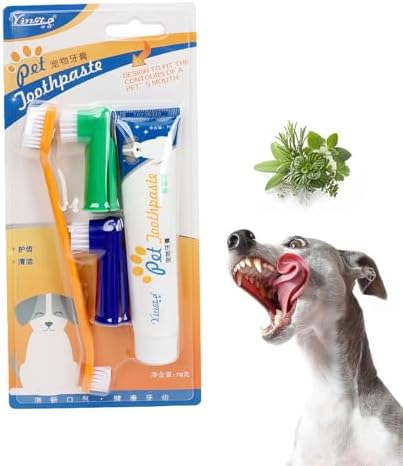
- 🐶Dog Dental Care Kit:Our Histotree dog toothbrush and toothpaste kit includes:1x70g/2.47oz vanilla dog toothpaste+1xdual…
- 🐶Quality Material:This puppy tooth brushing kit features soft,elastic nylon bristles that are wear-resistant,not easily …
- 🐶Angled Double-Headed Brush Head:The angled head fits your dog’s mouth curve,easily reaching hard-to-clean gum lines and…
Aftercare: Preventing Mats Between Grooming Sessions
The best dog clippers for matted hair only solve half the problem. The other half is keeping mats from forming again in the two to four weeks between grooming sessions. Doodle coats need brushing at least three to four times a week, and daily brushing is even better if your dog has the tighter, curlier coat type common in Poodle-heavy mixes. Focus on the friction zones: behind the ears, under the collar, the armpits, and the base of the tail, since these spots mat first and worst.
A leave-in conditioning spray applied after brushing helps reduce static and friction between hair strands, which slows down how quickly new mats form. If you’re still deciding on a cut that’s easier to maintain between professional visits, our roundup of the best Mini Goldendoodle haircuts that groomers actually recommend is a good next stop, since some styles resist matting far better than others.
Keeping a consistent brushing routine also means your next session with dog clippers for matted hair will be faster and gentler, since you won’t be fighting months of buildup. A little maintenance now saves a lot of frustration (and clipper wear) later.
Frequently Asked Questions
Can regular clippers cut through a matted Doodle coat?
Regular clippers built for light trimming usually struggle with dense mats because their motors lack the torque needed to push through tangled, curly fur without stalling or overheating. Dog clippers for matted hair are designed with higher SPM motors and wider blade gaps specifically to handle this kind of resistance without dragging on the skin.
Is it safe to shave off severe mats myself at home?
Light to moderate mats can usually be handled safely at home with the right dog clippers for matted hair and a slow, careful technique. Severe mats that are tight against the skin or cover large areas of the body are safer left to a professional groomer or vet, since the risk of nicking irritated skin underneath the mat goes up significantly.
How often should I brush my Doodle to prevent matting?
Most Doodles need brushing three to four times a week at minimum, and daily brushing is better for dogs with tighter, curlier coats. Consistent brushing between grooming sessions dramatically reduces how often you’ll need to reach for dog clippers for matted hair in the first place.
What blade type works best on thick, matted curls?
Steel blades generally cut through dense mats a bit more aggressively and are easier to sharpen, while ceramic blades stay cooler over longer sessions and resist rust better. Either can work well in dog clippers for matted hair, so the right choice often comes down to how thick your dog’s coat gets and how long your typical grooming session runs.