


A dog ear infection can turn a calm evening into a stressful one fast, especially when your Doodle is pawing at their head, whimpering, or shaking so hard their curls bounce. If you’re standing in your kitchen right now googling home fixes, here’s the short answer: some kitchen-cabinet remedies genuinely help with mild irritation, but a few popular ones, like apple cider vinegar rinses, can actually make things worse. This guide walks you through what’s safe to try tonight, what needs a vet visit, and which products are worth keeping on hand.
Doodle ears are uniquely high-maintenance. That floppy shape combined with thick, curly hair inside the canal creates the perfect storm for trapped moisture and gunk buildup. So before you reach for anything, let’s sort out what’s actually going on in there.
Why Doodles Get Ear Infections More Than Other Dogs
Goldendoodles, Labradoodles, and Bernedoodles all inherit that classic floppy ear shape from their retriever and Poodle lineage. Floppy ears trap warm, humid air against the skin, which is exactly the environment yeast and bacteria love. Add in the hair growing inside the ear canal itself, and airflow gets cut off almost entirely.
According to the Merck Veterinary Manual, otitis externa (inflammation of the outer ear canal) is one of the most common reasons dogs visit the vet, and allergy-prone breeds show up disproportionately in those numbers. Doodles, being mixes of allergy-sensitive breeds, tend to fall right into that higher-risk category. Moisture from swimming, bathing, or humid weather just adds fuel to the fire.
This is also why so many Doodle owners end up researching the best ear cleaners for Goldendoodles prone to infections before their dog ever has a full-blown problem. Prevention really is cheaper and easier than treatment here.
Symptoms: When to Monitor at Home vs. When to Call the Vet
Not every itchy ear means a trip to the clinic. But certain signs mean you shouldn’t wait, because untreated infections can spread to the middle ear and become much harder to resolve.
Mild irritation you can watch at home:
- Occasional head shaking after a bath or swim
- Slight waxy buildup with no odor
- Mild redness inside the ear flap only
- No visible discomfort when the ear is gently touched
Symptoms that mean call the vet now:

- Strong, yeasty, or foul odor coming from the ear
- Dark brown, yellow, or bloody discharge
- Constant scratching, whimpering, or head tilting
- Swelling, heat, or visible pain when the ear is touched
- Loss of balance or unusual eye movement (possible middle ear involvement)
If your Doodle’s ear smells like old cheese or beer, that’s not a “wait and see” situation. That odor almost always means a yeast or bacterial infection has already taken hold, and home remedies alone won’t clear it.
A quick way to check without guessing is using a lighted otoscope camera at home. The Otoscope Ear Camera with 1.21” Screen, 1080P Ear Scope lets you actually see down the canal on a small screen, so you’re not just poking around blind with a cotton swab and hoping.
Dog Ear Infection Home Remedies: What Actually Works
This is the part everyone wants to skip to, so let’s get into it. Several popular home remedies get passed around Doodle owner forums, but they’re not all created equal. Some are genuinely useful for mild cases, while others carry real risk of making the infection worse.
Apple cider vinegar rinses are probably the most commonly recommended DIY fix, and also the most misunderstood. A diluted ACV rinse can help remove wax and mild debris in a healthy ear, but if there’s already an active infection, the acidity can irritate inflamed tissue. Veterinary dermatology research has found that acidic mixtures like ACV can disrupt the ear’s natural pH balance and, in some cases, actually encourage yeast overgrowth rather than stopping it. If the skin inside the ear is already raw or broken, ACV can sting badly and delay healing.
Coconut oil has some mild antimicrobial properties and can soothe dry, flaky skin around the outer ear. It’s not a treatment for an active infection, but it’s reasonable for maintaining healthy skin between cleanings. The downside is that oil-based products can trap moisture if overused, which works against you in a Doodle’s already humid ear canal.
Witch hazel is a gentler astringent than ACV and can help dry out excess moisture after swimming. It’s a decent preventive step for dogs with no signs of infection, but like ACV, it’s not going to clear up an established bacterial or yeast problem.
Home Remedies vs. Commercial Ear Cleaners: Side-by-Side
Here’s how the common home fixes stack up against store-bought and vet-formulated options, so you can decide what’s appropriate for your Doodle’s situation.
| Remedy / Product | Best For | Risk Level | Price Tier |
|---|---|---|---|
| Diluted Apple Cider Vinegar Rinse | Wax removal in healthy ears only | Moderate to High (can worsen active infections) | $ |
| Coconut Oil | Soothing dry outer skin between cleanings | Low (avoid overuse, can trap moisture) | $ |
| Witch Hazel | Post-swim moisture drying, prevention | Low (not for active infections) | $ |
| pH-Balanced Vet Ear Cleaner | Routine cleaning, mild irritation, prevention | Very Low | $$ |
| Medicated Cleaner/Drops (Vet Prescribed) | Active bacterial or yeast infections | Low (used under veterinary guidance) | $$$ |
| Pet Ear/Face Wipes | Quick daily wipe-downs, travel, post-play cleanup | Very Low | $$ |
The takeaway from this comparison module is pretty clear: home remedies work best as prevention or maintenance, not as a cure for an existing dog ear infection. Once bacteria or yeast has taken hold, you need something formulated to actually kill the organisms causing the problem, not just dry things out.
For dogs with recurring eye or nearby skin irritation alongside ear issues, vets sometimes prescribe targeted medications such as Ciprofloxacin, 0.3% Ophthalmic Solution, though this should only be used under direct veterinary instruction since it’s formulated for specific applications and dosing.
There is an issue displaying Amazon products. Please contact the administrator to check that.A Safe At-Home Ear Cleaning Routine
If your Doodle’s ears are healthy or only mildly irritated, here’s a routine that’s gentle and effective without tipping into risky DIY territory.
- Check first. Look and sniff before you clean. No odor, no discharge, no heat means you’re likely dealing with normal maintenance, not an infection.
- Choose a pH-balanced cleaner. Skip the vinegar and go with a formula designed specifically for canine ears. It won’t sting healthy tissue and won’t disrupt the ear’s natural balance.
- Apply and massage. Fill the canal per the product’s instructions, then massage the base of the ear for about 20 to 30 seconds. You should hear a soft squelching sound, which means the solution is loosening debris.
- Let your dog shake. This helps bring loosened wax and cleaner up and out where you can wipe it away.
- Wipe the outer ear. Use a soft cloth or a purpose-made wipe to clean the visible folds and flap. The ZOOP XL Pet Wipes for Dogs & Cats work well here since they’re gentle enough for daily use around sensitive skin.
- Dry thoroughly. Pat dry, never leave the ear damp, especially after baths or swimming.
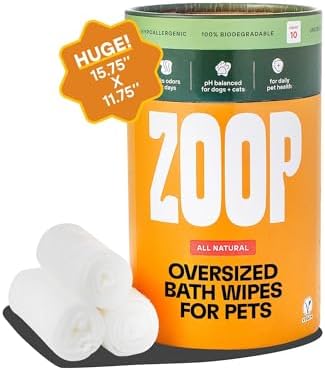
- FAST GROOMING: Save hours of cleaning your dirty pet! Instead of a bath, a quick wipe with a giant towel-sized pet wipe….
- BETTER THAN SHAMPOO: The gentle oversized pet grooming wipe is water-based and infused with skin-supporting nanosilver. …
- ULTRA BIG AND THICK: Pack of 10 absorbent, very thick, giant pet grooming wipes for easy pet cleaning.
Preventing the Next Dog Ear Infection Before It Starts
Prevention matters more for Doodles than almost any other type of dog, given how their coat and ear shape work against them. A few habits go a long way toward keeping a dog ear infection from becoming a recurring problem.

- Dry ears completely after swimming or bathing. Trapped water is the number one trigger for otitis externa in floppy-eared breeds.
- Pluck or trim excess ear hair. Groomers can teach you this technique, and it dramatically improves airflow in hair-heavy Doodle ears.
- Clean on a schedule, not just when something looks wrong. Weekly checks catch problems early, before they turn into a full dog ear infection.
- Watch for allergy triggers. Food sensitivities and environmental allergies often show up first as ear inflammation.
- Keep grooming appointments consistent. A groomer familiar with Doodle coats will flag early warning signs you might miss at home.
According to the VCA Animal Hospitals resource on canine ear infections, breeds with hair inside the ear canal and floppy ear conformation are statistically more prone to chronic and recurring otitis externa compared to upright-eared breeds. That’s not something you can fully engineer around, but consistent maintenance cuts the risk significantly.
When Store-Bought Solutions Are Worth the Investment
Home remedies have their place, but there’s a point where a store-bought or vet-prescribed solution stops being optional. If you’ve tried gentle cleaning for a few days and symptoms persist or worsen, that’s your signal.
A pH-balanced commercial ear cleaner is a reasonable mid-tier investment for ongoing maintenance, especially for Doodles that swim often or have naturally waxy ears. Medicated drops, on the other hand, are a premium option reserved for confirmed infections and should only be used based on a vet’s diagnosis, since using the wrong medication on the wrong type of infection (bacterial vs. yeast vs. mixed) can actually prolong healing.
It’s also worth mentioning that ear problems sometimes tie into broader behavior questions. A dog in ear pain may become uncharacteristically snappy or reactive, which matters if you have kids in the house. If that’s a concern for your household, it’s worth reading about whether Goldendoodles are safe around kids when they’re in pain or distress, since pain-driven behavior is different from typical temperament.
Training and temperament questions come up a lot with new Doodle owners too, and some of it does trace back to sex-based tendencies rather than health issues. If you’re curious how that factors into overall manageability, our piece on whether male or female Goldendoodles are easier to train covers it in more detail.
The Safety-First Takeaway on Dog Ear Infection Home Remedies
Home remedies aren’t inherently bad, they’re just limited in scope. Coconut oil and witch hazel can support healthy ear maintenance, but they won’t cure an active dog ear infection, and apple cider vinegar can genuinely backfire on inflamed tissue. When in doubt, a gentle pH-balanced cleaner and a quick vet check beat guessing every time.
Your Doodle’s ears deserve the same consistent attention as their coat. A few minutes of weekly maintenance now saves you a stressful, expensive vet visit later, and keeps your dog comfortable instead of miserable.
Is apple cider vinegar safe for a dog ear infection?
Diluted apple cider vinegar can help remove wax in a healthy ear, but it’s risky on an ear that already has an active infection. The acidity can irritate inflamed skin and, according to veterinary dermatology research, may disrupt the ear’s natural pH and encourage yeast overgrowth rather than stopping it.
How do I know if my Doodle has a dog ear infection or just normal wax buildup?
Normal wax buildup usually has no strong odor and doesn’t cause pain when the ear is touched. A dog ear infection typically comes with a foul or yeasty smell, dark or colored discharge, redness, swelling, and noticeable discomfort or head shaking.
Can coconut oil cure a dog ear infection?
Coconut oil has mild antimicrobial properties and can soothe dry skin, but it isn’t strong enough to clear an established bacterial or yeast infection. It works better as a between-cleaning skin support than as a treatment for active infection.
How often should I clean my Doodle’s ears to prevent infection?
Most Doodles do well with a weekly ear check and cleaning, though dogs that swim frequently or have particularly hairy ear canals may need cleaning every few days. Consistent, gentle maintenance is one of the best ways to prevent a dog ear infection from developing in the first place.


