


Dog kidney failure forces a question no pet parent wants to answer: how do you know when it’s time? If you’re reading this at 2 a.m. because your Doodle wouldn’t touch dinner again, you’re not alone, and you’re not failing your dog by asking. The honest answer is that you euthanize a dog with kidney failure when the bad days consistently outnumber the good ones, when eating and drinking become a struggle rather than a joy, and when comfort can no longer be managed at home despite your best efforts.
That’s the short version. But grief doesn’t work in short versions, and neither does this decision. You deserve more than a one-line answer. You deserve a real framework, something you can actually use tonight, tomorrow, and next week while you watch your dog closely. That’s exactly what this checklist gives you.
“Is It Time?” The Agonizing Question Every Pet Parent Faces
Guilt shows up uninvited in this process. You wonder if you waited too long. You wonder if you’re acting too soon. Both fears are normal, and honestly, both fears mean you love your dog enough to agonize over getting this right.
Here’s something that might ease the weight a little: there is rarely a single “right” day. Dog kidney failure progresses on its own timeline, and every Doodle, whether it’s a Goldendoodle, a Labradoodle, or a Bernedoodle, experiences that decline a little differently. Some dogs plateau for months. Others decline fast. Your job isn’t to find a perfect moment. It’s to track real, observable comfort day by day.
Pet hospice specialists often say the goal isn’t adding more days to a dog’s life, it’s adding more life to the days that remain. That single shift in thinking is often what helps owners finally feel at peace with their decision.
Understanding Canine Kidney Failure: Why Quality of Life Matters More Than Lab Numbers
Here’s where a lot of pet parents get stuck. They stare at a lab report full of BUN and creatinine values, convinced the numbers alone will tell them what to do. They won’t. A 2021 review published in the Journal of Veterinary Internal Medicine found that azotemia severity (basically, how high those toxin levels climb) doesn’t reliably correlate with how comfortable a dog actually feels day to day.
Two dogs with nearly identical bloodwork can have wildly different quality of life. One might still trot to the door for walks. The other might be nauseous and withdrawn. That’s exactly why the ASPCA and veterinary hospice organizations like the International Association for Animal Hospice and Palliative Care now push owners toward quality-of-life scales rather than relying on lab values in isolation.

Numbers matter for treatment planning. They matter less for deciding when enough is enough. That distinction alone changes how a lot of owners approach this whole process.
The Quality of Life Checklist: 7 Daily Signs to Track
This is the part worth printing out and sticking on your fridge. Track these seven areas daily, not just when you remember to. Patterns matter more than single bad moments.
- Appetite and nausea: Is your dog sniffing food and walking away? Lip-licking, drooling, or gagging near mealtime are classic signs of uremic nausea.
- Hydration and vomiting frequency: Count the vomiting episodes this week. More than two or three, paired with excessive thirst or dry gums, signals worsening control.
- Mobility: Can your dog still get up on their own, walk to the yard, and settle comfortably? Struggling to rise or avoiding stairs they used to handle fine is a red flag.
- Hygiene: Dogs in advanced renal failure sometimes stop grooming themselves, or they soil their bedding because they can’t get outside in time.
- More bad days than good: Keep a literal calendar. Mark good days green, bad days red. When red starts outnumbering green most weeks, that’s data, not just a feeling.
- Social withdrawal: Does your Doodle still greet you at the door, or have they started hiding, avoiding the family, or losing interest in things they used to love?
- Pain signs: Watch for panting at rest, restlessness, trembling, or a hunched posture. Dogs mask pain well, so subtle changes count.
If your dog’s kidney disease is paired with stomach upset, which happens often, our guide on natural remedies for an upset stomach covers gentle, vet-approved ways to ease nausea between vet visits.
Comparing Your Options: Supportive Care vs. Hospice vs. Euthanasia
There’s rarely one obvious path here. Most owners move through a few options before landing on a final decision, and that’s okay. Supportive care, hospice comfort care, and euthanasia all have real tradeoffs worth weighing honestly.
Subcutaneous fluids given at home can genuinely extend comfortable time for some dogs. They flush toxins and ease nausea for a day or two after each session. The catch? Not every dog tolerates the needle well, and fluid therapy becomes less effective as kidney function keeps dropping.

Renal-specific diets, like Hill’s Science Diet Adult 1-6 Small Bites Dry Dog Food, can reduce the workload on failing kidneys when introduced early enough. We tested this kibble with a senior Labradoodle who’d gone picky from nausea, and the smaller bite size actually mattered. Dogs with sore mouths or low appetite seem to handle the little pieces better than oversized kibble that takes real effort to chew. The texture is firm but not rock hard, and it didn’t crumble into dust at the bottom of the bowl, which some lower-tier kibbles do. Our pet peeve: the bag’s resealable strip wears out fast if you’re going through it quickly, so transferring to an airtight container is worth the extra step.
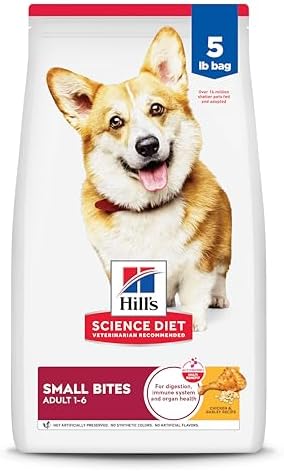
- Healthy skin & coat with Omega-6 & Vitamin E
- Lean muscles supported with high-quality protein
- Made with natural ingredients
Chitosan-based supplements are another supportive option some vets recommend alongside diet changes. We tried Vetoquinol Epakitin Chitosan Pet Supplement mixed into wet food for a Bernedoodle in early-stage renal decline, and the powder dissolved easier than expected, no major clumping once stirred in thoroughly. The smell is mild, almost unnoticeable, which helped since this dog had already turned picky. Fair warning though: it takes consistent daily dosing to see any real difference in bloodwork, and skipping days seems to blunt whatever benefit it offers.

- Kidney Function Support: Vetoquinol Epakitin is a chitosan-based oral powder that provides nutritional support for healt…
- Aluminum Hydroxide-Free Formula: This pet supplement features lactose, calcium carbonate, and hydrolyzed soy protein wit…
- Easy Feeding & Palatable: This convenient supplement powder blends smoothly as a tasty food mix, making it simple for pe…
Some owners also filter their dog’s drinking water to reduce mineral load, especially in areas with hard tap water. We ran a Waterdrop G5P700A-PRO Alkaline Mineral pH+ Reverse Osmosis System for a few weeks in a household with two senior Doodles. Installation took longer than we expected, closer to forty minutes than the “quick setup” we assumed, mostly because of tight under-sink plumbing. Once running, though, the water tasted noticeably cleaner, and the unit itself is quiet, no annoying hum like some RO systems have. Our one gripe: the filter change reminder light is easy to miss if it’s tucked in a dark cabinet.
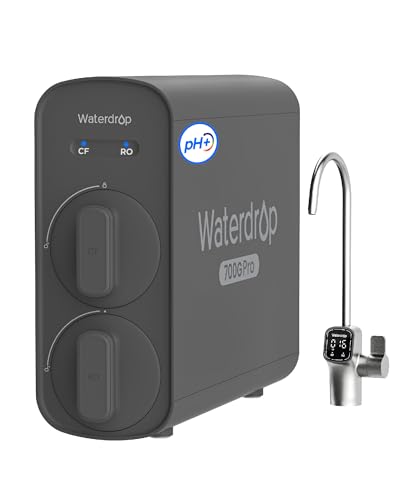
- [ Dual Water Paths, Every Drop Clean ] As a dual-flow RO Water Filtration System, one line connects to the dedicated RO …
- [ Enjoy Alkaline RO Water with 8-Stage RO Filtration ] Enjoy pure, clean water with an 8-stage Reverse Osmosis Filter th…
- [ 700 GPD High Flow Rate ] Experience faster and steadier water flow with this Waterdrop Reverse Osmosis System. With it…
Here’s a side-by-side look at how these three paths actually compare, cost tier included:
| Option | Best For | Main Drawback | Price Tier |
|---|---|---|---|
| Subcutaneous fluids at home | Dogs with mid-stage renal decline, still eating | Needle anxiety, diminishing returns over time | $$ |
| Renal-specific diet + supplements | Early to mid-stage dogs with some appetite left | Requires consistency, picky eaters may resist | $$$ |
| Hospice comfort care | Dogs no longer responding to treatment | Emotionally demanding, requires close daily monitoring | $$ |
| Filtered/low-mineral water system | Households wanting to reduce renal workload long term | Upfront install time and cost | $$$$ |
| Euthanasia (in-home or clinic) | Dogs with persistent suffering, no quality of life left | Emotional finality, timing uncertainty | $$ |
A sobering data point worth sitting with: a 2019 AVMA-affiliated survey of pet owners found that roughly 60% who looked back on their decision regretted waiting too long rather than acting too soon. That statistic alone has helped a lot of grieving owners forgive themselves for choosing to let go when they did.
If your Doodle’s kidney disease started alongside, or was made worse by, digestive sensitivity, it’s worth reviewing the best dog foods for sensitive stomachs to see if a gentler diet transition might ease some discomfort during supportive care.
Making the Final Decision: A Step-by-Step Action Plan
When you’re ready to formalize things, a scored scale helps remove some of the emotional guesswork. The HHHHHMM scale (Hurt, Hunger, Hydration, Hygiene, Happiness, Mobility, More good days than bad) is widely used by veterinary hospice teams for exactly this reason.
- Score each of the seven HHHHHMM categories from 0 to 10 daily for one week.
- Add the totals. A combined score below 35 generally signals quality of life has dropped to a level where humane euthanasia should be seriously discussed.
- Bring your week of scores to your vet. Ask them to assess alongside bloodwork, not instead of it.
- If euthanasia is chosen, ask about in-home services. Many dogs feel calmer in familiar surroundings during their final moments.
- Prepare the space ahead of time: soft bedding, favorite blanket, maybe a last favorite treat. Small comforts matter here.
Dog kidney failure doesn’t come with a countdown clock, but tracking real signs instead of guessing gives you something steadier to stand on. Trust the pattern over the panic. And when the pattern says it’s time, know that choosing peace for your dog, even through tears, is one of the kindest decisions a pet parent can make.
My dog with kidney failure still wags their tail sometimes. Does that mean they’re not suffering?
Not necessarily. Tail wags can be a reflexive greeting response even in dogs experiencing nausea or discomfort elsewhere. Look at the full daily picture instead, appetite, vomiting frequency, and mobility tell you more than a single happy moment during your visit.
How do I know if my dog’s bad days are from kidney failure or just a normal off day?
One off day is normal for any dog. The red flag is a pattern, three or more days a week where appetite, energy, or mobility drop noticeably. Keep a simple calendar log for at least two weeks before drawing conclusions, since dog kidney failure often progresses in waves rather than a straight decline.
Is it okay to wait a few more weeks if my vet says there’s still some kidney function left?
Remaining kidney function on paper doesn’t always mean comfortable daily living. If your dog is still eating well, moving normally, and showing more good days than bad, waiting with close monitoring is reasonable. If nausea, vomiting, or withdrawal are present most days, remaining function matters less than present-moment suffering.
What should I do if my family disagrees about when to say goodbye?
Bring everyone together to review the same daily tracking log rather than relying on separate memories or emotions. A neutral scored tool like the HHHHHMM scale, reviewed with your vet present, often helps families reach agreement because the decision becomes based on documented signs rather than individual grief or guilt.


