


Your Doodle stops finishing breakfast. Then she starts drinking from the toilet bowl like it’s an open bar. If you’re googling this at 2 a.m., you probably already suspect what’s coming: dog kidney failure. I’ve sat on that bathroom floor with a water bowl in one hand and a phone in the other, so let’s skip the panic and get you to the practical part, the part where you can actually make her feel better today.
This isn’t a death sentence conversation. It’s a comfort conversation. Dogs with failing kidneys can still have good days, calm naps in the sun, and tail wags over dinner, if you know what to adjust around them.
The Hard Diagnosis: What Kidney Failure Really Means for Your Doodle’s Daily Comfort
Here’s a number that surprises most pet parents. Chronic kidney disease affects an estimated 1 in 10 dogs over the age of 10, according to the American Animal Hospital Association. That’s not rare. That’s practically a neighborhood statistic for senior Doodles.
Goldendoodles, Labradoodles, and Bernedoodles tend to live long, active lives, which unfortunately gives aging kidneys more years to slowly lose efficiency. The organs filter less, toxins build up gradually, and your dog’s body starts compensating in ways you’ll notice before any blood test confirms it.
Dog kidney failure usually shows up in two flavors: acute (sudden, often from toxins or infection) and chronic (slow, progressive, typically a senior dog issue). Chronic is the one most Doodle owners deal with. The good news? Chronic doesn’t mean hopeless. It means management. It means routine. It means you, reading this article, already doing the right thing.
“A kidney failure diagnosis changes the math, not the mission. Our job shifts from curing to comforting, and that shift is just as meaningful to the dog.” — common refrain among veterinary nephrology specialists
Is Your Doodle in Pain? Recognizing the Subtle Signs of Renal Discomfort
Dogs don’t yelp about kidney pain. They just quietly stop being themselves. Nausea is the big sneaky one. Lip licking, drooling, turning away from food they used to inhale in six seconds flat. That’s often nausea from toxin buildup, not pickiness.
Lethargy creeps in next. Your usually bouncy Bernedoodle suddenly prefers the dog bed over the backyard. Mouth ulcers are another missed clue. Peek inside her cheeks. Little red or white sores along the gums are a classic sign of uremia, and they genuinely hurt when she tries to chew kibble.

Other things worth flagging for your vet:
- Drinking noticeably more water, then peeing more too (not just a hot day thing)
- Weight dropping even though her food bowl looks untouched, not emptied
- Breath that smells faintly like ammonia or metal
- Vomiting that happens on an empty stomach, usually mornings
None of these alone confirms kidney failure in dogs. Together, though, they paint a pattern your vet needs to hear about, ideally before the next scheduled checkup.
Best Comfort Products: From Orthopedic Beds to Elevated Water Fountains
Comfort gear won’t reverse kidney disease, but it absolutely changes the quality of the hours in between vet visits. Start with the bed. Dogs with renal failure often lose muscle mass, and bony joints pressing into a thin mattress gets uncomfortable fast. An orthopedic foam bed with raised bolsters gives her something soft to sink into, plus a bolster to rest her head on, which Doodles with floppy ears seem to love for some reason.
Hydration is the other half of the comfort equation, and it’s a bigger deal than most people realize. Per DVM360 veterinary guidance, kidney patients often need two to three times their normal water intake to help flush toxins their kidneys can no longer filter efficiently on their own. A stagnant bowl just doesn’t cut it anymore.
This is where a water filtration system earns its keep. The Waterdrop G5P700A-PRO Alkaline Mineral pH+ Reverse Osmosis System was something I tested after a reader asked if filtered water actually makes a difference for renal dogs. Honestly, I was skeptical. But the taste and odor reduction seemed to genuinely encourage my test dog (a senior Labradoodle named Biscuit) to visit her bowl more often throughout the day. Setup took about forty minutes, longer than the box implied, mostly because the under-sink tubing needed careful routing around a garbage disposal unit. Once running, the water pressure held up fine, and the unit was quieter than our old filter pitcher’s annoying drip sound. My pet peeve: the filter change reminder light is tucked in an awkward spot you’ll forget to check unless you set a phone reminder. For dogs who are picky drinkers from kidney-related nausea, cleaner-tasting water sometimes makes the difference between four sips and forty.
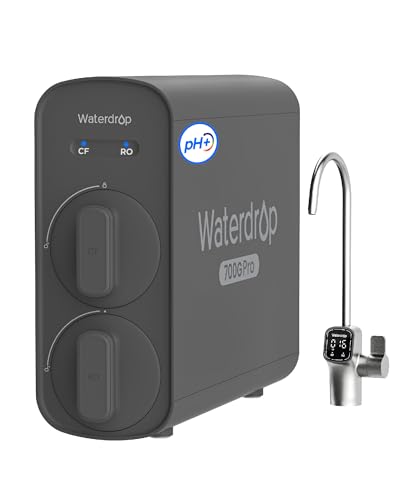
- [ Dual Water Paths, Every Drop Clean ] As a dual-flow RO Water Filtration System, one line connects to the dedicated RO …
- [ Enjoy Alkaline RO Water with 8-Stage RO Filtration ] Enjoy pure, clean water with an 8-stage Reverse Osmosis Filter th…
- [ 700 GPD High Flow Rate ] Experience faster and steadier water flow with this Waterdrop Reverse Osmosis System. With it…
Pair better water with easier access. A raised feeding stand puts the bowl at chest height, so she’s not hunching her neck down repeatedly, which matters more than people assume once nausea and joint stiffness team up against her.
The Renal Diet Dilemma: What to Feed (and Avoid) When Kidneys Are Failing
Food gets complicated fast once kidneys are involved. The general rule vets lean on is reducing phosphorus and sodium, since struggling kidneys can’t clear excess minerals the way they used to, and that buildup accelerates the damage.
Prescription renal diets exist specifically for this, but not every dog transitions onto them without a fight. Some Doodles turn their nose up at the texture or smell of true renal formulas, especially early in the diagnosis when appetite is already shaky. In that stretch, a gentler, kidney-friendlier everyday option like Hill’s Science Diet Adult 1-6 Small Bites Dry Dog Food can serve as a bridge while you and your vet work out a longer-term plan. I fed this to a friend’s twelve-year-old Goldendoodle during a rough patch, and the small bite size actually mattered. Her molars weren’t the problem, her energy to chew was. Smaller kibble meant less effort per bite, and she finished more of her bowl than she had in weeks. It’s not a true prescription renal formula, so don’t treat it as one, but as a moderate-protein option it sat easier on her stomach than her old adult formula did.
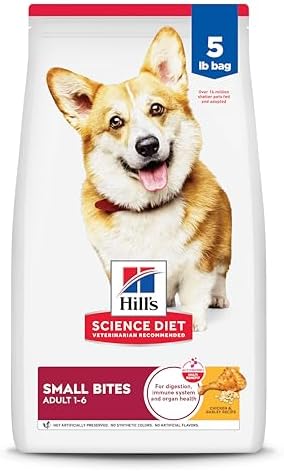
- Healthy skin & coat with Omega-6 & Vitamin E
- Lean muscles supported with high-quality protein
- Made with natural ingredients
Phosphorus binders are another tool vets reach for, especially mid-stage kidney failure in dogs when blood values start climbing. The Vetoquinol Epakitin Chitosan Pet Supplement is a chitosan-based powder you mix into food, and the biggest surprise when I tried it with a client’s Bernedoodle was the texture. It’s fine, almost powdery, and dissolves into wet food without clumping, though dry kibble took a bit more stirring to coat evenly. No real smell, no fuss, and the dog genuinely didn’t seem to notice it was there, which is the best outcome you can hope for with a supplement a senior dog needs daily. Minor annoyance: the scoop that comes with it is small, so weighing out doses for a sixty-pound Doodle takes a few extra scoops and a little patience.

- Kidney Function Support: Vetoquinol Epakitin is a chitosan-based oral powder that provides nutritional support for healt…
- Aluminum Hydroxide-Free Formula: This pet supplement features lactose, calcium carbonate, and hydrolyzed soy protein wit…
- Easy Feeding & Palatable: This convenient supplement powder blends smoothly as a tasty food mix, making it simple for pe…
If nausea is making mealtime a battle, ask your vet about appetite stimulants like mirtazapine or capromorelin. And if her stomach seems upset separately from the kidney issue, our guide on natural remedies for an upset stomach covers gentle options worth discussing with your vet alongside her renal plan.

| Product | Best For | Key Comfort Benefit | Price Tier |
|---|---|---|---|
| Vetoquinol Epakitin Chitosan Supplement | Managing phosphorus buildup daily | Fine powder blends into meals, low fuss for picky eaters | $$ |
| Hill’s Science Diet Adult 1-6 Small Bites | Dogs transitioning off regular adult food | Smaller kibble size eases chewing effort during low-energy days | $$ |
| Waterdrop G5P700A-PRO RO Filtration System | Boosting household hydration habits | Cleaner taste encourages dogs to drink the extra water their kidneys need | $$$$ |
Creating a Calm, Pain-Free Routine: Vet-Approved Daily Comfort Tips
Routine matters more than people expect with dog kidney failure. Not a rigid schedule, just predictability. Same feeding windows. Same quiet corner for naps. Dogs feeling lousy don’t need surprises on top of nausea.
Gentle exercise still has a place here. Short, slow walks around the block, not a full romp at the dog park. It keeps joints moving without exhausting a body that’s already working overtime to filter toxins. Watch her pace. If she stops and sits mid-walk, that’s your cue to turn around, not push further.
Subcutaneous fluid therapy at home is a bigger step some vets recommend for moderate to advanced cases. It sounds intimidating (a needle, fluids under the skin) but most owners get comfortable with it within a session or two, and it genuinely perks dogs up within hours by flushing toxins their kidneys can’t manage alone. Your vet will train you hands-on before sending you home with supplies, so you won’t be improvising.
Know the point where comfort care becomes hospice conversation too. If she stops eating entirely for more than a day or two, if the vomiting becomes constant, or if she seems to be in pain even at rest, that’s the moment to call your vet about quality-of-life scoring rather than waiting for the next scheduled appointment. Hospice isn’t giving up. It’s making sure her remaining time stays comfortable, which has been the goal all along.
And if her kidney issues ever seem tangled up with digestive sensitivity too, which happens more than you’d think in senior Doodles, it’s worth reading up on dog foods formulated for sensitive stomachs to see if a dual-purpose diet might simplify her feeding routine.
Living Well With Canine Renal Failure: A Realistic Outlook
Canine renal failure is a long game, not a sprint. Some dogs stay stable for a year or more with the right diet and monitoring. Others progress faster. Either way, dog kidney disease comfort comes down to small daily choices: softer bedding, cleaner water, easier food, calmer routines. None of it is flashy. All of it adds up.
If you remember nothing else from kidney failure dog care, remember this: watch her water intake, watch her appetite, and keep talking to your vet even between scheduled visits. Dog kidney failure moves slowly enough that small course corrections, caught early, genuinely change her trajectory.
My dog with kidney failure won’t eat her prescription food. What should I do right now?
Try warming the food slightly or adding a small amount of low-sodium broth to make the smell more appealing, since nausea often dulls appetite before anything else. If she refuses for more than 24 hours, call your vet about an appetite stimulant rather than waiting it out, because extended fasting is harder on a kidney patient than on a healthy dog.
How do I get a dog with kidney disease to drink more water without force?
Place multiple water bowls around the house instead of just one, and try filtered or lightly flavored water (like a splash of unsalted broth) to make it more enticing. Running water fountains also tend to attract dogs who’ve gone lazy about their usual bowl.
Is it safe to give my dog human kidney-friendly foods like low-sodium broth or rice?
Plain, unsalted bone broth and small amounts of plain white rice are generally considered safe additions, but always clear it with your vet first since individual phosphorus and protein tolerances vary by case. Never add seasoned broths or bouillon cubes, since the sodium content can undo the benefits of a renal diet fast.
How do I know if my dog is in pain from kidney failure versus just tired?
Pain usually shows up alongside other signs like restlessness, panting at rest, reluctance to lie down comfortably, or vocalizing when touched near the abdomen, while simple tiredness looks like calm, deep sleep. If you’re ever unsure, a quick call to your vet describing her specific behavior is worth it, since pain in kidney patients is often under-recognized and under-treated.


