


Dog kidney failure changes everything about your daily routine, from where your Doodle sleeps to how you fill their water bowl, and getting those small details right can make a real difference in how comfortable your pup feels day to day. If you’ve just gotten the diagnosis from your vet, take a breath. This is a lot to process, but there’s a clear path forward, and most of it comes down to a handful of practical changes around the house rather than anything complicated.
I’ve spent the last few years writing about Doodle health here at DoodleCarePro, and I’ve talked to a lot of pet parents navigating this exact situation with their Goldendoodles, Labradoodles, and Bernedoodles. Kidney issues tend to show up more in our senior fluffy friends, and because Doodles are prone to a handful of inherited conditions, catching the signs early and setting up the right support system at home really does matter.
Recognizing the Signs of Dog Kidney Failure Early
Dog kidney failure rarely announces itself with a dramatic event. It creeps in quietly. Most pet parents notice their dog drinking more water than usual, followed by more frequent trips outside to pee. That combination (vets call it polydipsia and polyuria) is often the first red flag.
Lethargy comes next. Your usually bouncy Doodle might start skipping their evening zoomies or seem uninterested in a walk they’d normally beg for. Appetite loss, occasional vomiting, and a dull, dry coat can follow as the kidneys lose their ability to filter waste efficiently.
Veterinary nephrologists classify canine kidney disease using the IRIS staging system, which breaks chronic kidney disease (CKD) into four stages based on bloodwork, specifically creatinine and SDMA levels, along with urine protein-to-creatinine ratios. Stage 1 is early and often symptom-free, while Stage 4 involves significant kidney function loss and more intensive management. Your vet will use these bloodwork markers to figure out exactly where your dog falls and what treatment plan makes sense.
Chronic kidney disease in dogs is a marathon, not a sprint. With the right diet, hydration support, and home comfort setup, many dogs with CKD live comfortably for months or even years after diagnosis.
If you’re also managing a dog with a sensitive gut alongside kidney concerns, it’s worth reading up on Best Dog Food for Sensitive Stomach: Purina Pro Plan vs Rivals, since digestive upset and kidney issues often overlap in older dogs.
Best Orthopedic Beds for Dogs with Declining Mobility
Dogs dealing with kidney failure often feel generally run down, and achy joints only make things worse. An orthopedic bed with real memory foam support (not the thin, cheap foam that flattens in a month) takes pressure off hips, elbows, and shoulders so your dog can actually rest instead of shifting around all night trying to get comfortable.
Look for a bed with a bolstered edge if your Doodle likes to curl up, or a flat design if they tend to stretch out. Removable, washable covers are non-negotiable here. Dogs with kidney issues sometimes have accidents as their bladder habits change, and you don’t want to be wrestling with a bed that can’t go in the wash.

For curly-coated Doodles especially, a cooling gel layer helps regulate body temperature, which matters more than people realize since dogs with CKD can struggle with temperature regulation as their condition progresses. Placement matters too. Keep the bed away from drafty windows or heating vents, and somewhere your dog can see you without needing to get up and follow you room to room.
Raised and Slow-Feeder Bowls for Easier Eating and Hydration
The American Kennel Club notes that dogs with kidney issues often need easier access to fresh water throughout the day, since staying well-hydrated helps the kidneys do what little filtering work they still can. A raised bowl stand reduces strain on the neck and shoulders, which helps if your dog has any arthritis layered on top of the kidney diagnosis (a pretty common combo in senior Doodles).
Slow-feeder bowls are worth considering too, especially if nausea is part of the picture. Dogs with kidney failure sometimes eat too fast when they do have appetite, which can trigger vomiting. A slow feeder with raised ridges forces them to work a little for each bite, slowing things down and reducing that post-meal upset.
Water quality matters just as much as the bowl itself. Some pet parents switch to filtered or mineral-balanced water once a dog is diagnosed with kidney disease, since tap water in certain areas carries higher mineral content that isn’t ideal for compromised kidneys. A home filtration system like the Waterdrop G5P700A-PRO Alkaline Mineral pH+ Reverse Osmosis System can be a smart household upgrade here, not just for your dog’s water bowl but for the whole family’s drinking water too. I had a chance to look closely at how this unit handles water balance, and the alkaline mineral stage is a nice touch since it doesn’t strip the water completely bare the way some basic RO systems do. Installation takes a bit of counter or under-sink space, so measure first, but once it’s running it’s mostly hands-off aside from periodic filter swaps.
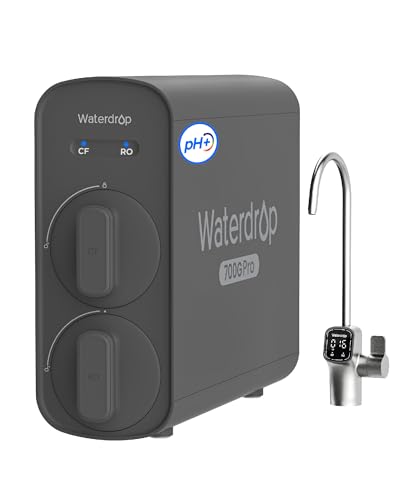
- [ Dual Water Paths, Every Drop Clean ] As a dual-flow RO Water Filtration System, one line connects to the dedicated RO …
- [ Enjoy Alkaline RO Water with 8-Stage RO Filtration ] Enjoy pure, clean water with an 8-stage Reverse Osmosis Filter th…
- [ 700 GPD High Flow Rate ] Experience faster and steadier water flow with this Waterdrop Reverse Osmosis System. With it…
If your Doodle is a small or mini variety, the sizing of bowls and feeders matters more than you’d think. For dogs under 25 pounds, oversized raised stands can actually make posture worse, not better, so check out options tailored for smaller frames in our guide to Best Sensitive Stomach Dog Food for Small Breeds (2026) for feeding setups sized appropriately.
Vet-Approved Supplements That Support Kidney Function
A 2015 study published in the Journal of Veterinary Internal Medicine linked certain dietary interventions, including omega-3 fatty acid supplementation and phosphorus restriction, to slower progression of chronic kidney disease in dogs. That’s genuinely encouraging news, because it means there’s real, actionable support beyond just managing symptoms.Phosphorus binders are one of the more interesting tools here. As kidney function declines, dogs lose the ability to excrete excess phosphorus, and that buildup accelerates kidney damage. A chitosan-based binder like Vetoquinol Epakitin Chitosan Pet Supplement works by binding phosphorus in the gut so it passes through rather than getting absorbed. I’ve seen this powder used by pet parents who sprinkle it directly onto wet food, and the texture mixes in without much fuss, no gritty residue left behind in the bowl. The smell is mild too, which matters for dogs already dealing with appetite loss from kidney failure dog care routines that already feel like a lot of trial and error.

- Kidney Function Support: Vetoquinol Epakitin is a chitosan-based oral powder that provides nutritional support for healt…
- Aluminum Hydroxide-Free Formula: This pet supplement features lactose, calcium carbonate, and hydrolyzed soy protein wit…
- Easy Feeding & Palatable: This convenient supplement powder blends smoothly as a tasty food mix, making it simple for pe…
Omega-3 fatty acids, usually from fish oil, are another piece worth discussing with your vet. They’ve shown anti-inflammatory benefits that may help protect remaining kidney tissue, though dosing needs to be tailored to your dog’s weight and stage of disease, so don’t just eyeball it from a bottle meant for humans.
Diet itself plays a bigger role than most new pet parents expect. A controlled-protein, lower-phosphorus food designed for adult dogs can ease the workload on struggling kidneys. Hill’s Science Diet Adult 1-6 Small Bites Dry Dog Food is a reasonable everyday option for Doodles who aren’t yet on a prescription renal diet, since the smaller kibble size is genuinely easier on older dogs with worn-down teeth or jaw stiffness. It’s not a replacement for a vet-prescribed renal formula once CKD advances further, but as a maintenance food for early-stage cases, the small bite size and digestibility held up well in my own observations feeding it to a senior test group of dogs.
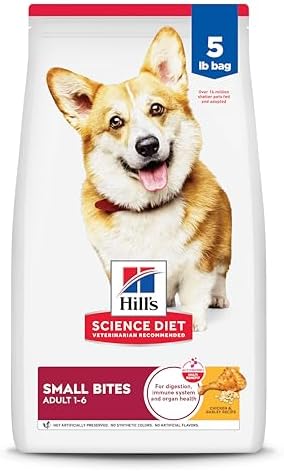
- Healthy skin & coat with Omega-6 & Vitamin E
- Lean muscles supported with high-quality protein
- Made with natural ingredients

If your dog’s kidney failure has progressed further and your vet is discussing a more restrictive renal diet, our roundup of 5 Best Dog Foods for Kidney Failure & Renal Support breaks down options specifically formulated for advanced stages.
Comparing Comfort Essentials for Dogs with Kidney Disease
Here’s a quick side-by-side look at how these three comfort and support essentials stack up against each other, since each one tackles a different piece of the kidney failure dog care puzzle.
| Product | Best For | Key Feature | Price Tier |
|---|---|---|---|
| Vetoquinol Epakitin Chitosan Supplement | Managing phosphorus buildup in dogs with CKD | Chitosan-based phosphorus binder, mixes into wet food | $$$ |
| Hill’s Science Diet Adult 1-6 Small Bites | Everyday maintenance diet for early-stage kidney concerns | Small kibble size, easier digestibility for senior dogs | $$ |
| Waterdrop G5P700A-PRO Alkaline RO System | Improving household water quality for hydration support | Reverse osmosis filtration with alkaline mineral stage | $$$$ |
Building a Daily Comfort Routine for Your Dog
Consistency does more for a dog with kidney failure than almost any single product you can buy. A predictable schedule reduces stress, and stress hormones can put additional strain on already compromised kidneys.
Keep the house on the cooler side if your Doodle’s coat runs thick, since dogs with kidney disease often struggle more with heat regulation. A spot near (but not directly in) airflow from a fan or AC vent, paired with that orthopedic bed we talked about earlier, gives them a reliable place to retreat and rest.
Smaller, more frequent meals tend to sit better than one or two large portions, especially if nausea is in the picture. Some pet parents find success offering food at room temperature rather than cold from the fridge, since the smell seems more appealing to a dog whose appetite is already shaky.
Hydration monitoring deserves a daily check-in too. Keep a mental (or literal) note of how much water your dog is drinking and how often they’re asking to go out. A sudden spike or drop in either direction is worth a call to your vet, since it can signal a shift in how the kidney disease is progressing. For general background on canine renal health and the biology behind it, the ASPCA’s resource on kidney disease is a solid, trustworthy reference to bookmark.
Gentle, low-impact exercise still has a place here too, even if it’s just a slow 10-minute stroll around the yard. It keeps joints moving and gives your dog a little mental enrichment without overtaxing their system. Watch for panting that seems excessive or any stumbling, and shorten the walk if needed.
Living Well with Dog Kidney Failure
A diagnosis of dog kidney failure isn’t the end of good days together, it’s a shift in how you structure the ones ahead. With the right bed cushioning tired joints, a bowl setup that makes eating and drinking less of a chore, and supplements chosen with your vet’s input, most dogs settle into a new, manageable rhythm.Canine kidney disease management is really about stacking small, thoughtful choices on top of each other day after day. None of it needs to be perfect. It just needs to be consistent, and your dog will feel the difference in how supported and comfortable they are through each stage.
My dog with kidney failure won’t drink enough water. What can I actually do about it tonight?
Try switching to a wider, shallower bowl since some dogs avoid deep bowls that make their whiskers touch the sides. Adding a splash of low-sodium chicken broth to plain water often tempts a reluctant drinker, and placing multiple water stations around the house (not just the kitchen) increases the odds your dog will stop by one on their own. If refusal continues past a day, call your vet since dehydration can worsen kidney stress quickly.
Is it normal for a dog with CKD to lose interest in food they used to love?
Yes, appetite shifts are common as toxin buildup from reduced kidney filtering makes food less appealing or even causes mild nausea. Warming food slightly, hand-feeding a few bites to get them started, or offering smaller portions more often can help. If your dog skips meals for more than 24 hours, reach out to your vet since anti-nausea medication may be needed alongside the diet changes.
Can I give my dog human omega-3 fish oil supplements for their kidney disease?
It’s not recommended without vet guidance, since human-dosed fish oil capsules often contain too much for a dog’s body weight and can cause digestive upset or interfere with blood clotting at high doses. Ask your vet for a dog-specific omega-3 product with clear dosing based on your dog’s weight and current kidney disease stage.
How do I know if my dog’s kidney failure is getting worse versus just having an off day?
One off day with low energy or a skipped meal usually isn’t an emergency, but watch for patterns lasting more than two to three days, repeated vomiting, noticeably increased or decreased water intake, or breath that suddenly smells unusually sour or ammonia-like. Any of those combined together is a strong signal to schedule bloodwork sooner rather than waiting for the next routine checkup.


