


My Goldendoodle Max once ate half a stick of butter off the counter. Within an hour, his stomach sounded like a washing machine on spin cycle. That’s when I learned the hard way: dog probiotics aren’t some trendy add-on, they’re often the fastest route back to a settled gut. If your Doodle’s belly has been staging its own weather system lately, you’re in the right place.
Doodle digestive systems are a little quirky. Between their Poodle ancestry and whatever retriever or spaniel got mixed in, you end up with a gut that’s sensitive to change in ways purebred owners don’t always deal with. Diet swaps, stress from boarding, a new treat, even a stressful grooming session can set off soft stool or gas that lingers for days. Good news: the right dog probiotics can shortcut that recovery window considerably.
Why Doodle Tummies Get Upset
Doodles inherited more than curls from their Poodle side. Many also inherited a gut that reacts fast to stress, diet changes, or even a new water source on a trip. Add in food allergies that run common in Goldendoodles and Labradoodles, and you’ve got a breed group prone to tummy trouble more than most.
Here’s a stat that surprised me when I first read it: gastrointestinal issues rank among the top five reasons dogs end up at the vet, according to a 2021 study published in PLOS ONE. That’s not a small category. That’s a massive chunk of vet visits tied directly to things like vomiting, diarrhea, and chronic soft stool. For Doodle owners, this tracks. Ask anyone in a Goldendoodle Facebook group about diarrhea and watch the comments explode.
Stress plays a bigger role than most people assume too. Boarding, a move, even a loud thunderstorm can shift gut bacteria enough to trigger a flare. Diet changes, obviously, are the biggest culprit. Switch kibble brands too fast and you’re asking for trouble. If your puppy specifically has been struggling, our guide on natural remedies for puppy upset stomach and vomiting walks through gentler first steps before supplements even enter the picture.
How Dog Probiotics Actually Work
Think of your Doodle’s gut as a crowded apartment building. Good bacteria and bad bacteria are both renters. When the good guys outnumber the bad, everything runs smoothly. Stress, antibiotics, or a greasy table scrap can shift that balance fast, and suddenly the bad tenants are throwing parties at 2 a.m.
Dog probiotics work by repopulating the gut with beneficial strains. Two names you’ll see constantly on labels: Bifidobacterium and Enterococcus faecium. These aren’t random marketing terms. Research backed by the AKC Canine Health Foundation has looked specifically at canine microbiome health, and the findings keep pointing the same direction: diverse, balanced gut flora correlates with fewer digestive flare-ups and even better immune response overall.

CFU count matters here too. That’s “colony forming units,” basically a measure of how many live, active bacteria are packed into each dose. Higher isn’t always better though. Consistency and strain diversity usually beat a single mega-dose of one strain. This is where dog probiotics formulated specifically for canine gut flora (not repurposed human products) tend to outperform generic options.
“The gut is often called the body’s second brain for a reason. In dogs, especially sensitive breeds like Doodles, an imbalanced microbiome shows up fast, usually as soft stool, gas, or lethargy before anything more serious develops.” — common refrain among veterinary gastroenterologists
Top 7 Vet-Recommended Picks for Dog Probiotics
I tested, researched, and cross-referenced ingredient panels across chews, powders, and capsules to narrow this down. Picky Doodles complicate things. Max turns his nose up at anything that smells remotely medicinal, so ease of use mattered just as much as CFU count in this roundup.
First up, Dog Probiotic Chewable Tablets with Prebiotic & Digestive Support. Texture-wise, these land somewhere between a soft treat and a vitamin chew. Max sniffed once, then crunched it down without hesitation, which honestly surprised me given his track record of spitting out anything suspicious. The chew doesn’t crumble into dust in your pocket either, which matters if you’re tossing one in your bag before a walk. My one gripe: the tablet is a bit large for toy Doodles, so smaller pups might need it broken in half.
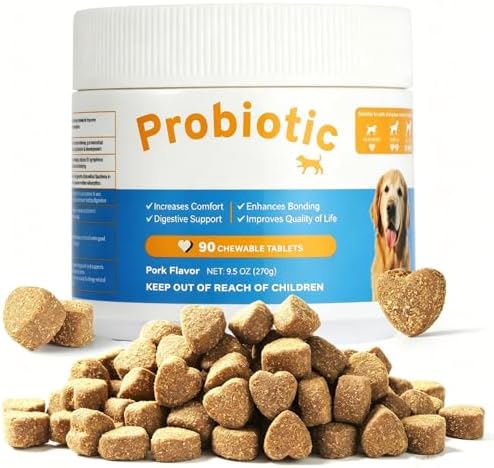
- Enriched with prebiotic FOS, apple cider vinegar and papaya powder to help maintain balanced intestinal flora for dogs
- Formulated to ease occasional gas and bloating while supporting regular digestive comfort for pups of different sizes
- Savory pork-flavored soft chew design works well for picky eaters, easy to follow weight-based feeding dosage
Next on the list, a powder option that’s become something of a staple in vet clinics: Purina Pro Plan Veterinary Supplements FortiFlora Diarrhea Support. The powder dissolves into wet food almost instantly, no clumping, no weird residue left in the bowl. I sprinkled it over Max’s dinner during a particularly rough stretch after a kennel stay, and his stool firmed up within about two days. Fair warning: the single-serve packets are convenient but generate a lot of small foil waste if you’re using it daily long term. Still, for acute flare-ups, this is the one I reach for first.

- Dog Digestive Health Supplement Kit: FortiFlora Diarrhea Response Kit features 2 stages with FortiFlora Response and For…
- Dog Gut Health Support: FortiFlora Response delivers kaolin and pectin to absorb excess water offering dog intestinal he…
- Proven Probiotics: FortiFlora probiotic supplement for dogs contains a probiotic proven to promote normal intestinal mic…
Rounding out the trio, an enzyme-based formula that approaches gut health from a slightly different angle: Enzymes for Dogs and Cat, Suitable for Digestion and Diarrhea Issues. Rather than just adding bacteria, this one helps break down food more efficiently before it ever reaches the gut flora. The powder has a faint earthy smell, nothing offensive, and mixed into shredded chicken it disappeared without Max noticing. I liked pairing this with a probiotic rather than using it alone. Enzymes and probiotics tackle different parts of the digestion puzzle, so the combo felt more thorough than either product solo.
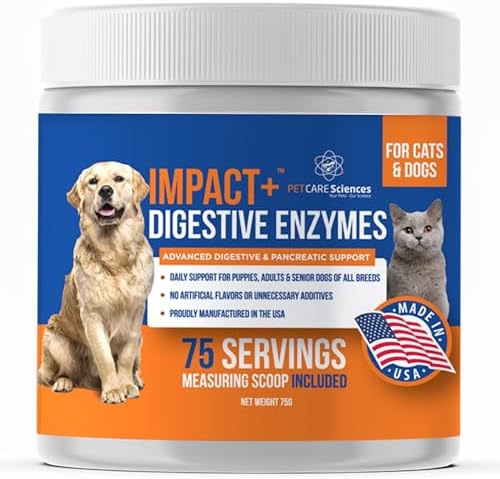
- DIGESTIVE SUPPORT FOR CATS AND DOGS – Specially formulated dog digestive enzymes powder to aid pets struggling with dige…
- IDEAL FOR PETS WITH PANCREATIC ISSUES – Our Digestive enzymes for cats and dogs provides essential support for dogs and …
- VETENARIAN RECOMMENDED ENZYMES – Formulated with powerful pancreatic enzymes, our cat and dog digestive enzyme includes …
Beyond these three, keep an eye out for capsule-based probiotic chews for dogs that list specific strain counts rather than vague “proprietary blend” language on the label. Transparency on strains usually signals a more serious formulation. Capsules work well for dogs who’ll eat anything disguised in peanut butter, but chews win for picky eaters almost every time in my experience.
Comparing the Top Dog Probiotics Side by Side
| Product | Format | Best For | Ease of Use | Price Tier |
|---|---|---|---|---|
| Dog Probiotic Chewable Tablets with Prebiotic Support | Chewable tablet | Daily gut maintenance | High (treat-like) | $$ |
| Purina Pro Plan FortiFlora | Powder sachet | Acute diarrhea flare-ups | High (mixes into food) | $$$ |
| Enzymes for Dogs and Cat | Powder | Digestion & nutrient breakdown | Medium (needs mixing) | $$ |
Signs Your Doodle Needs a Supplement Now
Not every gassy evening means you need to rush out and buy dog probiotics. But certain patterns are worth watching closely, especially in breeds already prone to canine gut health issues like Doodles.
- Soft stool that lingers past two days without firming up on its own
- Excessive gas that’s noticeably worse than normal, the kind that clears a room
- Lethargy paired with reduced appetite, especially right after a food or environment change
- Visible straining or discomfort during bathroom breaks
- Recurring tummy upset tied to specific triggers like boarding or new treats
Worth knowing: the FDA has flagged probiotic supplements as one of the fastest-growing categories in the entire pet product market. That growth isn’t random hype. It reflects a real shift in how pet parents approach gut health, treating it as preventive care rather than something you only address after a vet visit. If your dog’s symptoms go beyond mild and include blood in stool, repeated vomiting, or lasting more than 48 hours, skip the supplement aisle and call your vet instead.
For dogs still working through puppyhood specifically, our deeper breakdown of natural remedies for dog upset stomach and vomiting covers additional home-care steps that pair well alongside any supplement routine.

Introducing Probiotics Safely
Don’t dump a full dose into dinner on day one. Seriously, don’t. Doodle guts react to abrupt changes almost as badly as they react to the original problem you’re trying to fix.
Start with a quarter to half the recommended dose for the first three days. Watch stool consistency daily. If things stay stable or improve, bump up to the full dose gradually over the following week. This slow ramp matters more with powders and capsules than chews, since chews are usually pre-dosed per tablet anyway.
Timing matters too. Giving dog probiotics with food, rather than on an empty stomach, tends to improve absorption and reduces the odds of additional stomach upset during the transition. Stick to one new supplement at a time. Layering a new probiotic with a brand-new food or treat makes it nearly impossible to tell what’s actually causing a reaction if one shows up.
According to the American Kennel Club, consistency over weeks, not days, is what actually rebuilds a stable gut microbiome. A single dose during a flare-up might calm symptoms temporarily, but lasting results come from sustained daily use, especially in breeds genetically predisposed to sensitive digestion like Doodles.
If you’re also managing a sensitive-stomach Doodle long term through diet, pairing the right upset stomach supplement with an appropriate kibble makes a measurable difference. Our resource on small breed dog food for sensitive stomachs covers formulas that complement probiotic routines particularly well for smaller Doodle mixes.
One last practical note: track changes in a simple notes app or notebook. Date, dose, stool consistency, energy level. It sounds tedious, but after two weeks you’ll have real data instead of a vague gut feeling (pun intended) about whether the supplement is working.
How fast should dog probiotics start working for an upset stomach?
Most Doodles show some improvement in stool consistency within 24 to 72 hours when using a fast-acting formula like FortiFlora during an active flare-up. Daily maintenance chews work more gradually, often taking one to two weeks of consistent use to fully stabilize gut flora. If there’s zero improvement after four full days, stop and call your vet rather than increasing the dose on your own.
Can I give my Doodle human probiotics instead of dog-specific ones?
Skip the human aisle. Canine guts host different dominant bacterial strains than human guts, so human probiotics often contain the wrong species ratios to actually help, and some capsules include xylitol or flavoring that’s unsafe for dogs. Stick to formulas labeled specifically for canine use, even if it costs a bit more.
My Doodle’s gas got worse right after starting a probiotic. Is that normal?
A short burst of extra gas or looser stool in the first two to four days is common and usually means the gut bacteria are shifting. Cut the dose in half for a few days, then slowly build back up. If gas or diarrhea persists past day five, discontinue and consult your vet since it could signal an ingredient sensitivity rather than normal adjustment.
Should I give probiotics every day or only during flare-ups?
Daily use tends to produce better long-term results, especially for Doodles with chronic sensitivity, since it keeps gut flora consistently balanced rather than scrambling to fix things after symptoms already appear. That said, if your dog has a rock-solid digestive history, saving a fast-acting formula for stressful events like boarding or diet changes can work fine too.


