


My Goldendoodle’s kidney panel came back abnormal at his senior wellness check last spring, and the first thing I felt wasn’t worry. It was sticker shock. The vet handed me a bag of prescription renal food and quoted a price that made me do a double take, and that moment is exactly why I’m writing this. If you’re staring at kidney diets for dogs right now wondering whether the prescription stuff is actually worth the extra cash over a nice bag of senior formula from the pet store, you’re in good company. Let’s get into what the price difference actually buys you, because it’s not just marketing.
The Kidney Diagnosis Dilemma: Why Your Vet Pushes Prescription Food First
You leave the vet’s office with a diagnosis you weren’t expecting. Then comes the food talk. Your vet pulls out a bag that costs noticeably more than anything you’ve bought before, and no, it’s not a sales pitch.
Prescription renal diets exist because kidney disease changes how a dog’s body handles waste products, minerals, and protein. Vets reach for these diets first because the formulation has been engineered around bloodwork patterns, not general wellness. For Doodles specifically, this matters. Goldendoodles and Bernedoodles tend to run on the larger side, and bigger dogs often carry more muscle mass that complicates how we read creatinine and BUN values on a kidney panel.
Here’s the thing nobody tells you upfront. The sticker shock is real, but it’s not arbitrary. These foods go through formulation testing that standard adult or senior kibble never touches. That doesn’t mean every dog needs the priciest option on the shelf. It means the first conversation your vet has with you is about matching the diet to the actual severity of the disease, not just grabbing whatever’s labeled “senior” at the grocery store.
Kidney disease management isn’t about finding the most expensive bag on the shelf. It’s about matching the mineral and protein profile to what your dog’s bloodwork is actually telling you, and that’s a conversation worth having with your vet before you buy anything.
What’s Actually Different? Breaking Down Phosphorus, Protein, and Sodium Levels
This is where the real distinction lives, and it’s not fluff. Renal prescription diets typically restrict phosphorus down to somewhere between 0.2 and 0.5 percent on a dry matter basis. Standard over-the-counter adult formulas usually sit between 0.5 and 1.2 percent, according to WSAVA nutritional guidelines. That’s not a small gap. That’s roughly double to five times the phosphorus load, and for a dog with compromised kidneys, phosphorus is one of the main things the kidneys struggle to clear.
Protein gets more nuanced. Prescription renal diets don’t just slash protein across the board. They lower the total amount while keeping the quality high, so your dog isn’t losing muscle mass while also protecting kidney function. Sodium gets trimmed too, which helps manage blood pressure, something that creeps up quietly in dogs with kidney disease and often goes unnoticed until it’s a bigger problem.

Most OTC senior formulas weren’t built with any of this math in mind. They’re built for general aging support, joint health, maybe weight management. Good products, honestly, just not engineered for a kidney-specific mineral target. If your Doodle also has a touchy gut on top of the kidney diagnosis, it’s worth reading our breakdown of best dog foods for sensitive stomach to see how fiber and protein sourcing differ from kidney-specific formulas, since the two conditions sometimes overlap in older dogs.
One product that gets mentioned a lot in multi-pet households managing joint issues alongside kidney concerns is the ROYAL CANIN Veterinary Diet Canine Advanced Mobility formula. I tested a bag of it with a friend’s older Labradoodle who has mild joint stiffness, not kidney disease, but it’s worth noting because vets sometimes rotate dogs through different veterinary diets as multiple conditions appear with age. The kibble itself has a slightly larger, flatter shape than standard kibble, which actually seemed easier for her stiff-jawed senior dog to pick up off the floor. The smell is milder than I expected, less fishy, more neutral. Her dog took to it within two days, no stomach upset, though the bag does run smaller than it looks on the shelf, so budget for reordering sooner than you’d think.
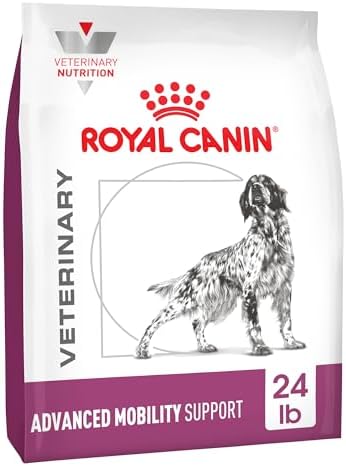
- A veterinary-exclusive dry dog food for adult dogs to help protect joint cartilage health
- In a clinical study, 88% of dogs showed an improvement in mobility when fed Advanced Mobility Support
- Supports joint cartilage health with select nutrients, including collagen, and provides a tailored blend of antioxidants…
The Real Cost Comparison: Prescription Kidney Food vs Premium OTC Options
Let’s talk numbers without talking exact dollars, since actual prices shift constantly. Prescription renal diets generally land in a noticeably higher price tier per pound than premium over-the-counter senior formulas. Think of it as a jump from a mid-tier grocery bill to a specialty pharmacy bill. It adds up fast, especially with a 60-pound Standard Poodle mix who eats more per day than a toy breed.
Here’s a side-by-side so you can see where the money actually goes.
| Diet Type | Phosphorus Level (Dry Matter) | Protein Approach | Needs Vet Prescription? | Price Tier |
|---|---|---|---|---|
| Prescription Renal Diet | 0.2% – 0.5% | Reduced, high-quality, muscle-sparing | Yes | $$$$ |
| Premium OTC Senior Formula | 0.5% – 1.2% | Moderate, not kidney-specific | No | $$$ |
| Budget OTC Adult Formula | 0.8% – 1.5% | Standard, growth or maintenance focused | No | $ |
| Veterinary Mobility + Joint Diet | Varies by formula | Moderate, joint-supportive additives | Usually | $$$$ |
Notice the gap isn’t just about the bag price. It’s about what’s engineered into the formula. Paying more for a prescription bag means paying for phosphorus and protein math that’s been calibrated against actual kidney bloodwork trends, not guessed at. That said, if your dog’s kidney values are only mildly elevated, your vet might tell you a premium OTC senior formula buys you time before stepping up to prescription-tier spending. It’s a legitimate strategy, not a shortcut.
Does Research Actually Support the Price Tag for Doodles with CKD?
Short answer: yes, and it’s not just vet office folklore. A 2021 study published in the Journal of Veterinary Internal Medicine found dogs with chronic kidney disease who were fed therapeutic renal diets had significantly longer survival times compared to dogs eating maintenance diets. That’s not a marginal difference buried in a footnote. That’s a real, measurable survival benefit tied directly to diet composition.
For Doodle owners, this lands differently depending on the cross. Standard-sized Goldendoodles and Bernedoodles live long enough that kidney disease often shows up gradually in their senior years, giving you time to actually implement dietary change before things get critical. Smaller Doodle mixes sometimes mask kidney decline longer because owners chalk up early symptoms, increased thirst, subtle weight loss, to normal aging.

This is also where supplements earn their place alongside diet, not instead of it. I started using Vetoquinol Epakitin Chitosan Pet Supplement as a phosphorus binder alongside my dog’s new renal diet, on my vet’s recommendation. It’s a powder, not a pill, which honestly made compliance a non-issue since I just sprinkle it over his food. The texture is fine, almost like a light flour, no clumping if you stir it in right away. The catch? It doesn’t dissolve completely, so there’s a faint grainy texture at the bottom of the bowl that my dog noticed for about a week before he stopped caring. Minor pet peeve, not a dealbreaker, and worth asking your own vet whether a binder makes sense for your dog’s specific phosphorus numbers.

- Kidney Function Support: Vetoquinol Epakitin is a chitosan-based oral powder that provides nutritional support for healt…
- Aluminum Hydroxide-Free Formula: This pet supplement features lactose, calcium carbonate, and hydrolyzed soy protein wit…
- Easy Feeding & Palatable: This convenient supplement powder blends smoothly as a tasty food mix, making it simple for pe…
According to ASPCA guidance on canine kidney disease, early dietary intervention paired with regular bloodwork monitoring remains one of the most reliable ways to slow disease progression in dogs. That lines up with what the 2021 study found, and it’s a good reminder that diet alone isn’t a cure-all. It’s one piece of a bigger management plan that includes hydration support, regular vet visits, and sometimes medication.
Smart Strategies: When OTC Kidney-Friendly Food Might Be Enough
Not every dog with slightly elevated kidney values needs to jump straight to prescription food, and I want to be honest about that instead of pushing you toward the priciest shelf option. Early-stage kidney concerns, especially ones caught on a routine senior panel before symptoms even show up, sometimes respond fine to a well-formulated senior diet with naturally lower phosphorus and quality protein sourcing.
My own vet actually suggested trying a senior formula first, with a recheck panel in eight weeks, before committing to prescription-tier spending. We ended up trying Hill’s Science Diet Adult 7+ Dry Dog Food as that interim step. My Goldendoodle actually preferred the kibble shape and size over his old food, smaller pieces, easier for an older dog with some dental wear to chew without pawing food around the bowl. The smell is mild, not overpowering like some senior formulas. My pet peeve? The bag doesn’t reseal great on its own, so I ended up clipping it shut with a chip clip after the first week. Minor annoyance, not a reason to skip it. His follow-up panel showed modest improvement, enough that we held off on prescription food for a few more months.

- Healthy heart, kidneys, and bladder supported by antioxidants and balanced minerals
- Lean muscles supported with high-quality protein
- Made with natural ingredients
That said, this strategy only works with close monitoring. If your dog’s creatinine or BUN numbers climb at the recheck, that’s your signal to stop stalling and move to a true prescription renal diet. Kidney diets for dogs aren’t one-size-fits-all, and the right call depends entirely on what your dog’s bloodwork says over time, not on what sounds reassuring in a blog post. If your Doodle also deals with digestive sensitivity alongside kidney concerns, our comparison of Purina vs Royal Canin vs Hill’s sensitive stomach formulas breaks down how those brands handle fiber and protein differently, which can matter when you’re juggling two conditions at once.
A few practical signs it might be time to upgrade from OTC to a true prescription renal diet:
- Your vet flags rising phosphorus on back-to-back panels, not just a one-time blip
- Weight loss shows up despite your dog eating normally, which often points to the kidneys working harder than the current diet supports
- Increased water intake becomes the new normal rather than an occasional hot-weather thing
- Your vet specifically recommends it after reviewing a full chemistry panel, not just a quick in-office check
Choosing between prescription renal diet options and over-the-counter kidney diets for dogs really comes down to severity, your vet’s bloodwork interpretation, and your own budget reality. Both paths can work. Neither one is a guess if you’re paying attention to the numbers.
Frequently Asked Questions
My dog hates the taste of prescription kidney food. What should I actually do?
Try warming the food slightly or mixing in a small amount of low-sodium broth to boost palatability without diluting the kidney-specific formulation too much. Transition gradually over seven to ten days rather than switching cold, and if your dog still refuses it after two weeks, call your vet. Several brands make different textures and flavors of the same prescription renal diets for dogs, so a different brand within the same category sometimes solves the problem without compromising the kidney support.
Can I mix prescription renal food with regular kibble to stretch the cost?
This dilutes the phosphorus and protein restrictions the prescription diet is specifically formulated to provide, which can undercut the whole point of the switch. If cost is the real issue, talk to your vet about whether a lower-tier prescription option or a well-chosen OTC kidney-friendly senior formula makes more sense than blending two diets with conflicting mineral profiles.
How fast should I expect to see results after switching to a kidney diet?
Most vets recheck bloodwork around six to eight weeks after a diet change, since kidney values shift gradually rather than overnight. Don’t panic if the first recheck shows only slight movement. Consistency over several months matters more than a dramatic early change, and sudden big shifts in either direction are worth flagging to your vet right away.
Is it safe to switch between prescription and OTC kidney diets for dogs depending on my budget that month?
Frequent back-and-forth switching makes it harder to track what’s actually driving changes in your dog’s bloodwork, and abrupt diet changes can trigger loose stool or appetite dips. If budget is a recurring issue, have an honest conversation with your vet about a sustainable long-term plan rather than toggling diets month to month based on cash flow.


