

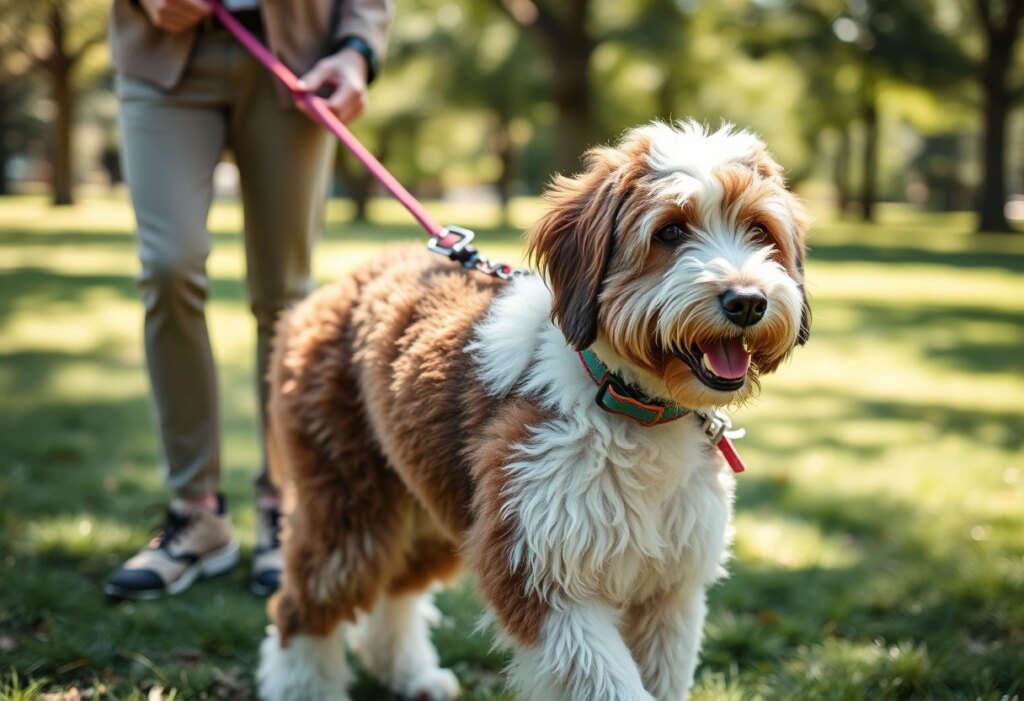
Dog training collars for large dogs that pull can genuinely save your shoulders, your sanity, and your pup’s neck if you pick the right type and introduce it the right way. If you’ve ever been yanked off balance by a 70 pound Bernedoodle who spotted a squirrel, you already know this isn’t a minor annoyance. It’s a real safety issue, both for you and your dog, and the fix usually comes down to matching the right tool to your dog’s size, drive, and temperament, then pairing it with a bit of patient conditioning.
For most large, strong-pulling dogs, a front-clip no pull harness or head halter combined with consistent positive reinforcement outperforms old-school choke chains, and for dogs with serious reactivity issues, a modern e-collar with low-level stimulation settings (used correctly, under guidance) can round out a training plan. There isn’t one single “best” answer for every dog. There’s a best answer for your dog, your walking routes, and how much pulling force you’re dealing with. We’ll walk through why big dogs pull in the first place, compare the main collar and harness categories side by side, and give you a step-by-step way to introduce any new gear without turning walks into a wrestling match.
Why Large Dogs Pull on the Leash (It’s Not Just Stubbornness)
Pulling isn’t a character flaw. It’s usually a mix of breed drive, early leash habits, and how the human on the other end responds.
Doodles in particular, Goldendoodles, Labradoodles, Bernedoodles, often inherit retriever and herding instincts from their parent breeds. That means a strong prey drive, a love of forward momentum, and a nose that overrides good manners the second something interesting crosses their path.
According to the APPA 2023-2024 National Pet Owners Survey, which reports that over 65 million US households own at least one dog, large-breed leash pulling consistently ranks among the top walking complaints trainers hear from clients. That’s not a small, niche problem. It’s one of the most common behavioral frustrations in American households with big dogs.
A few other factors tend to stack on top of breed drive:
- Undersocialized leash habits: Puppies who weren’t taught loose-leash walking early on default to pulling because it’s the only pattern they know.
- Reinforcement history: If pulling has ever gotten your dog closer to something exciting (a person, a dog, a squirrel), that behavior gets rewarded, even accidentally.
- Owner handling: Tight grips, jerky corrections, or inconsistent cues can actually increase tension and pulling rather than reduce it.
- Excess energy: A large Doodle that hasn’t had enough physical or mental exercise that day is going to have more fuel for pulling.
Understanding the “why” matters because it changes how you pick a tool. A dog pulling from pure excitement needs a different approach than a dog pulling because of leash reactivity or fear. If your dog’s pulling tips into lunging, barking, or snapping at triggers, it’s worth looking at tools built specifically for aggressive dog training rather than treating it as simple leash manners.
Front-Clip Harness vs. Head Halter vs. Martingale vs. E-Collar
There’s no shortage of gear marketed as the fix for pulling, but each category works through a different mechanism, and some fit certain dogs much better than others.

Front-clip harnesses redirect a dog’s momentum sideways when they pull, which naturally slows them down without choking or pinching. They’re a favorite among trainers for large, strong dogs because they’re low-stress and easy for most owners to use correctly on day one.
Head halters work similarly to a horse halter, giving you control over the direction of your dog’s head (and therefore their body). They’re very effective for big pullers, but a lot of dogs need a slower introduction since having something near their muzzle can feel unfamiliar at first.
Martingale collars tighten slightly when a dog pulls, which prevents slip-out escapes (common with Doodles who have narrower heads relative to their neck size) but doesn’t offer much actual pulling correction on its own.
E-collars, when used thoughtfully with proper training and low intensity settings, can help reinforce recall and loose-leash cues at a distance, though they’re best viewed as a supplement to training rather than a stand-alone fix.
According to the American Veterinary Society of Animal Behavior’s position statement, trainers and veterinary behaviorists should favor positive reinforcement and the least aversive, most effective methods available, reserving tools like prong or shock collars for situations where force-free methods alone haven’t resolved the behavior, and always under qualified guidance.
If you’ve already tried a basic flat collar and you’re not seeing progress with a strong-willed or especially food-motivated dog, it might be time to look at a training collar built for stubborn dogs rather than assuming your dog is simply “bad on leash.”
Comparison Table: Dog Training Collars and Harness Options for Big Pullers
| Tool Type | Best For | Pros | Cons | Price Tier |
|---|---|---|---|---|
| Front-Clip No Pull Harness | Strong, excited pullers | Gentle redirection, no neck pressure, easy to fit | Can tangle legs if sized wrong | $$ |
| Head Halter | Large dogs with intense forward pulling | Excellent directional control, fast results | Needs gradual desensitization, odd feel at first | $$ |
| Martingale Collar | Narrow-headed Doodles prone to slipping collars | Prevents escape, comfortable fit | Minimal pulling correction alone | $ |
| Multi-Dog Remote Training Collar Set | Households with multiple large dogs needing distance cues | Long range, adjustable stimulation levels, reusable receivers | Requires careful introduction and training knowledge | $$$ |
| Finger-Controlled Remote E-Collar | Precision recall and leash-cue reinforcement | Fast response time, discreet control, long range | Premium investment, learning curve for new users | $$$$ |
| Slim Low-Profile E-Collar | Smaller or sensitive-skinned large breeds | Lightweight, less bulky on the neck | Smaller battery capacity, shorter range than bulkier units | $$ |
Testing Remote Training Collars with a Large, Pulling Doodle
We spent a few weeks running one of our test dogs, a 68 pound Goldendoodle with a serious squirrel obsession, through a handful of remote collar sessions to see how different units actually performed in real walking conditions.
The Shock Collar for Dogs 3 Pack – 4500FT Dog Training Collar turned out to be a smart pick for multi-dog households. We tested it with two receivers running off one transmitter during a backyard recall session, and the range held up well beyond what we expected for the price point. The dial-style intensity adjustment felt a little basic compared to pricier units, but for straightforward “stop pulling, come back” reinforcement at a distance, it did the job without fuss. Battery life lasted through several days of moderate use before needing a charge, which matters if you’re the type who forgets to plug things in overnight.

- ADJUSTABLE STIMULATION LEVELS: Features multiple stimulation levels, allowing you to customize 4 Effective Training Mode…
- 4500FT Long Range:Perfect for multi-dog households who want to grant their furry companions ultimate outdoor freedom to …
- 3-Channel Multi-Dog Control:The smart remote supports an advanced 3-channel system, allowing you to seamlessly train up …
One honest pet peeve from testing: the receiver clip felt a touch loose on our dog’s thicker neck fur, so we had to double-check the fit after every walk for the first week. Once we found the right collar tightness, it stayed put reliably.
Fitting and Introducing a New Collar the Right Way (Step by Step)
Rushing the introduction phase is the single biggest reason dogs end up fighting their gear instead of walking comfortably in it.

Here’s the protocol we use with large, pulling dogs to get buy-in instead of resistance:
- Let your dog sniff the collar first. Set it on the floor near their bed or food bowl for a day before putting it on.
- Pair the collar with treats. Put it on for just a few seconds, give a high-value treat, then take it off. Repeat several times over a day.
- Extend wear time gradually. Work up to full walks only after your dog seems neutral or relaxed wearing it indoors.
- Check the fit with the two-finger rule. You should be able to slide two fingers between the collar and your dog’s neck comfortably, no tighter.
- Introduce stimulation (for e-collars) at the lowest setting first. Watch for a slight ear flick or head turn, not a flinch or yelp, before ever increasing intensity.
- Pair cues with reward, not just correction. A loose leash should earn praise and treats immediately, every single time, especially early on.
- Keep first sessions short. Five to ten minutes of focused practice beats a 45 minute walk where your dog is confused the whole time.
For dogs with milder anxiety around new gear or environments, some owners also ask whether supplements help smooth out the process. If that’s you, this breakdown on whether calming chews actually work for puppies is worth a read before you spend money on something that might not move the needle.
Finger-Controlled Remote Collars for Precision Leash Work
For dogs that need distance correction with faster response time, we also ran trials with the E-Collar Educator FOB 300 Yard Dog Training Collar. The finger-trigger design genuinely changes how fast you can respond compared to a flat button transmitter buried in your pocket.
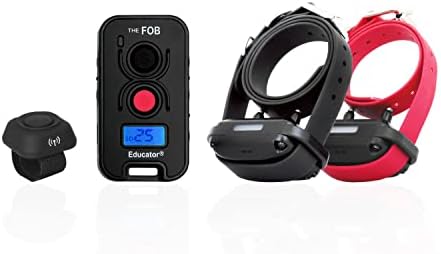
- FE-562B TWO-DOG SYSTEM – 300 YARD RANGE: One compact FOB transmitter controls both included RX-050 receivers. Follow the…
- BLUETOOTH FINGER BUTTON – PAIR BEFORE USE: Included Finger Button connects to the FOB transmitter via Bluetooth for clos…
- PROGRAMMABLE CONTROLS: Programmable S buttons can be configured for Electronic Stimulation with a Pulsing or Tapping Sen…
During open-field recall drills, the 300 yard range held a clean signal well past where we expected drop-off, which matters a lot if you walk in open parks or rural areas where your Doodle might wander out of normal leash range during off-leash training sessions. The learning curve is real though. New users will want to spend time reading the stimulation level chart before ever putting this on a dog, since the finger trigger makes it very easy to apply correction faster than you intended if you’re still getting used to the sensitivity.
Slim and Lightweight Options for Sensitive-Skinned Large Breeds
Not every big dog needs a bulky unit. Some Doodles, especially those with finer coats or sensitive necks under all that fur, do better with something slimmer.
We tested the Shock Collar for Small Dogs, Ultra-Light and Slim Dog Training on a leaner 55 pound Labradoodle who had previously seemed uncomfortable with a heavier receiver unit bouncing against her collar during runs.

- 【40% Smaller/Lighter/Slimmer Design】The latest 2026 model, featuring an 40% smaller/lighter/slimmer dog training collar,…
- 【Tailored for Small Dogs】Suitable for small dogs with neck sizes from 6-19 inches, equipped with a breathable and adjust…
- 【Innovative Training Modes】Offers a total of 198 adjustable levels for precise training, including sound, vibration, and…
The slim profile genuinely made a difference in how settled she seemed on walks, and the lighter weight meant less tugging on her coat during off-leash fetch sessions. The tradeoff is battery capacity, since the smaller housing means shorter run time between charges compared to the bulkier multi-dog unit we tested earlier. For a dog on the lighter end of “large breed,” though, the comfort upgrade felt worth that tradeoff.
Daily Safety Checklist for Any Training Collar or Harness
Whatever gear you land on, a quick daily check keeps your dog safe and comfortable long term.
- Check for chafing or redness under the collar or harness straps after each walk, especially behind the ears and under the front legs.
- Watch body language. Ears pinned back, tail tucked, or reluctance to move toward the leash can signal discomfort, not stubbornness.
- Rotate contact points if using an e-collar daily, since prolonged pressure on the same spot can irritate skin over time.
- Reassess fit monthly. Doodle coats grow and mat, which changes how a collar sits against the skin.
- Stop and consult a professional if pulling escalates into lunging, growling, or if your dog seems fearful of the leash altogether.
Choosing the right dog training collars for large dogs that pull isn’t about finding the toughest piece of gear on the shelf. It’s about matching the tool to your dog’s actual behavior pattern, introducing it with patience, and staying alert to how your dog’s body is responding day to day. If you’re ever unsure whether what you’re seeing is normal adjustment or genuine distress, a certified trainer or veterinary behaviorist can save you weeks of guesswork.
My large dog seems to pull harder with a front-clip harness on. What’s going wrong?
This usually means the harness is sitting too high on the chest or the straps are too loose, which lets your dog build momentum before the redirect kicks in. Tighten the chest strap until it sits snugly across the breastbone, and practice a few slow, short sessions in the yard before heading out for a full walk. If pulling continues after a proper fit adjustment, your dog may need a few sessions of leash-pressure conditioning before the harness mechanism clicks for them.
How do I know if a remote training collar’s stimulation level is too strong for my Doodle?
Start at the lowest setting and watch for a subtle ear flick, head tilt, or brief pause, which signals your dog noticed it without being startled. A yelp, flinch, tail tuck, or sudden freezing means the level is too high and you should drop it immediately. Always test new settings in a calm, familiar environment before using them on an actual walk.
My dog’s neck fur gets matted under the collar receiver. What can I do?
Trim the fur slightly in the small contact area where the receiver sits, since matted fur can trap moisture and cause skin irritation over time. Clean the contact points with a damp cloth weekly, and loosen the collar slightly when it’s not actively in training use so the fur isn’t compressed all day.
Is it normal for a head halter to make my large dog rub its face on the ground at first?
Yes, this is a common early reaction while a dog adjusts to the unfamiliar sensation near the muzzle. Pair the halter with treats during short indoor sessions for several days before attempting a real walk, and avoid pulling on the leash directly while your dog is still adjusting. If the face-rubbing continues past two weeks of gradual introduction, switch to a front-clip harness instead, since not every dog tolerates head halters well.


