

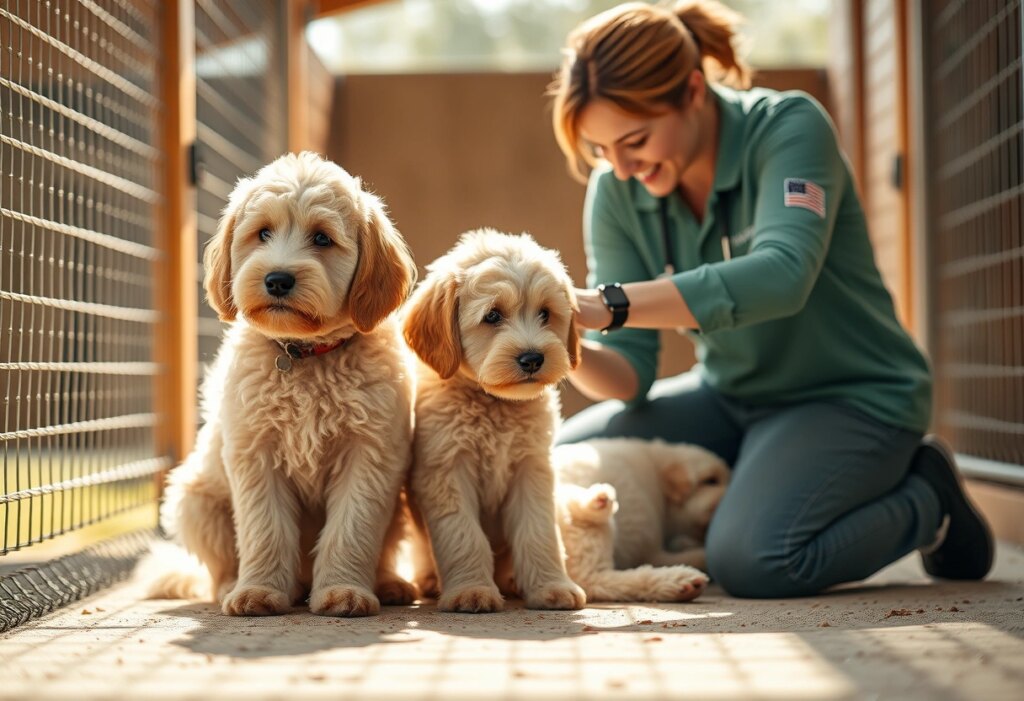
Falling for a Doodle puppy’s floppy ears and goofy grin is the easy part. The hard part comes months or years later, when hidden health problems or behavioral issues from poor breeding surface, and families find themselves facing an impossible decision about rehoming a dog they already love. Choosing the right doodle breeder from the start is the single biggest factor in whether your puppy grows into a stable, healthy companion or becomes another sad statistic in a shelter intake log.
So what should you actually look for in a doodle breeder? At minimum: documented health testing on both parents, full transparency about where and how the puppies are raised, a written contract with a lifetime return clause, and a willingness to answer every question you throw at them without getting defensive. A reputable doodle breeder treats the sale as the beginning of a relationship, not the end of one.
This guide walks through exactly what that looks like in practice. We’ll cover the health clearances that matter, how to tell an ethical breeder apart from a puppy mill in disguise, and the step-by-step questions to ask before you ever hand over a deposit.
What to Look For in a Doodle Breeder, Beyond the Cute Photos
A good doodle breeder is part geneticist, part dog trainer, and part counselor for anxious new puppy parents. They should be able to show you, not just tell you, that their breeding dogs are healthy, temperamentally sound, and raised in conditions that set puppies up for success.
Three things separate an ethical operation from a backyard setup chasing a quick sale: visible parent dogs, verifiable health clearances, and a contract that protects the puppy for its entire life. If a breeder can’t produce all three without hesitation, that’s your answer right there.
Visibility matters more than people realize. Ask to meet both parent dogs in person, or at minimum see live video of them in their everyday environment. A doodle breeder who stalls on this request, or who insists you meet only the mother “for the puppy’s safety,” is often hiding a stud dog with issues or a facility you wouldn’t want to see.

Mandatory Health Clearances: The Non-Negotiable Checklist
Doodles inherit health risks from both their Poodle and retriever or spaniel ancestry, which means responsible breeders test for conditions common in both parent breeds. Here’s what should be on paper, not just promised verbally, before you consider a litter.
- Hip and elbow evaluations through the Orthopedic Foundation for Animals, with ratings of Fair, Good, or Excellent for hips and Normal for elbows
- PRA-prcd eye panel to rule out progressive retinal atrophy, a degenerative condition that causes blindness
- Von Willebrand’s Disease testing, a bleeding disorder that shows up in Poodle lines and can complicate even routine surgeries
- Embark or similar DNA panel covering degenerative myelopathy, neonatal encephalopathy, and GM2 gangliosidosis depending on the Doodle variety
- Cardiac clearance from a veterinary cardiologist, particularly important in Bernedoodle and Cavapoo lines
- Patella evaluation to rule out luxating patellas, common in smaller Doodle varieties
Ask for the actual certificate numbers so you can look them up independently on the OFA database. A trustworthy doodle breeder expects this and often has the paperwork ready before you even ask.
Once your puppy comes home, that early investment in a healthy start continues with proper grooming care. A gentle, tear-free formula like the Chris Christensen Spectrum Ten Dog Shampoo is a smart addition to your puppy supply list, since Doodle coats are prone to irritation and matting from the earliest weeks.

- SOFT COAT SHAMPOO – Chris Christensen Spectrum Ten Shampoo is designed specifically for soft drop and wavy coats to crea…
- LONG AND FLOWING – Spectrum Ten Dog Shampoo gently cleans the coat and calms unruly hair while eliminating frizz, creati…
- IDEAL COAT TYPES – Chris Christensen Spectrum Ten Shampoo is best suited to medium to long, soft, silky, delicate coats,…
A puppy with a clean genetic background can still end up back in a shelter if the breeder never prepared the family for the breed’s energy level or grooming demands. Health testing protects the body, but honest breed education protects the home.
Red Flags vs Green Flags: Spotting the Difference
According to the ASPCA, an estimated 2.1 million dogs are purchased from pet stores or online sellers every year, and a significant portion of those sales trace back to puppy mills or unregulated backyard operations. Many of those dogs develop costly health or behavioral problems that lead directly to rehoming. Knowing the warning signs ahead of time is your best defense.
| Signal | Puppy Mill / Backyard Breeder | Ethical Doodle Breeder | Price Tier |
|---|---|---|---|
| Health Testing | No documentation, or vague claims of “healthy parents” | OFA hips/elbows, PRA-prcd, von Willebrand’s, full Embark panel on file | $$$$ |
| Parent Dog Access | Puppies shipped sight unseen or met in a parking lot | In-person visits or live video of both parent dogs encouraged | N/A |
| Litter Frequency | Mother bred on back-to-back heat cycles | Mother rested between litters, retired by age 6 to 8 | N/A |
| Contract and Support | Cash-only, no written contract, no return policy | Written contract with lifetime return/rehoming clause | $ |
| Puppy Pricing | Suspiciously low cost with multiple breeds or colors always available | Reflects genuine investment in testing, vet care, and early socialization | $$$$$ |
| Post-Sale Communication | Disappears after payment clears | Available for questions throughout the dog’s life | N/A |
If more than one or two of these red flags show up during your search, it’s worth walking away even if the puppy photos are adorable. A legitimate doodle breeder will never pressure you to decide quickly or wire a deposit before you’ve asked a single question.
Step-by-Step: How to Interview a Doodle Breeder
Treat the first conversation like a job interview, except you’re the one hiring. These steps will help you separate an ethical doodle breeder from someone just looking to move puppies fast.
- Request health clearance documents first. Ask for OFA certificate numbers and Embark results before discussing price or availability.
- Ask to see the whelping area. Puppies raised indoors, underfoot, with regular human handling tend to socialize better than those raised in isolated kennels.
- Request veterinary records for the litter. Deworming schedules, first vaccinations, and a vet exam should already be documented by 8 weeks.
- Read the contract line by line. Look specifically for a lifetime return or rehoming clause, which obligates the breeder to take the dog back at any age if things don’t work out.
- Ask about temperament testing. Breeders who evaluate puppies for energy level and sociability can better match you with a dog suited to your lifestyle, which matters if you’re already worried about managing a high energy Doodle in a smaller home.
- Ask what happens if the puppy doesn’t work out. Their answer tells you everything. A good breeder says “bring the dog back to me,” not “that’s not my problem anymore.”
If a breeder’s waitlist, pricing, or communication style feels off at any point, it’s reasonable to pause and look elsewhere, including considering a rescue organization instead of a breeder that screens dogs for the same overbreeding red flags.

Once your puppy is home, proper grooming tools make a real difference in coat maintenance and bonding time. A quality slicker brush and comb set, like the Chris Christensen Groomer’s Bundle, helps prevent painful mats before they start, which is a common reason overwhelmed owners cite when considering giving up a Doodle.
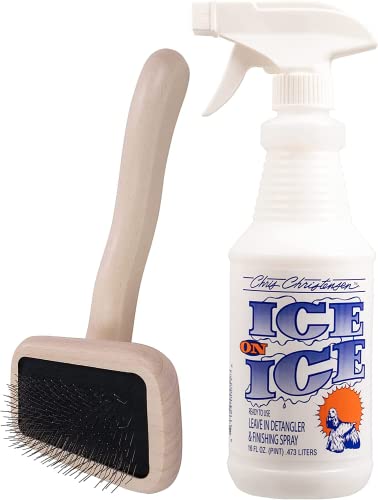
- KARBEN SLICKER BRUSH – The Kärben Slicker brush by Chris Christensen is expertly crafted to cater to the needs of Groome…
- IDEAL FOR ALL COAT TYPES – Kärben Slicker Brushes are perfect for removing tangles, matts, shedding coat, and debris, wh…
- ICE ON ICE – Chris Christensen’s Ice on Ice is a ready to use leave-in conditioner and detangling spray. While it also d…
Puppy Mill Warning Signs You Can’t Afford to Ignore
Some puppy mill warning signs are subtle enough that first-time buyers miss them entirely. Multiple breeds advertised by the same “breeder,” puppies always in stock regardless of season, and sellers who accept payment apps with no paper trail are all common puppy mill warning signs worth remembering.
Another overlooked signal shows up early in a puppy’s life: excessive mouthing or fear-based biting that goes beyond typical teething behavior. While some nipping is developmentally normal, a litter raised without proper handling or weaned too early often shows more intense biting patterns, which is covered in more depth in our guide on when puppy biting signals a deeper problem. Breeders who understand early socialization reduce this risk considerably.
Setting Your Doodle Up for a Lifelong Home
Choosing an ethical doodle breeder isn’t about chasing perfection. It’s about stacking the odds in your favor so your puppy has the healthiest possible start and so you walk in with realistic expectations about grooming, exercise, and temperament.
The time you spend vetting a doodle breeder now is time you won’t spend later trying to rehome a dog you fell in love with but weren’t fully prepared for. Ask the hard questions, verify the paperwork, and trust your instincts if something feels rushed or evasive.
A dog brought home from a responsible doodle breeder, paired with patient training and consistent care, has every chance of becoming the steady, loving companion you pictured from the start.
How do I know if a doodle breeder is reputable?
A reputable doodle breeder provides documented OFA hip and elbow clearances, PRA-prcd eye testing, and von Willebrand’s Disease results for both parent dogs. They also allow you to meet the parents in person, provide a written contract with a lifetime return clause, and remain available for support long after the sale.
What questions should I ask a doodle breeder before buying?
Ask for health clearance certificate numbers, veterinary records for the litter, details on where puppies are raised, and whether the contract includes a lifetime rehoming clause. Also ask how they handle temperament matching, since this helps avoid placing a high-energy puppy in the wrong household.
What are common puppy mill warning signs with Doodle breeders?
Common puppy mill warning signs include multiple dog breeds advertised by the same seller, puppies always available regardless of season, no written contract, cash-only transactions, and refusal to let buyers see the parent dogs or whelping area in person or on video.
Why does a lifetime return clause matter when choosing a doodle breeder?
A lifetime return or rehoming clause obligates the doodle breeder to take the dog back at any point in its life if circumstances change. This protects the dog from ending up in a shelter and reflects a breeder’s genuine commitment to the welfare of every puppy they produce.


