Ear plucking powder is a grooming aid that grips slippery hair inside your Doodle’s ear canal, but whether it actually makes plucking safer than going powder-free is a real debate among groomers and vets alike. If you’ve stared at a jar of ear powder in the pet aisle and wondered if you actually need it, you’re not alone. I’ve fielded this question from dozens of Doodle owners over the years, and the honest answer is: it depends on your dog’s ears, their skin sensitivity, and how the plucking is actually done. Let’s get into what the powder does, what happens without it, and how to figure out which method fits your pup.
Why Doodle Ears Grow Hair Where Other Dogs Don’t
Poodle-type coats keep growing instead of shedding out on a cycle, and that includes the hair inside the ear canal. Labradors, Beagles, and most shedding breeds have minimal hair down in there, so their ears stay relatively self-cleaning. Doodles inherit the Poodle side’s non-shedding coat gene, which means hair keeps sprouting inside the canal just like it does on their legs or muzzle. That hair traps moisture, wax, and debris, and combined with those floppy, low-airflow ears most Doodles have, it creates a near-perfect setup for yeast and bacterial overgrowth if nobody ever manages it.
This is the root reason ear plucking powder even exists as a product category. It’s not really about the hair itself, it’s about what stagnant hair does to airflow and moisture inside a floppy ear canal. A Goldendoodle with thick, wavy ear fluff is dealing with a genuinely different anatomical situation than a short-haired dog, and that’s worth keeping in mind before you assume every grooming trick made for other breeds applies equally here.
What Ear Plucking Powder Actually Does (and What It Doesn’t)
Ear plucking powder is a fine, drying powder, often cornstarch-based with a bit of menthol or eucalyptus, that you dust onto the hair inside the ear before plucking. Its real job is grip enhancement. Wet or oily ear hair slides right through your fingers or hemostats, and the powder soaks up that residual moisture so each hair strand can actually be grabbed and pulled cleanly instead of slipping and requiring repeated tugging on the same spot.
Here’s where the myth comes in: a lot of product marketing implies the powder itself numbs the area or reduces pain during plucking. Grooming industry sources are pretty consistent that this isn’t accurate. Menthol creates a cooling sensation, but it isn’t an anesthetic, and it does nothing to change how much a hair follicle feels when it’s pulled. What the powder actually reduces is the number of repeat grabs on the same hair, which is a legitimate way to lower discomfort, just not through the mechanism the packaging suggests. So the powder helps efficiency and cleanliness of the pull, not pain itself.

If you’re keeping your Doodle’s coat tidy in general between grooming sessions, a tool like the Analan Mini Pet Hair Remover for Car Detailing Dog is handy for cleaning loose hair off furniture and car seats after an ear grooming session, since plucked hair tends to scatter more than you’d expect.

- THREE TOOTH SIZES WORK IN SEQUENCE – Tackling every stage of buildup. Our triangular remover features three sides with d…
- REUSABLE, DESIGNED TO GRIP – Made with durable, sturdy construction that holds up to repeated use. Sized to feel comfort…
- BEST FOR TEXTURED AND SEMI-FIRM SURFACES – For car interiors, rugs, carpets, car mats, stairs, pet beds, fabric seat cus…
The No-Powder Approach: Hand-Stripping With Clean Fingers
Plenty of experienced groomers and vet techs skip powder entirely and hand-strip ear hair using just clean, dry fingers or a light dusting of cornstarch alternative. The appeal here is control. Fingers can feel resistance in a way that hemostats or forceps can’t, so you’re less likely to grab a clump that includes skin or to yank at an awkward angle. For Doodles with thin, reactive skin (which shows up a lot in Bernedoodles and smaller mini Poodle mixes), this tactile feedback matters.
The tradeoff is grip. Without powder, oily or fine hair slips more often, which means more repeated attempts on the same follicle before it actually comes free. That repetition is where a lot of the real irritation comes from, not from a single clean pull. Groomers who go powder-free successfully tend to work in smaller sections, use good lighting, and stop the moment a dog shows discomfort, rather than trying to power through an entire ear in one sitting.
Neither method is inherently more humane on paper. It comes down to technique, patience, and reading your dog’s stress signals in real time. A dog who tenses up, pulls away, or starts head-shaking mid-session is telling you something regardless of whether powder is involved.
What the Veterinary Community Actually Says
This is where things get more nuanced than most grooming blogs let on. Routine ear plucking, powder or not, is genuinely debated within veterinary circles. Some veterinary dermatologists argue that pulling hair from a healthy, dry, well-ventilated canal is unnecessary and can cause micro-trauma to the follicles and skin, which in turn creates tiny inflamed entry points for bacteria and yeast. Others maintain that in dogs with heavy hair growth and chronic moisture retention, controlled plucking reduces infection risk more than it causes it.
The American Kennel Club notes that ear care should be tailored to the individual dog’s ear conformation and hair growth pattern rather than applied as a blanket rule, and that over-plucking or aggressive technique is a real risk factor for otitis externa, not just an occasional annoyance. VCA Animal Hospitals’ ear care resources echo this: they emphasize that if a dog already has red, inflamed, or itchy ears, plucking (with or without powder) should pause until a vet has ruled out an active infection, because pulling hair from irritated skin makes existing inflammation worse.

The safest rule of thumb most vet techs give owners: if the ear looks calm, dry, and odor-free, light maintenance plucking is reasonable. If it’s red, smelly, or your dog is already pawing at it, put the powder and the fingers away and get a vet to look first.
This matters more for Doodles specifically because their floppy ear shape already limits airflow. Adding micro-trauma from overly aggressive plucking on top of that anatomy is a combination that can tip a healthy ear into a chronically inflamed one.
Comparing Ear Plucking Powder vs the No-Powder Method
To make the decision easier, here’s a side-by-side breakdown of how each approach stacks up across the factors that actually matter for Doodle owners.
| Method | Grip Control | Skin Sensitivity Risk | Best For | Price Tier |
|---|---|---|---|---|
| Ear Plucking Powder | High (dries hair for a cleaner grab) | Low to moderate (fewer repeat pulls) | Thick, oily, or heavily matted ear hair | $ |
| Cornstarch-Based Powder | Moderate to high | Low (gentler, less menthol irritation) | Sensitive-skin Doodles needing some grip | $ |
| Hand-Stripping, No Powder | Low to moderate (depends on hair oiliness) | Moderate (more repeat tugging on slippery hair) | Dry, fine ear hair; thin-skinned dogs | $ (no product cost) |
| Hemostat/Forceps Tool | Very high | Higher (less tactile feedback, more risk of over-grabbing) | Professional groomers, experienced handlers | $$ |
| Vet or Groomer-Assisted Plucking | High (trained technique) | Lowest (trained to stop at signs of irritation) | First-timers, sensitive or reactive dogs | $$$ (service cost) |
Keeping the Area Clean After Plucking (Powder or Not)
Whichever method you choose, ear plucking powder or bare fingers, cleanup afterward matters just as much as the technique itself. Residual powder, loose hair fragments, and natural ear discharge can migrate toward the eyes on dogs with heavy facial hair, which is common in Bernedoodles and Goldendoodles with fuller faces. Gentle wipes formulated for the eye area, like the jioijioi Pets Eye Wipes, Eye Defense Wipes, Tear Stain wipes, can help clear away any stray debris around the face after a grooming session without introducing harsh chemicals near sensitive eye tissue.

- Pets Eye Wipes:Designed specifically for daily eye care, these pet eye care wipes help remove visible dirt and debris ar…
- Eye Defense Wipes:With a smooth texture that feels gentle on the sensitive skin around the eyes, it can glide easily ove…
- Tear Stain Remover for Pet:Rich in plant extract ingredients, these wipes offer a refreshing cleaning experience and hel…
If your grooming routine also involves keeping longer facial or head fur out of the way while you work near the ears, small accessory clips can be genuinely useful, even something as simple as the Black Cute Cat Ears Hair Clips, Pins Hairpin Ears Barrettes to hold hair back so it doesn’t fall into your line of sight or get in the way of a clean pull.
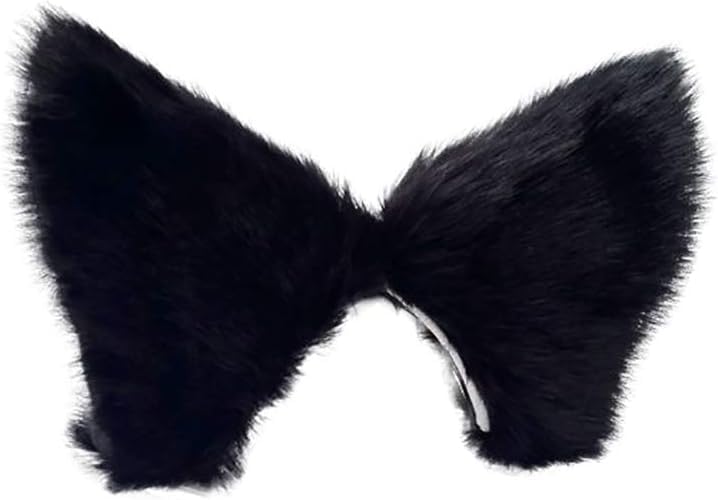
- MATERIAL QUALITY: Premium quality faux fur cat ears with , texture for realistic appearance and comfortable wear
- DESIGN FEATURES: Sturdy metal hair clips with secure grip, preventing slipping during wear while maintaining hairstyle i…
- VERSATILE USE: Perfect for Halloween costumes, cosplay events, themed parties, or adding a playful touch to everyday out…
A Decision Framework: How to Choose for Your Specific Doodle
Rather than picking a side in the ear plucking powder debate outright, walk through these three questions with your dog in front of you.
- What’s your coat type doing inside the ear? Thick, curly, or wavy hair that’s visibly oily benefits from powder’s grip. Fine, dry hair often comes out fine with bare fingers.
- How does your dog’s ear canal react to touch? If your Doodle flinches or pulls away easily even during routine ear checks, that’s a sign to minimize repeat tugging, meaning powder’s improved grip efficiency may actually reduce total discomfort.
- Is there any current redness, odor, or discharge? If yes, stop. Neither powder nor no-powder plucking should happen on an already irritated ear. Get a vet exam first.
Working alongside a groomer who knows your dog’s history, or asking your vet to demonstrate proper technique at a routine visit, takes a lot of the guesswork out of this. Many vet-groomer teams will happily show you hands-on how much hair is actually reasonable to remove versus what should just be trimmed with scissors around the opening instead of pulled from inside the canal.
For dogs with consistently heavy hair growth and no history of ear sensitivity, ear plucking powder tends to be the more efficient and arguably gentler choice simply because it reduces how many times you have to grab the same strand. For dogs with reactive skin or a history of ear inflammation, going slower with clean fingers, or skipping plucking in favor of scissor-trimming around the opening, is often the safer long-term call. There isn’t one universal winner here, and that’s honestly the most accurate answer any groomer or vet dermatologist will give you.
Frequently Asked Questions
Is ear plucking powder safe to use on all Doodle breeds?
Ear plucking powder is generally safe for healthy ears across Goldendoodles, Labradoodles, and Bernedoodles, but it should never be used on ears that are red, inflamed, or have an odor. Always check with your vet first if your dog has a history of ear infections before introducing ear plucking powder to your routine.
How often should I pluck my Doodle’s ear hair?
Most Doodles do well with ear hair maintenance every four to six weeks, though this varies by individual hair growth rate. Dogs with very heavy ear hair growth may need it slightly more often, while dogs with finer hair can often go longer between sessions.
Does hand stripping ear hair hurt less than using powder and tools?
Not necessarily. Hand stripping ear hair without powder can actually require more repeated tugging on the same strand because grip is reduced, which may cause more cumulative discomfort than a single clean pull achieved with better grip from powder. Technique and pacing matter more than which method you choose.
Can over-plucking cause ear infections in Doodles?
Yes. Aggressive or overly frequent plucking, with or without ear plucking powder, can cause micro-trauma to the hair follicles and skin inside the canal. This creates small entry points where bacteria and yeast can take hold, increasing the risk of otitis externa, especially in Doodles with already low ear airflow.