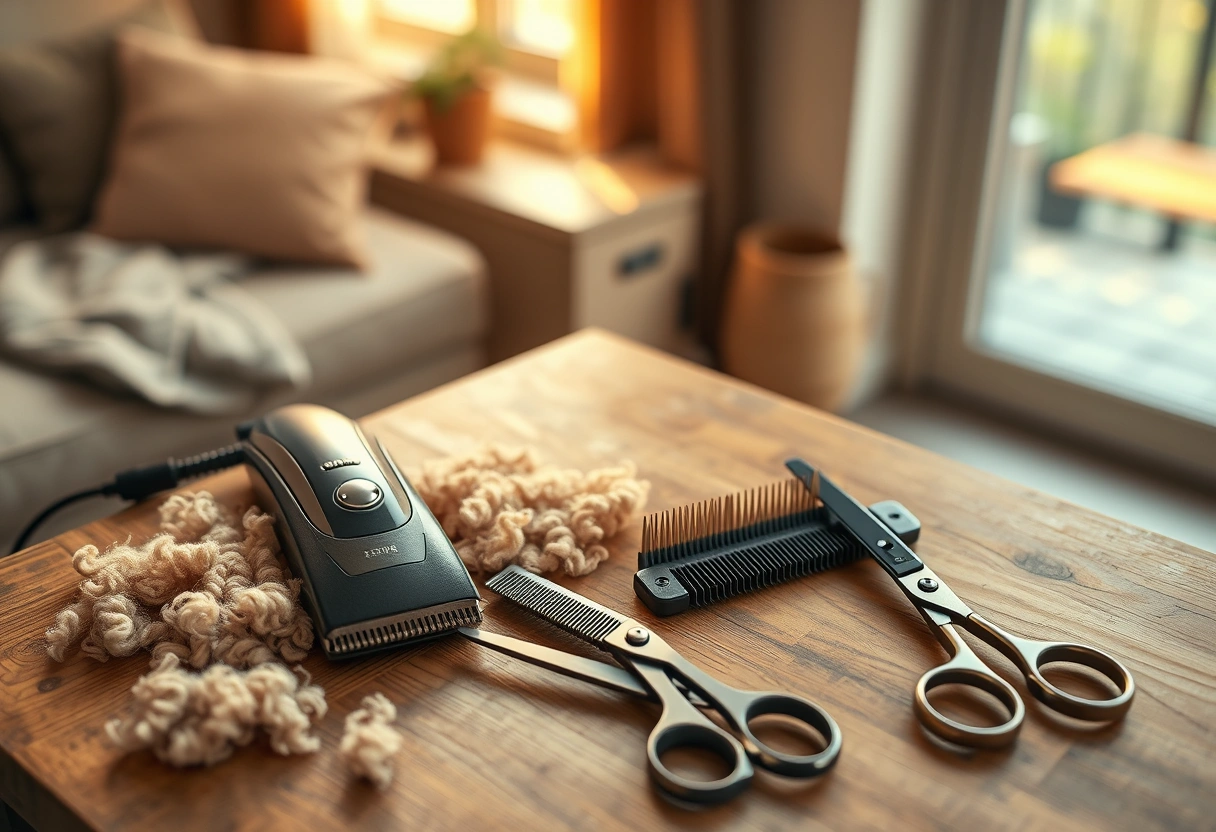
Standing over your Goldendoodle with clippers in hand for the first time is nerve-wracking, and that anxiety is completely valid. One wrong pass with the wrong blade and you’re left with a patchy coat and a guilt trip that lasts for weeks. The good news: the right goldendoodle clippers paired with a slow, steady approach can make home grooming safe, manageable, and even a little bonding-friendly for both of you.
If you’re short on time, here’s the quick answer. Look for a 5-speed clipper with detachable, cool-running blades designed for thick or curly fur, not a basic human hair trimmer or a cheap single-speed unit. Pair it with a slicker brush and a dematting comb, and you’re covering about 90 percent of what a Goldendoodle’s coat actually needs between professional visits.
This guide walks through why Goldendoodle fur behaves the way it does, which tools actually earn a spot in your grooming basket, a full step-by-step session you can follow at home, and an honest look at when DIY clipping makes sense versus when it’s smarter to book a pro. By the end, you’ll know exactly what to buy and how to use it without turning bath day into a disaster.
Why Goldendoodle Coats Mat So Fast (The Coat Science)
Goldendoodles are a cross between a Poodle and a Golden Retriever, and that combination creates a coat that’s genetically primed to trap loose hair instead of shedding it out. The curlier or wavier the coat, the more the undercoat gets tangled up with the topcoat, which is exactly what causes those stubborn mats behind the ears, under the armpits, and around the collar line.
This isn’t a grooming failure on your part. It’s just biology. A single-coated breed like a Labrador sheds hair that falls away cleanly, but a Doodle’s looser, curlier hair shaft tends to hold onto shed fur instead of releasing it.
The American Kennel Club notes that Doodle coats generally need brushing three to five times a week to prevent matting, and that frequency isn’t an exaggeration. Skip even a few days during a heavy shedding cycle and you can go from smooth curls to a felted mess surprisingly fast.

Choosing the right goldendoodle clippers matters here too, because a weak or single-speed clipper will bog down and pull on matted fur rather than gliding through it cleanly. That’s often where clipper burn and nicked skin come from, not from the clipping itself but from forcing an underpowered tool through hair it wasn’t built to handle.
A mat isn’t just a cosmetic issue. Left untended, it pulls on the skin with every movement, traps moisture against the body, and can hide skin infections or hot spots that go unnoticed until they’re painful.
Essential Tool Checklist for Home Goldendoodle Grooming
Before you touch a single blade to your dog’s coat, build out a small toolkit. Trying to groom a Doodle with just one brush and a pair of kitchen scissors is how most DIY sessions go sideways.
- A 5-speed clipper with detachable blades, such as an Andis or Oneisall model built for thick or curly coats, not a basic single-speed trimmer meant for touch-ups.
- A slicker brush for daily line-brushing down to the skin, which is the only way to catch mats before they tighten.
- A dematting comb or rake for the tangled spots a slicker brush can’t fully clear.
- Round-tip safety scissors for trimming around the eyes, paws, and sanitary area where clippers feel too risky.
- Cooling spray or clipper oil to keep blades from overheating during longer sessions.
- A grooming vacuum attachment to pull loose fur away as you work instead of letting it pile up on the floor and furniture.
That last point matters more than people expect. A dedicated Ozumek Dog Grooming Vacuum Kit pulls hair directly into a collection canister while you clip or brush, which cuts cleanup time dramatically and keeps loose fur from resettling into the coat you just worked to detangle. For anyone grooming indoors, this kind of setup turns a messy chore into something far more contained.
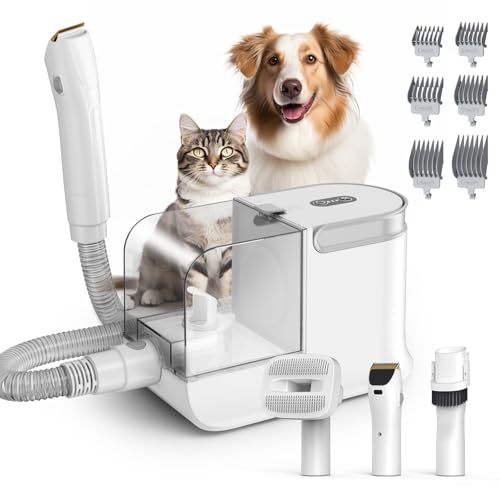
- 🐕Grooming & Vacuum All at Once: Our dog grooming kit with a vacuum function captures 99% of pet hair with 10,000 Pa suct…
- 🐈5-in-1 Pro Pet Grooming Kit: Complete with perfect accessories for comprehensive pet grooming.Suction and grooming all …
- 🐕6 Adjustable Guard Combs: With combs ranging from (3mm/6mm/9mm/12mm/15mm/18mm), you can easily trim pet hair of differe…
For the detangling side of things, a sturdy Metal Dog Grooming Comb with rotating pins is worth having on hand for working through smaller mats without yanking on the skin underneath. It’s a budget-friendly addition that pairs well with any slicker brush routine and gives you a second option when the brush alone isn’t cutting it.

- EASY DEMATTING & DETANGLING: Our dog grooming comb features extra-long stainless-steel teeth that glide through tough kn…
- EXTRA LONG PINS: Engineered with PINs that are 30% longer, this dematting comb reaches deeper into dense, curly, or long…
- ERGONOMIC HANDLE: Designed with a non-slip, ergonomic handle, this metal dog comb ensures a secure grip and reduces hand…
Here’s a quick side-by-side look at how these core tools stack up, so you can see where each one fits into your routine.
| Tool | Best For | Skill Level | Price Tier |
|---|---|---|---|
| 5-Speed Detachable Blade Clipper | Full-body trims, face and paw touch-ups | Beginner to Intermediate | $$$ |
| Slicker Brush | Daily line-brushing to prevent mats | Beginner | $ |
| Metal Detangling Comb | Working out small to medium mats | Beginner | $ |
| Grooming Vacuum Kit | Loose fur collection during clipping sessions | Beginner to Intermediate | $$$$ |
| Round-Tip Safety Scissors | Face, paws, and sanitary trims | Beginner | $$ |
Step-by-Step DIY Grooming Session With Your Goldendoodle Clippers
Once your toolkit is together, the actual session comes down to sequence. Rushing the order is one of the most common reasons home grooming ends in tears, both yours and the dog’s.
- Pre-clip brushing. Line-brush the entire coat down to the skin with your slicker brush. Never run clippers over a matted or tangled coat, since the blade can catch and pull rather than cut cleanly.
- Bathe and fully dry. Damp fur clogs blades and causes uneven cuts. A high-velocity dryer or a long low-heat session is worth the extra time.
- Choose your blade number for the body. A #4 or #5 blade leaves a longer, more natural Doodle look, while shorter blades like a #7 or #10 are better suited for owners managing severe matting or hot summer months.
- Switch to a shorter blade for sanitary areas like the belly and rear, where hygiene matters more than coat length.
- Use scissors, not clippers, around the face, ears, and paws. These areas move unpredictably and carry higher injury risk with powered blades.
- Work with the grain first, then against it for an even, blended finish rather than a choppy patchwork look.
- Check blade temperature every few minutes. If the blade feels warm on your wrist, pause and let it cool or swap to a spare.
- Finish with a leave-in conditioner spray to help the coat lie smooth and reduce static after clipping.
Between full grooming sessions, a quick daily pass with something like the Self-Cleaning Pet Hair Removal Comb can help maintain the coat without committing to a full brush-out every single day. It’s originally marketed for cats, but plenty of Doodle owners use it as a fast maintenance tool between deeper detangling sessions, especially on the softer fur around the chest and legs.
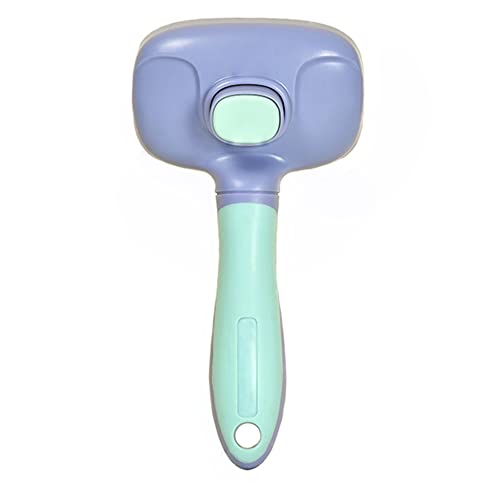
- Material: High Quality ABS + Stainless Steel needle,Special designed for home pets use.
- There are 256 fine needles on the comb, which can comb out 90% of the shed hair. The end of the comb is protected and wi…
- One key self cleaning,Press the self-cleaning button gently,Tear off the whole piece of floating hair
If you’re dealing with a coat that’s already past the point of brushing through, it’s worth reading up on DIY Clippers vs Professional Groomer: Doodle Matted Coat before attempting a home shave-down. Severe mats sometimes hide skin irritation underneath, and a groomer can shave safely in ways that avoid nicking already-inflamed skin.
DIY Home Clipping vs. Professional Grooming: Pros and Cons
Owning a set of quality goldendoodle clippers doesn’t mean every trim has to happen at home. Some owners split the difference, doing maintenance trims themselves and leaving full body cuts to a professional every couple of months.

| Factor | DIY Home Clipping | Professional Grooming |
|---|---|---|
| Cost Over Time | Lower long-term cost after initial tool purchase | Recurring cost per visit |
| Convenience | Groom on your own schedule, no appointments | Requires booking and travel |
| Skill Required | Learning curve, higher risk of uneven cuts | Trained hands, consistent finish |
| Stress on Dog | Familiar environment, can go at the dog’s pace | New environment, other animals nearby |
| Injury Risk | Higher if blade or technique is wrong | Lower, professionals trained in blade safety |
The National Association of Professional Creative Groomers and similar professional grooming organizations regularly point out that improper blade selection and dull blades are among the leading causes of clipper burn, which shows up as red, irritated patches usually around the legs, groin, and armpits. That risk drops significantly once you know which blade length matches which body area, and once you replace blades before they go dull.
If the cost comparison is what’s driving your decision to try grooming at home, it helps to see the full financial picture first. This breakdown of Mobile Groomer vs Salon vs DIY: Cheapest Doodle Grooming lays out where the real savings are, and where DIY costs can sneak up on you through tool purchases and replacement blades. Similarly, Goldendoodle Grooming Cost: DIY vs Professional Groomer breaks down the numbers specifically for this breed mix.
Building Confidence With Your Goldendoodle Clippers
The biggest factor in a successful home grooming session isn’t the price tag on your equipment, it’s patience. Rushing a nervous dog through a first clipping session almost guarantees a bad experience for both of you, and that bad experience tends to stick.
Start slow. Run the clippers near your dog without turning them on, let them get used to the vibration and sound in short bursts, and reward calm behavior with treats and a relaxed voice throughout. Positive reinforcement during these early sessions pays off every time you pick up the goldendoodle clippers after that.
If your dog becomes anxious, stressed, or starts squirming aggressively, it’s okay to stop and finish the session another day. There’s no rule that says the whole coat needs to get done in one sitting, and a dog who trusts the process will hold still far better than one who’s been pushed too far, too fast.
Frequently Asked Questions
What blade number should I use on my Goldendoodle’s body?
Most Goldendoodle owners get the best results with a #4 or #5 blade for the body, which leaves a longer, natural-looking coat around half an inch to an inch. If your dog struggles heavily with matting or lives in a hot climate, a shorter #7 or #10 blade can make maintenance easier between full grooming sessions.
Can I use regular human hair clippers on my Goldendoodle?
Human hair clippers aren’t built for thick, curly dog coats and tend to overheat quickly, dulling fast and increasing the risk of clipper burn. Dedicated goldendoodle clippers with detachable, cool-running blades are designed specifically for the density and texture of Doodle fur and will give a safer, more even result.
How often should I groom my Goldendoodle at home?
Brushing three to five times a week is recommended to prevent mats from forming, while a full clipping session is typically needed every six to eight weeks depending on how fast your dog’s coat grows. Keeping up with brushing between clipping sessions makes each full grooming day faster and less stressful.
Why does my Goldendoodle’s coat mat so quickly compared to other dogs?
Goldendoodles inherit a curly or wavy coat texture from their Poodle parent, which traps loose shed hair against the skin instead of letting it fall away naturally. Without regular brushing, that trapped hair tangles into mats much faster than it would on a single-coated breed.
Grooming a Goldendoodle at home isn’t about achieving a flawless salon finish on your first try. It’s about building a routine your dog trusts, using tools sized correctly for the job, and knowing when to slow down or call in a professional. Get those three things right, and your goldendoodle clippers become one of the most useful investments you’ll make in your dog’s day-to-day comfort and coat health.