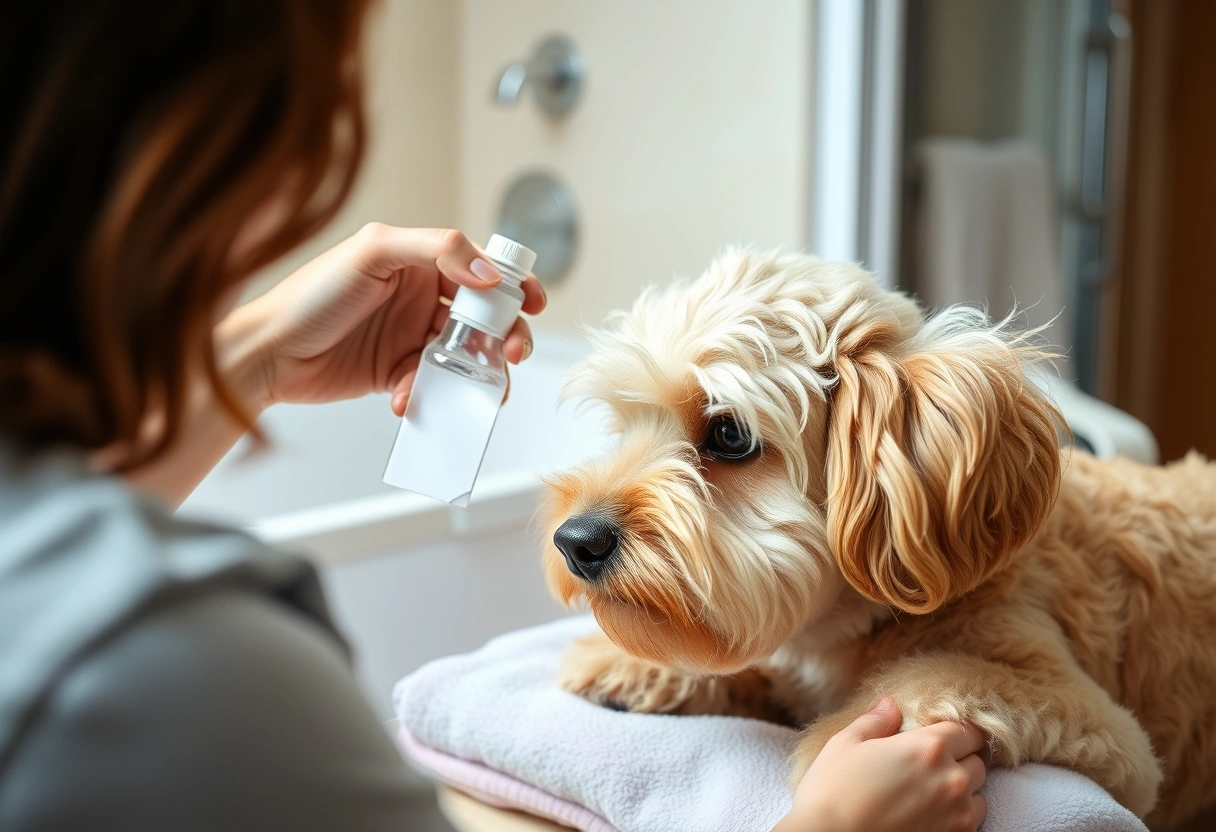
A goldendoodle ear infection can absolutely be treated at home in mild cases, using vet-recommended cleansers and a consistent drying routine, but persistent odor, swelling, or head tilting means it’s time to call your veterinarian. If you’ve caught your pup pawing at their ear or shaking their head at 2 a.m., you already know that helpless feeling. You’re not overreacting, and you’re not alone in this.
Doodle parents deal with this more than most. Those adorable floppy ears trap moisture and warmth, creating a cozy little breeding ground for yeast and bacteria. The good news is that with the right products and a bit of routine, you can manage mild cases at home and know exactly when a situation calls for professional backup.
Recognizing a Goldendoodle Ear Infection Before It Gets Worse
Catching a goldendoodle ear infection early makes treatment easier and a lot less stressful for your dog. Here’s what to watch for during your regular grooming checks:
- A yeasty or musty odor coming from the ear canal, even a day or two after bathing
- Redness or visible swelling on the inner ear flap or canal opening
- Dark brown, yellow, or waxy discharge that wasn’t there before
- Head shaking or tilting to one side more than usual
- Scratching, pawing, or rubbing the ear against furniture or carpet
- Sensitivity to touch around the base of the ear
This isn’t just anecdotal. The Merck Veterinary Manual notes that floppy-eared, hairy-eared breeds, Doodles included, have significantly higher rates of otitis externa because reduced air circulation keeps the canal warm and damp. That combination of poodle-derived ear hair and a low-hanging ear flap is basically a welcome mat for bacteria and yeast. For a deeper look at breed-specific ear anatomy and general canine health data, the American Kennel Club is a solid resource worth bookmarking.
The At-Home Cleaning Protocol for a Goldendoodle Ear Infection
Mild cases of goldendoodle ear infection respond well to a consistent, gentle cleaning routine. This isn’t about scrubbing hard or digging deep. It’s about flushing debris out and letting the ear dry properly.
Step 1: Get your dog settled. Sit on the floor with your Doodle between your knees or beside you on a non-slip mat. Speak calmly and offer a treat so the experience stays low-stress.
Step 2: Lift the ear flap and inspect. Look for redness, discharge, or odor before you apply anything. This baseline check helps you track whether things are improving day to day.
Step 3: Apply a vet-recommended ear cleanser. Fill the canal generously (your vet can confirm the right amount for your dog’s size) and massage the base of the ear for about 20 to 30 seconds. You should hear a soft squelching sound, that’s the solution breaking up wax and debris.

Step 4: Let your dog shake. Step back and let them shake their head. This naturally brings loosened debris up and out of the canal.
Step 5: Wipe, don’t dig. Use a cotton ball or a purpose-made wipe to clear the visible outer ear and canal opening. Never insert cotton swabs deep into the canal, as this can pack debris further in or damage the eardrum.
A study published in Veterinary Dermatology found that ear infections account for roughly 20% of all canine dermatology visits, which tells you this is one of the most common reasons Doodle owners end up at the vet in the first place. Building a cleaning habit now saves you both a lot of grief later.
For the wiping step, a lot of Doodle owners keep ZOOP XL Pet Wipes for Dogs & Cats on hand for quick touch-ups between full cleanings, especially after a muddy walk or a swim. They’re handy for wiping around the outer ear flap and face without needing to break out the full cleaning kit every time.
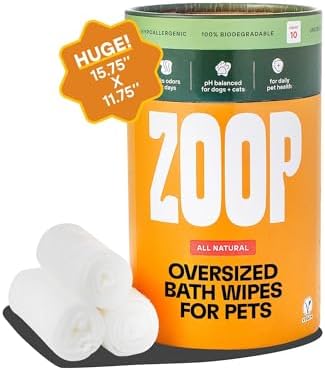
- FAST GROOMING: Save hours of cleaning your dirty pet! Instead of a bath, a quick wipe with a giant towel-sized pet wipe….
- BETTER THAN SHAMPOO: The gentle oversized pet grooming wipe is water-based and infused with skin-supporting nanosilver. …
- ULTRA BIG AND THICK: Pack of 10 absorbent, very thick, giant pet grooming wipes for easy pet cleaning.
Once the ear is clean, drying matters just as much as the cleaning itself. Gently pat the outer ear with a soft towel, then let your dog air dry in a warm room for a few minutes before their ear hair gets tucked back down. Trapped moisture is the enemy here, so don’t rush this part.
A dry ear canal is a happy ear canal. If you take one habit away from this article, make it this: never let your Doodle’s ears stay damp for long after baths, swims, or cleaning sessions.
Comparing Vet-Recommended Ear Cleansers vs. Medicated Drops
Not every product does the same job, and using the wrong one at the wrong stage can actually slow down healing. Here’s how the two main categories stack up.
| Product Type | Best For | Application Frequency | Requires Vet Prescription? | Price Tier |
|---|---|---|---|---|
| Routine Ear Cleanser (e.g., Epi-Otic style) | Prevention, mild wax buildup, post-bath maintenance | 1-3x per week | No | $$ |
| Enzymatic Cleanser (e.g., Zymox style) | Mild yeast or bacterial imbalance, sensitive ears | Daily until symptoms clear | No | $$$ |
| Medicated Antifungal/Antibiotic Drops | Confirmed active infection with discharge or odor | As directed by vet, typically 7-14 days | Yes | $$$$ |
| Ear Drying Solution (astringent) | Post-swim or post-bath moisture control | After every water exposure | No | $ |
| Pet Ear Wipes | Quick spot-cleaning, travel, between full cleanings | As needed | No | $$ |
Choosing between a gentle cleanser and a medicated drop really comes down to what stage your goldendoodle ear infection is at. If you’re just staying ahead of wax and moisture, a routine cleanser is all you need. If you’re already seeing discharge or smelling that telltale yeasty odor, it’s time to loop in your vet before reaching for anything medicated.
If you’re trying to decide between two of the most talked-about medicated options, our breakdown of Zymox vs Epi-Otic for Goldendoodle ears walks through which formula fits which situation. Both have loyal fans among Doodle owners, but they work differently depending on whether you’re dealing with prevention or active irritation.
Pros and Cons: Treating a Goldendoodle Ear Infection at Home
Pros of at-home treatment:

- Lower cost than repeated vet visits for mild, recurring wax buildup
- Builds a routine your dog gets comfortable with over time
- Catches problems early, before they escalate into a painful infection
- Gives you more control over frequency and product choice
Cons of at-home treatment:
- Cannot diagnose the underlying cause (yeast vs. bacteria vs. mites vs. allergy)
- Risk of masking symptoms without actually resolving the infection
- Improper technique can push debris deeper into the canal
- Chronic or severe infections often need prescription-strength medication
A goldendoodle ear infection that keeps coming back despite consistent home care is usually a sign of something bigger, like an underlying allergy or a structural issue with the ear canal. That’s a conversation for your vet, not another round of over-the-counter products.
Prevention: Building an Ear Care Routine Your Doodle Can Live With
Preventing a goldendoodle ear infection is a lot easier than treating one, and it doesn’t take much time once it’s part of your regular grooming rhythm.
- Clean ears weekly, or more often if your dog swims regularly or has a history of infections.
- Trim the hair around and inside the ear opening every 4 to 6 weeks to improve airflow. Many groomers include this in a standard visit.
- Dry ears thoroughly after baths and swims, using a towel and a few minutes of air drying before letting fur fall back into place.
- Check ears during every brushing session so you catch changes in smell, color, or discharge early.
- Manage underlying allergies with your vet’s guidance, since food or environmental allergies often show up as ear inflammation first.
Some owners choose to pluck excess ear canal hair as part of this routine, though opinions vary on whether it helps or irritates the skin further. If you’re weighing that decision, our guide to the best ear plucking powder for Doodles covers which products make the process gentler for sensitive-skinned dogs.
And if the grooming side of things feels like too much to manage solo, especially the hair trimming around the ears, it might be worth comparing costs and outcomes in our professional groomer vs. DIY Doodle grooming cost guide. Some owners find a hybrid approach, home maintenance between professional trims, works best for keeping ears healthy year-round.
When to Stop Treating at Home and Call the Vet
Home care has its limits, and knowing where that line sits protects your dog from unnecessary pain. Call your vet if you notice any of the following:
- Symptoms haven’t improved after 3-4 days of consistent home cleaning
- The ear canal looks increasingly swollen, red, or painful to touch
- Discharge changes color, thickens, or develops a stronger odor
- Your dog develops a head tilt, loss of balance, or seems disoriented
- There’s visible bleeding or a foul smell that doesn’t go away after cleaning
A goldendoodle ear infection that reaches this stage typically needs a proper otoscopic exam and possibly a swab test to identify whether yeast, bacteria, or mites are behind it. Trying to push through with more home remedies at that point usually delays real recovery.
Managing a goldendoodle ear infection at home works well for mild, early-stage cases when you’re using the right cleanser, drying technique, and a consistent weekly schedule. The moment symptoms escalate or linger past a few days, professional care becomes the safer and faster path back to comfort. Trust your instincts here. You know your dog’s normal, and any real shift from that baseline is worth a phone call to your vet.
Can I treat my Goldendoodle’s ear infection at home without a vet visit?
Mild cases involving minor wax buildup or slight odor can often be managed with a vet-recommended cleanser and consistent drying routine. However, if you notice thick discharge, swelling, pain, or a head tilt, a goldendoodle ear infection at that stage needs veterinary evaluation to identify the underlying cause and appropriate medication.
How often should I clean my Goldendoodle’s ears to prevent infection?
Most Doodles benefit from ear cleaning once or twice a week, though dogs that swim frequently or have a history of infections may need more frequent attention. Regular cleaning combined with proper drying is one of the most effective ways to prevent a recurring ear infection in floppy-eared breeds.
What does a Goldendoodle ear infection smell like?
A yeast-related ear infection often smells musty or yeasty, similar to old bread, while a bacterial infection may produce a sharper, more unpleasant odor. Any noticeable smell coming from your dog’s ears, especially paired with discharge or redness, is worth addressing right away before it worsens.
Are Goldendoodles more prone to ear infections than other breeds?
Yes. Their floppy ears and dense, curly ear hair reduce airflow into the canal, creating a warmer and more humid environment where yeast and bacteria thrive. This is why consistent ear maintenance is such an important part of routine Doodle care compared to breeds with upright ears.