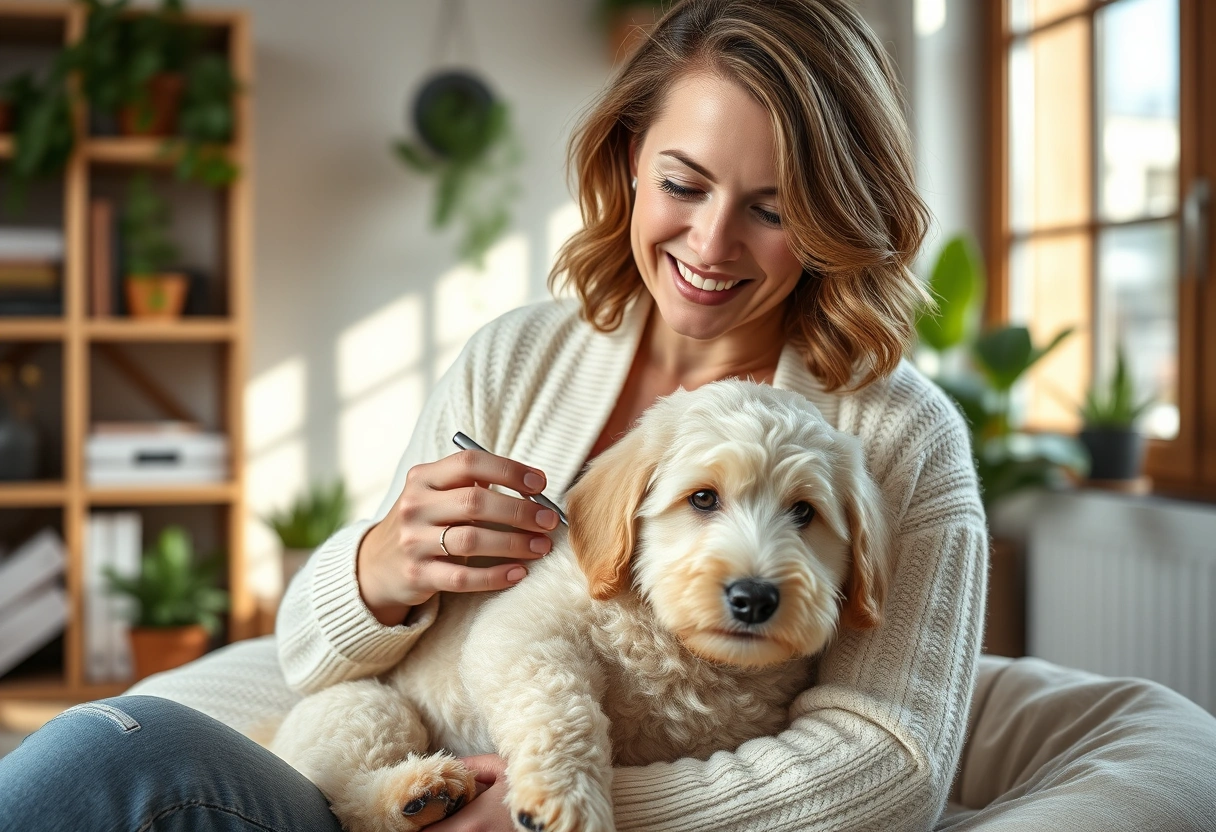
Goldendoodle generations shed at noticeably different rates, and if you’re trying to avoid a house covered in fur, the generation code on that puppy contract matters more than most buyers realize. An F1B pup, bred back to a Poodle, carries roughly 75 percent Poodle genetics and tends to shed the least of any Goldendoodle mix. An F1, on the other hand, splits the difference right down the middle and often sheds more than families expect. I’ve spent years fielding questions from readers who fell in love with a “doodle” online only to discover their new puppy left fur on every couch cushion, so let’s get into what actually separates these generations and why the letters on that pedigree paper matter so much.
Doodle Generation Genetics 101: What F1, F1B, F2, and Multigen Actually Mean
Every Goldendoodle starts with a cross between a Golden Retriever and a Poodle, but what happens after that first litter is where things get interesting. An F1 Goldendoodle is a straight 50/50 split, one Golden Retriever parent and one Poodle parent. That even genetic mix means coat outcomes are a bit of a gamble. Some F1 pups grow soft, wavy coats that shed lightly. Others grow straighter coats that shed closer to a purebred Golden Retriever. It’s simply not consistent, because the genes for coat texture haven’t been filtered down toward the Poodle side yet.
An F1B is where breeders start weighting the odds. This is an F1 Goldendoodle bred back to a purebred Poodle, which pushes the genetic ratio to about 75 percent Poodle and 25 percent Golden Retriever. According to the Goldendoodle Association of North America (GANA), this backcross is specifically why F1B litters produce the most reliably low-shedding, allergy-friendlier puppies in the entire Goldendoodle lineup. The extra dose of Poodle genetics increases the odds that a pup inherits the curly or wavy furnishings that trap loose hair instead of scattering it around your living room.
F2 Goldendoodles come from breeding two F1 Goldendoodles together, and this is genetically the least predictable generation. You’re combining two dogs that each carry a 50/50 mix, and the resulting litter can range from flat-coated shedders to tight, curly low shedders, sometimes within the same litter. F2B and later generations (F3, multigen) start to stabilize again as breeders selectively pair dogs that already display the coat traits they want, which is why multigenerational Goldendoodles bred by health-focused breeders tend to be the most predictable long-term, even if they aren’t always the absolute lowest shedding option.
Goldendoodle Generations Shed Differently: A Side-by-Side Comparison
Here’s a rundown of how goldendoodle generations shed compared side by side, based on typical coat outcomes reported by breeders and coat genetics testing. Keep in mind these are tendencies, not guarantees, since coat genes still express somewhat differently from dog to dog.

| Generation | Poodle % / Golden % | Typical Shedding Level | Coat Predictability | Best For | Price Tier |
|---|---|---|---|---|---|
| F1 Goldendoodle | 50% / 50% | Moderate to noticeable | Low, variable within litter | Families okay with some shedding | $$ |
| F1B Goldendoodle | 75% / 25% | Minimal, most low-shedding of all | High predictability | Allergy-sensitive households | $$$ |
| F2 Goldendoodle | 50% / 50% (mixed parents) | Widely variable, can be high | Lowest predictability | Buyers open to coat surprises | $$ |
| F2B Goldendoodle | ~62-75% Poodle-leaning | Low to moderate | Moderate predictability | Buyers wanting low shed with more Golden temperament traits | $$$ |
| Multigen (F3+) | Selectively stabilized | Consistently low (breeder dependent) | Highest predictability | Buyers prioritizing consistency over lineage percentages | $$$$ |
Notice the pattern here: as you move toward higher Poodle percentages and more selective breeding, shedding tends to decrease and predictability tends to increase. That’s really the whole story behind why low shedding goldendoodle puppies are almost always advertised as F1B or later generations rather than straight F1s.
No Goldendoodle Is Truly Hypoallergenic, No Matter the Generation
This part trips up a lot of first-time doodle owners. The American Kennel Club is pretty clear that no dog breed or mix is 100 percent hypoallergenic, including Goldendoodles. What actually triggers allergic reactions isn’t the fur itself, it’s proteins found in dog saliva, skin dander, and urine. A dog that sheds less tends to spread less of that dander around the house, which is why low-shedding coats feel more allergy-friendly in practice, but it’s not a guarantee for every allergy sufferer.
Coat type plays a bigger role in this than the generation label alone. A straight-coated dog, even a Goldendoodle, will shed more like a Golden Retriever regardless of what the pedigree paper says. A wavy coat sits in the middle. A tight, curly coat (closer to a true Poodle) traps shed hair inside the curl rather than releasing it into your home, which is the real mechanism behind that “hypoallergenic goldendoodle” label you’ll see in listings. So when you’re evaluating a puppy, ask about the individual coat texture the breeder expects, not just the generation code.
“I always tell families to ask breeders for photos of the puppy’s parents’ coats, not just the generation letters. A tight, curly-coated F1B parent is a much stronger shedding predictor than the generation label by itself.” – a sentiment echoed by longtime doodle breeders across GANA-affiliated programs.
How Breeders Test Coat Type: The Furnishings Gene and Curly Coat Gene
Reputable Goldendoodle breeders don’t just guess based on generation anymore. Many now use genetic testing through companies like Embark Vet, which screens for what’s known as the furnishings locus (the gene responsible for those signature eyebrows, mustache, and beard that Poodles and Doodles are known for) along with the curl gene that determines whether a coat lies flat, waves, or curls tightly.
Dogs that carry two copies of the furnishings gene and at least one copy of the curly coat gene are the ones most likely to produce that low-shedding, wavy-to-curly coat pet parents are after. This genetic testing has become a valuable tool precisely because generation percentages (F1, F1B, F2B) only estimate probability. A DNA panel gives breeders actual data on what a specific dog is genetically carrying, which means they can pair two dogs more intentionally instead of relying on generation math alone. If a breeder can show you furnishings and curl test results for the parents, that’s a strong signal they’re breeding thoughtfully rather than just chasing trendy generation labels.

Regardless of which generation you land on, every doodle coat needs consistent brushing to stay mat-free, especially in that wavy-to-curly range that sheds the least. Many owners keep a plush comfort toy on hand for puppy socialization sessions while they get used to grooming routines, and something like the GUND Designer Pups Collection, Cocco Labrador Puppy Plush can be a sweet, calming companion during those early grooming desensitization sessions with a new pup.
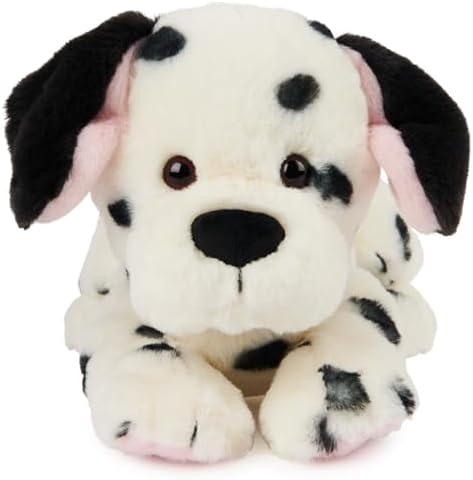
- REALISTIC DALMATIAN PUPPY: Checkers is a 14” realistic Dalmatian with soft white spotted plush, black ears, and warm bro…
- Soft & Huggable: This adorable plush toy features machine-washable construction for easy cleaning and is made from a sof…
- Gift with GUND: Our plush dolls, teddy bears, sensory toys and stuffed animals make timeless birthday and baby shower gi…
Buyer Takeaways: Questions to Ask Breeders and Red Flags to Watch For
If minimizing shedding is a top priority for your household, here’s what to actually ask before putting down a deposit:
- Ask for the generation and the coat type of both parents. A breeder who can clearly explain whether pups are F1B, F2B, or multigen, and what coat texture to expect, is doing their homework.
- Ask if furnishings and curl gene testing was done. This is becoming standard among quality breeding programs and removes a lot of the guesswork.
- Ask to see (or video call) the puppy’s parents. Photos of actual coat texture tell you more than any generation label.
- Be wary of “hypoallergenic guaranteed” language. No responsible breeder should promise zero shedding or zero allergens, since that claim isn’t scientifically accurate for any dog.
- Ask about grooming needs upfront. Lower-shedding coats (wavy and curly) typically require more brushing and professional grooming, not less, since loose hair stays trapped in the coat instead of falling out.
Even the lowest-shedding F1B Goldendoodle still needs a regular grooming routine to prevent mats and keep the skin healthy underneath that dense coat. If you’re weighing whether to handle grooming yourself or hire a professional, this breakdown of Goldendoodle grooming cost: DIY vs professional groomer walks through the real tradeoffs. And once you’re ready to build a home grooming routine, knowing the right tools makes a real difference, our slicker brush vs undercoat rake guide covers which tool actually works best for wavy and curly doodle coats.
Bath time matters just as much as brushing when it comes to keeping a low-shedding coat healthy and mat-free. A gentle, detangling formula like Dog Shampoo Half Gallon, Cleans, Conditions & Detangles can help loosen trapped dead hair before it turns into a mat, which is especially useful for F1B and multigen coats that hold onto shed fur longer than straighter coats do.

- LARGE VALUE SIZE (64 OZ): Save time and money with our extra-large half gallon 64oz bottle of premium dog shampoo, suita…
- 4-IN-1 DOG SHAMPOO: Effectively cleans, conditions, detangles, and moisturizes your dog’s skin. Keep your dog’s fur soft…
- PROUDLY MADE IN THE USA: Our shampoo for dogs is a quality American-made product formulated and tested in the best facil…
Choosing the Right Coat, and the Right Puppy, for Your Home
Once you’ve settled on the generation that fits your shedding tolerance, planning that first grooming schedule gets a lot easier. Puppies with F1B or multigen coats usually need their first trim around four to six months, and picking a cut that suits a curly or wavy texture from the start sets a good pattern for years of maintenance. Our guide to the 7 best Mini Goldendoodle haircuts groomers actually love is a good starting point if you’re bringing home a mini-sized F1B or multigen pup and want a cut that keeps shedding and matting to a minimum.
Fans of the breed often like to celebrate their new pup with fun, doodle-themed extras around the house too. If you’re the type who wants to show off your love for the breed, something like this Colorful Goldendoodle Face Golden Doodle Dog Lover design makes a fun addition for any Goldendoodle household, low-shedding or not.
At the end of the day, understanding how goldendoodle generations shed gives you a real framework for picking the right puppy, rather than relying on marketing terms alone. An F1B goldendoodle coat remains the safest bet for households chasing minimal shedding, but coat testing and parent coat texture should always factor into your final decision alongside the generation label.
Which Goldendoodle generation sheds the least overall?
F1B Goldendoodles typically shed the least because they’re bred back to a purebred Poodle, resulting in roughly 75 percent Poodle genetics. This higher Poodle ratio increases the odds of a wavy or curly coat that traps loose hair instead of releasing it around the house, making F1B the most commonly recommended generation for low-shedding households.
Is any Goldendoodle generation truly hypoallergenic?
No. According to the American Kennel Club, no dog breed or mix, including any Goldendoodle generation, is 100 percent hypoallergenic. Allergic reactions are triggered by proteins in saliva, dander, and urine, not just fur. Low-shedding coats reduce how much dander spreads through a home, but they don’t eliminate allergens entirely.
Why do F2 Goldendoodles vary so much in shedding?
F2 Goldendoodles come from breeding two F1 Goldendoodles together, and since each parent already carries a 50/50 mix of Golden Retriever and Poodle genes, the resulting litter can inherit a wide range of coat textures. This makes F2 the least predictable generation when it comes to shedding, with puppies in the same litter sometimes showing very different coat types.
Should I ask breeders about furnishings gene testing?
Yes. Furnishings and curl gene testing, often done through services like Embark Vet, gives breeders actual genetic data on a dog’s coat traits rather than relying on generation estimates alone. Breeders who test and share these results are generally more transparent about what shedding level to expect from their puppies.