


Goldendoodle intelligence often surprises people who assume German Shepherds have the smarts market cornered. If you’re weighing these two breeds side by side, here’s the direct answer: German Shepherds typically edge ahead in working obedience and complex task execution, but Goldendoodles usually catch on faster in everyday household training because they’re wired to please and rarely second-guess a handler’s cue.
Both breeds are genuinely brilliant. The difference comes down to what kind of smart you’re dealing with, and how that intelligence shows up during actual training sessions. A German Shepherd might solve a problem you didn’t even know you had. A Goldendoodle just wants to know what you want, then does it with a wagging tail. This guide walks through the intelligence data, a full trainability comparison, behavioral quirks specific to each breed, and the gear that actually makes training sessions smoother for both.
What the Intelligence Rankings Actually Show
Psychologist and canine researcher Stanley Coren wrote the book that most trainers still reference today, The Intelligence of Dogs. In his working and obedience intelligence rankings, German Shepherds land in the top three smartest breeds, right behind Border Collies and Poodles. That’s not a small feat. It means Shepherds learn new commands in under five repetitions and obey a known command on the first try over 95 percent of the time.
Goldendoodles don’t appear directly in Coren’s rankings because they’re a crossbreed, but the Poodle side of their heritage places second overall, just below Border Collies. Goldendoodle intelligence draws heavily from that Poodle lineage, which explains why so many Doodle owners report their dogs picking up tricks, potty training, and leash manners with minimal frustration. The Golden Retriever half adds warmth and a strong desire to cooperate, which softens the Poodle’s occasional independent streak.
So when you line up goldendoodle intelligence against German Shepherd working drive, you’re really comparing two different flavors of smart: one breed built for complex tasks and problem-solving under pressure, the other built for fast learning paired with an eagerness to keep you happy.
Trainability Comparison: Side by Side
Numbers and rankings only tell part of the story. What matters day to day is how each breed responds to your training style, your energy level, and your household routine. Here’s how they stack up across the traits that matter most for new owners.

| Trait | Goldendoodle | German Shepherd | Price Tier (Training Gear) |
|---|---|---|---|
| Eagerness to Please | Very high, thrives on approval | High, but task-focused over praise-focused | $ |
| Independence Level | Low to moderate | Moderate to high | $$ |
| Energy Output | Moderate to high, needs daily outlets | High, needs structured work or exercise | $$$ |
| Responsiveness to Positive Reinforcement | Excellent, food and praise both work well | Excellent, but benefits from clear structure and consistency | $$ |
| Guarding/Protective Drive | Low | High, natural watchdog instinct | $$$$ |
| Best Suited Training Style | Reward-based, short frequent sessions | Structured reward-based with clear boundaries | $$ |
This table makes the pattern pretty clear. Goldendoodle intelligence leans toward fast emotional attunement, meaning they read your tone and body language almost as well as your words. German Shepherds respond just as fast, but they want a job and a clear structure behind the reward, not just affection for its own sake.
A dog’s intelligence isn’t a single number. It’s a combination of instinct, working drive, and how much that dog wants to work with you rather than around you. Matching your training method to the breed’s natural motivation matters more than raw IQ ever will.
Behavioral Quirks Worth Knowing Before You Train
The American Kennel Club’s breed temperament data backs up what most owners already notice in real life. German Shepherds and Goldendoodles approach the world differently, and that shapes how training sessions should be structured.
German Shepherd quirks to plan around:
- Strong guarding instinct, may bark or posture at strangers approaching the home
- High prey drive, easily distracted by squirrels, bikes, or joggers during leash walks
- Needs a job or purpose, gets restless and occasionally destructive without mental work
- Bonds intensely with one or two people, can be aloof with strangers
Goldendoodle quirks to plan around:
- People-pleasing sensitivity, can shut down if corrected too harshly
- Lower guarding drive, friendly toward strangers and other dogs by default
- Prone to separation anxiety if left alone for long stretches
- Coat and grooming needs can indirectly affect focus during training if mats or tangles cause discomfort
If you’re deciding between a Goldendoodle and another Doodle mix rather than a Shepherd, it helps to compare temperament across the Doodle family too. Our breakdown of Goldendoodle vs Labradoodle temperament and trainability covers how closely related crossbreeds still differ in energy and focus.
Gear That Actually Helps Each Breed Learn Faster
The right tools don’t replace good training instincts, but they do remove friction. A clicker kit works well for both breeds because it marks the exact moment of correct behavior, which speeds up learning for the sharp, fast-processing German Shepherd and gives the sensitive Goldendoodle a clear, consistent signal instead of a string of words.

Treat pouches matter more than most new owners expect. German Shepherds working through obedience drills need quick, one-handed access to rewards so timing stays tight. Goldendoodles benefit just as much, especially during puppyhood when frequent small rewards keep engagement high without overfeeding. Long-line leads are worth adding once basic recall is solid. They give German Shepherds room to practice recall against real distractions like scent trails, while Goldendoodles use the extra length to practice loose-leash walking without feeling constantly corrected.
Books remain some of the most underrated training gear on the market. Dog Training The 21-Day Way breaks obedience work into short daily sessions, which suits the high-energy, task-driven learning style of German Shepherds particularly well.
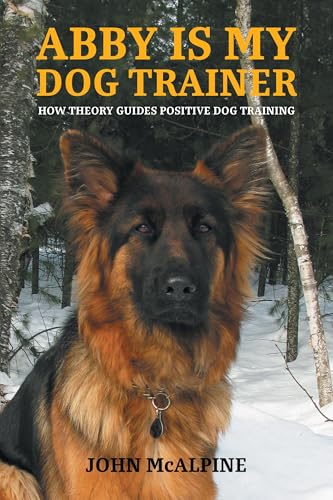
There is an issue displaying Amazon products. Please contact the administrator to check that.For the more sensitive, praise-driven Goldendoodle, a gentler theory-based approach tends to land better. Abby is my Dog Trainer: How Theory Guides Positive Dog Training explains the reasoning behind positive reinforcement in plain language, which helps owners avoid accidentally discouraging a dog that shuts down under pressure.
If your Goldendoodle already tends toward the high-energy, easily overstimulated end of the spectrum, training sessions go smoother once that baseline energy is managed. It’s worth reading through calming aids for hyper Goldendoodle puppies before starting formal obedience work, since a wound-up puppy won’t focus no matter how good your gear is.
Choosing Between the Two Breeds
Neither breed is objectively “smarter” in a way that should decide your choice. Goldendoodle intelligence shines in households that want a responsive, affectionate dog that learns household routines quickly and rarely tests boundaries out of stubbornness. German Shepherd intelligence shines in households ready to give a working dog structure, a job, and consistent leadership.
Mini Goldendoodles in particular bring their own quirks into the mix, from higher-pitched barking tendencies to increased fragility around rough handling. If a smaller Doodle is on your radar, it’s worth reviewing common Mini Goldendoodle drawbacks before committing, since size affects training pace as much as breed does.
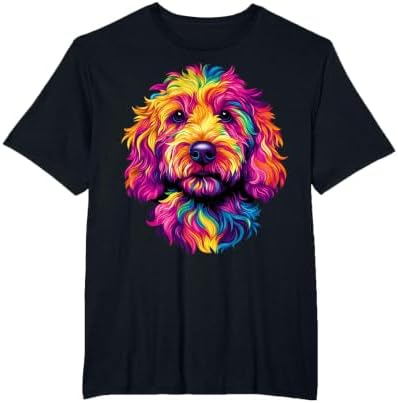
For owners who just want a visual reminder of what they’re working toward, something like this Colorful Goldendoodle Face Golden Doodle Dog Lover design makes a fun, low-cost nod to the breed while you work through those early training weeks.
The Safety-First Takeaway
Both breeds are capable of excelling in obedience, agility, and everyday household manners. Goldendoodle intelligence gives you a fast learner who wants nothing more than your approval, which makes gentle, reward-heavy methods the safest and most effective path. German Shepherds need that same positive reinforcement, just paired with firmer structure and outlets for their working drive.
Whichever breed you choose, match your tools and your tone to the dog in front of you rather than a general idea of what training “should” look like. A calm, consistent approach protects your dog’s confidence and keeps every session something they actually look forward to.
Is Goldendoodle intelligence really comparable to German Shepherd intelligence?
Yes, in different ways. Goldendoodle intelligence draws from Poodle lineage, which ranks second in Stanley Coren’s working intelligence studies, while German Shepherds rank third. Goldendoodles tend to learn household commands and social cues faster, while German Shepherds excel at complex, structured tasks.
Which breed is easier for a first-time dog owner to train?
Most first-time owners find Goldendoodles easier because of their strong eagerness to please and lower guarding drive. German Shepherds can absolutely be trained by beginners, but they benefit from more structured, consistent handling from day one.
Do German Shepherds need more advanced training gear than Goldendoodles?
Not necessarily more advanced, but often more durable. German Shepherds pull harder on long-line leads and respond well to structured clicker work, so sturdier gear tends to hold up better under their higher energy output.
Can positive reinforcement alone train a German Shepherd’s guarding instincts?
Positive reinforcement can manage and redirect guarding behavior effectively, especially when paired with early socialization. It won’t erase natural protective instincts, but it teaches the dog when that instinct is appropriate to act on.


