


That rhythmic, repetitive licking sound at 2 a.m. is enough to make any pet parent’s stomach drop. If your goldendoodle licking habit has turned bedtime into a nightly guessing game, you’re not overreacting. Something is driving that behavior, and figuring out what it is matters more than just muffling the sound with a closed door.
Here’s the direct answer: excessive licking at night is almost always one of three things: stress, boredom, or an underlying medical issue like allergies or gut discomfort. It’s rarely “just a quirky habit,” even though that’s what a lot of owners get told. The good news is that once you learn to read your dog’s body language and timing, you can usually tell which category you’re dealing with, and then actually fix it instead of just tolerating it.
This guide walks through how to tell stress-licking apart from boredom-licking, the medical red flags that mean a vet visit isn’t optional, and a step-by-step plan to get your Goldendoodle (and you) back to sleeping through the night.
Why Goldendoodles Are Prone to Nighttime Licking
Goldendoodles are a thinking-and-feeling combination of Poodle and Golden Retriever, which means they inherited both breeds’ sensitivity to routine changes and their tendency to fixate on repetitive self-soothing behaviors. Add in that thick, curly coat, and skin irritation can hide easily until it’s already triggered a licking habit.
Nighttime specifically tends to bring out licking because the house is quiet, there’s less to distract your dog, and any low-grade itch, ache, or anxious feeling that got buried under daytime activity suddenly has room to surface. It’s the canine equivalent of noticing a paper cut only once you’re lying still in bed.
According to the ASPCA’s guidance on canine behavior, repetitive self-directed behaviors like licking often function as displacement behaviors, meaning dogs use them to cope with conflicting emotions or unmet needs rather than as a response to a single obvious trigger.
Stress-Licking vs Boredom-Licking: A Comparison Checklist
Telling stress-licking apart from boredom-licking is the whole game here, because the fixes are different. Stress-licking tends to show up alongside other anxious signals, while boredom-licking is more about an under-stimulated brain looking for something, anything, to do.

| Signal | Stress-Licking | Boredom-Licking |
|---|---|---|
| Common Trigger | Change in routine, separation anxiety, loud noises, new household member | Lack of exercise, low mental stimulation, long stretches of inactivity |
| Timing | Spikes after specific events (owner leaving, thunderstorms, moving day) | Steady, low-level licking that ramps up during quiet, uneventful hours |
| Body Language | Pinned ears, tucked tail, whale eye, panting without heat | Relaxed posture, sighing, restless pacing between licking bouts |
| Target Area | Paws, flanks, or a specific spot tied to past discomfort | Varies; often licks bedding, furniture, or their own legs indiscriminately |
| Best Fix | Anxiety reduction, predictable routines, calming rituals | Increased enrichment, puzzle toys, longer walks earlier in the day |
If you’re still unsure which category fits, keep a simple log for a week. Note the time of night, what happened right before the licking started, and whether your dog seems tense or just restless. Patterns tend to jump out fast once it’s written down.
Medical Red Flags You Shouldn’t Ignore
Before you assume the goldendoodle licking pattern you’re seeing is purely behavioral, rule out physical causes first. This is the step most owners skip, and it’s the one vets wish they wouldn’t.
Excessive dog licking is frequently a symptom, not a habit. The American Kennel Club notes that allergies affect roughly 10% of dogs, and skin-related allergic reactions are one of the top reasons for compulsive licking, especially at the paws and belly.
- Environmental or food allergies: red, inflamed skin, licking concentrated on paws or belly, seasonal patterns
- Gastrointestinal discomfort: licking the air, licking furniture or floors, occasional vomiting or lip-smacking
- Joint or muscle pain: licking a specific limb, reluctance to jump on furniture, stiffness after rest
- Skin infections or parasites: visible hot spots, matting, odor, or scabbing under that dense Doodle coat
- Dental pain: licking around the mouth, drooling, reduced interest in chew toys
If your dog is licking one specific area raw, or if the licking is paired with hair loss, redness, or a change in appetite, that’s your cue to call the vet rather than wait it out. A dermatologic workup rules out the physical causes first, which then makes any remaining behavioral diagnosis much more reliable.
If your Goldendoodle has recently had surgery or an injury that’s contributing to fixation-licking on a wound site, a product like the azuza Recovery Suit for Dogs can physically prevent access to the area while it heals, which stops the licking loop before it becomes a learned habit.
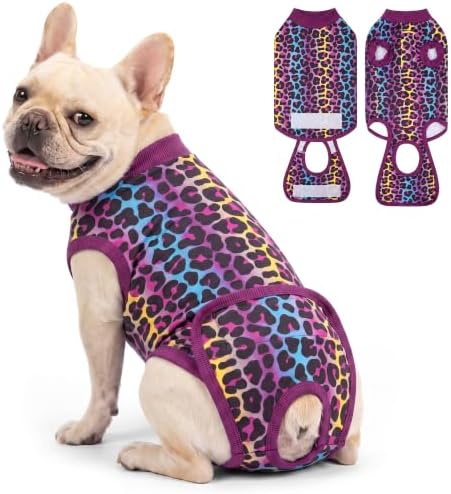
- Say Goodbye to Dog Cones: Replace bulky cones with a soft recovery suit that allows your dog to eat, drink, sleep, walk,…
- Helps Prevent Licking and Protects Incisions: The soft, breathable 4-way stretch fabric gently hugs your dog’s body to h…
- Ideal for Every Stage of Recovery: More than just a post-surgery recovery suit, it also works as post-surgery clothing, …
Skin-Soothing Support for Allergy-Prone Coats
If your vet confirms allergies are behind the licking, coat care becomes part of the treatment plan, not just a grooming preference. Harsh shampoos can actually worsen irritation on already-sensitive Doodle skin, so ingredient choice matters more than scent or lather.
A gentle, plant-based option like Amazonia Aloe Vera Dog & Cat Shampoo can help calm inflamed skin during bath time without stripping natural oils that Doodle coats depend on to stay soft and tangle-resistant. Bathing too often can dry out skin further, so pair it with a consistent brushing routine using the right tools, since a mismatched brush can irritate skin just as much as the wrong shampoo. For more on that, this comparison of a slicker brush versus a metal comb for Goldendoodles breaks down which tool actually reduces skin stress during grooming.

- Amazonia Pet Care Aloe Vera Dog and Cat shampoo regenerates and provides natural itch relief
- Tearless
- Paraben & Dye Free
Step-by-Step Plan to Stop Dog Licking at Night
Once medical causes are ruled out or under treatment, the fix for dog licking at night comes down to routine, enrichment, and calm redirection. None of this requires punishment, and it shouldn’t. Positive reinforcement works far better on a sensitive breed like this one.

- Move exercise earlier in the day. A Goldendoodle with pent-up energy at 9 p.m. is a Goldendoodle who will lick out of restlessness. Aim for the bulk of physical activity at least three hours before bedtime.
- Build a wind-down ritual. Ten minutes of calm petting, a chew toy, or quiet time in a dimly lit room signals that bedtime is coming, which reduces anxiety-driven licking.
- Add mental enrichment, not just physical. Puzzle feeders or scent-based games tire out the brain in a way that a walk alone doesn’t, which directly addresses boredom-licking.
- Redirect gently, don’t scold. If licking starts, calmly offer a chew toy instead. Reward the switch. Scolding adds stress, which can actually make stress-licking worse.
- Keep a consistent bedtime routine. Dogs settle faster with predictability. Same time, same steps, every night.
- Track patterns with a wearable. A GPS and activity tracker like the Fi Series 3+ GPS Dog Collar & Tracker can help you correlate low daytime activity with nighttime licking spikes, giving you real data instead of guesswork.

- REAL-TIME GPS TRACKING, NO RANGE LIMITS: See your dog’s live location nationwide in the Fi app. This GPS dog tracking co…
- FI MEMBERSHIP REQUIRED: All Fi trackers require a GPS/LTE Plan that you can select at activation.
- ESCAPE ALERTS AND LOST DOG MODE: Draw safe zones around home, the yard, or a sitter’s house and get an alert the moment …
Grooming routine also plays a bigger role here than most owners expect. A poorly fitted grooming setup at home can leave irritated patches that trigger licking cycles, which is why it helps to know when a home grooming kit actually saves money versus a professional groomer for your specific dog’s coat type and sensitivity level.
When to Call the Vet or a Certified Behaviorist
Most cases of stress licking dogs display can be managed at home with the steps above. But there are moments where professional help isn’t optional.
- Licking has caused visible skin damage, hair loss, or a hot spot
- The behavior escalates despite two to three weeks of consistent enrichment changes
- Licking is paired with other anxiety signs like destructive chewing, excessive barking, or house-soiling
- Your dog seems unable to stop even when actively redirected
A veterinarian rules out the medical side first. If everything checks out physically, a certified applied animal behaviorist can help build a customized desensitization plan, especially for separation-anxiety-driven licking, which tends to need a slower, more structured approach than boredom-related licking does.
Comparison Table: Solutions for Nighttime Licking Issues
| Product/Solution | Best For | Price Tier |
|---|---|---|
| azuza Recovery Suit for Dogs | Post-surgery or wound-site fixation licking | $$ |
| Amazonia Aloe Vera Dog & Cat Shampoo | Allergy-prone skin and irritation-driven licking | $ |
| Fi Series 3+ GPS Dog Collar & Tracker | Tracking activity levels to catch boredom-licking patterns | $$$$ |
| Puzzle feeders / enrichment toys | Boredom-licking, mental stimulation gaps | $ |
| Certified behaviorist consultation | Persistent stress-licking, separation anxiety cases | $$$$$ |
The Reassuring Takeaway
Goldendoodle licking at night feels alarming in the moment, but it’s rarely a mystery once you start paying attention to timing, triggers, and body language. Whether it turns out to be stress, boredom, or a medical issue that needed catching, you now have a clear framework for figuring out which one you’re dealing with.
Start with a vet check to rule out allergies or pain, then layer in routine and enrichment changes if the physical side comes back clear. Most Goldendoodles respond well to consistency and calm redirection within a couple of weeks. Your dog’s well-being, and your own sleep, are both worth the effort of getting this right.
Is it normal for a Goldendoodle to lick a lot at night?
Occasional licking before settling down is normal self-soothing behavior. Excessive dog licking that disrupts sleep, targets one area repeatedly, or escalates over time usually points to stress, boredom, or an underlying medical issue like allergies, and it’s worth investigating rather than ignoring.
How can I tell if my dog is licking due to stress or boredom?
Stress licking dogs display tends to spike around specific triggers like separation or loud noises, often paired with tense body language such as pinned ears or a tucked tail. Boredom-licking is steadier, happens during quiet downtime, and often comes with restless pacing rather than visible anxiety signals.
Can allergies cause dog licking at night?
Yes. Allergies are a leading cause of excessive dog licking, particularly at the paws and belly. Since allergy symptoms often intensify when a dog is at rest, nighttime is a common time for this type of licking to become noticeable.
What is the fastest way to stop nighttime licking?
Rule out medical causes with a vet visit first. If the cause is behavioral, shifting exercise earlier in the day, adding a calming wind-down ritual, and gently redirecting to a chew toy typically reduces goldendoodle licking within a couple of weeks of consistent practice.


