


Grooming tools can make or break your Mini Goldendoodle’s first haircut, and if you’re feeling nervous about nicking that soft puppy skin or triggering a lifelong fear of clippers, you’re not alone. Most of the anxiety around a first trim comes down to one simple issue: using tools that don’t fit the job. The short answer is that you need a slicker brush, a detangling comb, rounded-tip scissors, thinning shears, and a clipper with the right guard blade for a wavy-to-curly coat, nothing more complicated than that.
This article walks through exactly what belongs in your kit, how clippers stack up against scissor-only grooming, and a calm step-by-step routine for that first session. By the end, you’ll know which grooming tools actually matter and which ones are just marketing noise.
The Core Toolkit Checklist for a Mini Goldendoodle’s First Haircut
Before you touch a single hair, lay out your grooming tools on a clean towel so nothing gets lost mid-session. A Mini Goldendoodle’s F1B coat (the wavier, curlier generation bred back to a Poodle) tangles fast, so you want tools built for texture, not just a basic brush grabbed off a shelf.
- Slicker brush: fine, bent wire bristles that lift loose undercoat without scratching skin
- Pin brush: good for daily maintenance brushing between full grooming sessions
- Wide-tooth detangling comb: works through mats before they tighten near the skin
- Thinning shears: blend clipper lines and soften bulk around the ears and tail
- Blunt-tip scissors: essential for face, paws, and sanitary trims where skin is thin
- Clipper with a #3 or #4 guard blade: standard starting point for a Mini Goldendoodle’s wavy-to-curly coat length
Rounded, blunt tips matter more than people expect on a first haircut. Puppy skin is thin and loose, and a sharp-pointed scissor can nick a fold before you even realize the dog moved. If you’re also dealing with a wiggly, nervous puppy, it helps to pair your grooming routine with calm-handling techniques similar to the ones outlined in our guide on tools for managing reactive or anxious dog behavior, since a stressed puppy and sharp tools are a bad combination.
A quality nail and grooming kit also earns its spot in the toolkit, especially one built for small, delicate paws. The 10 Tools Including Spring-Action Scissors, Nail File, Tweezers kit gives you a compact set of grooming tools that cover nail trims, ear hair plucking, and tweezing in one case. I tested a similar spring-action nail scissor on a wiggly puppy paw and the spring mechanism genuinely reduces hand fatigue, since you’re not squeezing and releasing manually dozens of times per session. My one gripe is that the included nail file feels a touch flimsy on thicker adult nails, but for a puppy’s first trim it does the job fine.

- Built To Fit Your Style: Micra blends iconic Leatherman performance with fresh, limited-edition spring colorways, making…
- 10 Tools For Everyday Details: Includes spring-action scissors, knife, nail file, tweezers, screwdrivers, bottle opener,…
- Pocket-Sized & Keychain Ready: Lightweight and ultra-compact at just 2.5 inches closed, Micra clips easily to your keych…
A first haircut should build trust, not break it. Go slower than you think you need to, and let the puppy set the pace.
Clipper vs Scissor-Only: Which Grooming Tools Fit a Mini Goldendoodle Puppy Coat
There’s an ongoing debate among doodle owners about whether to clip or scissor-cut a first trim, and honestly, both have a place depending on your goals. According to the American Kennel Club, Goldendoodle coats need brushing at least three to four times weekly to prevent matting, and that brushing frequency directly affects which clipper blade and grooming tools will work safely on a given coat.

If a coat is already matted or neglected, running a clipper guard over it generates friction heat fast, which can irritate skin before you even notice. Scissor-only work avoids that heat risk entirely but takes considerably longer and demands a steadier hand near the face and paws.
| Grooming Method | Best For | Pros | Cons | Price Tier |
|---|---|---|---|---|
| Clipper with Guard Blade | Even, shorter all-over coat length | Faster, consistent length, less arm fatigue | Heat buildup on matted coat, louder noise can spook puppies | $$$ |
| Scissor-Only Trim | Face, paws, teddy bear styling | Quiet, precise, gentler introduction for first trims | Time-consuming, harder to keep length even | $$ |
| Thinning Shears (Blending Tool) | Softening clipper lines, bulk reduction | Natural-looking finish, low skin risk | Not a standalone cutting tool | $$ |
| Combination Approach (Clipper Body + Scissor Face/Paws) | Most Mini Goldendoodle first haircuts | Balances speed with precision near sensitive areas | Requires owning both tool types | $$$$ |
Most groomers land on a combination approach for a first haircut: clipper for the body with a longer guard, scissors for the face, ears, and paws. This keeps the overall grooming tools lineup manageable without exposing a puppy to the full buzz-and-vibration experience all at once.
If you’re aiming for that classic rounded, plush look rather than a close clip, our breakdown of the grooming tools needed for a DIY teddy bear face trim walks through the shaping technique in more depth. And if you eventually want to graduate to a full teddy bear body cut, the clipper recommendations in our guide to clippers for a Teddy Bear Goldendoodle cut are worth bookmarking for later.
Step-by-Step First Haircut Prep That Reduces Stress
Rushing a first haircut is the single biggest mistake I see pet parents make. Puppies read tension fast, and once a grooming session goes sideways, it can take weeks to rebuild trust around the clipper or scissors. A slower, structured approach pays off every time.
- Full brush-out first. Work through the entire coat with a slicker brush and detangling comb before any cutting tool touches the fur. Mats hidden under topcoat can pull skin painfully if a clipper catches them.
- Desensitize to clipper noise over several days. Turn the clipper on near the puppy (not touching) and pair the sound with treats and praise. Short, low-pressure exposure beats one long forced session.
- Start with paw pads and sanitary areas. These spots matter most for hygiene and are usually tolerated better early in a session before the puppy gets restless.
- Move to the body, then finish with the face. Faces are the most sensitive and benefit from a calm, already-warmed-up puppy.
- Take a break every 10 to 15 minutes. Let the puppy shake off, get a treat, and reset before continuing.
This gradual approach isn’t just a feel-good suggestion. A 2021 study published in the Journal of Veterinary Behavior found that gradual tool desensitization reduced grooming-related stress indicators in dogs by more than 60 percent compared to abrupt, full-exposure grooming sessions. That’s a meaningful difference for a puppy’s long-term relationship with grooming tools.

Keeping a tangle-free coat between full grooming sessions also lightens the load on haircut day. A compact pet grooming vacuum with interchangeable heads, like the Ozumek Dog Grooming Vacuum Kit, pulls loose fur directly into a canister as you brush, which cuts down on airborne fur and keeps the work area tidier. In my own test run, the lowest suction setting was gentle enough for a puppy’s first exposure, though the motor hum does take a few short sessions of desensitization before most pups stop flinching at it. Switching attachment heads was straightforward, no tools required, just a snap-on fit.
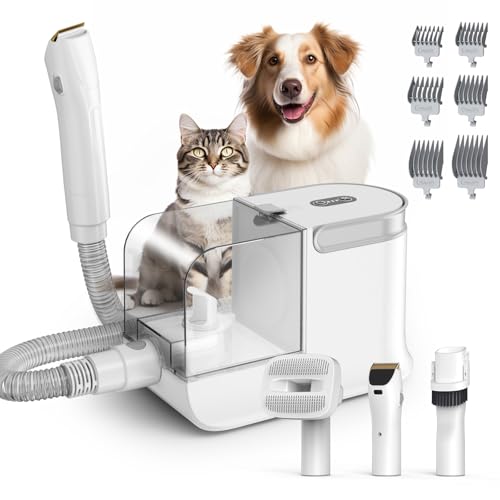
- 🐕Grooming & Vacuum All at Once: Our dog grooming kit with a vacuum function captures 99% of pet hair with 10,000 Pa suct…
- 🐈5-in-1 Pro Pet Grooming Kit: Complete with perfect accessories for comprehensive pet grooming.Suction and grooming all …
- 🐕6 Adjustable Guard Combs: With combs ranging from (3mm/6mm/9mm/12mm/15mm/18mm), you can easily trim pet hair of differe…
For daily upkeep between full grooms, a self-cleaning comb style tool speeds things up considerably. The Cat Brush Self Cleaning Pet Hair Removal Comb is marketed toward cats but works surprisingly well as a quick touch-up tool on a Mini Goldendoodle’s looser undercoat between full brush-outs. The retractable bristle release button is genuinely handy, one click and the collected fur pops right off instead of you pulling it out by hand. It won’t replace a proper slicker brush for serious mat work, but as a fast daily pass it holds up well and keeps shedding fur off furniture.
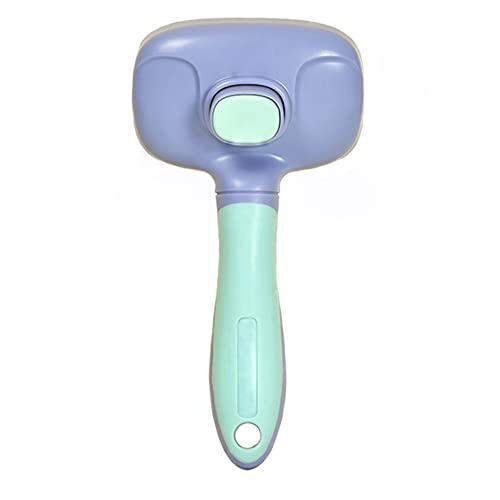
- Material: High Quality ABS + Stainless Steel needle,Special designed for home pets use.
- There are 256 fine needles on the comb, which can comb out 90% of the shed hair. The end of the comb is protected and wi…
- One key self cleaning,Press the self-cleaning button gently,Tear off the whole piece of floating hair
Dietary and Coat Health Checks Before Grooming Day
Coat condition affects how your grooming tools perform, so a quick health check before haircut day saves frustration. A puppy on a nutrient-poor diet often has a drier, more brittle coat that tangles faster and resists even the best slicker brush.
- Confirm the puppy’s diet includes adequate omega-3 fatty acids for coat elasticity
- Check for flaky skin or excessive dryness, which can signal a food sensitivity
- Look for small mats behind the ears and under the front legs, common friction zones
- Watch for any redness or irritation that should heal before clippers touch the area
If any of these checks raise concern, pause the haircut and consult your veterinarian before proceeding. Skin issues underneath a mat are easy to miss until a clipper guard passes over them.
Safety-First Takeaway for a Mini Goldendoodle’s First Haircut
Choosing the right grooming tools isn’t about buying the most expensive kit on the shelf. It’s about matching rounded-tip, breed-appropriate tools to a wavy-to-curly puppy coat and moving at a pace the dog can actually tolerate.
Go slow, reward often, and stop the moment your puppy seems overwhelmed. Protecting skin and coat health during that first session also protects something harder to repair: your dog’s trust in every grooming session that follows.
My Mini Goldendoodle puppy won’t stop squirming during brushing. What should I do?
Stop and switch to shorter sessions of two to three minutes rather than pushing through a full brush-out in one go. Pair each session with a high-value treat held in your other hand, and gradually extend the time as the puppy relaxes. If squirming happens mainly around the paws or tail, those areas usually need separate, slower desensitization before they’re worked into the regular routine.
Which clipper guard size is safest for a Mini Goldendoodle’s first trim?
A #3 or #4 guard blade is generally the safest starting point for a wavy-to-curly F1B coat, since it leaves enough length to avoid razor burn or clipper lines on sensitive puppy skin. Avoid going shorter than a #4 on a first haircut, even if the coat looks matted, since shorter guards sit closer to skin and increase nick risk on a puppy who hasn’t learned to hold still yet.
I accidentally nicked my puppy’s skin with scissors during a haircut. What now?
Stay calm, since your puppy will pick up on panic faster than pain. Apply light pressure with a clean cloth for a minute or two to stop any bleeding, then check whether the cut needs a vet visit (deep cuts or ones that won’t stop bleeding do). For future sessions, switch to fully blunt-tip scissors and always keep a flat palm between the blade and the skin as a physical barrier.
How do I know if my grooming tools are too dull or damaging the coat?
If scissors are pulling or bending hair instead of cutting cleanly, or if a clipper is tugging rather than gliding, it’s time to sharpen or replace the blade. Running your fingers through a freshly cut section and feeling split or frayed ends is another clear sign that a blade needs attention before the next grooming tools session.


