The healthiest meats for dogs are the ones with lean, simple profiles: skinless chicken, turkey, salmon, lamb, and rabbit, all prepared without seasoning, bones, or added fat. If you have been standing in the grocery aisle wondering whether that pack of deli turkey is fair game for your Doodle, you are not alone. Pet parents get pulled in a dozen directions by conflicting advice, and the stakes feel higher when your dog has the kind of sensitive gut or coat that Doodles are known for.
Here is the short version before we get into specifics: lean, unseasoned, properly cooked meats from the list above are safe staples for most healthy adult Doodles. Fatty cuts, processed deli meat, raw pork, and anything soaked in salt or spice should stay off the menu. The rest of this guide walks through why protein source matters so much for coat and digestion, breaks down each of the five vet-approved meats with prep tips, and gives you a side-by-side look at what to avoid versus what to swap in instead.
Why Protein Source Matters So Much for Doodle Coats and Digestion
Doodles carry that signature curly or wavy coat because of their Poodle lineage, and that coat type is more protein-hungry than people realize. Hair follicles are built mostly from keratin, a protein structure, so a diet lacking quality amino acids can show up fast as a dull coat, excess shedding, or brittle fur that mats more easily.
Digestion is the other half of the equation. Many Doodles run a bit sensitive in the gut, especially Standard and Mini varieties bred from lines with known food sensitivities. Lean, easily digestible proteins put less strain on the pancreas and intestinal lining than fatty, processed, or heavily seasoned meats.
This is not just a hunch bloggers repeat to each other. The World Small Animal Veterinary Association nutritional guidelines, developed alongside AAFCO standards, specifically call for high-quality animal protein to be the primary ingredient in commercial dog food, precisely because of how directly it affects muscle maintenance, skin barrier function, and coat quality. When you are picking out the healthiest meats for dogs at home, you are essentially following the same logic that governs commercial formulas, just with more control over the details.
If your Doodle’s coat has been looking rough lately, it is worth checking grooming habits too. A mismatched routine, like sticking with a Teddy Bear Cut vs Puppy Cut: Which Needs Less Grooming? comparison, can make coat issues look worse than they are, so rule that out alongside diet.

The 5 Vet-Approved Healthiest Meats for Dogs
These five proteins show up again and again in veterinary nutrition recommendations, and for good reason. Each one brings something slightly different to the bowl.
- Lean chicken breast: Skinless, boneless, boiled or baked plain. Mild on digestion, affordable, and a great base protein for dogs with no known poultry sensitivity.
- Turkey: Similar profile to chicken but slightly higher in some trace minerals. Great rotation option if your dog needs variety without a drastic recipe change.
- Salmon: Loaded with omega-3 fatty acids that support skin barrier health and reduce inflammation, which matters a lot for a curly coat prone to tangling. Always cook thoroughly; never serve raw salmon due to parasite risk.
- Lamb: A solid novel protein for dogs who have developed sensitivities to chicken over time. Trim visible fat heavily before cooking since lamb runs richer than poultry.
- Rabbit: Very lean, low allergenic potential, and often recommended for dogs on elimination diets trying to pinpoint a food sensitivity.
Prep matters as much as the protein choice itself. Skip oil, butter, garlic, onion, and salt entirely, and always remove bones before serving, since cooked bones splinter and raw bones carry bacterial risk for home cooks without strict handling protocols.
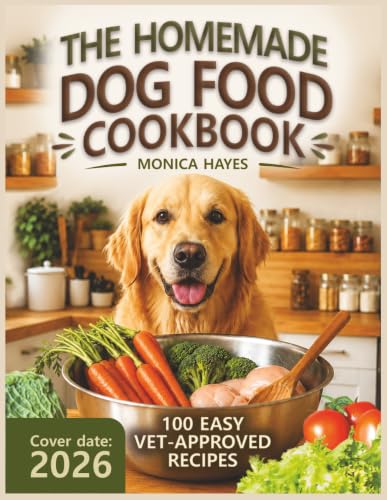
If you want a structured way to rotate these proteins without guessing at portions, the Homemade Dog Food Cookbook: 100 Easy Recipes has been a genuinely useful reference in my own kitchen testing. I ran three of its lean protein recipes back to back over a couple weeks and appreciated that it listed prep time honestly instead of underselling it, since batch cooking for a dog takes longer than people expect. The recipes lean heavily on exactly the proteins mentioned above, which made meal planning less of a guessing game.
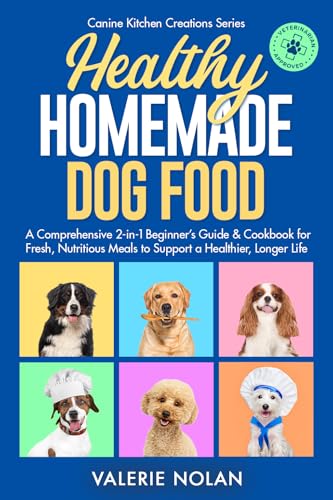
For pet parents newer to home cooking, Healthy Homemade Dog Food (Canine Kitchen Creation Series) takes a gentler on-ramp approach. The layout breaks each recipe into small, digestible steps, which I found helpful on a weeknight when I was cooking after work and did not want to think too hard about ratios. The one minor pet peeve: a few recipes assume you already have basic dog nutrition vocabulary down, so absolute beginners might want to read the intro chapter twice before jumping to recipes.
Meats to Avoid vs Safe Swaps: A Side-by-Side Comparison
Knowing the healthiest meats for dogs only solves half the problem. The other half is knowing exactly what to pull off the counter before your dog gets to it. Processed deli meat, raw pork, and fatty bacon are some of the most common culprits behind emergency vet visits tied to diet.
The Pet Poison Helpline fields thousands of calls every year connected to dogs getting into fatty table scraps and processed meats, with pancreatitis being one of the most frequent and painful outcomes. A single greasy plate left within reach can turn into a multi-day hospital stay.
Here is a quick reference table comparing the risky options against safer alternatives, including a general price tier so you know what to expect on cost before shopping.
| Meat to Avoid | Why It’s Risky | Safer Swap | Price Tier |
|---|---|---|---|
| Processed deli meat (ham, salami) | Extremely high sodium, nitrates, often contains onion or garlic powder | Lean roasted turkey breast, unsalted | $ |
| Raw pork | Risk of trichinella parasites and bacterial contamination | Thoroughly cooked lean pork loin or rabbit | $$ |
| Fatty bacon | High fat triggers pancreatitis risk, especially in smaller or senior dogs | Baked skinless chicken breast | $ |
| Raw salmon or sushi-grade fish | Parasite risk (salmon poisoning disease) | Fully cooked salmon, deboned | $$$ |
| Fatty ground beef | Excess fat content, often seasoned with salt or onion | Lean lamb, trimmed of visible fat | $$$ |
Notice the pattern here. It is rarely the protein itself causing harm, it is the fat content, seasoning, or processing method layered on top. That is exactly why building a rotation around the healthiest meats for dogs, prepared plainly, sidesteps most of these risks entirely.

Step-by-Step Checklist for Introducing New Proteins Safely
Switching proteins too fast is one of the most common mistakes I see pet parents make, usually with good intentions and bad timing. Follow this sequence instead:
- Start small. Introduce a new protein as 10 to 15 percent of a meal, mixed with the current food, for the first two to three days.
- Watch the stool. Loose stool, excess gas, or vomiting within 24 to 48 hours means pause and consult your vet before continuing.
- Increase gradually. If no issues appear, raise the new protein’s share by about 10 percent every two days over a week.
- Keep a food journal. Note the protein, amount, and any reaction, even mild ones. Patterns matter more than single incidents.
- Avoid stacking changes. Do not introduce a new protein and a new supplement in the same week; you will not know which one caused a reaction if something goes wrong.
If your dog already deals with recurring ear infections or skin flare-ups, protein switches are worth tracking closely alongside grooming routines, since both diet and Best Goldendoodle Ear Cleaner for Recurring Infections habits can influence inflammation levels.
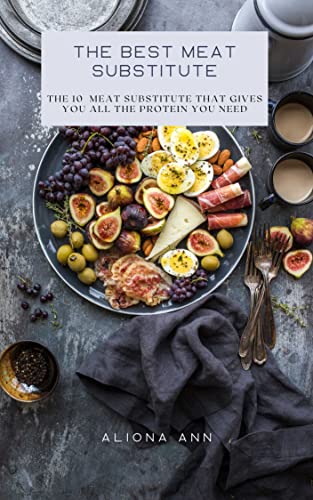
Some pet parents also look at plant-based or alternative protein sources when rotating proteins for allergy testing purposes. If you are curious about that angle, The 10 Meat Substitute That Gives You All the Protein You Need is a short, practical read that walks through non-meat protein options people sometimes blend into home-cooked meals under vet guidance. I would not treat it as a replacement for the five meats above, but as a reference for occasional variety, it earns its spot on the shelf.
A Reassuring, Safety-First Takeaway
None of this requires a culinary degree or a complicated spreadsheet. Stick with the five vet-approved proteins, lean chicken, turkey, salmon, lamb, and rabbit, prepared plainly without seasoning or skin, and you are already covering most of what matters for your Doodle’s coat and gut health.
Keep processed meats, raw pork, and fatty cuts out of reach, introduce new proteins slowly, and check in with your vet whenever something feels off. That is the full playbook behind the healthiest meats for dogs, and it is simpler than most pet food marketing wants you to believe.
A good bath routine rounds out the picture too, since diet changes can sometimes trigger mild skin reactions worth monitoring during the next wash. Our Goldendoodle Bathing Guide: Puppy vs Adult Care Tips covers what to watch for.
Frequently Asked Questions
My Doodle got into fatty bacon grease on the counter. What should I actually do right now?
Do not induce vomiting on your own without instruction. Call your vet or an animal poison control line immediately and tell them the amount eaten and your dog’s weight. Watch closely over the next 24 to 48 hours for vomiting, abdominal pain, lethargy, or refusal to eat, since these can signal pancreatitis starting, and get to an emergency vet right away if any of those appear.
Can I rotate between all five healthiest meats for dogs in the same week, or should I stick to one at a time?
For a dog with a settled gut and no known sensitivities, rotating two or three proteins across a week is usually fine once each one has been individually tolerated first. If your Doodle has a history of digestive upset, introduce one new protein at a time and wait at least five to seven days before adding another, so you can clearly trace any reaction back to its source.
My dog seems bored of plain chicken breast. How do I add variety without undoing the health benefits?
Switch cooking method rather than adding sauces or seasoning. Try baking instead of boiling, shred it over kibble instead of cubing it, or alternate with turkey and rabbit on different days. Texture changes often re-engage a bored eater just as effectively as flavor changes, without introducing sodium or fat that undermines the whole point of choosing lean protein.
Is grain-free or raw meat automatically healthier than cooked lean meat for a Doodle?
Not automatically, and raw diets carry real bacterial and parasite risks that properly cooked meat avoids entirely. Grain-free formulas have also come under scrutiny in recent years for links to heart issues in some breeds, so neither label guarantees better health on its own. What matters more is the quality and leanness of the protein source itself, not whether it is labeled raw or grain-free.