


Watching a once-bouncy Goldendoodle hesitate at the bottom of the stairs is one of those quiet gut-punches of pet parenthood. One day they’re launching off the couch to greet you, and the next they’re pausing, weighing whether the jump is worth it. If you’re searching for joint supplements for Goldendoodles right now, you’re probably already noticing the stiffness after naps or the slower starts on morning walks, and you want to know what actually helps. The good news is that joint discomfort in aging Doodles is one of the most manageable health issues out there, especially when you catch it early and pair the right supplement with smart daily habits.
This guide walks through why Goldendoodles are prone to joint trouble in the first place, what ingredients actually matter in a supplement, and five solid picks worth considering. We’ll also cover the lifestyle changes that work alongside supplementation, because a bottle of chews alone isn’t a complete plan. By the end, you’ll have a clear sense of what to look for and what to skip.
Why Goldendoodles Are Prone to Joint Issues
There’s a common myth that mixed breeds dodge the health problems of their purebred parents through “hybrid vigor.” It’s a comforting idea, but it doesn’t hold up for orthopedic conditions. Hip dysplasia and other joint issues are polygenic, meaning they’re influenced by multiple genes from both sides of the family tree, so a Goldendoodle can absolutely inherit the same risk factors as a purebred Golden Retriever or Poodle.
Data from the Orthopedic Foundation for Animals shows that hip dysplasia affects roughly 10 to 15 percent of Goldendoodles screened, a rate that tracks closely with what’s seen in the Golden Retriever line specifically. Standard Poodles carry their own joint vulnerabilities too, including patellar luxation. When you combine both parent breeds’ genetics, you get a dog that can still develop these conditions, just with slightly more variability than a purebred.
Larger Goldendoodles tend to carry more joint stress simply due to body weight and frame size, which is why early nutrition matters so much. If you’re raising a puppy right now, getting the growth phase right with something like one of these large breed puppy food options for growing Goldendoodles can genuinely reduce the odds of orthopedic problems later in life. Rapid, uncontrolled growth in large-breed puppies is one of the biggest contributors to adult joint disease.

Age is the other obvious factor. Cartilage wears down over years of normal use, and by the time most Doodles hit seven or eight, some degree of osteoarthritis is common even without a dysplasia diagnosis. That’s where joint supplements for Goldendoodles start earning their keep, slowing the inflammatory cascade and supporting the cartilage that’s still intact.
What to Look for in a Joint Supplement
Not all joint chews are created equal, and the supplement aisle (or the endless scroll of options online) can be overwhelming. Here’s a practical checklist for evaluating any product before it goes in your cart:
- Glucosamine and chondroitin, dosed by weight. Look for a minimum of 500mg glucosamine per 25-30 lbs of body weight for a standard-size Goldendoodle. Chondroitin should ideally be present in a close ratio, often around 1:1 or 2:1 with glucosamine.
- Omega-3 fatty acids (EPA/DHA). These aren’t just for coat shine. A 2021 study published in the Journal of Veterinary Pharmacology found that omega-3 supplementation reduced inflammatory markers in dogs with osteoarthritis, which translates to less pain and better mobility over time.
- Green-lipped mussel. This New Zealand shellfish extract contains a natural blend of glycosaminoglycans and omega-3s, and several veterinary studies point to it easing stiffness in arthritic dogs.
- UC-II collagen. Undenatured type II collagen works differently than glucosamine, training the immune system to stop attacking joint cartilage rather than just supplying raw building blocks. It’s often effective at lower doses.
- Third-party testing. Look for a certificate of analysis or an NASC (National Animal Supplement Council) seal, which confirms the product has been checked for contaminants and label accuracy.
- Palatability and format. A supplement that sits untouched in the cabinet does nothing. Soft chews tend to win over picky Doodles, though powders mixed into food work well for dogs who are suspicious of anything that smells like medicine.
Joint supplements work best as a long game, not a quick fix. Most dogs need four to six weeks of consistent dosing before owners notice a real difference in gait or willingness to climb stairs, so patience matters as much as the ingredient list.
Top 5 Joint Supplement Picks for Aging Goldendoodles
With the checklist in mind, here’s how a few notable options stack up. These comparisons focus on format, ingredient strength, and overall value rather than exact pricing, since costs shift and vary by retailer.
One option worth a look is the Healthy Breeds West Highland White Terrier Z-Flex Minis Hip and Joint Chews. Despite the breed-specific name, the formulation is a general small-to-medium dog hip and joint support chew, which makes it a reasonable fit for Mini or Medium Goldendoodles who need a smaller daily dose. The soft chew format tends to go over well with dogs who turn their nose up at pills or powders.
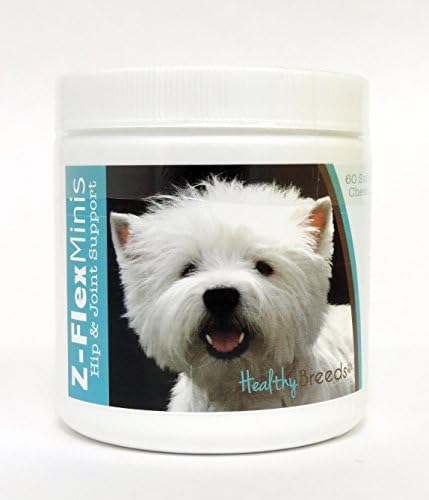
- Z Flex Minis is our small dog formula and Z Flex Max is our large dog formula
- Perfect tasty blend of Glucosamine, Chondroitin, Perna Canaliculus, and Omega-3 Fatty Acids. Dogs love the taste. They t…
- Supports the joints of working, older and active dogs. Helps to upkeep joint mobility, flexibility and healthy bone stru…
For owners managing a multi-pet household or looking for an anti-inflammatory option with a different delivery method, the Joint Support Rabbit, 200 Tablets, Anti-Inflammatory Formula is a tablet-based option with a high pill count, which can make it a budget-friendly choice on a cost-per-dose basis. Tablets require a bit more effort at mealtime since they usually need to be crushed into food or hidden in a treat, but the sheer quantity in this bottle means fewer reorders over the course of a year.

- JOINT HEALTH SUPPORT FOR RABBITS: Joint and bone issues in rabbits and guinea pig are often caused by aging, diet, inact…
- NATURAL PREMIUM INGREDIENTS: Each joint support rabbit tablet contains a blend of glucosamine, chondroitin, omega-3 fatt…
- HIGHLY DIGESTIBLE: Our joint support supplement for rabbits is high in fiber, easily digestible, and suitable for bunnie…
Finally, for senior Goldendoodles whose needs go beyond joints alone, Vita-Tabs Silver for Senior Dogs rounds out the mix as a broader daily vitamin-mineral supplement. It’s not a dedicated joint formula, but it supports overall senior wellness, including skin, coat, and immune function, which matters a lot once a dog is also dealing with arthritis and the general wear of aging. Many vets recommend layering a general senior multivitamin alongside a targeted joint chew rather than relying on one product to do everything.

- Comprehensive Nutrition: Vita-Tabs provide a balanced blend of essential vitamins and minerals to support your dog’s ove…
- Immune System Support: Packed with antioxidants, these tabs help strengthen your dog’s immune system, promoting a robust…
- Healthy Coat and Skin: The inclusion of Omega-3 fatty acids contributes to a lustrous coat and healthy skin, ensuring yo…
Comparing the Top Joint Supplements for Goldendoodles
| Product | Format | Key Ingredients | Best For | Price Tier |
|---|---|---|---|---|
| Healthy Breeds Z-Flex Minis | Soft chew | Glucosamine, chondroitin, MSM | Mini/Medium Goldendoodles, picky eaters | $$ |
| Joint Support 200 Tablets | Tablet | Anti-inflammatory joint complex | Budget-conscious, multi-dog homes | $ |
| Vita-Tabs Silver Senior | Tablet | Multivitamin, minerals, senior support | Senior Doodles needing full-body support | $$ |
| Premium Omega-3 Fish Oil Chews (general market) | Soft chew | EPA/DHA fish oil | Dogs with mild stiffness, coat concerns | $$$ |
| UC-II Collagen Capsule (general market) | Capsule | Undenatured type II collagen | Moderate to advanced arthritis cases | $$$$ |
Chews generally win on taste and ease of dosing, but tablets and powders often deliver more active ingredient per dose at a lower cost, which matters if you’re managing a standard-size Goldendoodle who needs a higher daily amount. If your dog is a notoriously picky eater, it may be worth pairing a supplement with research into calming aids for hyper puppies that actually work, since anxious or high-energy dogs sometimes resist new foods and routines, including supplement time.

Prevention Steps Beyond Supplements
Supplements are one piece of the puzzle, not the whole picture. Here’s a step-by-step approach that works alongside any joint supplements for Goldendoodles you choose:
- Keep your dog lean. Extra body weight is one of the single biggest contributors to joint stress. Ask your vet to confirm your dog’s ideal weight and adjust portions accordingly, especially as activity levels drop with age.
- Favor low-impact exercise. Swimming, slow leash walks on flat terrain, and controlled play sessions protect joints better than repeated jumping or hard sprinting on pavement.
- Invest in orthopedic bedding. A supportive memory foam bed reduces pressure on hips and elbows overnight, which matters more than most owners realize for a dog sleeping 12+ hours a day.
- Add ramps or steps for furniture and vehicles. Jumping on and off the couch or into the car repeatedly jars the joints. A simple ramp removes that daily wear.
- Schedule vet checkups at the right intervals. Senior Goldendoodles benefit from twice-yearly exams, including a hands-on mobility assessment, so changes get caught before they become severe.
Mini Goldendoodles aren’t immune to these concerns either, even though their smaller frames put less raw stress on joints. If you’re considering a smaller variety or already have one, it’s worth reading up on common Mini Goldendoodle drawbacks you should know first, since some joint and luxating patella issues actually show up more in smaller dogs due to their compact bone structure.
A Safety-First Takeaway
No supplement replaces a veterinary diagnosis, and that’s worth repeating before you start anything new. If your Goldendoodle is showing sudden lameness, crying out, or refusing to put weight on a leg, that calls for a vet visit, not a bottle of chews. For gradual stiffness and the normal creakiness of getting older, though, the right joint supplements for Goldendoodles paired with weight management and low-impact movement can genuinely extend your dog’s comfortable, active years.
Talk to your vet before starting any regimen, especially if your dog takes other medications, since certain joint ingredients can interact with existing prescriptions. Once you get the green light, consistency is what makes the biggest difference. A daily chew given faithfully for months will outperform an expensive product used sporadically.
Frequently Asked Questions
At what age should I start giving my Goldendoodle a joint supplement?
Many vets recommend starting joint support around age 5 to 7 for standard-size Goldendoodles, or earlier if your dog has a known family history of hip dysplasia or has already shown early signs of stiffness. Large and giant varieties sometimes benefit from starting even sooner as a preventive measure during their adult years, since bigger frames carry more cumulative joint stress over time.
How long does it take to see results from joint supplements for Goldendoodles?
Most owners notice improvement within four to six weeks of consistent daily dosing. Cartilage-support ingredients like glucosamine and UC-II collagen work gradually, building up in the system rather than acting like a fast-relief medication, so patience and daily consistency matter more than switching products too soon.
Can I give my Goldendoodle human joint supplements instead?
It’s best to stick with products formulated specifically for dogs. Human supplements can contain additives like xylitol or incorrect dosing ratios that aren’t safe or effective for canine joints. Dog-specific joint supplements for Goldendoodles are dosed and balanced for canine metabolism, which makes them a safer and more reliable choice.
Are joint supplements enough to manage hip dysplasia on their own?
Supplements help manage mild to moderate symptoms and support long-term joint health, but moderate to severe hip dysplasia often requires a broader plan that may include prescription pain management, physical therapy, weight control, or in some cases surgery. A vet exam and imaging are the only way to know which category your dog falls into.


