


Puppy aggression in your sweet, fluffy Doodle can feel like a gut punch, especially when that growl or snap comes out of nowhere from a dog you’d swear was pure sunshine twenty minutes ago. Take a breath. In most cases, this isn’t your puppy turning into a “bad dog.” It’s fear, discomfort, or confusion talking, and once you understand what’s driving it, you have real power to turn things around.
So let’s answer the question you actually came here with: what causes sudden puppy aggression, and what do you do about it right now? The short version is that puppy aggression almost always traces back to one of four things: the normal fear period, teething pain, resource guarding, or an undiagnosed medical issue. The good news is that each of these responds well to early, structured intervention, and you don’t need to wait for a crisis to start.
Here’s what we’ll walk through together: why this is happening, the warning signs worth watching closely, the exact steps to turn things around with positive reinforcement, and when it’s time to call in a professional. Your Doodle isn’t broken, and you’re not failing as a pet parent. You just need a plan.
What’s Really Driving Puppy Aggression in Your Doodle
Most puppy aggression cases trace back to fear, not dominance. The idea that puppies snap to “test the pack order” has mostly been retired by modern behaviorists, and for good reason: puppies are tiny, uncertain creatures navigating a world full of loud noises, strange hands, and new smells.
One of the biggest culprits is the fear period, a developmental stage that typically hits between 8 and 11 weeks of age, according to the American Kennel Club. During this window, experiences that would normally roll off a puppy’s back (a dropped pan, a stranger reaching too fast) can become genuinely frightening, and that fear can show up as growling, snapping, or backing away with bared teeth.
Teething is another common trigger. Somewhere between 3 and 6 months, your Doodle’s adult teeth start pushing through sore gums, and mouthiness that used to be playful can turn sharper and more frequent. If you’re dealing with a puppy who’s gone from nipping to genuinely biting down hard, our guide on what actually works for puppies who won’t stop biting breaks this down in more detail.
Resource guarding shows up when a puppy feels like food, toys, or even a favorite person is at risk of being taken away. And then there’s pain. An ear infection, a sore joint, or digestive discomfort can turn a normally easygoing Doodle into one who snaps when touched in a specific spot. If the aggression seems to come from nowhere and doesn’t fit a behavioral pattern, a vet visit should be your first call, not your last resort.
Red Flags vs. Normal Puppy Behavior: A Quick Checklist
Not every growl is a crisis, and not every nip means you have an aggressive dog on your hands. Here’s how to tell normal puppy exploration from behavior that needs real attention.

Normal puppy behavior usually looks like:
- Mouthing during play that softens when you yelp or redirect
- Occasional grumbling when startled awake, followed by quick recovery
- Jumping and nipping out of excitement, especially around visitors
- Chewing everything in sight, especially during teething
Red flags that deserve closer attention include:
- Growling or stiffening over food, toys, or a bed, especially if it escalates when you approach
- Snapping when touched on a specific body part, which can point to pain
- Lunging or barking aggressively at strangers or other dogs with no clear trigger
- Freezing, whale eye (showing the whites of the eyes), or a tucked tail paired with growling
- Biting that leaves marks or doesn’t soften with redirection
This matters more than most new owners realize. The ASPCA has found that behavior problems are cited in roughly 20 to 30 percent of dogs surrendered to shelters, which makes early recognition one of the most important things you can do for your Doodle’s long-term future in your home. If you’re already seeing growling alongside biting, our deeper breakdown of causes, fixes, and what to buy for puppy biting and growling is worth reading next.
Fear-based aggression in puppies is rarely about control. It’s a nervous system trying to create distance from something that feels threatening, and the fastest path to resolution is almost always patience paired with structure, not punishment.
Step-by-Step Prevention: Building a Calmer, More Confident Puppy
Prevention beats correction every time, and the earlier you start, the easier this gets. Here’s a practical sequence that works for most Doodle puppies dealing with fear or frustration-based aggression.
Step 1: Identify the specific trigger. Keep a simple log for a week. Note what happened right before each growl or snap: was it a stranger, a touch, a toy, a loud noise? Patterns usually show up fast.
Step 2: Start desensitization at a safe distance. If your puppy reacts to strangers, for example, practice calm exposure from far enough away that your Doodle stays relaxed, then reward that calm with treats. Gradually close the distance over days or weeks, never rushing.
Step 3: Respect structured socialization windows. Controlled, positive exposure to new people, dogs, and environments between 8 and 16 weeks builds lasting confidence. Keep sessions short and always end on a good note.
Step 4: Manage resource guarding early. Practice trading up: offer a higher-value treat in exchange for the item your puppy is guarding, so giving things up becomes a positive experience rather than a loss.

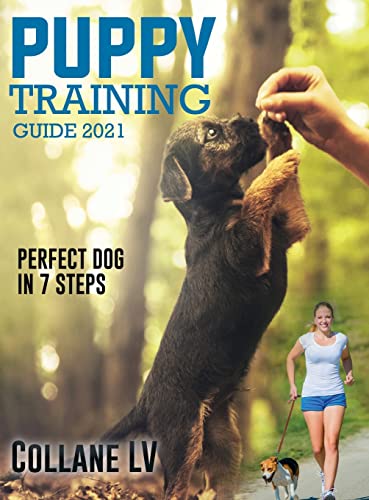
Step 5: Equip yourself with the right tools. A good training resource makes a real difference here. The Puppy Training Guide 2021: Perfect Dog in 7 Steps! lays out a structured, step-by-step approach that pairs well with the desensitization work above, especially for owners who want a clear framework rather than piecing advice together from random sources.
If your puppy’s anxiety runs high during vet visits, grooming, or stressful transitions, a calming aid can take the edge off while you work through behavior training. The NAKESY Dog Calming Pheromones Diffuser 6 in 1 Kit is a budget-friendly option that mimics calming pheromones to help ease situational stress, which can lower the odds of a fear-driven snap in the first place.

- 6 IN 1 DIFFUSER KIT – VETERINARY RECOMMENDED: The dog calming diffuser kit includes 2 diffuser head and 4 x 48ml refills…
- COVERS 700 SQUARE FEET: The dog calming pheromone diffuser effectively covers areas up to 700 square feet, providing con…
- EFFECTIVE CALMING WITHIN TWO WEEKS: The dog pheromones calming diffuser’s unique pheromone technology helps calm 90% of …
For situations involving vet exams, grooming sessions, or nail trims where a stressed puppy might snap, a well-fitted muzzle used for safety (not punishment) can protect everyone while you work on the underlying issue. The DoggieKit Dog Muzzle, Soft Printed Mesh Puppy is a lightweight, breathable option designed for short-term use during potentially stressful handling.

- Breathable & Lightweight Material: This printed dog muzzle combines soft, breathable mesh with lightweight yet durable c…
- Upgraded Escape-Proof Neck Design: This puppy muzzle features our upgraded escape-proof elastic neck collar, which comfo…
- Adjustable Snout & Head Strap: This dog mussel enables a securely customized fit for your pup through dual-point snout a…
Comparison: Prevention Tools at a Glance
Choosing the right support tool depends on what’s driving your puppy’s behavior. Here’s a quick side-by-side look at the three products covered above.
| Product | Best For | Key Feature | Price Tier |
|---|---|---|---|
| DoggieKit Soft Mesh Muzzle | Vet visits, grooming, short-term safety handling | Breathable mesh, lightweight fit | $ |
| Puppy Training Guide 2021 | Owners wanting a structured, step-by-step framework | 7-step positive reinforcement system | $ |
| NAKESY Calming Pheromone Diffuser Kit | Situational anxiety, fear-period stress | 6-in-1 calming kit with diffuser | $$ |
DIY Behavior Modification vs. Professional Veterinary Behaviorist Consult
Once you’ve got a handle on the basics, the next decision is whether to manage this on your own or bring in professional help. Both paths can work, but they fit different situations.
DIY behavior modification pros:
- Lower cost and done on your own schedule
- Strengthens your bond through hands-on, daily consistency
- Works well for mild fear responses or typical teething-related mouthiness
DIY behavior modification cons:
- Easy to misread triggers without trained eyes
- Progress can stall or backslide without expert feedback
- Risky if aggression involves biting that breaks skin
Veterinary behaviorist consult pros:
- Rules out pain or medical causes through a full exam
- Creates a customized plan based on your specific puppy’s triggers
- Can involve medication support for severe anxiety cases when appropriate
Veterinary behaviorist consult cons:
- Higher cost, often positioned as a premium investment compared to DIY approaches
- May involve a waitlist, since certified behaviorists are limited in number
If your puppy’s aggression involves biting that leaves marks, escalating lunging at people, or growling that doesn’t ease up with consistent training, skip the DIY phase and call your vet. Mild, early-stage fear responses are usually a great candidate for home-based work paired with the tools above. If you’re ever unsure whether a bite was serious enough to warrant rehoming or additional precautions, this piece on whether you should get rid of a dog after it bites offers a grounded, honest look at that decision.
Frequently Asked Questions About Puppy Aggression
Is sudden puppy aggression normal in Doodle breeds?
Yes, mild episodes of puppy aggression are fairly common, especially during the fear period between 8 and 11 weeks or while teething. Doodles aren’t more prone to this than other breeds, but their sensitivity and intelligence mean fear-based reactions can show up quickly if they feel overwhelmed. Consistent, calm handling usually resolves it.
At what age does puppy aggression typically start?
Fear-based puppy aggression often first appears between 8 and 11 weeks during the primary fear period, with a second, milder fear phase sometimes showing up around 6 to 14 months as adolescence sets in. Teething-related mouthiness tends to peak between 3 and 6 months.
Should I punish my puppy for growling or snapping?
No. Punishing fear-based puppy aggression typically backfires, since it can increase anxiety and teach your puppy to suppress warning signs rather than resolve the underlying fear. Positive reinforcement, desensitization, and removing the trigger are far more effective and safer long term.
When should I see a vet about my puppy’s aggressive behavior?
See a vet promptly if the aggression appears suddenly with no clear trigger, if your puppy snaps when touched in a specific spot, or if biting breaks the skin. These signs can point to pain or a medical issue, and ruling that out should always come before behavioral training.
The Safety-First Takeaway
Puppy aggression feels scary in the moment, but it’s rarely a sign that your Doodle is destined to be difficult. Most cases trace back to fear, discomfort, or confusion, and all three respond well to patience, structure, and the right tools. Watch for the red flags, start prevention early, and don’t hesitate to loop in your vet if something feels off.
Your puppy is still learning how to exist in a big, unpredictable world, and every calm, consistent response from you is teaching them that they’re safe. That’s the real goal behind every step here, not a perfectly behaved dog overnight, but a puppy who trusts you a little more each day.


