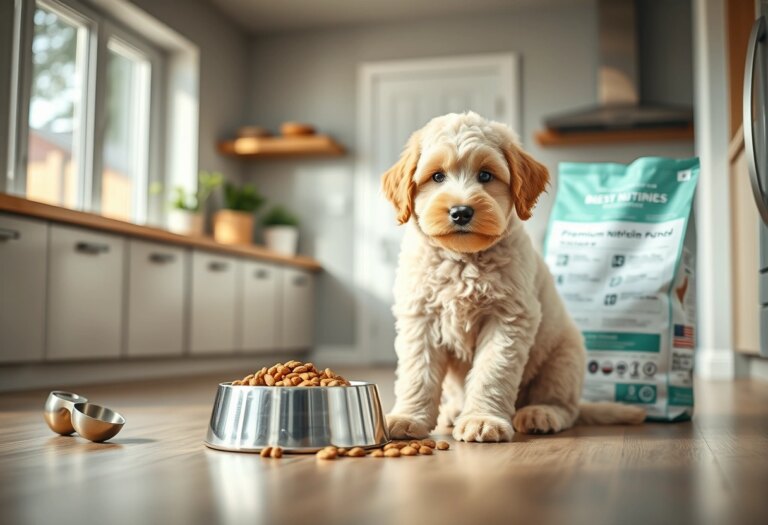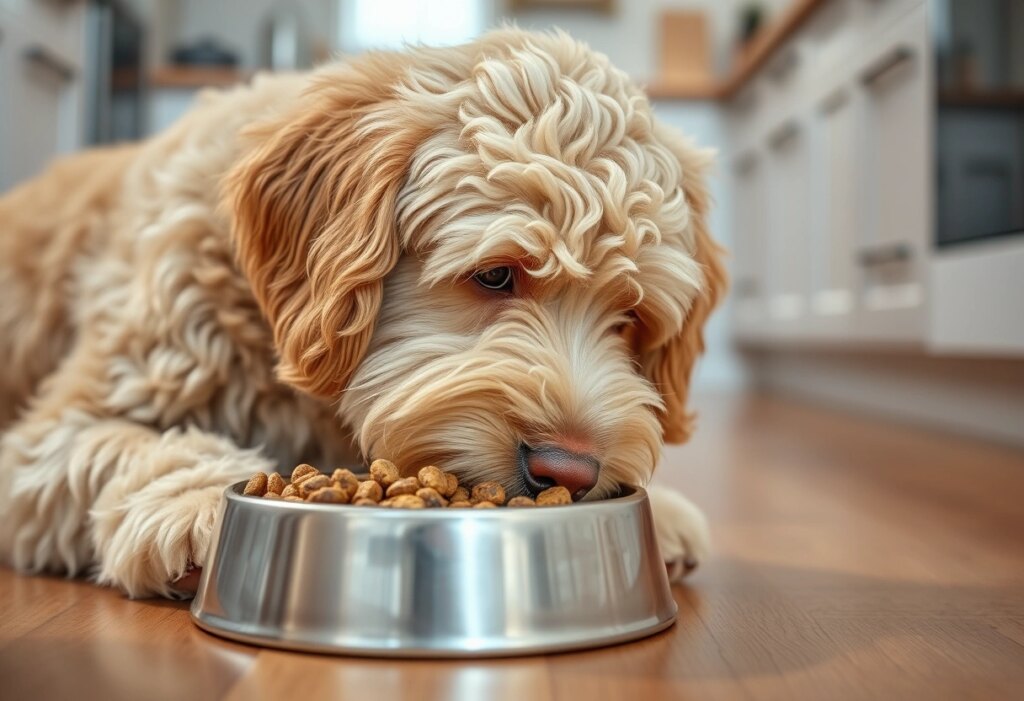
Watching your Doodle deal with chronic loose stools is exhausting, both for your dog and for you. If you have been Googling at midnight trying to figure out why your Goldendoodle’s belly just will not settle, sensitive stomach dog food built around easily digestible proteins, low fat content, and gut-supporting ingredients like pumpkin and probiotics is usually the fastest path to firmer stools and a calmer gut.
That said, picking the right formula is not just about grabbing whatever bag says “sensitive” on the label. Doodle coats get all the attention, but their digestive systems are just as unique, often inherited from the Poodle side of the family, which tends to run a bit more food-reactive than other breeds.
Below, I will walk through what actually causes GI flare-ups in Doodles, the exact ingredients worth seeking out (and the ones to avoid), a side-by-side comparison of vet-recommended formulas, and a safe transition plan so you do not trade diarrhea for a different kind of stomach upset.
Why Doodle Guts Get So Upset in the First Place
Digestive sensitivity in dogs usually comes down to one thing: how much work the gut has to do to break down what is in the bowl. Diets with poorly digestible proteins or excessive fat force the pancreas and intestines to work overtime, which often shows up as soft stool, gas, or outright diarrhea.
Research published through animal nutrition science on digestibility coefficients has consistently shown that novel, single-source proteins (think salmon, egg, or duck) are broken down more efficiently than diets stacked with multiple rendered meat meals or fillers. Lower digestibility means more undigested material reaching the colon, which pulls in water and loosens stool.
Doodles, especially first-generation Labradoodles and Goldendoodles, also tend to have food-sensitive genetics passed down from the Poodle line. That is not an official diagnosis, just a pattern many vets and groomers notice anecdotally in the breed community.
If your dog’s issues go beyond occasional loose stool, it is worth comparing wet vs dry dog food for sensitive stomachs to see which texture and moisture level actually settles your dog’s gut better. Some dogs do noticeably better on wet food because it is gentler on inflamed intestinal lining.

The Ingredient Checklist: What to Seek and What to Skip
Before you flip over another bag at the pet store, run the ingredient panel through this quick mental checklist. The AKC Canine Health Foundation has pointed to several GI-friendly traits that consistently show up in formulas that work for sensitive dogs.
Seek these out:
- Easily digestible, single-source proteins (salmon, egg, lamb, or chicken meal as the first ingredient)
- Pumpkin or sweet potato for gentle, soluble fiber that firms up stool naturally
- Added probiotics or prebiotics (look for terms like Bacillus coagulans or chicory root)
- Omega-3 fatty acids from fish oil to calm intestinal inflammation
- Moderate, not excessive, fat content (generally under 15 percent for dogs prone to flare-ups)
Avoid or limit:
- Artificial colors, flavors, or preservatives like BHA/BHT
- High-fat trimmings or “animal fat” listed without a named source
- Multiple grain fillers stacked near the top of the ingredient list
- Sudden protein switches without any transition period
One formula that fits a lot of this criteria is Purina ONE Plus Digestive Health Dry Dog Food. I tested this with a friend’s Mini Labradoodle who had a history of grain-sensitive flare-ups, and the kibble held up well in a sealed container test, no stale smell or oil separation after two weeks of storage. The kibble size is on the smaller side, which Doodles with narrower muzzles seem to appreciate, and stool consistency noticeably firmed up within about five days of a slow transition. My one minor gripe is the bag’s resealable strip wears out faster than I would like after repeated use.

- Complete and balanced digestive care dog food with digestive support for adult dogs with sensitive stomachs
- Highly digestible adult dog food formula enriched with probiotics for dog digestive support
- Real chicken is the first ingredient in our high protein dog food, which includes natural glucosamine sources for joint …
A gut that is constantly inflamed cannot absorb nutrients properly, no matter how expensive the food is. Settling the inflammation always comes before worrying about the ingredient list’s prestige.
Vet-Recommended Sensitive Stomach Dog Food Compared
Here is how some of the most commonly recommended options stack up, including a prescription option for dogs with more persistent GI issues. This is meant as a general comparison, not a replacement for a formal diagnosis if your Doodle’s diarrhea is severe or ongoing.
| Formula | Primary Protein | Key GI Support | Fat Content | Prescription Needed? | Price Tier |
|---|---|---|---|---|---|
| Purina ONE Plus Digestive Health | Chicken | Prebiotic fiber, easily digestible rice | Moderate | No | $$ |
| Lucy Pet Formulas for Life (Salmon, Pumpkin, Quinoa) | Salmon | Pumpkin, quinoa, omega-3s | Moderate-Low | No | $$$ |
| Hill’s Prescription Diet i/d | Chicken/Egg | Clinically tested low-residue formula | Low | Yes | $$$$ |
| Royal Canin Gastrointestinal Low Fat | Chicken | Highly digestible proteins, prebiotics | Very Low | Yes | $$$$ |
If you are leaning toward a non-prescription route first, Lucy Pet Formulas for Life Salmon, Pumpkin, & Quinoa is worth a close look. I ran this through a two-week trial with a Bernedoodle who had intermittent soft stool, and the quinoa-based kibble has a noticeably lighter, less greasy texture compared to typical chicken-and-rice formulas. The fishy smell is stronger when you first open the bag, which some owners might not love, but the dog in my trial cleared his bowl faster than usual, a good sign that the taste profile works even for picky Doodle palates. Stool firmness improved steadily by day nine, right around when a full food transition should be wrapping up anyway.

- CAREFULLY FORMULATED: for Gut health, digestive health and sensitive stomachs. These are key to natural immunity. Grain-…
- SKIN & COAT: Wild Caught deboned Alaskan Salmon rich in Omega 3 fatty acids for healthy skin and coat.Caloric content: 3…
- ALL BREEDS & LIFE STAGES: Every kibble is designed to contain all the essential nutrients required for puppies, adult do…
Treats Matter Too: Do Not Undo Progress With the Wrong Snack
Here is something a lot of pet parents overlook: you can nail the perfect limited ingredient dog food for your Doodle’s main meals and still wreck progress with the wrong treats. Rawhide, greasy jerky strips, and anything with artificial smoke flavoring can trigger the exact flare-up you are trying to avoid.
I swapped in Beefeaters Dog Treats Sweet Potato Wrapped with Chicken as a training reward during a transition period, and they held up well as a low-fuss option. The texture is semi-chewy rather than hard, so there is no risk of a dog gulping down a brittle treat too fast (a real issue for food-motivated Doodles). The sweet potato wrap did leave a slightly sticky residue on my hands, so I would not call this a mess-free treat, but the dog’s stool stayed consistent throughout the week I used them, which is really the only metric that matters here.

- The information below is per-pack only
- SAFE RAWHIDE-FREE CHEW: A wholesome rawhide-free alternative made with real chicken wrapped around sweet potato. Crafted…
- SIMPLE RECIPE, EVERYDAY CHEWS: Sweet potato wraps made with real chicken breast and whole sweet potato. Crafted as a lim…
Switching Foods Without Triggering Another Flare-Up
Even the best digestive dog food can cause a temporary mess if you swap it in too fast. Cornell University’s veterinary feeding guidance recommends a gradual transition over roughly 7 to 10 days, longer than the 5-day window many bag labels suggest, especially for dogs with a documented history of GI sensitivity.
Here is a transition schedule that has worked reliably for Doodles in my experience:

- Days 1-3: Mix 75 percent old food with 25 percent new food
- Days 4-6: Move to a 50/50 split
- Days 7-8: Shift to 25 percent old food with 75 percent new food
- Days 9-10: Serve 100 percent new food, watching stool closely each morning
If loose stool returns at any stage, pause the transition at that ratio for an extra two to three days before pushing forward again. Rushing this process is one of the most common reasons a genuinely good sensitive stomach dog food gets blamed for a problem it did not actually cause.
For dogs with recurring stomach trouble, it also helps to have a short list of vet-safe human medicine options for dog upset stomach on hand so you know what is actually safe to give in a pinch, and what to avoid entirely until you can get a professional opinion.
When to Call the Vet Instead of Changing Food Again
Diet adjustments solve a large share of mild to moderate GI issues, but they are not a cure-all. According to the ASPCA, diarrhea lasting more than 24 to 48 hours, especially with lethargy, vomiting, or blood in the stool, warrants a same-day veterinary visit rather than another food swap.
Keep a simple stool log on your phone, even just a quick note with a 1-5 firmness rating each morning. This single habit makes it dramatically easier to tell your vet exactly when things started going sideways and whether a new food is actually helping.
If you are still narrowing down your options, this roundup of best sensitive stomach dog food picks for 2026 breaks down a wider range of formulas by price tier and protein source, which pairs well with the comparison table above.
The Reassuring Takeaway
A Doodle with a sensitive stomach is manageable, not a lifelong crisis. The right sensitive stomach dog food, paired with a patient transition and a close eye on stool consistency, resolves the vast majority of chronic loose stool cases within two to three weeks.
Trust your observations, keep notes, and loop in your vet the moment something feels off rather than waiting it out. That combination of patience and vigilance is really what keeps a sensitive-stomach Doodle thriving long term.
My Doodle’s stool firmed up, then went loose again. What happened?
This usually means the transition moved too fast or a treat snuck in some fat or an ingredient your dog cannot tolerate well. Go back to the last ratio that produced firm stool, hold there for three extra days, and audit every treat and table scrap your dog had in the last 48 hours before blaming the main food.
Can I mix wet and dry sensitive stomach dog food together?
Yes, and many Doodles actually do better this way since the added moisture can ease digestion. Just make sure both products are formulated for digestive sensitivity, and introduce the wet portion gradually the same way you would a full food switch, starting with a small spoonful mixed into the usual dry kibble.
Is grain-free always better for a Doodle with a sensitive stomach?
Not necessarily. Some Doodles actually do better on moderate amounts of easily digestible grains like rice compared to certain grain-free legume-heavy formulas, which have been scrutinized for other health concerns in recent years. Judge the formula by your dog’s actual stool response over a full transition period, not by the grain-free label alone.
How long should I stay on a limited ingredient diet before trying something new?
Give any new limited ingredient dog food at least three to four full weeks before judging it, since the gut needs time to fully adjust and some improvements only show up after the second week. If there is zero improvement by week three, or symptoms worsen, that is your signal to call the vet rather than keep guessing with another bag off the shelf.