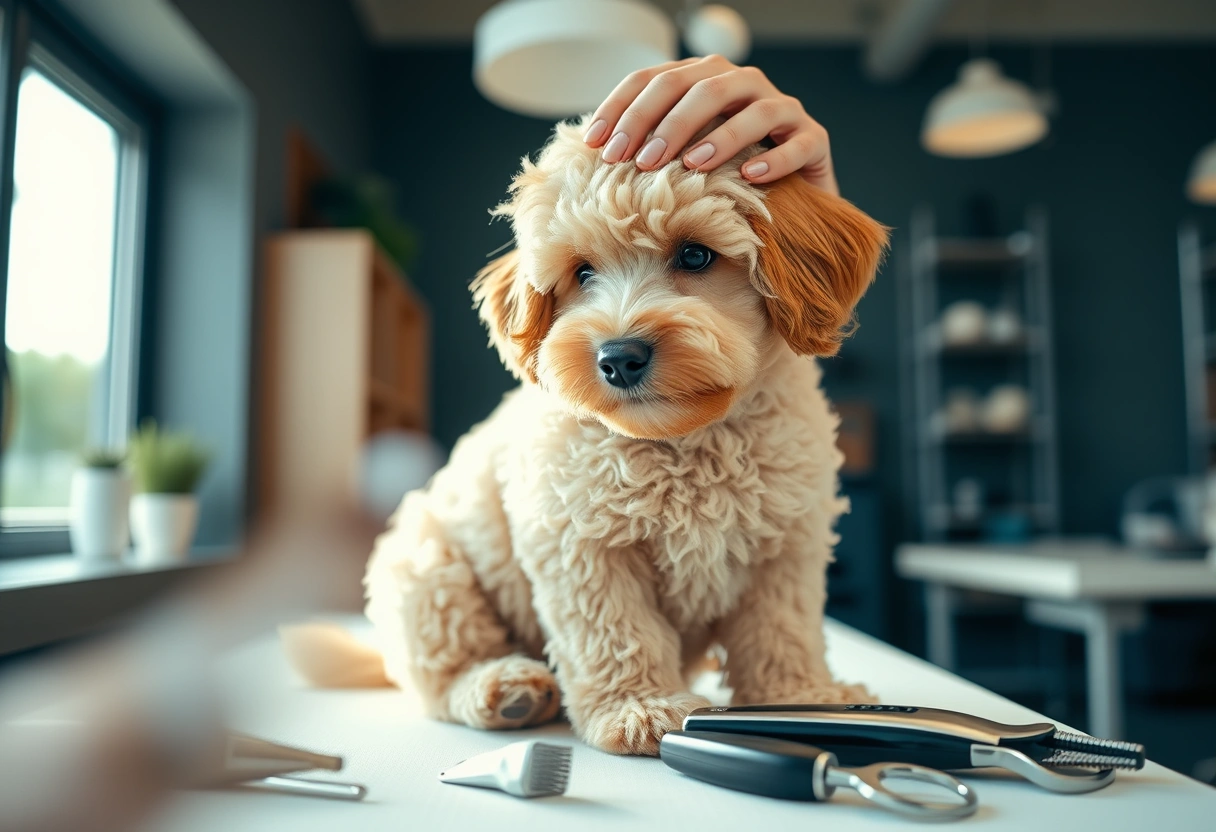
A professional teddy bear cut for your Mini Goldendoodle typically runs $65 to $95 per visit at a groomer, while building your own DIY setup costs $150 to $300 upfront but pays for itself within four to six sessions if you stick with it. That’s the short version. The longer version, the one that actually helps you decide what’s right for your dog and your budget, depends on how often you’re grooming, how confident you feel with clippers, and how much your Saturday mornings are worth to you.
I’ve talked to enough Mini Goldendoodle owners over the years to know this question comes up constantly. The teddy bear cut is easily the most requested style for doodles because it keeps that round, plush face and soft body coat that makes them look permanently huggable. But that cute look takes real upkeep, and the cost of maintaining it adds up fast whether you’re paying a professional or doing it yourself in the garage.
What Professional Grooming Really Costs for a Teddy Bear Cut
Most groomers charge based on coat condition, dog size, and how matted the fur has gotten since the last visit. For a Mini Goldendoodle, the average professional grooming session lands between $65 and $95, according to figures cited by the International Professional Groomers Association. That price usually includes a bath, blow dry, brush-out, ear cleaning, nail trim, and the actual haircut. If your dog comes in matted or hasn’t been brushed in a while, expect an added dematting fee, which can push the total higher.
Here’s the part that surprises a lot of new doodle parents: this isn’t a one-and-done expense. Because Mini Goldendoodles have a non-shedding, fast-growing curly coat, most groomers recommend a visit every four to six weeks to keep the teddy bear cut looking tidy and prevent mats from forming near the ears, armpits, and tail. Do the math over a year and you’re looking at somewhere between $650 and $1,140 annually, just for haircuts. That doesn’t include any add-ons like teeth brushing or specialty shampoos for sensitive skin.
Groomers aren’t just cutting hair, they’re managing a coat type that mats faster than almost any other breed mix out there. That’s part of why the price tag feels steep to first-time doodle owners.
If you’re trying to budget realistically, it helps to look at a full cost breakdown rather than just the per-visit number. Our complete Doodle grooming cost breakdown by coat type walks through how curl pattern and coat density change what you’ll pay across different doodle breeds, not just Goldendoodles.
The True Price of DIY Dog Grooming
DIY dog grooming looks cheaper on paper, and over the long run it usually is, but the upfront investment catches people off guard. The American Kennel Club estimates that a quality doodle-grade clipper kit runs between $150 and $300, and that’s before you factor in the extras you’ll inevitably need: guard combs in multiple lengths, a slicker brush, a metal comb for checking your work, detangling spray, ear powder, and styptic powder in case you nick a nail.
A basic setup might include a clipper with ceramic blades (metal blades heat up faster and are riskier on sensitive skin), a set of comb guards ranging from 1/8 inch to 1 inch, a curved slicker brush for fluffing the coat before cutting, and a detangling spray to work through mats without pulling. Skimping on any of these tends to backfire. Cheap clippers overheat, dull blades pull instead of cut, and a bad slicker brush leaves your dog’s coat looking patchy instead of that rounded, plush finish the teddy bear cut is known for.
One thing that helps a lot of DIY groomers get the shape right is having a reference for what the finished look should feel like, not just visually but in terms of coat texture. Some owners keep something soft and plush nearby, like this WEBEEDY 1.1 Yard Cream Teddy Bear Fabric Material, just to get a feel for the density and softness they’re aiming to replicate with their scissoring and blending technique around the face.
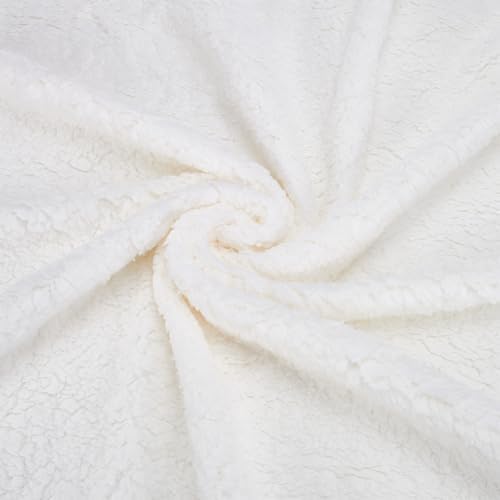
- Convenient One-Yard Pack: Each pack contains 1.1 yard/1m of fabric, making it convenient for specific needs like custom …
- Soft Material: Crafted from high-quality polyester, this fabric delivers a soft and plush texture, ideal for creating te…
- Ideal Craft Dimensions: With a size of 1m/1.1yard x 160cm/63inch, this fabric suits various crafts including sewing full…
If you want a curated list of tools instead of piecing everything together yourself, our roundup of the best Goldendoodle grooming kits for at-home haircuts breaks down which combinations actually hold up for curly, fast-growing coats.

Time Investment: Groomer Speed vs DIY Reality
Time is the piece most people underestimate. A professional groomer who does this every day can complete a full teddy bear cut in about two to three hours, start to finish, including the bath and dry. They’ve done thousands of these cuts, so their hands move efficiently and they know exactly how much coat to leave for that rounded silhouette.
First-time DIY groomers are a different story. Most report spending four to six hours on their first attempt, and a lot of that time goes toward battling mats that a professional would have caught and addressed weeks earlier, plus the slow, careful work of trying to even out lines around the ears, paws, and face. It’s genuinely a skill that improves with repetition, but the learning curve is real, and your dog has to sit through it patiently while you figure it out.
This is also where a comfortable setup for you, the groomer, actually matters more than people expect. Standing hunched over a squirmy dog for hours is rough on your back and shoulders. Some at-home groomers swear by wearing something loose and breathable during long sessions, like a Vintage Manhattan Retro Sweatshirt, since grooming sessions can get warm and messy fast once the fur starts flying.

Skill and Risk Factors Unique to the Teddy Bear Cut
The teddy bear cut isn’t just a short trim, it’s a shaping technique. Getting that rounded, plush face requires blending the fur evenly so there are no visible lines between the shorter body coat and the fuller cheeks and muzzle. Professional groomers use scissoring techniques on the face specifically because clippers can create harsh, flat edges that ruin the soft, rounded look.
Skin folds are another concern that’s specific to Goldendoodles and their mixes. The skin around the neck, armpits, and groin can fold slightly, and running a clipper too close or too fast in those spots risks clipper burn, a painful skin irritation that shows up as redness and can take days to heal. Groomers are trained to angle the blade and use a lighter touch in these areas. DIY groomers, especially on their first few attempts, often don’t realize how sensitive that skin is until they’ve already caused a minor irritation.
If you’re comparing this cut to other popular doodle styles before committing to either the groomer route or DIY, it’s worth reading through how the teddy bear cut compares to the puppy cut for ease of maintenance, since one style genuinely requires less precision than the other.
According to the American Kennel Club, proper coat maintenance for curly and wavy-coated breeds requires regular brushing between grooming sessions to prevent the kind of matting that makes any haircut, professional or DIY, significantly harder and riskier.

Finding Your Break-Even Point Between Groomer and DIY
The real question isn’t “which option is cheaper” in the abstract, it’s “which option is cheaper for your specific dog and your specific habits.” Here’s a simple framework to figure that out.
Start with your visit frequency. If your Mini Goldendoodle needs grooming every four weeks, that’s roughly 13 sessions a year. At an average of $80 per professional visit, you’re looking at around $1,040 annually. A one-time DIY investment of $200 to $300 pays for itself after your third or fourth session, and every visit after that is essentially just replacement blades, batteries, and grooming spray.
Next, factor in your coat maintenance habits between cuts. Owners who brush daily and keep the coat mat-free tend to have an easier time with DIY grooming because there’s less untangling involved before the actual cut. Owners who go weeks without brushing usually find DIY sessions frustrating and time-consuming, and might be better served sticking with a groomer who can catch mats early.
Finally, be honest about your comfort level with clippers around your dog’s face and sensitive areas. If the idea of trimming close to your dog’s eyes or skin folds makes you nervous, that hesitation usually shows up in the final result, uneven lines, a lopsided face, or a rushed job that leaves mats behind. There’s no shame in leaving that part to a professional even if you handle body trims yourself between full grooming visits.
Some owners land on a hybrid approach: professional grooming every other cycle, with a DIY touch-up session in between using basic clippers and a slicker brush just to knock down growth around the eyes and paws. It’s a reasonable middle ground that cuts your annual grooming bill roughly in half while still giving your dog professional shaping a few times a year.
Comparing the Real Costs Side by Side
| Grooming Option | Price Tier | Frequency Needed | Time Per Session | Best For |
|---|---|---|---|---|
| Professional Groomer | $$$ | Every 4-6 weeks | 2-3 hours | Owners who want consistent shaping and low personal effort |
| Basic DIY Clipper Kit | $$ | Every 4-6 weeks (self) | 4-6 hours (first attempts) | Budget-conscious owners willing to learn the technique |
| Premium DIY Grooming Kit | $$$$ | Every 4-6 weeks (self) | 2-4 hours (with practice) | Owners investing long-term in home grooming |
| Hybrid (Groomer + DIY Touch-Up) | $$$ | Groomer every 8-10 weeks, DIY in between | Varies | Owners balancing cost with professional shaping |
If you’re weighing which category fits your situation, remember this decision isn’t permanent. Plenty of owners start with a groomer while they learn what a good teddy bear cut is supposed to look like, then transition to DIY once they feel confident replicating it. Others go the opposite direction after a few rough DIY attempts. Neither choice is wrong, it’s just a matter of matching the option to your schedule, your dog’s coat needs, and your patience for learning a new skill.
A Small Reward for the Effort
Whichever route you choose, keeping up with regular grooming for a Mini Goldendoodle is genuinely a commitment, and it’s fair to treat yourself to something that celebrates the bond that comes with all that brushing and bathing. Something like this Vintage 925 Sterling Silver Articulated Teddy Bear Necklace makes a sweet nod to the exact look you’re working so hard to maintain on your pup.

Frequently Asked Questions
How much does a teddy bear cut cost at a groomer?
A professional teddy bear cut for a Mini Goldendoodle typically costs between $65 and $95 per session, depending on your location, coat condition, and whether dematting is needed. Most dogs need this service every four to six weeks to maintain the shape.
Is DIY dog grooming actually cheaper in the long run?
Yes, in most cases. While the upfront cost of a quality clipper kit runs $150 to $300, DIY dog grooming typically breaks even after three to four sessions compared to ongoing professional visits. After that, your only ongoing expenses are replacement blades and grooming sprays.
Can I mess up my Goldendoodle’s teddy bear cut doing it myself?
It’s possible, especially on your first few attempts. Common mistakes include uneven blending around the face, clipper burn near skin folds, and choppy lines from rushing. The good news is fur grows back, and most owners see real improvement by their third or fourth DIY session.
How often does a Mini Goldendoodle need grooming?
Most Mini Goldendoodles need a full grooming session every four to six weeks because their curly, non-shedding coat grows quickly and mats easily. Regular brushing between sessions, whether you’re doing DIY dog grooming or visiting a professional, helps stretch the time between full cuts.