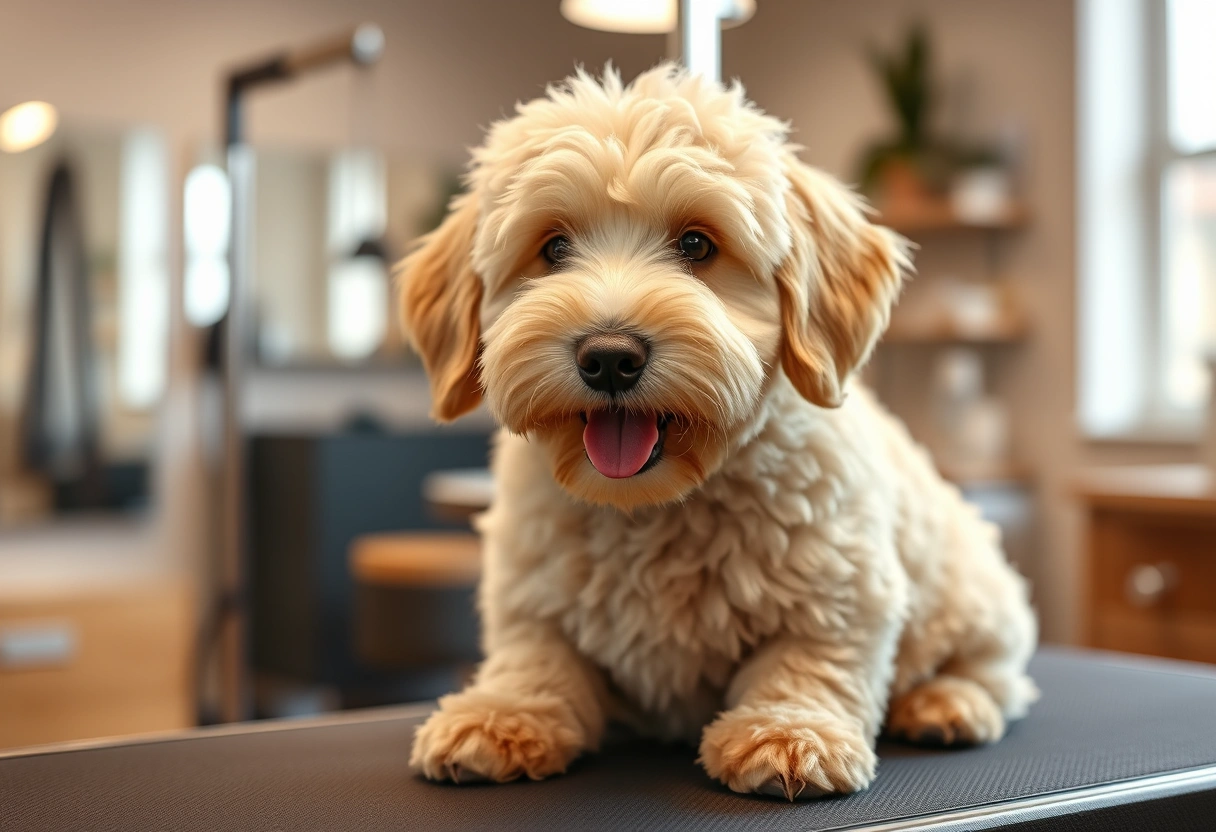
The teddy bear cut is the style most exhausted Goldendoodle parents land on when they finally admit their grooming routine needs to get simpler, and for good reason. If you’re standing in your bathroom right now staring at a dog covered in tangles, wondering whether you made a mistake choosing a doodle, you’re not alone. This is one of the most common regrets new doodle owners quietly Google at 11pm.
The short answer: a teddy bear cut is generally easier to live with day-to-day than a puppy cut, mostly because of how the coat is layered and how forgiving it is between grooming visits. But “easier” doesn’t mean “no work,” and the right choice really depends on your schedule, your climate, and how much brushing you’re honestly willing to do. Below, we’ll walk through exactly how these two cuts differ, what each one demands from you at home, and how to pick the style that matches your real life instead of your Pinterest board.
What Is a Teddy Bear Cut vs a Puppy Cut, Really?
Both styles keep the coat trimmed short-ish and manageable, but the technique and end result are different. A teddy bear cut is defined mostly by the face: groomers round the muzzle and cheeks into a soft, plush, rounded shape, blending the ears and head fur so the whole face reads as one smooth circle. The body is usually left at a slightly longer length, often one to two inches, to keep that fluffy, huggable look going all the way down.
A puppy cut, on the other hand, is more uniform. The groomer trims the entire body, including the face, legs, and tail, to roughly the same short length, typically half an inch to an inch. There’s no special face-rounding technique, just an even, all-over trim that mimics how a young puppy’s coat naturally looks before it fully matures.
Here’s the practical difference: the teddy bear cut takes more grooming skill and time in the chair because of the face detailing, while the puppy cut is faster to execute but offers less of that classic “stuffed animal” aesthetic doodle owners fall in love with.

Maintenance Comparison: Teddy Bear Cut vs Puppy Cut Goldendoodle Styles
Coat length isn’t the only factor that determines how much work you’ll be doing between salon visits. Brushing frequency, matting risk, and how often you need a professional trim all shift depending on which style you choose. The American Kennel Club recommends doodle coats be brushed three to four times weekly to prevent mats from forming at the skin, regardless of which cut you choose, but the margin for error is noticeably different between the two.
| Feature | Teddy Bear Cut | Puppy Cut |
|---|---|---|
| Coat Length | 1-2 inches, longer on face and body | 0.5-1 inch, uniform all over |
| Brushing Frequency | 3-4x weekly minimum | 2-3x weekly |
| Matting Risk | Moderate (face and ears prone to tangles) | Low (short length resists matting) |
| Professional Trim Interval | Every 4-6 weeks | Every 6-8 weeks |
| Grooming Session Length | Longer (face detailing) | Shorter (uniform trim) |
| Price Tier (Per Session) | $$$-$$$$ | $$-$$$ |
| Heat Tolerance | Moderate | Better in hot climates |
| Debris Pickup (Sticks, Mud, Burrs) | Higher | Lower |
Notice the professional trim interval difference. The National Dog Groomers Association reports that doodle-type coats generally need professional trims every four to six weeks to stay manageable, which is roughly double the frequency of the eight to ten week schedule typical for short breed cuts. A puppy cut stretches slightly closer to that longer interval since there’s less length to maintain, while a teddy bear cut usually needs to stay on the tighter four to six week end of the range to keep the face shape crisp.
Choosing between a teddy bear cut and a puppy cut isn’t really about which one looks cuter. It’s about being honest with yourself about how many nights a week you’ll actually pick up a brush before the mats start forming under the collar and behind the ears.
Pros and Cons of the Teddy Bear Cut
- Pro: Keeps that classic rounded, plush face that most Goldendoodle owners want
- Pro: Longer coat offers a bit more cushion and warmth in cooler weather
- Con: Higher matting risk around the ears, armpits, and behind the tail
- Con: Picks up more mud, grass, and burrs on walks due to length
- Con: Runs warmer in summer, so heat tolerance is only moderate
- Con: Costs more per grooming visit because of the detail work involved
If your dog is a fair-weather walker who mostly sticks to sidewalks and a fenced yard, the debris issue is manageable. If you’ve got a trail dog who dives into every puddle, the extra brushing catches up with you fast. A well-fitted Goldendoodle grooming kit makes a real difference here, since having the right slicker brush and comb on hand means you can knock out a quick maintenance session in ten minutes rather than dreading a thirty-minute detangling project.
Pros and Cons of the Puppy Cut
- Pro: Shorter length means fewer mats and less daily upkeep
- Pro: Handles heat noticeably better, ideal for warm-climate owners
- Pro: Generally a more budget-friendly option per grooming visit
- Con: Loses some of the signature “teddy bear” face shape doodle owners love
- Con: Can look a bit plain or generic compared to a styled face trim
- Con: Shorter coat offers less insulation for dogs in colder regions
Seasonal shedding management also tips slightly in favor of the puppy cut. Because there’s less coat volume overall, loose undercoat has less real estate to get trapped in, which means less brushing time spent working through dense clumps during spring and fall coat transitions.
At-Home Upkeep Routine for Either Goldendoodle Grooming Style
Whichever cut you land on, a consistent at-home routine is what actually prevents the expensive, stressful trip to the groomer where they tell you the coat is too matted to work with and needs to be shaved down. Here’s a simple weekly rhythm that works for both styles:

- Brush before bathing, every time. Wetting a matted coat tightens the tangles and makes them nearly impossible to remove afterward.
- Focus on friction zones. Behind the ears, under the collar, armpits, and around the tail mat first because of movement and moisture.
- Use a slicker brush followed by a metal comb. The slicker breaks up surface tangles, the comb checks you’ve reached the skin.
- Check paws and legs after outdoor time. Debris and small mats form fastest here, especially with a longer teddy bear cut.
- Book trims on a calendar, not a whim. Waiting until the coat “looks bad” usually means it’s already past the easy-maintenance window.
If mats have already set in and a comb alone isn’t cutting it, a proper clipper designed for dense or tangled doodle coats saves a lot of frustration. Reading through a guide on the best dog clippers for matted doodle hair before you’re in a crisis is a smart move, since not every clipper is built to handle a Goldendoodle’s dense double coat without bogging down mid-cut.
And if you’re leaning toward the teddy bear cut specifically because of the face styling, it helps to see real examples of what groomers can actually achieve on a mini frame. A rundown of mini Goldendoodle haircuts groomers actually love gives you a clearer sense of which rounded-face variations hold up best between appointments.
When the Coat Itself Deserves a Little Celebration
There’s something genuinely charming about a freshly groomed doodle that looks like a plush stuffed animal come to life. If you’re the type of pet parent who loves leaning into that aesthetic, a piece like the Vintage 925 Sterling Silver Articulated Teddy Bear Necklace makes a sweet nod to the teddy bear cut look you’re maintaining on your own dog at home.
For casual everyday wear while you’re out on grooming errands or picking up supplies, something comfortable and low-key like the Vintage Manhattan Retro Sweatshirt fits the relaxed, pet-parent lifestyle most doodle owners actually live day to day.

If you’re a crafty type who likes to make your own pet accessories, bandanas, or bed covers that match your dog’s fluffy texture, a soft material like the WEBEEDY 1.1 Yard Cream Teddy Bear Fabric Material is a fun way to bring that same plush look into your home projects.
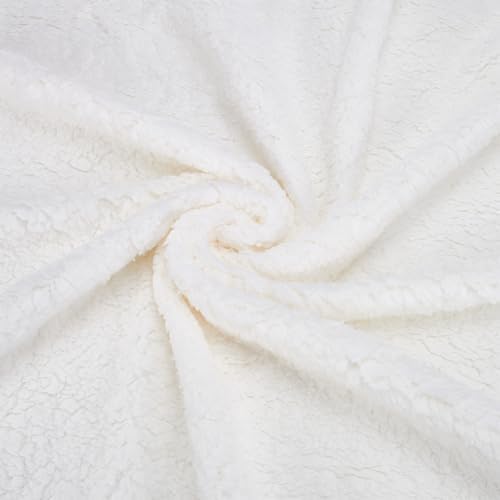
- Convenient One-Yard Pack: Each pack contains 1.1 yard/1m of fabric, making it convenient for specific needs like custom …
- Soft Material: Crafted from high-quality polyester, this fabric delivers a soft and plush texture, ideal for creating te…
- Ideal Craft Dimensions: With a size of 1m/1.1yard x 160cm/63inch, this fabric suits various crafts including sewing full…
Choosing the Cut That Fits Your Real Grooming Capacity
Neither style is objectively “better.” A teddy bear cut rewards owners who genuinely enjoy the grooming ritual and don’t mind a slightly warmer, higher-maintenance coat in exchange for that classic rounded face. A puppy cut rewards owners who want low-fuss, low-cost upkeep and don’t mind sacrificing a bit of that plush look for practicality.
Be honest about your week. If brushing three to four times feels like a stretch most weeks, the puppy cut’s lower matting risk will save you money and stress in the long run. If you love the styling process and have the time for it, a teddy bear cut delivers that unmistakable doodle charm without becoming unmanageable, as long as you stick to the brushing schedule.
Whichever style you choose, the safety-first priority stays the same: a coat that’s brushed to the skin regularly, checked for hidden mats, and trimmed on a predictable schedule keeps your Goldendoodle comfortable, cool enough in warm months, and free from the skin irritation that untreated mats can cause. Your dog doesn’t care which cut looks trendier. They care about being comfortable in their own coat every single day.
Frequently Asked Questions About Teddy Bear Cut and Puppy Cut Styles
Is a teddy bear cut more expensive than a puppy cut?
Generally yes. A teddy bear cut requires more detailed scissor work around the face and typically falls into a mid-range to premium price tier, while a puppy cut is a faster, more uniform trim that usually costs less per session. Ask your groomer for their specific pricing tiers before booking.
Can I switch between a teddy bear cut and a puppy cut easily?
Yes, switching styles is simple since both involve trimming rather than permanent shaping. Just mention the change to your groomer at your next scheduled visit, and keep in mind the coat will need a few weeks to grow out if you’re moving from a puppy cut back to a teddy bear cut.
Which style is better for a Goldendoodle in a hot, humid climate?
A puppy cut tends to handle heat better because the shorter, uniform length allows more airflow to the skin. A teddy bear cut can still work in warm climates, but it requires more frequent brushing to prevent the longer coat from trapping heat and moisture against the skin.
How do I know if my dog’s coat is too matted for either cut?
If you can’t run a metal comb through the coat down to the skin in most areas, the mats have likely progressed too far for a simple trim and your groomer may recommend a shorter shave-down instead. Regular brushing between visits is the best way to avoid reaching this point.