


Teething toys are the single most effective tool you have right now if your Doodle puppy’s mouth feels like a tiny alligator attached to your wrist. If you’re reading this at 11 p.m. with a sore hand and a pile of chewed-up socks, you’re not failing at this. You’re raising a puppy through one of the most physically uncomfortable stages of early development, and the right teething toys can make the next eight weeks dramatically more bearable for both of you.
The short answer: look for a mix of rubber, nylon, and rope textures sized to your puppy’s current jaw, rotate them daily, and freeze a few for extra gum relief. Below, I’ll walk through why this stage happens, what the science says about redirecting bite behavior, and nine specific teething toys worth adding to your rotation in 2026, with a side-by-side comparison table so you can shop by material, durability, and price tier without guessing.
Why the 8-16 Week Biting Stage Feels So Intense
If it feels like your puppy’s mouth is permanently open and aimed at your ankles, that’s because biologically, it kind of is. Puppies are born without teeth, cut their baby set around 3-6 weeks, and then start losing those baby teeth as adult teeth push through starting around 12-16 weeks. The American Veterinary Medical Association confirms puppies lose all 28 of their deciduous teeth during this window, replaced by 42 permanent adult teeth. That’s a lot of dental real estate changing over in just a few months.
That turnover causes real, physical gum soreness. Chewing isn’t your puppy being “bad.” It’s a biological response to inflammation and pressure under the gumline. Teething puppy toys work because they give that discomfort somewhere productive to go, instead of your coffee table leg or your toddler’s shoe.
This matters even more for Doodle breeds specifically. Goldendoodles, Labradoodles, and Bernedoodles tend to be mouthy, food-motivated, and high-energy as puppies, which means teething behavior often gets tangled up with normal puppy nipping and attention-seeking. If the biting feels aggressive rather than just annoying, it’s worth reading our breakdown of tools to stop aggressive puppy biting fast, since teething toys alone won’t fully solve a behavioral nipping habit.

A 2021 study published in Applied Animal Behaviour Science found that puppies given consistent, appropriate chew outlets showed over a 60 percent reduction in destructive and redirected biting behavior compared to puppies without structured chew access. Translation: the right teething toys aren’t just comfort items. They’re a behavior management tool.
What Makes a Good Teething Toy for a Doodle Puppy
Not every chew toy on the shelf is built for a teething mouth. Before you add anything to cart, run it through these checks:
- Material safety: Food-grade rubber, nylon, or natural rope, free of phthalates and BPA.
- Give, not rigidity: A toy with slight flex absorbs bite pressure better than something rock-hard, which can crack young teeth.
- Freezer-safe design: Cold therapy numbs sore gums the same way a teething ring works for human babies.
- Size-appropriate for jaw growth: A toy too small is a choking risk; too large and your puppy may lose interest or struggle to grip it.
- Easy to clean: Puppies drool. A lot. Dishwasher-safe or easily rinsed materials matter.
The 9 Best Teething Toys for the Puppy Biting Stage
Here’s where I break down nine solid options for 2026, grouped by what they do best. I’ve spread these across different needs rather than ranking them 1-9, because the “best” teething toy really depends on your puppy’s chew style.
1. Freezer-Safe Rubber Rings
Rubber rings designed for cold therapy are one of the most reliable teething toys you can buy. Soaking or freezing them before handing them over cools inflamed gums almost immediately, similar to how a cold washcloth soothes a human teething baby. One option worth a look is the Chuya Baby Toys Remote Control Teething Toys, 2 Pack, which, despite being marketed for human infants, has a textured rubber design that many Doodle owners have repurposed for sore puppy gums thanks to its soft-but-structured chew surface and easy-to-grip shape.
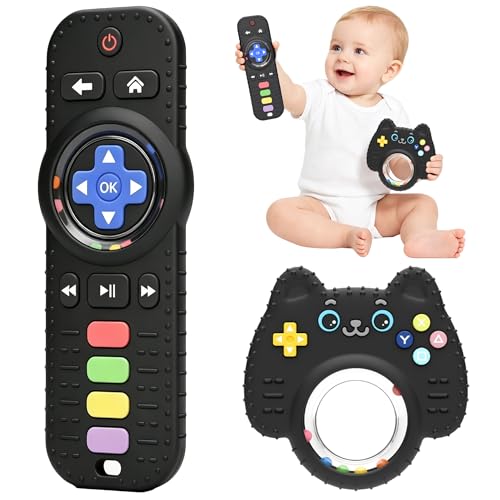
- Safe & BPA-free:Made of 100% food-grade silicone material,ABS plastic,Non-toxic and BPA free.Conforms to US ASTM F963 & …
- Baby Rattle & Teether:This upgraded remote control toy features an integrated bell that produces a crisp, pleasant rattl…
- Baby-specific remote control: These teething toys are designed for easy grasping and have an ergonomic shape that can be…
2. Variety Chew Packs for Rotation
Doodle puppies get bored of a single texture fast, which is exactly why toy rotation works so well as a training strategy. A multi-piece variety pack solves this without needing a dozen separate purchases. The MRSOHRET 20Pcs Puppy Chew Toys for Teething gives you a budget-friendly stash of ropes, rubber shapes, and plush-adjacent textures to swap in and out daily, which keeps interest high and reduces the odds your puppy wanders off to chew your baseboards instead.

- 20 Pack dog toys for puppies: Packaging includes 7 dog rope toys, 3 toothbrush rubber toys, 1dog training bell, 2 plush …
- Puppy chew toys:When a dog has teeth, is bored, or relieves stress, it can easily damage shoes, sofas, and various house…
- Puppy toys to keep them busy: Dog rope toys are very suitable as interactive toys to play with furry friends and can imp…
3. Treat-Dispensing Activity Balls
Teething toys that double as food puzzles solve two problems at once: sore gums and the mental boredom that fuels nipping at your hands and clothes. The KONG Puppy Activity Ball, Natural Rubber Teething Toy is a solid mid-range pick here. It’s made from a softer rubber formula designed specifically for developing puppy teeth, and the hollow design lets you tuck in a few kibble pieces to extend chew sessions.

- Promotes Healthy Chewing: This teething puppy toy is made from the KONG’s Natural Puppy Rubber to soothe gums and make c…
- Treat-Filling Capabilities: The hollow interior allows for stuffing with kibble, peanut butter, or KONG Snacks and Easy …
- Durable Natural Rubber Dog Toy: The KONG Classic red rubber formula is created for average chewing dogs, and is recommen…
4-9. Rounding Out Your Rotation
Beyond the three products above, a well-stocked teething toy rotation for a Doodle puppy should also include: a durable nylon bone for heavier chewers, a soft knotted rope toy for tug-adjacent gum pressure, a textured silicone teether specifically marketed for puppies, a frozen washcloth (yes, really, just a damp cloth tied in a knot and frozen), a soft plush toy with no small parts for comfort chewing, and a flat rubber disc toy that’s gentle on emerging adult teeth. None of these need to be expensive. The goal is variety in texture and firmness, not quantity for its own sake.
Comparison Table: Teething Toy Options at a Glance
| Teething Toy Type | Material | Freezer-Safe | Best For | Durability | Price Tier |
|---|---|---|---|---|---|
| Chuya Remote Control Style Teether | Soft rubber | Yes | Early teething relief (8-12 weeks) | Moderate | $$ |
| MRSOHRET 20Pc Variety Pack | Rope, rubber, mixed | Partial | Toy rotation and boredom-busting | Varies by piece | $$ |
| KONG Puppy Activity Ball | Natural rubber | Yes | Mental stimulation plus chewing | High | $$$ |
| Nylon Chew Bone | Nylon | No | Heavier, more aggressive chewers | Very high | $$ |
| Knotted Rope Toy | Cotton rope | No | Light tugging and gum pressure | Low to moderate | $ |
| Silicone Teether | Food-grade silicone | Yes | Sore gum soothing | Moderate | $$ |
Bite-Redirection Training: Pairing Toys With Positive Reinforcement
Teething toys work best when they’re part of an actual training protocol, not just scattered around the house and hoped for. Here’s a simple step-by-step redirection method that works well with Doodle puppies, who tend to be smart enough to learn this quickly once it clicks.
- Freeze a rotation of three toys the night before so you always have a cold option ready.
- The moment teeth touch skin or fabric, calmly say “no bite” or “ouch” in a neutral tone, no yelling.
- Immediately offer the teething toy in place of your hand or sleeve, within one to two seconds.
- Praise warmly the instant your puppy’s mouth closes on the toy instead of you.
- Repeat consistently every single time, even when you’re tired of doing it. Consistency is what makes this stick.
This approach works because it never punishes the bite itself, which can actually increase anxiety-driven nipping in some puppies. It simply redirects the behavior to an acceptable outlet, which lines up with the Applied Animal Behaviour Science findings mentioned earlier. If your puppy’s biting feels more frantic or frustrated than typical teething discomfort, especially during high-energy periods, it may help to read more about surviving peak Goldendoodle puppy energy, since overtired or under-stimulated puppies tend to bite harder and more often.

Safety Checklist Before You Buy Any Teething Toy
Not every toy marketed as a teething toy is actually safe for every puppy. Run through this list before adding something new to the rotation:
- Toy is larger than your puppy’s mouth can fully swallow
- No small, detachable parts (eyes, bells, plastic bits) that could become choking hazards
- Material is labeled non-toxic, BPA-free, and ideally made for pets specifically
- Toy has some flex rather than being completely rigid, which protects emerging adult teeth
- You supervise the first few sessions with any new toy to see how your puppy chews it
- Worn, cracked, or shredded toys get thrown out immediately, not “one more use”
If you’re ever unsure whether a specific chew item is appropriate for your puppy’s size or chew strength, a quick check-in with your veterinarian during a regular wellness visit is a smart, low-effort way to confirm you’re on the right track.
A Reassuring Note on the Teething Puppy Stage
This stage, as miserable as it feels some days, is temporary. Most puppies finish losing baby teeth and settle into adult teeth by around six months, and biting intensity typically drops noticeably once that transition completes. Stocking a solid lineup of teething toys now, rotating them consistently, and pairing them with calm redirection training will get you through this window with your furniture, your hands, and your patience mostly intact.
Give yourself grace here too. Every Doodle puppy goes through this, and the fact that you’re actively looking for teething toys and training strategies means you’re already doing the right thing for your puppy’s comfort and development.
Frequently Asked Questions About Teething Toys
How long does the puppy biting stage from teething typically last?
Most puppies begin losing baby teeth around 12 to 16 weeks and finish growing in their full adult set by roughly six months old. Biting intensity usually peaks during active tooth loss and eases noticeably once the adult teeth are fully in.
Should I freeze teething toys for my puppy?
Yes, if the toy is labeled freezer-safe. Cold temperatures help numb sore, inflamed gums during active teething, similar to how a chilled teething ring soothes a human infant. Always check the manufacturer’s guidance first, since not all materials are designed for freezing.
Are rawhide chews safe teething toys for Doodle puppies?
Rawhide can pose a choking and digestive risk, especially for young puppies who chew aggressively and may swallow large pieces. Most veterinarians recommend sticking with rubber, nylon, or rope-based teething toys instead and supervising any new chew item closely.
How many teething toys does my puppy actually need?
A rotation of four to six teething toys with varied textures (rubber, nylon, rope, and a freezer-safe option) is typically enough to keep a Doodle puppy engaged without overwhelming your space. Rotating them every few days keeps interest high and reduces destructive chewing elsewhere in the house.


