


Therapy dog training cost can swing wildly depending on which path you choose, and that price confusion is probably why you’re here. If your Doodle has the sweet, people-loving temperament therapy work calls for, you’re likely staring down three very different routes: group classes running roughly $30 to $50 per session, private lessons averaging $45 to $120 per session, or online certification programs that bundle everything into a flat $150 to $300 total based on fee structures reported by organizations like Alliance of Therapy Dogs and Pet Partners. None of those numbers tell you which option actually fits your dog, your schedule, or your wallet.
This guide breaks down what you’re really paying for, compares the three training paths side by side, and gives you a budgeting checklist so you don’t get caught off guard by hidden fees. We’ll also flag where cutting corners on therapy dog certification can backfire, because the cheapest option isn’t always the safest one for your dog’s wellbeing.
What Actually Drives Therapy Dog Training Cost
Therapy dog training cost isn’t just one number. It’s a stack of smaller line items that add up differently depending on the route you pick.
Trainer credentials matter a lot here. A certified professional with years of therapy-specific experience charges more than a general obedience instructor, and for good reason. They know how to prep a dog for the unpredictable sights, sounds, and touches found in hospitals or schools.
Session length and group size shift the price too. A 45-minute private lesson costs more per hour than a group class, but you’re getting undivided attention instead of splitting it six ways.
Then there’s the certification layer itself. The American Kennel Club notes that temperament testing is a core requirement before any dog is cleared for therapy work, and that evaluation usually comes with its own fee separate from training. Pet Partners, for example, reports a $25 to $35 annual registration fee on top of whatever handler course you take to prepare.
Breed temperament testing adds another variable. Doodles generally test well for therapy work thanks to their social, biddable nature, but testing itself still costs money regardless of how your dog performs. Budget for it as a separate line item, not something bundled into training.
Group Classes vs Private Lessons vs Online Certification: Full Comparison
Here’s where the numbers get easier to compare side by side. This table breaks down the three main paths by cost tier, pacing, and what you’re actually getting for your money.
| Training Path | Price Tier | Typical Session Format | Best For | In-Person Temperament Test Included? |
|---|---|---|---|---|
| Group Classes | $ | 6-8 week course, weekly 1-hour sessions | Socialization-heavy prep, budget-conscious owners | No (usually scheduled separately) |
| Private Lessons | $$$ | Flexible, one-on-one, 45-90 minutes | Fast behavioral correction, anxious or reactive dogs | Sometimes, if trainer is a certified evaluator |
| Online Certification | $$ | Self-paced video modules plus written exam | Owners with reliable baseline obedience already in place | No, requires separate in-person evaluation |
| Hybrid (Group + Private Top-Up) | $$$ | Group course plus 2-3 private sessions for weak spots | Most Doodle owners balancing cost and results | No (book separately with certifying org) |
Notice that none of these paths include the in-person temperament test as a built-in step. That’s intentional on the part of certifying bodies. Alliance of Therapy Dogs and similar organizations require a live evaluator to watch your dog respond to real-world stimuli, something no online course can replicate.

Group Classes: Budget-Friendly but Less Individualized
Group classes are usually the entry point for most Doodle owners, and for good reason. They’re the most budget-friendly option on this list, and the socialization built into a group setting is genuinely valuable for therapy prep.
Your dog gets practice staying calm around strange dogs, unfamiliar people, and background noise, all of which mimic the chaos of a hospital waiting room or school hallway. That’s hard to replicate one-on-one.
The tradeoff is individualized attention. If your Doodle has a specific quirk, maybe they startle at loud carts or get overexcited around kids, a group instructor can’t always dedicate the time needed to work through it mid-class.
Group classes also tend to move at a fixed pace. If your dog needs extra reps on a skill, you’re often stuck waiting until the next course cycle rather than getting immediate reinforcement.
Group training builds the social stamina a therapy dog needs, but it rarely fixes a specific behavioral snag on its own. Pair it with a few targeted private sessions if your dog has one or two sticking points.
Private Lessons: Faster Fixes at a Higher Price
Private dog training lessons cost more per session, there’s no getting around that. But you’re paying for speed and precision, not just time.
A good private trainer identifies exactly what’s holding your dog back, whether it’s leash reactivity, noise sensitivity, or trouble settling on command, and builds a plan around that single issue. For dogs who struggle in group settings, this one-on-one format often gets results faster than weeks of general class time.
Scheduling flexibility is another real perk. You’re not locked into a fixed weekly slot for two months straight; you can book sessions around your work schedule and space them out as needed.
The downside is obvious: cost adds up quickly if your dog needs several sessions to work through a stubborn behavior. It’s a mid-tier to premium investment depending on your region and the trainer’s experience level.
If biting or mouthing is part of what you’re working through before starting therapy prep, it helps to understand the developmental timing behind it. Our guide on puppy biting age and the best chew toys to manage it breaks down when this phase typically peaks and how to redirect it before it becomes a habit that could disqualify a dog from therapy work later.

Online Certification: Convenient but Incomplete on Its Own
Online certification programs are appealing because they’re affordable and let you train on your own schedule. Total cost usually lands in that $150 to $300 range, which is often cheaper long-term than stacking multiple private sessions.
These programs are strong for teaching handler knowledge: how to read your dog’s stress signals, how visits are structured, what paperwork is involved, and general etiquette for therapy settings. If your dog already has solid obedience basics, this can be a smart, low-cost way to round out your handler education.
Here’s the catch, and it’s an important one. Online programs cannot replace the in-person temperament evaluation that organizations like Alliance of Therapy Dogs require before certification is finalized. No video module can test how your dog reacts to an unexpected wheelchair, a sudden loud noise, or a overly enthusiastic stranger grabbing at their fur.
Reading up on what full certification actually involves helps set realistic expectations before you enroll. Our breakdown of the best therapy dog certification programs for beginners walks through which organizations require in-person testing and which steps simply cannot be skipped.
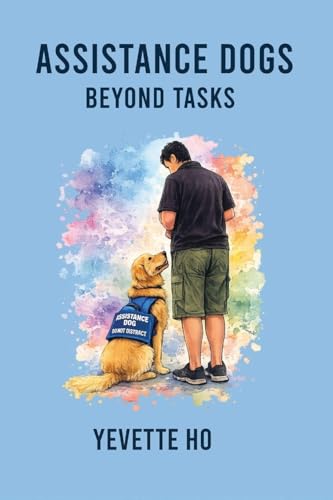
For owners who want a deeper understanding of what therapy dogs actually do once certified, and the emotional weight of that work, a book like Assistance Dogs Beyond Tasks offers a grounded look at the realities beyond the training checklist. It’s not a training manual, but it reframes what “ready” actually means for a working dog.
Step-by-Step Budgeting Checklist Before You Commit
Before you hand over a deposit for any program, run through this checklist. It’ll save you from paying twice for the same gap in training.
- Assess your dog’s baseline temperament first. Watch how your Doodle reacts to strangers, loud noises, and unfamiliar handling. This tells you whether you need heavy behavioral work or just polish.
- Request an itemized quote from any trainer. Ask what’s included: session count, follow-up support, written progress notes. Vague pricing is a red flag.
- Confirm which certifying body’s in-person test is mandatory. Alliance of Therapy Dogs, Pet Partners, and Therapy Dogs International all have slightly different requirements. Know this before you pay for any course.
- Budget separately for gear and liability insurance. A proper vest, ID tags, and sometimes handler liability coverage are additional costs most quotes don’t mention upfront.
- Factor in registration renewal fees. Most certifications aren’t one-time payments; expect annual renewal costs in the $25 to $35 range depending on the organization.
On the gear front, a well-fitted vest matters more than people expect. A loose or poorly built harness can shift during visits, which is both distracting for your dog and unprofessional looking in a clinical setting. The Dogline Unimax Dog Harness Vest held up well in casual testing around the house, staying snug through normal movement without pinching at the shoulders. The rubber patch area is a nice touch if you want to add custom ID patches once your dog is officially registered.

- BUILT TO LAST: Made of durable, water resistant materials and lined with padded neoprene for comfort, this vest is all y…
- ADJUST THE SIZE TO YOUR PET’S NEEDS: Our harness vest is fully adjustable so as to ensure a comfy yet snug fit. Forget a…
- QUALITY & PRACTICALITY MEET: Made of high quality materials, breathable Neoprene and durable Nylon our American Flag Thi…
Don’t Let Price Alone Decide Your Path
It’s tempting to pick whatever option has the lowest sticker price, but therapy dog training cost shouldn’t be the only factor steering your decision. A cheap online course that skips the in-person evaluation your certifying body requires just means you’ll pay again later to fix that gap.
Group classes are a smart, affordable baseline for most Doodles, especially puppies still building social confidence. Private lessons are worth the higher cost when your dog has a specific behavioral hurdle that general classes can’t address. Online certification works best as a supplement to handler knowledge, not a replacement for hands-on evaluation.
Whatever path you choose, keep your dog’s comfort front and center. A dog who’s rushed through training to save money or hit a certification deadline is more likely to show stress signals during real visits, which isn’t fair to them or the people they’re meant to comfort. If joint discomfort is part of what’s slowing your senior Doodle down during training, it’s worth reading our list of joint supplements for aging Goldendoodles before pushing through extra sessions that might cause unnecessary strain.
For a human-centered reminder of why this work matters beyond the paperwork, JJ’s Journey: A Story of Heroes and Heart is a quick, grounding read for anyone deep in the certification grind. It’s a good reminder of the payoff waiting on the other side of all this budgeting.

Total therapy dog training cost will always vary by region, trainer experience, and which certifying organization you choose. But understanding where that cost comes from, and refusing to skip the required in-person steps, protects both your wallet and your dog’s long-term welfare in this work.
My group class is cheap but my Doodle seems overwhelmed by the other dogs. Should I switch to private lessons?
Yes, if your dog is showing signs of stress like excessive panting, tucked tail, or refusing treats in a group setting, that’s a signal the environment is working against the goal. A few private sessions focused specifically on calm greetings and desensitization can rebuild confidence before you reintroduce group settings. Pushing through overwhelm rarely leads to a dog who’s genuinely ready for therapy visits later.
I already paid for an online certification course. Do I still have to pay for an in-person evaluation?
In almost every case, yes. Online courses cover handler knowledge and basic training theory, but organizations like Alliance of Therapy Dogs still require a live evaluator to observe your dog’s reaction to real-world stimuli before issuing certification. Check your specific organization’s requirements before enrolling so you’re not caught off guard by this extra step and fee.
How do I know if private lessons are actually worth the higher cost for my dog?
Private lessons tend to pay off when your dog has one specific, recurring issue, like reactivity to wheelchairs or difficulty settling in new environments, rather than general obedience gaps. If a group class instructor flags the same concern two or three sessions in a row without improvement, that’s your cue to book a few focused private sessions instead of continuing to pay for general classes that aren’t addressing the real problem.
What happens if my dog fails the in-person temperament test after I’ve already paid for training?
Most organizations allow you to retest after a waiting period, usually a few months, once you’ve addressed the specific issue flagged during evaluation. Ask the evaluator for detailed feedback on exactly what triggered the fail, then work with a trainer on that targeted issue rather than redoing an entire course from scratch. This keeps your retest preparation focused and avoids paying for training you don’t actually need to repeat.


