


Training an older dog is a different ballgame than teaching a bouncy puppy, and the gear you choose can make or break the whole experience. Senior Doodles come with achy joints, fading hearing, and a lot less patience for discomfort than they had at six months old. Get the equipment wrong and you’re not just slowing down progress, you could be causing real pain. Let’s look at the five gear mistakes I see most often with aging Goldendoodles, Labradoodles, and Bernedoodles, and what to swap in instead.
Why Senior Doodles Need Gentler Training Gear Than Puppies
A seven-year-old Goldendoodle and a seven-month-old puppy are not the same animal when it comes to physical resilience. By the time most Doodles hit their senior years (usually around age seven for the standard-sized varieties), arthritis, disc issues, and vision or hearing decline start creeping in. Training an older dog successfully means adjusting your approach to match a body that doesn’t bounce back the way it used to.
Gear that was perfectly fine during puppyhood can become a liability later on. A flat collar that never bothered your dog at age two might now put pressure on a neck with early arthritic changes. This is exactly why training an older dog requires a second look at everything in your training bag, not just a repeat of what worked before.
If you’re newer to Doodle ownership and still weighing which coat type or temperament fits your household, our breakdown of Goldendoodle pros and cons is a solid place to start before you even get to the training stage.
Mistake #1: Using Harsh Choke or Prong Collars on Arthritic Necks
I’ll be blunt here. Choke and prong collars are a bad idea for senior dogs, full stop. Any correction-based collar applies sudden pressure to the neck and throat, and in an older dog that pressure can aggravate arthritis in the cervical spine or trigger pain in a neck that’s already stiff in the mornings.
The American Animal Hospital Association’s 2023 Senior Care Guidelines specifically note that older dogs have a measurably reduced pain tolerance threshold compared to younger adults, which means discomfort that a younger dog might shrug off can cause a real pain response in a senior. That matters a lot when you’re training an older dog, because a startled or hurting dog isn’t learning anything. It’s just trying to get away from the sensation.
Swap it for a well-padded flat collar used only for ID tags, and do your actual leash work with a harness (more on that below). If you want a deeper resource on canine behavior and the human-dog bond in general, Man’s Best Friend 101 (3 book series) Kindle Edition is a readable series that covers a lot of the “why” behind dog behavior, which helps when you’re trying to figure out why your senior pup is suddenly resistant to gear he used to tolerate fine.
There is an issue displaying Amazon products. Please contact the administrator to check that.I spent an evening reading through the series on a tablet propped against my coffee mug, and what stood out was how much of dog training actually comes down to reading subtle body language cues rather than relying on corrections. For anyone training an older dog, that mindset shift alone is worth the read.

Mistake #2: Ignoring Hearing Loss and Relying Only on Verbal Cues
Here’s a stat that surprises a lot of pet parents. A 2018 study published in the Journal of Veterinary Behavior found that more than 50% of dogs over age ten show measurable hearing decline. If your senior Doodle has started “ignoring” the word “sit” or seems to need you closer and closer before responding, hearing loss is a far more likely explanation than stubbornness.
This is a huge blind spot in senior dog training. Owners keep repeating verbal commands louder and louder, which just adds frustration for both ends of the leash. Training an older dog with declining hearing means shifting your primary communication tool from your voice to something visual or tactile.
Hand signals are the easiest fix and most dogs pick them up quickly since they already read body language constantly. A vibration collar (not a shock collar, just a gentle buzz-only pager style collar) is another option for cueing attention at a distance when hand signals aren’t visible, like in the yard at dusk. For visual learners of the human variety, the AKC has solid resources on canine sensory decline in seniors worth checking through the American Kennel Club if you want to understand what’s happening physiologically as hearing fades.
While you’re adjusting your cueing system, it’s also smart to track changes over time. A dedicated notebook works well for this, and honestly something like My Pit Bull Journal – Use this Pit Bull Notebook to Log your Dog’s … can double as a general dog log even if your Doodle isn’t a Pit Bull. I used a similar journal format with my own senior dog and the lined pages were handy for jotting down which training sessions went smoothly and which ones seemed to frustrate her, which helped me spot the hearing decline pattern months before I would have noticed it otherwise.
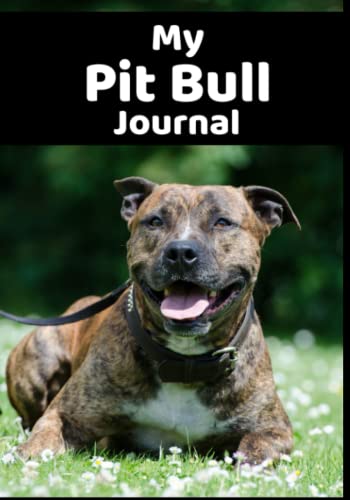
The pages themselves are simple, lined with small boxed sections for date and notes, nothing fancy. But that simplicity is actually a plus when you’re jotting things down quickly after a training session rather than fumbling with a complicated template.
Mistake #3: Skipping Orthopedic-Support Harnesses During Leash Training
A flimsy nylon harness built for a puppy’s light frame does nothing for a senior dog’s weakening shoulders and hips. When you’re training an older dog on leash manners or loose-leash walking, every pull and lean puts stress on joints that may already have early arthritic changes.
Orthopedic-support harnesses distribute pressure across the chest and ribcage rather than concentrating it at the throat or a single strap point. Look for options with a padded chest plate, a sturdy handle on top (great for helping a dog up steps or into the car), and a front-clip ring to discourage pulling without any neck pressure at all.
If your senior Doodle is already dealing with joint stiffness, pairing the right harness with a solid joint-support routine makes a noticeable difference in how willing they are to engage during training. Our guide to the best joint supplements for aging Goldendoodles walks through options that vets commonly recommend alongside gear changes like this.

Mistake #4: Overusing Treat-Heavy Training That Worsens Weight Gain
Positive reinforcement is the right call for training an older dog, no argument there. But senior metabolisms slow down, and a training session loaded with a dozen high-calorie treats adds up fast over a week. Extra pounds on an already arthritic frame make every single joint problem worse.
The fix isn’t to abandon treats, it’s to get smarter about them. Break treats into pea-sized pieces, use a portion of your dog’s actual kibble ration as training rewards instead of separate treats, and lean more heavily on praise, a favorite scratch, or a quick game with a favorite toy as the reward instead of food every single time.
Training an older dog isn’t about lowering your expectations, it’s about matching your methods to a body that’s earned a little extra grace. The dogs that stay sharp and eager into their senior years are usually the ones whose owners adjusted the gear and the pace, not the ones who pushed through with puppy-era tools.
Mistake #5: Training Sessions That Are Too Long for a Senior Dog’s Stamina
A fifteen-minute training session that was no big deal at age three can leave a ten-year-old Doodle genuinely exhausted. Senior dogs tire faster, both physically and mentally, and pushing through fatigue just teaches them that training is unpleasant.
Short, frequent sessions beat one long one every time when you’re training an older dog. Aim for five to seven minutes, two or three times a day, and watch for early signs of fatigue like slower responses, lying down mid-session, or a drop in enthusiasm for treats. Those are your cues to wrap it up, not push harder.
One practical side note: senior dogs sometimes deal with incontinence issues as a side effect of aging or medication, which can make longer indoor training sessions stressful if accidents happen mid-lesson. Keeping Washable Pee Pads for Incontinence & Potty Training, Non … down in your training area removes that worry entirely so you can both focus on the actual lesson.

- Super Absorbent & Leak-Proof: Engineered with a multi-layer core, our washable pee pads for dogs instantly absorb and lo…
- Non-Slip Backing: Say goodbye to messy, shifting dog pee pads. The non-slip backing keeps the puppy pee pads firmly in p…
- Designed For Senior Dogs & Incontinence Care: Unlike disposable pads you throw away daily, these reusable pee pads are b…
I tossed a set of these in the wash after a messy week with a foster senior dog and they held up fine, no bunching, no leaking through to the floor underneath. The non-slip backing actually stayed put on hardwood during a wiggly training session, which is more than I can say for some disposable pads that slide every time a paw lands on the edge.
Vet-Approved Gear Swap Checklist for Training an Older Dog
Here’s a quick comparison of the gear categories we covered, so you can see the trade-offs at a glance.
| Gear Category | Best For | Key Feature | Price Tier |
|---|---|---|---|
| Padded Flat Collar (ID only) | Everyday wear, not training | Soft lining, no pressure points | $ |
| Front-Clip Orthopedic Harness | Leash training, hip/shoulder support | Padded chest plate, lift handle | $$$ |
| Vibration (Pager) Collar | Dogs with hearing decline | Buzz-only cueing, no shock function | $$$$ |
| Washable Incontinence Pads | Indoor training sessions | Non-slip backing, machine washable | $$ |
| Training Progress Journal | Tracking behavior and health changes | Dated log pages, portable size | $ |
Before you buy anything new, it also helps to know what you’re working with at home already. If you’re monitoring a senior dog’s rest patterns or anxiety while you’re out, our puppy monitor guide covers features that work just as well for keeping an eye on an older dog’s comfort level, not just puppies.
Frequently Asked Questions
My senior Doodle suddenly stopped responding to commands. Is that defiance or something else?
Rule out hearing loss first before assuming it’s behavioral. Try a hand signal your dog already knows from a few feet away with your back turned to voice cues. If they respond to the visual signal but not your voice, hearing decline is likely the cause, and it’s time to shift your training toward hand signals and a vibration collar rather than repeating verbal commands louder.
Is it too late to start training an older dog that was never properly trained as a puppy?
It’s not too late at all. Senior dogs can absolutely learn new behaviors, you just need shorter sessions and more patience with physical limitations like arthritis. Focus on one skill at a time, keep sessions under seven minutes, and expect progress to look different than it would with a puppy. Slower, but still real.
What’s a quick way to tell if my training harness is actually hurting my senior dog’s shoulders?
Watch your dog’s gait right after you remove the harness. If they’re stretching their neck repeatedly, licking at a shoulder, or showing a stiffer walk than before the walk started, the straps are likely sitting wrong or the harness lacks enough padding. Try loosening the chest strap by a notch or switching to a model with a wider, padded chest plate.
How do I keep training rewarding without piling on calories for an older dog that’s already gaining weight?
Swap half your treat rewards for a portion of their regular kibble ration, broken into pea-sized pieces, and reserve the higher-value treats for the trickiest parts of a session. Mixing in non-food rewards like a short play break or an ear scratch also keeps motivation high without adding a single extra calorie.
Training an older dog really comes down to respect for what their body and senses are telling you. Swap the harsh gear for supportive gear, shorten your sessions, and watch your senior Doodle’s comfort level instead of just their obedience. Get those pieces right and you’ll find training an older dog can be just as rewarding, maybe even more so, than it was back when they were a clumsy puppy.


