


Choosing allergy dog food for a Goldendoodle is stressful when the itching keeps returning and every new bag seems like another guess. The safest answer is to have your veterinarian check for other causes first, then use a complete diet that fits the diagnostic plan rather than relying on a short ingredient list alone.
This guide explains how food allergies are assessed, what limited-ingredient diets can and cannot tell you, and how to make a diet change without adding unnecessary risk. It also compares practical food and meal-planning options, with clear reminders about when veterinary guidance matters most.
How to tell whether food is behind your Goldendoodle’s itching
Food can be involved, but itchy skin does not point to food by itself. Fleas, seasonal or indoor environmental allergens, and skin or ear infections can cause similar signs. A Goldendoodle licking paws or rubbing its face may have one of these problems, several at once, or something else entirely.
Watch for a pattern, not one isolated scratch. Recurrent ear trouble, itchy paws, irritated skin, or digestive signs alongside skin problems are useful details to share with your veterinarian. Take photos of flare-ups and note when they began, what treats your dog had, and whether symptoms change over time.
Before switching foods, ask your vet to assess parasite prevention, skin and ear health, and the timing of symptoms. Starting a new diet before that visit can muddy the picture and delay treatment for a problem that needs medication.
- Write down all foods, treats, chews, supplements, and flavored medications your dog receives.
- Note where the itching appears and whether it is seasonal or ongoing.
- Call promptly for painful ears, rapidly worsening skin, open sores, facial swelling, or breathing difficulty.
What limited-ingredient dog food can and can’t do
A limited ingredient dog food may make a food trial easier to manage because the recipe uses a narrower set of ingredients. But “limited ingredient” does not prove that a food is free of a protein your dog has eaten before, nor does a shorter label establish that it can diagnose an allergy.
Over-the-counter diets can be appropriate for some dogs as everyday maintenance, provided the formula is complete and balanced for the dog’s life stage. For a diagnostic trial, though, ingredient sourcing and cross-contact during manufacturing matter. A food that looks suitable on its label may not offer the controls needed for a reliable test.

Veterinary therapeutic diets, including hydrolyzed-protein formulas, are designed for use under veterinary direction. They may be a better fit for a formal trial, especially when a dog has eaten many different proteins. Ask your vet which option is suitable and how to prevent accidental exposure from treats, table scraps, chews, and flavored products.
During a food trial, consistency is the test. One “tiny” treat with a different protein can make the results much harder to interpret.
A hypoallergenic dog food is not a universal cure, and no single recipe suits every itchy dog. The goal is a nutritionally complete food that supports a controlled trial or meets your dog’s ordinary needs, with your veterinarian helping decide which goal applies.
How vets diagnose food allergies
Food allergy diagnosis is not based on itching alone. The usual approach is a strict elimination diet for a set period, followed by a controlled food challenge if symptoms improve. The challenge checks whether the original food or a specific ingredient brings signs back. The Merck Veterinary Manual’s guidance on food allergy in dogs describes elimination and rechallenge as necessary parts of diagnosis.
Your veterinarian will choose the diet and trial length based on your dog’s history and symptoms. During the trial, feed only the prescribed food and approved items. That means checking chew ingredients, stopping shared snacks, and asking about flavored medicines rather than making assumptions.
Over-the-counter recipes may be less dependable for a diagnostic trial if ingredient controls are uncertain. Tufts Cummings School of Veterinary Medicine has also discussed the limitations of non-prescription diets for this purpose. If the trial is meant to answer a medical question, ask your vet whether a therapeutic diet is the more reliable choice.
Top food options: practical pros and cons
There is no best allergy dog food for every Goldendoodle. The useful comparison is between a veterinarian-directed therapeutic diet, an appropriate complete novel-protein food, and a carefully selected everyday recipe. Life stage matters: puppies need food formulated for growth, while adult dogs need a formula suited to adult maintenance. Confirm nutritional adequacy on the label and with your vet.

| Option | Best suited for | Practical advantage | Consideration | Price Tier |
|---|---|---|---|---|
| Veterinary hydrolyzed-protein diet | Vet-supervised elimination trial | Designed for controlled feeding plans | Requires veterinary guidance and strict compliance | $$$$ |
| Complete novel-protein food | Selected dogs after ingredient-history review | May offer a protein the dog has not eaten | Verify full nutrition, life-stage fit, and manufacturing controls | $$$ |
| VICTOR Select Gluten-Free Beef Meal & Brown Rice Dry Dog Food | Possible everyday option after label and history review | Dry format is simple to portion and store | Beef is not novel if already eaten; not automatically a diagnostic diet | $$ |
| Home-cooking recipe resource | Owners discussing a planned diet with a veterinary nutrition professional | Can help organize meal ideas and questions | A cookbook alone cannot guarantee nutritional balance | $$ |
For a retail dry food, the VICTOR Select Gluten-Free Beef Meal & Brown Rice Dry Dog Food is one option to discuss if its ingredients suit your dog’s history. A beef-based recipe is not automatically appropriate for an elimination trial, and “gluten-free” does not mean allergy-proof. Check the full label, life-stage statement, and feeding plan with your veterinarian before using it for a suspected food reaction.
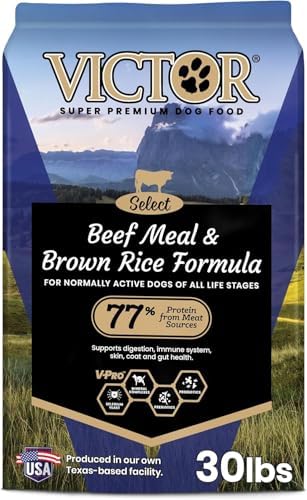
- BEEF PROTEIN DRY DOG FOOD: VICTOR Beef Meal & Brown Rice super premium dog food is formulated for normally active dogs; …
- HIGH QUALITY INGREDIENTS: VICTOR’s Select line of dry dog kibble offers specific proteins in a variety of formulated ble…
- FROM PUPPY TO ADULT: Suitable for small dogs, medium dogs and large breed dogs through all life stages, this high qualit…
If you and your vet are considering home-prepared meals, a recipe book can be a starting point for discussion, not a substitute for a balanced formulation. The Homemade Dog Food Cookbook for Allergies may help you collect meal ideas and questions about ingredients. Before feeding a recipe long term, have a veterinary nutrition professional confirm that it meets your dog’s nutritional needs and fits the allergy plan.
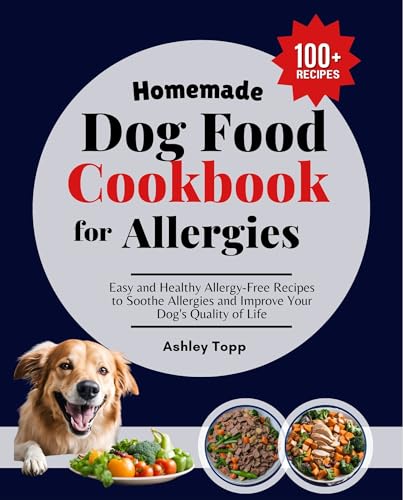
The Homemade Dog Food Cookbook: 100 Easy Recipes, Lean … is another meal-planning resource to review with a professional if home cooking is on your mind. Recipe variety can be appealing, but changing proteins and ingredients during a diagnostic trial can defeat its purpose. Keep the trial food consistent unless your vet advises a change.

When comparing options, ask whether the food is complete and balanced for your dog’s life stage, whether the protein is genuinely new to your dog, and whether it is appropriate for the purpose. A food that works as everyday Goldendoodle food may not be suitable for diagnosing an allergy.
For a broader look at diet choices and symptom patterns, see our guide to dog food for sensitive stomachs and skin allergies. It can help you prepare better questions for your veterinary appointment, but it cannot replace a supervised diagnostic plan.
A safe switch and a reassuring next step
If your veterinarian approves a routine food change, transition gradually unless they instruct you otherwise. A simple plan is to mix a small amount of the new food into the old food for a few days, increase the new portion over several more days, and slow down if stools soften or your dog refuses meals.
For an elimination trial, follow the vet’s directions instead of using a standard gradual-mix schedule. Mixing the old diet into the trial diet may undermine the test. Ask how to start the prescribed food and what to do if your dog has stomach upset or will not eat it.
- Keep a daily note of itching, ear discomfort, stool quality, meals, and any accidental snacks.
- Measure portions consistently and keep treats limited to those approved for the plan.
- Store food separately if other pets in the home eat different diets.
- Contact your vet if symptoms worsen, appetite drops, vomiting or diarrhea persists, or skin becomes raw.
For practical comparisons of common sensitive-stomach formulas, read Sensitive Stomach Dog Food: Purina vs. Royal Canin vs. Hill’s. Treat brand comparisons as a starting point for discussion, since the right choice depends on your dog’s medical history and the purpose of the diet.
The safest allergy dog food choice is the one that meets nutritional needs and fits a clear veterinary plan. You do not have to solve every ingredient question alone. A careful exam, a consistent trial when indicated, and a simple symptom log can turn anxious guesswork into useful evidence.
Frequently asked questions
Can I try a limited-ingredient food before calling my vet?
If the itching is mild and your dog is otherwise comfortable, call your vet before making a change so the history and symptoms can be assessed. Seek prompt care for painful ears, open skin, facial swelling, or breathing trouble. A food switch alone will not address fleas, infection, or environmental triggers.
How long should an elimination diet last?
Use the schedule your veterinarian sets, since the appropriate trial depends on symptoms and the chosen diet. Keep all unapproved food, treats, chews, and flavored products out of the plan, then ask the vet when and how to do a controlled challenge.
Does a grain-free or gluten-free label mean the food is hypoallergenic?
No. Those labels do not establish that a food avoids the protein causing your dog’s signs, and they do not make a recipe suitable for an allergy trial by themselves. Review the full ingredient list and the diet’s purpose with your veterinarian.
What should I do if my Goldendoodle gets diarrhea after switching food?
Pause the transition and contact your vet for advice, especially if diarrhea continues, includes blood, or comes with vomiting, low energy, or poor appetite. If the new food is part of a diagnostic trial, do not add the old food or another recipe without asking the veterinary team.