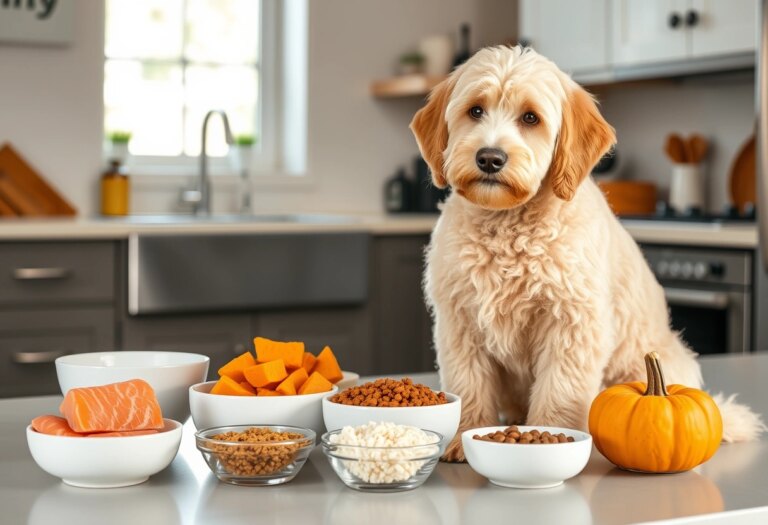


Dog ear infections can leave a Goldendoodle shaking her head, rubbing her ears on the carpet, and looking miserable after an otherwise normal day. Food may help lower inflammation for some allergy-prone dogs, but it cannot prevent every infection or replace an examination, ear cytology, prescription medication, or parasite control.
Goldendoodles can be tricky ear patients because their floppy ear shape, thick hair, moisture retention, and sensitive skin may all work together. A thoughtful diet is one useful part of care. The goal is not to chase miracle ingredients. It is to feed a complete diet, identify possible triggers with veterinary guidance, and act quickly when symptoms appear.
Can food help prevent dog ear infections?
Sometimes, yes, but only when food sensitivity is part of the picture. A diet reaction can contribute to itchy skin, paw licking, face rubbing, and inflammation around the ears. Scratching then damages the skin barrier, giving yeast or bacteria a better chance to multiply.
That does not mean every itchy ear is caused by a food allergy. Environmental allergens, fleas, ear mites, humidity, swimming, ear anatomy, and untreated infection can all be involved. A food change may support healthier skin, yet it will not clear an active canine ear infection.
Food can reduce one source of inflammation, but it is not an ear medication. A painful, smelly, or draining ear needs a veterinary diagnosis.
Seven foods that may support allergy-prone Goldendoodles
These choices are best viewed as diet ideas, not stand-alone treatments. Keep the main meal complete and balanced for your dog’s life stage. Treats, toppers, supplements, and flavored medications count too, especially during an elimination diet.
- Veterinary hydrolyzed-protein food. In this type of diet, proteins are processed into smaller pieces that may be less likely to trigger an immune response. It is often the cleanest diagnostic option for suspected food allergies, but it should be selected with your veterinarian.
- A veterinarian-approved novel-protein diet. Some dogs do well with a protein they have not eaten before, such as a carefully selected fish, rabbit, or another uncommon option. The right choice depends on the ingredients your dog has already consumed.
- Cooked salmon or sardines in small portions. These fish provide omega-3 fatty acids, which support normal skin function. Use plain, fully cooked fish with bones removed, and keep the serving small so calories do not creep upward.
- Veterinary skin-support food with measured omega-3s. A formulated diet can be easier than guessing how much fish oil or fatty food to add. Ask your veterinarian about calorie content and whether the product fits your dog’s age, weight, and health history.
- Plain pumpkin as an occasional topper. A spoonful of plain canned pumpkin can add fiber for some dogs. It is not an allergy treatment, and pumpkin pie filling should stay out of the bowl because it may contain sugar and spices.
- Cooked green beans or carrots. These can provide low-calorie variety for dogs that tolerate them. Serve them plain and chopped into manageable pieces. They should complement, not crowd out, a nutritionally complete food.
- A carefully planned home-cooked diet. This can work for selected dogs, but only when a board-certified veterinary nutritionist formulates it. Meat, rice, and vegetables alone usually do not supply the right balance of calcium, vitamins, minerals, and essential fatty acids.
Fish is not automatically safe for every dog, and a “limited ingredient” label does not guarantee that a recipe suits your individual pet. Ingredient tracking matters more than trendy packaging. For broader meal planning, see this practical guide to dog food for sensitive stomachs and skin allergies.
Evidence behind dog ear infections and allergies
Veterinary references commonly report that otitis externa affects roughly 10% to 20% of dogs. Food allergies in dogs make up only a minority of allergic skin disease cases, so it is risky to assume that every recurring ear problem comes from the bowl.

The Merck Veterinary Manual information on otitis and food allergy explains why diagnosis matters. A veterinarian may need to examine the canal, inspect the eardrum, check a sample under the microscope, and review your dog’s full allergy history.
Goldendoodle allergies may show up as recurrent ear trouble, but they can also cause red paws, belly irritation, hot spots, or constant rubbing. If the skin improves while the ears keep flaring, food may not be the main driver.
Checking ears when dog ear infections keep returning
Home checks are useful for spotting changes, not for pushing tools or cotton swabs into the canal. I like a gentle visual check after baths and swimming: look for redness, swelling, wet discharge, dark debris, or a new odor. Stop if your dog pulls away or seems sore.
For careful surface viewing, the Otoscope Ear Camera with 1.21-inch Screen, 1080P Ear Scope is a handy observation tool. The small screen is easier to share with another person than a phone-only setup, and the grip feels more secure when your hands are a little damp. The catch is that a nervous dog can turn a calm inspection into a wrestling match, so I would use it only around the outer ear unless your veterinarian teaches you otherwise.
Keep the camera clean between uses, and do not treat what you see on the screen as a diagnosis. A camera cannot tell you whether debris is yeast, bacteria, wax, or medication residue. It also cannot confirm that the eardrum is intact.
Skin support when dog ear infections follow itchy flare-ups
Some dogs develop ear irritation at the same time as widespread itchiness. In that situation, a topical support product may be more relevant than adding another food. It still should not replace a veterinary plan, especially if the skin is broken or the ears smell sour.
I tested the Petrivium Natural Dog Yeast Infection Relief for Itchy Skin as a supportive item for irritated skin areas, not as a substitute for ear medication. The bottle is easy to handle, and the liquid spreads without needing much rubbing. Some dogs dislike the scent, and the applicator can leave a little residue around the cap, so wipe it after use and follow the label carefully. Keep it away from the ear canal unless your veterinarian specifically approves that use.
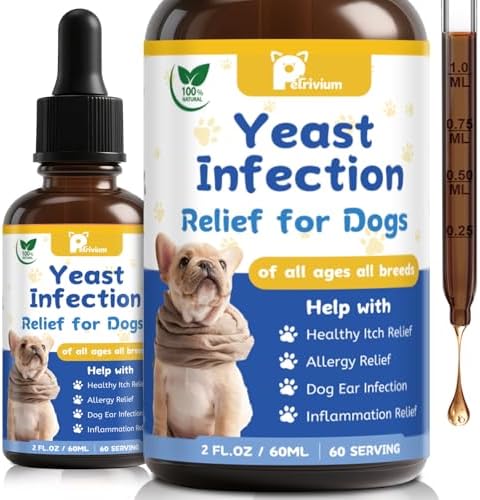
- 🌿【Natural Anti-Itch Treatment】Petrivium Natural Yeast infection treatment for dogs Formulated specifically to fight itch…
- 🐾【Itchy Ear Relief And Skin Wellness】Targeted to fight yeast infections in your dog’s ears and skin, An infusion of herb…
- 🛡️【Effectively Targets Yeast Overgrowth】Our yeast infection drop liquid work from the inside out to combat yeast overgro…
Changing food without triggering dog ear infections
Make diet changes gradually unless your veterinarian gives you a different schedule. A common transition takes about seven days, with the new food mixed into the old food in increasing amounts. Sensitive dogs may need more time. Loose stool is a signal to slow down, not to keep piling on new ingredients.
A diagnostic elimination diet commonly lasts 8 to 12 weeks. During that window, every bite matters. A single flavored chew, leftover bite, dental treat, or pill pocket can muddy the result and make it hard to tell whether the diet helped.

- Write down the food, treats, supplements, and medication flavors your dog receives.
- Take weekly notes on ear odor, redness, scratching, paw licking, and stool quality.
- Change one major variable at a time whenever possible.
- Ask your veterinarian before adding fish oil, especially if your dog has pancreatitis, bleeding concerns, or other medical conditions.
Do not restrict protein or rotate foods endlessly without a plan. A balanced, consistent trial gives you useful information. Random switching usually creates more confusion.
Comfort clues that can look like dog ear infections
Not every red, irritated patch near a Goldendoodle’s head is an ear problem. Dogs that sleep on hard surfaces may develop elbow calluses or pressure irritation, then scratch more because they are uncomfortable. That can make an existing skin issue look more connected to the ears than it really is.
The Harikaji Dog Elbow Protector, Thickened Elbow Sleeves is designed for elbow comfort rather than allergy care. The fabric feels substantial, and the sleeve stays put better when fitted carefully, though a determined Goldendoodle may still work it loose. Check for rubbing, heat, or dampness under the sleeve, and never leave it on unattended if your dog tries to chew it.

- SIZE 3XL:Sleeve Length 15.3”. inch, Knee Girth 11.4”, Cuff Girth 8.6”.Please measure the leg circumference at the elb…
- THICKENING MATERIAL: Update the fabric for winter use. The dog leg joint sleeve is made of cotton and polyester fabric, …
- EASY TO WEAR: With a plastic buckle, it could be adjusted freely according to the size of the dog, easy to put on, and t…
When dog ear infections need veterinary care
Call your veterinarian when there is strong odor, pus-like or bloody discharge, marked swelling, repeated head shaking, pain, hearing changes, or a tilted head. Facial weakness, balance trouble, vomiting, or sudden severe pain deserves prompt attention.
Do not pour vinegar, peroxide, oil, or leftover medication into an irritated ear. These can worsen inflammation, and some products are unsafe if the eardrum is damaged. Your veterinarian may prescribe an ear cleaner, an antifungal, an antibiotic, an anti-inflammatory, or a combination based on the test results.
For recurring dog ear infections, ask about allergies, ear structure, yeast overgrowth, parasites, moisture control, and the possibility of a properly supervised food trial. Grooming also matters. Keeping ear hair tidy, drying the outer ear after swimming, and avoiding aggressive plucking may reduce irritation for some dogs.
Key takeaways for allergy-prone Goldendoodles
- Choose a complete and balanced diet rather than building meals from random ingredients.
- Use omega-3-rich foods or supplements only with advice about portions and health history.
- Consider a veterinary elimination diet when food allergies in dogs are suspected.
- Track treats and flavored medications during an 8-to-12-week food trial.
- Use home ear checks to notice changes, not to diagnose or treat the canal.
- Seek veterinary care for pain, discharge, odor, swelling, or repeat flare-ups.
Food can be a helpful piece of an allergy plan, especially for Goldendoodles with predictable reactions to an ingredient. It is not a cure for dog ear infections. Consistent nutrition, sensible grooming, parasite prevention, and timely veterinary care give your dog a much better chance at comfortable ears.
Frequently asked questions
Can salmon prevent dog ear infections?
Salmon may provide omega-3 fatty acids that support normal skin function, but it cannot prevent every infection. Serve plain, cooked salmon in a modest portion, avoid bones and seasoning, and ask your veterinarian before adding it if your dog has a sensitive stomach or a history of pancreatitis.
How can I tell if food is causing my dog’s ear problems?
Look for a pattern that includes ear irritation plus itchy paws, face rubbing, or skin flare-ups. A reliable answer usually requires a veterinarian-guided elimination diet lasting about 8 to 12 weeks, followed by a controlled return to the original food. Random ingredient changes cannot confirm a trigger.
Should I clean my Goldendoodle’s ears every day?
Usually not unless your veterinarian recommends that schedule. Overcleaning can irritate the canal, while infrequent drying may allow moisture to remain after baths or swimming. Use only a veterinary-approved cleaner, wipe the visible outer ear, and stop if your dog shows pain.
What should I do if dog ear infections keep coming back?
Book a veterinary recheck rather than repeating an old treatment. Ask whether the ear needs cytology, whether the eardrum is safe for cleaning, and whether allergies, parasites, moisture, resistant organisms, or ear anatomy are contributing. A diet review may help, but recurring dog ear infections need a complete medical plan.