


If you’re living with an adolescent Doodle right now, you already know the chaos I’m talking about. Somewhere between five and eighteen months, your sweet, cuddly puppy turns into a velociraptor with zoomies, and you’re left wondering whether calming chews or puzzle toys will actually bring back some peace in your house. The short answer is that both have a job to do, but they’re not interchangeable, and knowing when to reach for which one makes all the difference during this stretch.
This “crazy phase” catches a lot of pet parents off guard. Your Goldendoodle, Labradoodle, or Bernedoodle isn’t broken or badly behaved. Their hormones are shifting, their brain is rewiring itself (adolescence in dogs really does mirror teenage development in humans), and their impulse control hasn’t caught up to their energy level yet. It’s a biological phase, not a training failure on your part. That said, how you manage it day to day matters a lot, and that’s where the chews-versus-toys question comes in.
Why the Adolescent Doodle “Crazy Phase” Happens
Doodle breeders and trainers call this window the “teenage phase” for good reason. Around five months, your puppy’s puppy hormones start giving way to adult hormones, and that shift tends to show up as impulsivity, selective hearing, and bursts of frantic energy that seem to come out of nowhere. Add in a Poodle-cross brain that’s often wired for high intelligence and high energy (thanks, Poodle genetics), and you get a dog who is smart enough to get bored fast and energetic enough to turn that boredom into destruction.
This is also the stage when a lot of owners see regression in behaviors they thought were already solved, including mouthing and nipping. If that sounds familiar, our guide on tools that actually stop puppy biting fast walks through options that pair well with the strategies below. Hyperactivity and bite inhibition struggles often show up together during adolescence, so addressing one tends to help the other.

How Calming Chews Work for Hyper Puppies
Calming chews aren’t sedatives, and they shouldn’t be marketed or used that way. What they typically do is support your dog’s natural ability to regulate stress, usually through ingredients like L-theanine, melatonin, valerian root, or colostrum-based compounds. A 2019 study published in the Journal of Veterinary Behavior looked at anxiolytic supplements in dogs and found measurable reductions in stress-related behaviors like pacing, excessive vocalizing, and whining when these compounds were used consistently. The effect isn’t a light switch. It’s more like turning down the background noise in your dog’s nervous system.
That’s exactly why calming chews work best for situational stress rather than everyday hyperactivity. Think vet visits, nail trims, grooming appointments, car rides, or thunderstorms. These are moments when your Doodle’s cortisol spikes quickly and you need a short-term tool to help them settle. A product like Rocco & Roxie Calming Chews for Dogs, Melatonin & Valerian fits that use case well, since it combines a few of these calming compounds into a single treat you can give about 30 to 45 minutes before a stressful event.

- Unparalleled Support: Our delicious duck-flavored soft chews keep your dog cool, calm, and relaxed. Every bite promotes …
- Better Ingredients,Better Results: Our formula includes Ashwagandha and GABA, which work to block stress signals in the …
- Veterinarian Recommended: Our Calming health supplement is a vet-recommended, daily formula to keep your dog calm and re…
Where calming chews fall short is as a daily management tool for garden-variety zoomies. If your puppy is bouncing off the walls because they’re bored and under-stimulated, not because they’re anxious, a chew is treating the wrong problem. That’s where enrichment comes in.
How Puzzle Toys Tire Out an Adolescent Doodle’s Brain
The American Kennel Club has pointed out repeatedly that mental work tires a dog out faster, and often more thoroughly, than physical exercise alone. A thirty-minute walk burns energy, but a fifteen-minute session with a puzzle toy for dogs taps into problem-solving, scent work, and sustained focus, all of which drain mental energy in a way that leaves dogs genuinely settled afterward rather than just winded and ready to go again in twenty minutes.
This matters even more for Doodles specifically, because Poodle lineage brings a lot of working-dog intelligence into the mix. These are dogs bred to think, not just move. An under-stimulated adolescent Doodle with a sharp brain and no outlet for it is a recipe for chewed furniture and 6 a.m. zoomies through the living room. A treat-dispensing option like the Ubbi Kibbler Interactive Treat Dispensing Dog Toy gives your puppy a job to do with their nose and paws, which is exactly the kind of structured outlet that adolescent brains need.
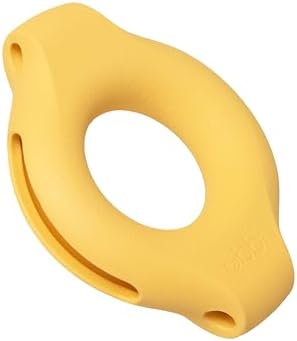
- TREAT DISPENSING DOG PUZZLE TOY: Designed with two-sided compartments to hold kibble, treats, or spreadable foods like p…
- DUAL STICK TREAT HOLDERS: Includes two built-in slots to securely hold dental sticks, chew treats, and bully sticks, pro…
- FREEZER SAFE & DISHWASHER SAFE: Freeze filled treats to create long-lasting “pupsicle” enrichment on hot days, then plac…
Long-lasting chewing options also fall into this enrichment category, since the act of chewing itself is naturally calming and satisfying for dogs. Something like Dogsee Mint Flavor Himalayan Yak Chews for Dogs can give your Doodle a long-duration project that keeps their mouth and brain occupied during a time of day when they’d otherwise be looking for trouble, like right before dinner or during a work-from-home video call.

- FIGHT BAD BREATH: Mint present in these Himalayan Yak Chews helps freshen your dog’s breath, making close cuddles more p…
- AID DIGESTION: Mint is known for its soothing properties, which can help support your dog’s digestive health.
- NATURAL INGREDIENTS: These Mint-flavored Yak cheese chews are hand-crafted in the Himalayas using only natural ingredien…
Calming Chews vs Puzzle Toys: Side-by-Side Comparison
Here’s how these two tools stack up when you look at what they’re actually built to solve. Neither one is a replacement for the other, but seeing the differences side by side makes it easier to decide which one you reach for in a given moment.
| Feature | Calming Chews | Puzzle Toys | Price Tier |
|---|---|---|---|
| Best Use Case | Situational stress (vet visits, grooming, storms, car rides) | Daily mental stimulation and boredom-busting | $ – $$ |
| Primary Mechanism | Supports stress regulation via L-theanine, melatonin, valerian | Engages problem-solving and foraging instincts | $$ – $$$ |
| Duration of Effect | Short-term, roughly 1-4 hours per dose | Long-term when used consistently as daily enrichment | $$ |
| Example Product | Rocco & Roxie Calming Chews | Ubbi Kibbler Treat Dispenser | $$ / $$$ |
| Good For | Travel, grooming anxiety, thunderstorms, fireworks | Rainy days, home-alone time, reducing destructive chewing | $ – $$$ |
| Not a Substitute For | Daily exercise or mental enrichment | Medical anxiety treatment or vet-prescribed care | N/A |
Calming chews quiet the nervous system for a moment. Puzzle toys tire out the brain for the long haul. An adolescent Doodle who’s bouncing off the walls usually needs the second one far more often than the first.
Building a Combined-Use Plan for Your Hyper Adolescent Doodle
The most realistic approach isn’t picking a winner between calming chews and puzzle toys for dogs, it’s using each one for what it’s actually good at. A smart weekly rhythm might look like this:

- Daily enrichment: Rotate two or three puzzle toys so your Doodle doesn’t get bored of solving the same one. Fifteen minutes before a busy work block can buy you an hour of calm.
- Pre-event prep: Give calming chews 30-45 minutes before known stressors like vet appointments, grooming, or a long car ride.
- Daily chewing time: A long-lasting chew during the “witching hour” (usually early evening) can prevent a lot of adolescent-driven mischief.
- Positive reinforcement: Reward calm behavior the moment you see it, even for three or four seconds. Adolescent Doodles respond fast to consistent, upbeat reinforcement.
If hyperactivity is paired with mouthing, nipping, or jumping, it’s worth tackling bite inhibition at the same time rather than treating it as a separate issue. Our step-by-step guide to fixing puppy biting through bite inhibition training pairs naturally with the enrichment routine above, since a mentally tired puppy generally has less energy left over for nipping at your sleeves.
It’s also worth remembering that calming chews are a supplement, not a medication, and they work best as part of a broader routine rather than a standalone fix. If you’re dealing with more intense anxiety symptoms (panting, pacing, destructive behavior when left alone), it’s worth checking in with your vet before relying on supplements alone, and reviewing options like those covered in our roundup of calming aids for hyper puppies that actually work.
The Verdict: Which One Should You Reach For First?
If you need your Doodle calm for a specific event happening in the next hour, reach for calming chews. If you’re trying to solve the bigger pattern of daily hyperactivity, puzzle toys and enrichment chewing are going to get you further over time. Most adolescent Doodle households end up needing both tools in rotation, and that’s completely normal. The goal isn’t to eliminate your puppy’s energy, it’s to give that energy somewhere productive to go, while keeping situational stress manageable with calming chews when life throws a vet visit or thunderstorm your way.
This phase does pass. Most Doodles start leveling out somewhere around eighteen to twenty-four months, once their adult brain and body catch up with each other. Until then, consistency with enrichment, calming chews for the hard moments, and plenty of positive reinforcement will get you through it with your furniture, and your sanity, mostly intact.
Can I give my adolescent Doodle calming chews every day?
Many calming chews are formulated for occasional or situational use rather than daily long-term use, especially those containing melatonin. Always check the product label and talk to your vet before giving calming chews on a daily basis, particularly if your puppy is still growing.
Do puzzle toys actually reduce destructive chewing in Doodles?
Yes, in most cases. Puzzle toys give adolescent Doodles an appropriate outlet for their natural chewing and foraging instincts, which often reduces how much they target furniture, shoes, or baseboards. Consistency matters more than any single toy, so rotating a few different puzzle toys tends to work better than relying on just one.
How long does the adolescent “crazy phase” last in Doodles?
Most Doodles move through adolescence between roughly five and eighteen months, with many owners noticing a real shift toward calmer behavior around eighteen to twenty-four months. Larger Doodle varieties like Standard Bernedoodles sometimes take a bit longer to mature mentally than smaller Mini or Toy varieties.
Is it safe to combine calming chews and puzzle toys on the same day?
Yes, combining both is generally safe and often more effective than using either alone. For example, you might use a puzzle toy for daily mental enrichment and reserve calming chews specifically for a stressful event like a vet visit happening that same day. Just avoid stacking multiple calming supplements at once without veterinary guidance.


