

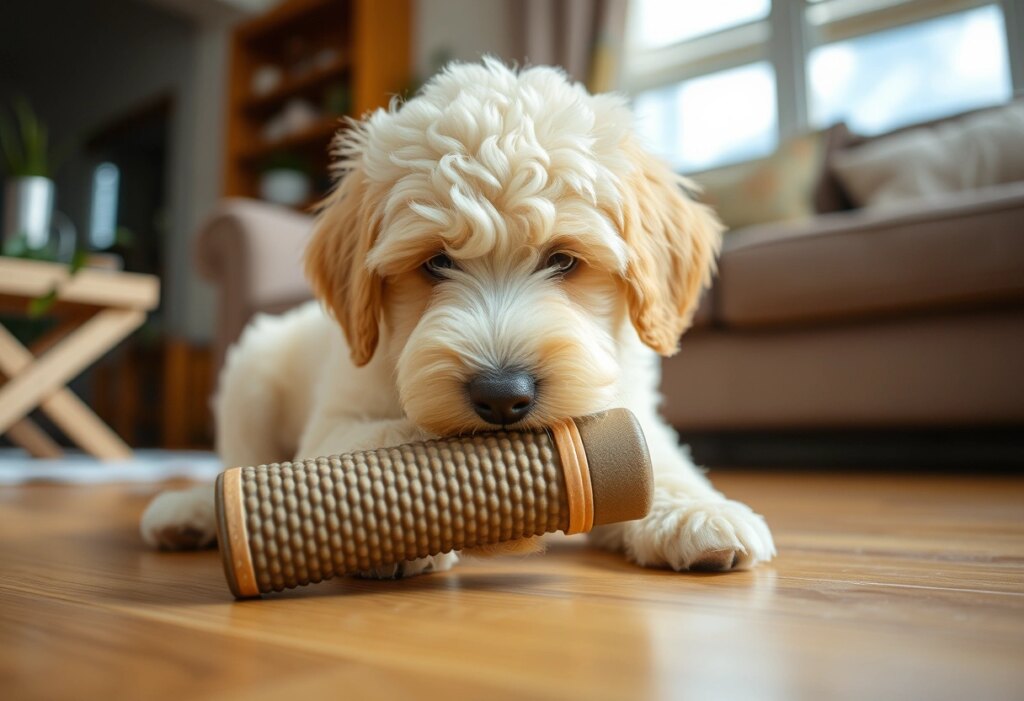
Puppy biting is one of the most common complaints I hear from new Doodle parents, and if your hands look like a pincushion right now, you are not doing anything wrong. Those needle-sharp teeth and that relentless urge to gnaw are completely normal for a growing Goldendoodle, Labradoodle, or Bernedoodle pup. The good news is that with the right tools and a little consistency, puppy biting fades faster than most owners expect.
Why Doodle Puppies Bite: Teething and Play-Drive Explained
Puppy biting usually comes from two overlapping sources: teething discomfort and normal play behavior. Doodle puppies explore the world with their mouths the same way toddlers explore with their hands, and their gums are genuinely sore as adult teeth push through. According to the ASPCA, mouthing behavior tends to peak between 3 and 5 months of age, right when those adult teeth are erupting. That timing lines up almost exactly with when most Doodle owners message me in a panic wondering if their sweet puppy has turned into a land shark overnight.
It has not. This phase is temporary, but that does not mean you should ignore it. Left unaddressed, puppy biting can become a rehearsed habit that carries into adulthood, especially in high-energy Doodle mixes that were bred from retrievers and poodles with strong mouthing instincts. The goal is not to eliminate the urge to chew, since that is biologically wired in, but to redirect it toward appropriate outlets while teaching bite inhibition along the way.
The Yelp and Freeze Method: A Redirection Trick Trainers Swear By
One of the simplest, most effective responses to puppy biting is something positive-reinforcement trainers call the “yelp and freeze” method. The moment your puppy’s teeth touch your skin, let out a short, high-pitched yelp, almost like another puppy would when play gets too rough. Then go completely still and stop all movement and attention. Puppies learn bite pressure from littermates this way, and mimicking that feedback loop helps your Doodle understand that teeth on skin ends the fun immediately.

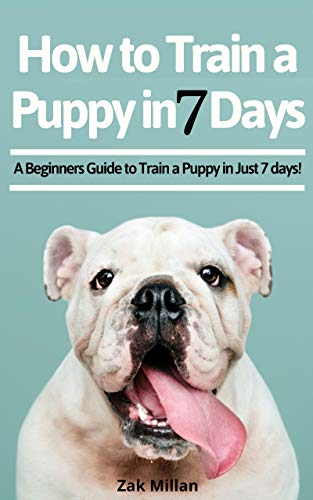
After a few seconds of stillness, calmly redirect your puppy to an acceptable chew item and praise them the moment they engage with it instead of your hand. Consistency matters more than intensity here. Every family member needs to respond the same way every single time, or your puppy will get mixed signals about what is actually off limits. This method works especially well alongside structured training routines, and many owners see faster results when they follow a full training plan rather than piecing together random tips. A resource like A Beginners Guide to Train a Puppy in Just 7 days walks through this kind of redirection training step by step, which takes a lot of the guesswork out of the first few weeks.
“Puppy biting is rarely about aggression. It is almost always about teething discomfort, excess energy, or a puppy that has not yet learned bite pressure. Give them something better to chew, and the behavior calms down on its own within a few weeks.” — common guidance echoed across positive-reinforcement training communities
Top Chew and Tug Tools That Satisfy the Urge
Redirection only works if you have something worth redirecting to. Puppy mouthing tools give your Doodle an outlet that feels just as satisfying as your fingers, without the yelping and the guilt trip afterward. Rope toys, frozen textured chews, and flirt poles are the three I recommend most because they target different needs: ropes help clean teeth during tug play, frozen chews numb sore gums, and flirt poles burn off the play-drive that often triggers biting in the first place.
Soft, squeaky toys also earn a permanent spot in the puppy toy basket. Something like the PetPhindU Pet Dog Squeaky Plush Toy gives your puppy a rewarding chew-and-shake outlet that satisfies prey drive without any risk to your hands or furniture. Rotating two or three toys throughout the week keeps your puppy interested instead of bored with the same old chew.

- Safe Material: This plush toy for dog fetch, watermelon plush is made of safe cotton and polyester, watermelon dog toy i…
- It Is Funny and Interactive: The design of watermelon-shaped plush toy is exaggerated and different from most of the rea…
- Behavior Training: Your pet dog is bored when you are not home. The dog may do something strange and bad to please herse…
For puppies who nip hard during walks, vet visits, or grooming sessions where a bite could cause real harm, a gentle, well-fitted muzzle can serve as a short-term management tool while training catches up. The DoggieKit Dog Muzzle, Soft Printed Mesh Puppy is designed with breathable mesh so your puppy can still pant and drink water while you work through impulse control training. This should never replace training, but it can prevent an accidental injury during a high-stress moment like a nail trim.

- Breathable & Lightweight Material: This printed dog muzzle combines soft, breathable mesh with lightweight yet durable c…
- Upgraded Escape-Proof Neck Design: This puppy muzzle features our upgraded escape-proof elastic neck collar, which comfo…
- Adjustable Snout & Head Strap: This dog mussel enables a securely customized fit for your pup through dual-point snout a…
Puppy Biting Tools Compared
| Tool | Best For | Key Feature | Price Tier |
|---|---|---|---|
| Soft Mesh Muzzle | Short-term safety during vet visits or grooming | Breathable mesh, adjustable fit | $$ |
| Squeaky Plush Toy | Redirecting prey-drive biting | Squeaker feedback, soft on gums | $ |
| Frozen Textured Chews | Teething relief for sore gums | Cold therapy, ridged texture | $ |
| Rope Tug Toys | Interactive play and teeth cleaning | Durable cotton weave | $$ |
| Flirt Pole | Burning off play-drive energy | Long reach, low joint impact | $$$ |
| Structured Training Guide | Teaching bite inhibition systematically | Step-by-step 7-day plan | $ |
| Puzzle Feeder | Mental stimulation to reduce overtiredness | Slows eating, engages problem solving | $$ |
Bite Inhibition Training and Long-Term Impulse Control
Bite inhibition is the skill your puppy needs to learn so that even if their mouth touches skin later in life, they control the pressure enough to avoid real harm. Research published in the Journal of Veterinary Behavior has noted that structured bite inhibition training during puppyhood improves impulse control and reduces adult-onset mouthing, which matters a great deal for Doodles since many of these mixes carry high energy and strong retrieving instincts from their poodle and sporting-breed ancestry.
The stop puppy biting process is not about punishment. It is about giving your puppy repeated, low-stakes chances to practice gentleness and get rewarded for it. Short training sessions, five minutes at a time, work far better than long drawn-out corrections. If you are also managing a Doodle with anxious chewing tendencies rather than playful biting, our guide on calming chew toys for Goldendoodles who won’t stop licking covers additional options that target stress-driven mouthing specifically.

When Puppy Biting Signals Overtiredness or Overstimulation
Not every biting episode is about teething or play. Puppies, much like toddlers, get cranky and mouthy when they are overtired or overstimulated. If your Doodle puppy suddenly starts biting harder in the evening or after a long visit from guests, overtiredness is very likely the real trigger behind the puppy biting rather than teeth alone.
A consistent nap schedule solves more biting problems than most owners realize. Puppies under six months typically need 18 to 20 hours of sleep a day, and skipping naps leads directly to the kind of frantic, bitey energy that feels impossible to redirect. Setting up a predictable rhythm of play, then a chew session, then a nap in a quiet crate or pen, gives your puppy’s nervous system a chance to reset before puppy mouthing tools even need to come into play. Owners raising a Goldendoodle alongside coat and grooming questions often find that a calmer, well-rested puppy is also easier to brush and handle, which ties nicely into topics like our Goldendoodle color chart guide if you are still learning your pup’s coat type and care needs.
Putting It All Together
Puppy biting looks alarming in the moment, but it is a predictable, temporary stage that responds well to the right combination of redirection, appropriate chew tools, and rest. Pair the yelp and freeze method with a rotating toy basket, stay consistent with bite inhibition practice, and watch your puppy’s nap schedule closely. Most Doodle families see a real turning point in mouthing behavior somewhere between 5 and 7 months, once adult teeth are fully in and impulse control has had time to develop.
At what age does puppy biting usually stop?
Most Doodle puppies show the worst puppy biting between 3 and 5 months of age while adult teeth erupt, and the behavior noticeably fades by 6 to 7 months with consistent redirection and training. Some individual dogs, especially high-energy lines, may take a bit longer to fully settle.
Is it normal for my puppy to bite harder when excited?
Yes, excitement and overstimulation often increase bite pressure temporarily. This is a normal part of puppy mouthing, and it usually calms down once you redirect play toward an appropriate chew toy and give your puppy a chance to settle down and nap.
Should I ever use a muzzle to manage puppy biting?
A soft, breathable muzzle can be a helpful short-term management tool during high-stress situations like grooming or vet visits, but it should never replace actual training. Bite inhibition work and consistent redirection are what actually stop puppy biting long term.
What puppy teething chews work best for Doodles?
Frozen textured chews tend to work best because the cold numbs sore gums during teething. Rubber ridged chews and rope toys are also solid puppy teething chews since they satisfy the natural urge to gnaw without risking damage to household items or hands.


