


Goldendoodle biting at 1 year still catches a lot of pet parents off guard, especially when you figured your pup would have outgrown it months ago. Here’s the truth: a Goldendoodle still mouthing hands, sleeves, or ankles well past the puppy stage isn’t broken or doomed to be a biter forever. It usually means a few training gaps got left open during adolescence, and the good news is those gaps are very fixable with the right tools and a little consistency.
I’ve worked with enough Doodle families to know this frustration is common, not rare. Goldendoodles are smart, mouthy by nature (thanks to that retriever heritage), and they stay “puppyish” longer than a lot of breeds. So if you’re dealing with goldendoodle biting at 1 year, you’re not failing as an owner. You just need a sharper plan.
Why Some Goldendoodles Still Mouth or Nip Past the Puppy Stage
Teething typically wraps up somewhere between six and seven months old, so by the time your dog hits their first birthday, the “it’s just teething” excuse doesn’t really hold up anymore. What’s actually happening is usually behavioral, not physical. Goldendoodles are retrievers at heart, and retrievers use their mouths the way other dogs use their paws or noses. Combine that with the breed’s high energy and borderline genius-level smarts, and you get a dog that will keep mouthing people if it’s ever worked as a way to get attention, start play, or release pent-up energy.
The ASPCA notes that mouthing behavior that isn’t corrected early tends to stick around and even intensify, because the dog never learned an alternative. Essentially, if nobody taught your Goldendoodle what to do instead of nipping, the behavior gets reinforced simply through repetition. Every time biting gets your dog something they want (a reaction, a game, your attention), it becomes a little more hardwired. That’s really the core issue behind goldendoodle biting at 1 year: it’s a learned habit that was never properly redirected, not a sign your dog is aggressive or impossible to train.
Play-Biting vs. Anxiety or Resource-Guarding Bites: How to Tell the Difference
Not all nipping looks the same, and reading your dog’s body language correctly matters before you pick a training strategy. Normal play-biting usually comes with a loose, wiggly body, a relaxed open mouth, and a bouncy “let’s play” energy. Your Goldendoodle might grab your sleeve, shake their head a little, then back off and come right back for more. It’s annoying, but it’s not hostile.

Anxiety-driven or resource-guarding bites look completely different. Watch for a stiff body, a hard stare, lips pulled back tight, growling that sounds low and serious rather than playful, or a dog that freezes before snapping. If the nipping happens specifically around food bowls, toys, or a resting spot, you’re probably looking at resource guarding rather than simple puppy nipping. Dogs showing these signs need a more careful, structured approach, and sometimes professional guidance, rather than just a redirect-to-a-toy fix.
If your dog’s biting seems tied to overstimulation or frustration rather than guarding, it helps to look at tools built specifically for the mouthing itself. This guide to bite inhibition tools that actually work breaks down options for dogs who just haven’t learned to soften their mouth yet, which overlaps a lot with what older Doodles still struggle with.
Best Training Tools to Stop Goldendoodle Biting Fast
Tools alone won’t fix goldendoodle biting at 1 year, but the right ones make the retraining process faster and a lot less frustrating for everyone in the house. A few categories work especially well for adolescent and adult Doodles:
- Bitter-sting deterrent sprays: Applied to hands, cuffs, or furniture, these make mouthing unpleasant without any pain or fear involved. Most Goldendoodles learn within a handful of exposures that skin and sleeves taste bad.
- Treat-dispensing training balls: These redirect that retriever drive toward a toy that rewards gentle mouthing and chasing instead of biting at hands.
- Durable chew items like antlers or rubber Kongs: Giving your dog an acceptable outlet for jaw pressure reduces the urge to find a less acceptable one (your hand).
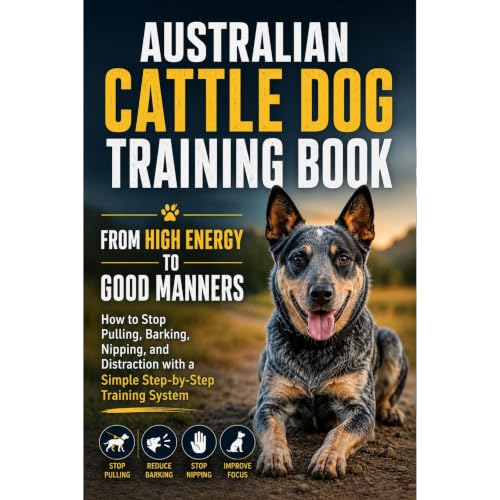
Structured training resources help a lot here too. The Australian Cattle Dog Training Book: How to Stop Pulling covers impulse-control exercises that transfer well to high-energy Doodles, since both breeds struggle with similar mouthy, grabby tendencies when under-stimulated.
For dogs who nip hardest during walks or greetings, a soft, well-fitted muzzle can be a genuinely useful short-term management tool while training catches up. The DoggieKit Dog Muzzle, Soft Printed Mesh Puppy option is lightweight enough for daily walks and lets your dog pant and drink normally while you work through the behavior underneath.

- Breathable & Lightweight Material: This printed dog muzzle combines soft, breathable mesh with lightweight yet durable c…
- Upgraded Escape-Proof Neck Design: This puppy muzzle features our upgraded escape-proof elastic neck collar, which comfo…
- Adjustable Snout & Head Strap: This dog mussel enables a securely customized fit for your pup through dual-point snout a…
Below is a quick comparison of tool categories so you can see which fits your situation best:
| Tool Type | Best For | Ease of Use | Price Tier |
|---|---|---|---|
| Bitter-sting deterrent spray | Hand/sleeve nipping, furniture chewing | Very easy | $ |
| Treat-dispensing training ball | Redirecting retriever mouthing drive | Easy, needs supervision | $$ |
| Rubber Kong / antler chews | Daily jaw outlet, teething leftovers | Very easy | $$ |
| Soft mesh muzzle | Walks, vet visits, high-arousal moments | Moderate (needs fitting) | $$ |
| Structured training book/program | Long-term impulse control, obedience basics | Moderate (requires consistency) | $ |
Goldendoodle biting at 1 year isn’t about dominance or a “bad dog.” It’s almost always an energy and communication gap, and both of those respond really well to structure.
A Step-by-Step Positive Reinforcement Protocol
Consistency matters more than intensity here. The American Kennel Club points out that redirecting bite pressure onto appropriate chew items tends to reduce nipping within two to four weeks when practiced consistently, and that timeline holds up well for Goldendoodles specifically because they’re such fast learners once the pattern is clear.

Here’s a protocol that works well for goldendoodle biting at 1 year:
- Freeze and withdraw attention. The instant teeth touch skin, stop moving, go quiet, and remove your hand. No yelling, no yanking away dramatically.
- Redirect immediately to an approved chew. Have a toy or chew ready within arm’s reach so the dog gets an instant “right” option.
- Reward calm mouthing of the toy. Praise softly or offer a treat the second your dog engages with the toy instead of your hand.
- Repeat the same response every single time. Mixed signals from different family members slow this process down significantly.
- Add structured chew sessions daily. Fifteen minutes with a stuffed Kong or appropriate chew gives your dog a built-in outlet before frustration builds.
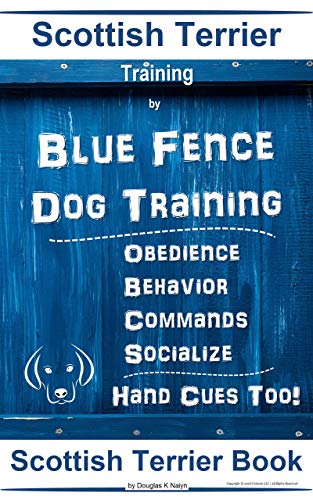
Obedience fundamentals also help close this loop faster. A program like Scottish Terrier Training By Blue Fence Dog Training, Obedience focuses on impulse control cues like “leave it” and “settle,” which translate directly into fewer nipping incidents since the dog has a clear alternative behavior to fall back on.
While you’re reinforcing bite inhibition at home, it also helps to rotate in tougher chew options that can keep up with an adult Doodle’s jaw strength. If your current toy rotation feels too soft or gets destroyed fast, this list of chew toys built to stop aggressive puppy biting is a solid place to find sturdier replacements.
When to Consult a Certified Trainer or Vet Behaviorist
Most cases of goldendoodle biting at 1 year resolve with consistent redirection, but there are limits to what home training should handle alone. If the nipping is still happening regularly past 18 months, if it’s getting harder rather than softer, or if you’re seeing the stiff-body guarding signals mentioned earlier, it’s time to bring in a professional.
A study published in the Journal of Veterinary Behavior found that high-energy breed-mix dogs, Doodles included, actually show faster improvement than many purebreds when given structured daily redirection sessions. That’s genuinely good news. It means your Goldendoodle’s biting isn’t a stubborn, lifelong trait. It’s responsive to the right kind of consistent, daily practice, often faster than owners expect.
A certified trainer can also help rule out pain-related causes. Dogs with dental discomfort, ear infections, or joint pain sometimes mouth or nip more as a stress response, and a vet behaviorist is better positioned to catch that than general training advice. If your groomer is part of the regular routine too, it’s worth confirming they’re handling your dog gently, since rough handling during grooming can actually make a mouthy dog more defensive. Here’s a helpful breakdown on how to tell if a groomer is gentle with your dog if you want to rule that variable out.
Key Takeaways
- Goldendoodle biting at 1 year is almost always behavioral, not physical, since teething ends around six to seven months.
- Loose, bouncy body language usually means play-biting; stiff posture and hard stares point to anxiety or resource guarding.
- Bitter-sting sprays, treat-dispensing balls, and durable chews are the fastest tools to redirect nipping.
- Consistent redirection typically shows results within two to four weeks.
- Persistent biting past 18 months warrants a certified trainer or vet behaviorist evaluation.
Is it normal for a Goldendoodle to still bite at 1 year old?
Yes, it’s fairly common. Goldendoodle biting at 1 year usually isn’t related to teething anymore, since that process ends around six to seven months. It’s typically a learned habit from mouthing never being fully redirected during the puppy stage, and it responds well to consistent retraining.
What’s the fastest way to stop a Goldendoodle from nipping?
Consistent redirection is the fastest proven method. The moment nipping starts, withdraw attention calmly and offer an appropriate chew toy instead. Pairing this with a bitter-sting deterrent on hands or furniture speeds things up further, often producing noticeable change within two to four weeks.
Could my Goldendoodle’s biting be aggression instead of play?
It’s possible, especially if the biting comes with a stiff body, hard stare, or growling, or happens specifically around food and toys. Those are signs of resource guarding or anxiety rather than typical goldendoodle biting at 1 year that’s just play-related. A certified trainer can help you tell the difference safely.
When should I get professional help for my Goldendoodle’s biting?
If nipping is still frequent past 18 months, seems to be getting worse, or includes guarding-type body language, it’s time to consult a certified trainer or vet behaviorist. High-energy breed mixes like Goldendoodles typically respond quickly to structured daily sessions once a professional sets the right plan.


