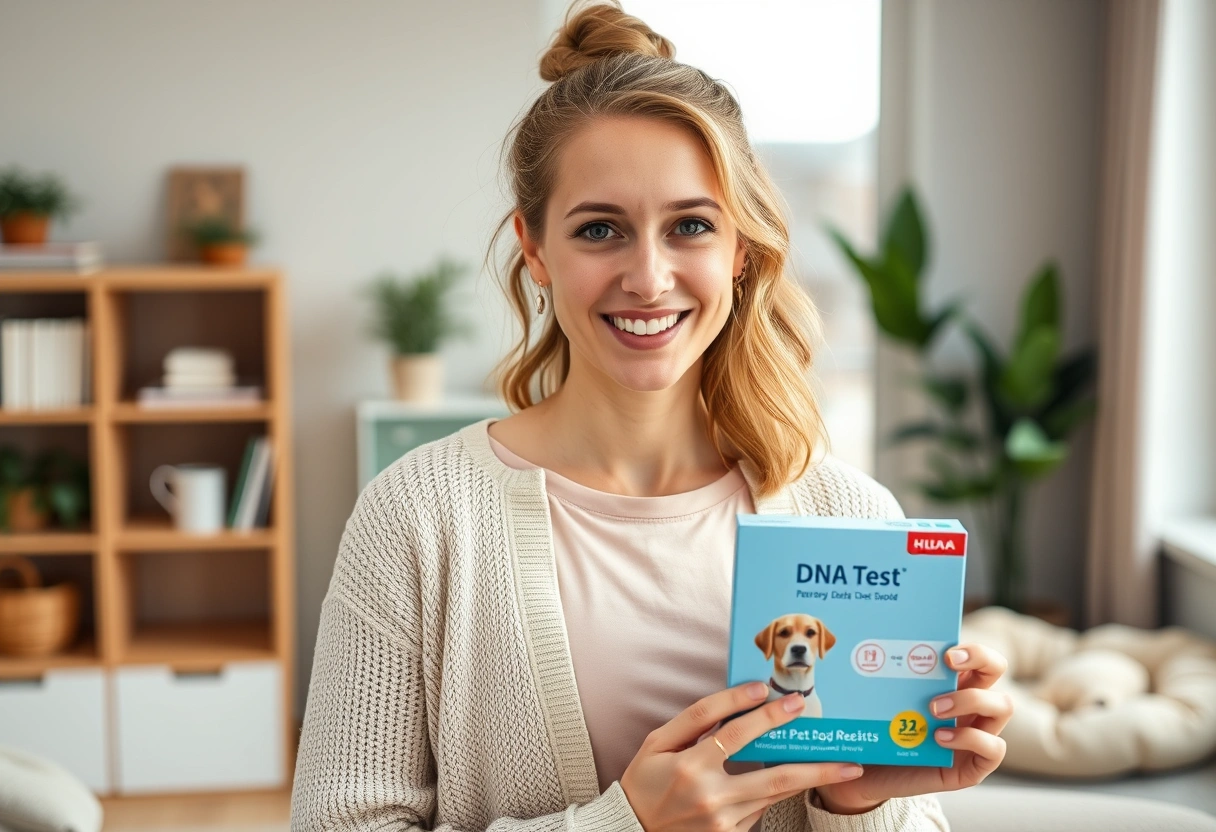
A goldendoodle dna test is the single most useful tool you can buy to get ahead of the inherited health problems that shorten this crossbreed’s life, and not every kit on the shelf actually screens for the conditions that matter most. Because Goldendoodles carry genes from both Poodles and Golden Retrievers, they inherit a wider mix of risk markers than either purebred parent, which means the swab you send off in the mail needs to check for a lot more than just coat color and ear shape.
Why Genetic Screening Matters for Goldendoodles
Crossbreeding gives Goldendoodles some hybrid vigor, but it also means they can pick up risk alleles from both sides of the family tree. From the Poodle line, that includes conditions like degenerative myelopathy, a progressive spinal cord disease that eventually affects mobility in the hind legs. From the Golden Retriever side, you’re looking at a higher baseline risk for certain cancers and progressive retinal atrophy, an eye condition that leads to gradual vision loss. A goldendoodle dna test that only reports on coat traits and breed percentages misses the point entirely. The real value is in catching markers for degenerative myelopathy, PRA, and cancer susceptibility before symptoms ever show up, so you and your vet aren’t caught off guard years later.
This is also where breeding decisions come into play if you got your pup from a smaller breeder. Knowing whether a dog is a carrier versus clear for a given mutation helps responsible breeders avoid pairing two carriers together, which is how at-risk offspring happen in the first place.
How DNA Health Test Kits Work
Most consumer kits use a cheek swab you rub against the inside of your dog’s mouth for about 30 to 60 seconds. It’s painless, doesn’t require a vet visit, and most dogs tolerate it better than a nail trim. A few clinical-grade panels use a blood draw instead, which typically means a trip to your vet’s office, but blood samples tend to yield cleaner DNA and fewer contamination issues (drool, food residue, or a dog that just drank water can occasionally muddy a cheek swab result).
Turnaround time varies. Cheek swab kits usually take two to four weeks from the day the lab receives your sample. Blood-based panels processed through veterinary labs can sometimes turn around faster since they skip the consumer mail-in step. As for accuracy, Embark reports 99%+ accuracy for breed and health marker detection based on the company’s own clinical validation studies, and most other major kits fall somewhere close to that range for the specific markers they test. The gap between kits isn’t really about accuracy on the markers they check, it’s about how many disease markers each panel actually includes.

Side-by-Side Comparison of Top Goldendoodle DNA Test Kits
Here’s how the three most commonly used kits stack up when you focus specifically on inherited disease coverage rather than just ancestry breakdowns. This matters a lot for Goldendoodles given that Golden Retrievers carry a lifetime cancer incidence rate near 60%, according to the Morris Animal Foundation’s Golden Retriever Lifetime Study, making cancer-risk markers one of the most important line items to compare.
| Test Kit | Sample Type | Disease Markers Screened | Vet Report Integration | Turnaround Time | Price Tier |
|---|---|---|---|---|---|
| Embark Breed + Health Kit | Cheek swab | 210+ genetic health conditions, includes degenerative myelopathy and PRA panels | Downloadable vet report, shareable directly with your clinic | 2-4 weeks | $$$$ |
| Wisdom Panel Premium | Cheek swab | 25+ genetic health markers, moderate disease coverage | Basic PDF summary, limited clinical formatting | 2-3 weeks | $$ |
| Orivet Canine Health & Ancestry | Cheek swab | 100+ markers, includes some cancer predisposition testing | Vet portal access with lifetime health planning tools | 3-4 weeks | $$$ |
Embark’s panel is the most thorough goldendoodle dna test option if your goal is catching degenerative myelopathy and PRA markers specifically, and it’s built for easy sharing with your veterinarian. Wisdom Panel is a lighter, more budget-friendly option that still gives you useful breed and basic health data, but it doesn’t dig nearly as deep into disease-specific markers. Orivet sits in the middle, offering a mid-tier price point with a genuinely useful vet portal for tracking results over time, plus some cancer predisposition screening that the others handle less thoroughly.
Genetic testing tells you what your dog is predisposed to, not what your dog is destined to develop. A carrier result or even an at-risk marker is information for planning, not a diagnosis.
Interpreting Results Responsibly
This is where a lot of pet parents get tripped up. A “carrier” result means your dog has one copy of a mutated gene but won’t typically develop the disease itself, though it could pass that copy to puppies. An “at-risk” result means your dog has two copies and has a meaningfully higher chance of developing the condition, but a positive marker still doesn’t guarantee the disease will actually show up. Genetics set the stage, but environment, diet, and overall wellness routines all play a role in whether a predisposition ever becomes a diagnosis.
If your goldendoodle dna test comes back with an at-risk marker for something like degenerative myelopathy, that’s not a reason to panic. It’s a reason to build a monitoring plan with your vet, watch for early symptoms like hind-leg weakness, and stay proactive rather than reactive. The same goes for cancer-risk markers. Early awareness gives you and your vet a real head start on screening schedules.
While you’re building out that broader wellness routine, it helps to also get ahead of coat and grooming needs, since coat type in Goldendoodles varies a lot by generation. If shedding is a concern alongside health planning, this guide on which Goldendoodle generation sheds the least breaks down the genetics behind coat type in a similar way to how disease markers work.

Next Steps After Testing: Building a Wellness Plan
Once your results come back, the smartest move is bringing them straight to your vet rather than trying to interpret everything yourself. Ask specifically about screening frequency for any at-risk markers, and don’t be afraid to request a referral to a canine geneticist if your dog’s report flags something unusual or if you’re planning to breed. A proactive plan usually includes routine bloodwork, annual eye exams if PRA markers showed up, and a baseline neurological check if degenerative myelopathy risk is present.
Wellness planning isn’t just about clinical checkups either. Keeping your dog active and mentally engaged supports overall resilience, and rewarding good behavior during vet visits or at-home checks with something like Canine Cravers Single Ingredient Dog Treats can make health monitoring routines feel less stressful for your pup over time.

- ALL NATURAL DOG TREATS: Your pets deserve the best! Our healthy dog treats are made using 1 simple human grade ingredien…
- TURKEY. ONLY TURKEY: Don’t let your dog eat preservatives, additives and by-products. Our protein rich Turkey strips are…
- DOGS & CATS LOVE IT: Our freshly made treats will leave your pup begging for more! The 100% natural ingredients provide …
If your household includes kids who want to be part of the wellness routine, giving them a small role like logging symptoms or vet visit notes helps everyone stay engaged. A family activity resource like the Free-Range Teen Summer Kit Activity Book and Journal can double as a simple way for older kids to track your dog’s checkups and symptoms alongside their own summer activities.

For younger kids, outdoor play is another easy way to keep the whole family, dog included, moving and active as part of a broader wellness routine. Something as simple as Zhenbuco Sidewalk Chalk for Kids can turn a driveway into a low-key exercise session that gets your Goldendoodle up and moving between structured training sessions.

- VIBRANT DUST FREE CHALK All of our dust free chalk sets are carefully selected without duplicate colors. The sidewalk ch…
- DURABLE, DUST FREE & EASY TO CLEAN Our dust free chalk is made of high density material, which is more durable than ordi…
- Easy to Use Our dust free chalk comes with an adjustable chalk holder that rotates like a lipstick. Kids won’t break cha…
Beyond DNA results, general coat and skin health also tie into overall wellness, since a dog dealing with chronic skin irritation or matting is often harder to monitor for subtle symptoms. If you’re still dialing in your grooming routine, this comparison of the best grooming tools for Goldendoodles, brush versus rake can help you catch skin issues early during regular brushing sessions.
Choosing the Right Canine Genetic Screening for Your Dog
If you’re deciding between kits, the real question isn’t which one is cheapest, it’s which one actually covers the diseases that matter for your dog’s specific mix of Poodle and Golden Retriever ancestry. A goldendoodle dna test with a shallow disease panel might tell you your dog is 52% Poodle and has a cute genetic quirk for furnishings, but it won’t tell you anything about degenerative myelopathy risk or cancer predisposition. For most Goldendoodle owners, spending a bit more upfront on a premium panel is worth it compared to redoing testing later with a more thorough kit.
According to the American Kennel Club, genetic testing has become an increasingly standard part of responsible dog ownership, particularly for mixed breeds where health history from both parent lines needs to be accounted for. That guidance lines up with what most vets recommend for Doodles specifically, given how much genetic variation exists even within the same litter.
Frequently Asked Questions
Which goldendoodle dna test screens for the most life-shortening diseases?
Embark’s Breed + Health Kit currently offers the deepest disease panel among consumer-facing options, screening for over 210 genetic health conditions including degenerative myelopathy and progressive retinal atrophy. Orivet comes in second with a solid mid-tier panel that includes some cancer predisposition markers, while Wisdom Panel covers fewer disease-specific markers but still provides useful baseline health data.
Is a cheek swab dog dna health kit as accurate as a blood test?
For most consumer kits, cheek swabs deliver accuracy rates comparable to blood draws for the markers they’re designed to test, often 99% or higher per manufacturer clinical validation studies. Blood draws are sometimes preferred in clinical settings because they reduce the risk of a contaminated sample, but a properly collected cheek swab is generally reliable for at-home testing.
Does a positive marker on a canine genetic screening mean my dog will get sick?
Not necessarily. A positive marker indicates a genetic predisposition, not a guaranteed outcome. Many dogs carry risk alleles for conditions like degenerative myelopathy or certain cancers without ever developing symptoms, since environment, lifestyle, and overall health also influence whether a disease actually manifests.
How often should I repeat doodle health testing as my dog ages?
You typically don’t need to repeat a full doodle health testing panel since DNA results don’t change over time. Instead, use your initial results to guide ongoing monitoring, such as annual eye exams for PRA risk or routine bloodwork for cancer surveillance, and update your vet as new markers or research become available for conditions relevant to Goldendoodles.