


A goldendoodle ear infection is one of those problems that sneaks up fast: your dog is fine on Monday, and by Wednesday she’s tilting her head and pawing at her ear like something’s crawling in there. If you’ve caught yourself standing in the kitchen googling whether apple cider vinegar or a vet visit is the right call, you’re not alone, and the honest answer is that it depends on how far things have already gone.
Goldendoodles are genetically set up for ear trouble in a way that flat-eared breeds simply aren’t. Their floppy, hair-covered ear canals trap heat, moisture, and wax against the skin, creating a warm, damp environment that yeast and bacteria treat like a five-star resort. Research published in the Journal of Small Animal Practice in 2018 found that floppy-eared breeds have significantly higher rates of otitis externa (the clinical term for outer ear infection) than breeds with upright, prick ears. That’s not a coincidence tied to one unlucky dog. It’s structural. Add in the curly or wavy doodle coat, which grows hair inside the ear canal itself, and you’ve got a breed that needs a deliberate ear care routine, not an occasional glance.
Recognizing the Signs: Infection vs. Normal Wax Buildup
Every dog produces ear wax, and a little golden-brown residue on a cotton pad after a routine wipe-down is completely normal. What’s not normal is a sudden change in smell, color, or behavior. A true goldendoodle ear infection usually announces itself with a combination of symptoms rather than just one.
- Head shaking or tilting that happens repeatedly, not just after a bath
- A yeasty, sour, or downright foul odor coming from the ear canal
- Redness, swelling, or heat visible on the inner ear flap
- Scratching at the ear hard enough to leave marks or scabs
- Dark brown, black, or yellowish discharge that looks thicker or wetter than typical wax
- Sensitivity to touch, where your dog flinches or pulls away when you go near the ear
Normal wax buildup, by contrast, is usually mild, doesn’t smell bad, and doesn’t come with any pain response. If your dog lets you clean her ears without a fuss and there’s no odor, you’re likely just dealing with routine maintenance. If she yelps, ducks away, or the smell makes you wrinkle your nose, that’s your cue to take it seriously.
Vet-Recommended Treatments for Goldendoodle Ear Infections
Once an infection is confirmed, whether it’s bacterial, yeast-based, or a mix of both, the gold standard is a prescription approach tailored to what’s actually growing in that ear canal. Vets typically take a swab, look at it under a microscope, and prescribe accordingly. This matters because treating a yeast infection with an antibacterial product (or vice versa) can leave the underlying problem untouched while the symptoms linger.

Common vet-recommended treatments include medicated ear drops containing antifungal and antibiotic combinations, professional-grade cleaning solutions that dry the canal and adjust its pH, and in more stubborn or chronic cases, oral medication. One product frequently used off-label by veterinarians for eye and ear-adjacent bacterial issues is Ciprofloxacin, 0.3% Ophthalmic Solution, though it should only ever be used under direct veterinary guidance since ophthalmic formulations aren’t automatically interchangeable with otic (ear-specific) ones. Never substitute an eye medication for an ear medication without your vet explicitly approving it for that use.There is an issue displaying Amazon products. Please contact the administrator to check that.
According to the American Kennel Club, ear infections account for a large share of annual canine vet visits, and doodle breeds show up in those statistics more often than you’d expect given how “healthy” and hypoallergenic they’re marketed as. A vet visit becomes non-negotiable when you notice a foul odor combined with visible swelling, when your dog seems to be in pain, when there’s discharge that looks like pus, or when symptoms have lasted more than two or three days without improvement. Chronic or recurring infections also deserve a deeper workup, since they can point to underlying allergies or hormonal issues rather than a one-off problem. If your dog’s ear troubles seem to overlap with broader behavioral changes, it’s also worth reading about how pain and discomfort can influence a Goldendoodle’s reactivity toward other dogs, since chronic ear pain is a surprisingly common trigger for irritability.
Ear infections rarely resolve on their own once they’ve progressed past mild irritation. Waiting it out usually just gives the infection more time to spread deeper into the canal, which makes treatment longer and more uncomfortable for your dog.
If you’re trying to figure out whether an over-the-counter option might handle a mild case before you commit to a vet visit, our breakdown of OTC ear infection medicine options for dogs walks through what’s actually available without a prescription and where those products fall short for more advanced infections.
Popular Home Remedies Examined
A quick search for “goldendoodle ear infection” home remedy turns up a familiar rotation: diluted apple cider vinegar rinses, coconut oil, witch hazel, and hydrogen peroxide. Some of these have a kernel of legitimate use, and some are genuinely risky, so it’s worth separating the two.
Diluted apple cider vinegar (mixed properly with water) can help maintain a mildly acidic pH in a healthy ear, which discourages yeast overgrowth. The problem is that if the eardrum is already inflamed, ulcerated, or there’s an active infection with broken skin, vinegar stings and can make inflammation noticeably worse. Coconut oil has mild antimicrobial properties, but it’s also greasy and can trap debris and moisture in the canal, which is the opposite of what you want in a breed already prone to buildup. Hydrogen peroxide is one to avoid entirely for ear use since it’s known to damage healthy tissue and can be genuinely painful on inflamed skin.

The bigger issue with home remedies isn’t that they’re all useless. It’s that they can mask surface symptoms (reducing odor slightly, calming visible irritation) while an underlying bacterial or yeast infection keeps growing untreated underneath. By the time the home remedy stops working and you head to the vet, the infection has often had a week or two of uninterrupted growth. If you’re weighing prescription-strength options against gentler daily treatments, the comparison in Zymox versus traditional vet ear drops is a good place to see how a middle-ground product stacks up against both extremes.
Comparing Vet-Recommended vs. Home Remedy Approaches
| Treatment Type | Best For | Speed of Relief | Risk Level | Price Tier |
|---|---|---|---|---|
| Prescription antifungal/antibiotic drops | Confirmed bacterial or yeast infections | Fast (48-72 hours) | Low (when vet-directed) | $$$ |
| Professional vet ear cleaning solution | Chronic wax buildup, prevention | Moderate | Low | $$ |
| Diluted apple cider vinegar rinse | Mild prevention in healthy ears only | Slow, inconsistent | Moderate (stings inflamed skin) | $ |
| Coconut oil application | Very mild dryness, not active infection | Slow | Moderate (traps moisture) | $ |
| Hydrogen peroxide rinse | Not recommended for ears | N/A | High (tissue damage) | $ |
| Routine wipe-downs with pet wipes | Daily maintenance, post-swim/bath drying | Preventive only | Very low | $$ |
A Safe At-Home Maintenance Routine to Prevent Recurrence
Once an active goldendoodle ear infection has cleared up, the real work is preventing it from coming back, and that comes down to a handful of consistent habits rather than any single product. Doodle ears need more upkeep than most breeds simply because of their coat texture and ear shape, so building a routine now saves you a lot of vet bills later.
Start with drying the ears thoroughly after every swim or bath. Water that lingers in the canal is the single biggest contributor to recurring infections in this breed. A soft towel followed by a few minutes of air exposure (ears gently held open, not stuffed with cotton) makes a real difference. Routine plucking or trimming of the hair growing inside the ear canal also matters a lot for doodle coats specifically, since that hair holds moisture and wax against the skin the same way a sponge does. Many groomers will do this as part of a standard grooming appointment if you ask.
For general cleanup around the ear flap and face, keeping a stock of gentle wipes on hand makes the daily habit easier to stick with. The ZOOP XL Pet Wipes for Dogs & Cats are a practical, budget-friendly option for wiping down the outer ear and surrounding fur after walks or grooming sessions, though they’re meant for external cleanup and shouldn’t be pushed down into the ear canal itself.
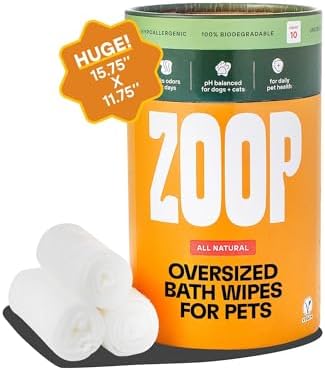
- FAST GROOMING: Save hours of cleaning your dirty pet! Instead of a bath, a quick wipe with a giant towel-sized pet wipe….
- BETTER THAN SHAMPOO: The gentle oversized pet grooming wipe is water-based and infused with skin-supporting nanosilver. …
- ULTRA BIG AND THICK: Pack of 10 absorbent, very thick, giant pet grooming wipes for easy pet cleaning.
A weekly check, even when everything looks fine, is worth the two minutes it takes. Lift the ear flap, take a sniff, glance for redness, and move on. Catching the earliest stage of a goldendoodle ear infection before it becomes painful is genuinely the difference between a five-day fix and a two-week ordeal. For broader guidance on organizations that study canine ear health and general veterinary standards, the American Veterinary Medical Association offers solid background on what triggers ear infections across breeds and when professional care is warranted.
FAQ: Goldendoodle Ear Infection Questions Answered
How do I know if my Goldendoodle has an ear infection or just needs cleaning?
Normal wax buildup looks mild, doesn’t smell bad, and doesn’t bother your dog when touched. A goldendoodle ear infection usually comes with a sour or yeasty odor, redness, discharge that’s darker or thicker than usual, and a pain response when you touch the ear. If your dog is shaking her head repeatedly or scratching hard enough to leave marks, that points toward infection rather than routine buildup.
Can apple cider vinegar actually treat a Goldendoodle ear infection?
Diluted apple cider vinegar can help maintain a healthy ear’s pH and discourage yeast growth as a preventive step, but it does not treat an active infection. If the skin inside the ear is already inflamed or broken, vinegar can sting and worsen irritation. It’s better used as part of a maintenance routine in a healthy ear rather than as a treatment once infection symptoms appear.
How often should I clean my Goldendoodle’s ears to prevent infection?
Most Goldendoodles benefit from a weekly ear check and gentle cleaning, with extra drying after every bath or swim. Dogs with a history of recurring goldendoodle ear infection issues may need cleaning every few days, but over-cleaning can also disrupt the ear’s natural balance, so it’s worth asking your vet for a schedule tailored to your dog’s specific tendencies.
When should I stop trying home remedies and see a vet?
If symptoms last more than two to three days, if there’s visible swelling or pain, if discharge looks like pus, or if your dog seems distressed, it’s time to see a vet rather than continue with home remedies. A goldendoodle ear infection that’s allowed to progress untreated can spread deeper into the ear canal and become significantly harder and more expensive to resolve.


