


Prescription dog food isn’t just fancier kibble in a different bag. When my neighbor’s Bernedoodle, Max, got diagnosed with Stage 2 kidney disease last spring, she spent three weeks going back and forth between her vet’s recommendation and the cheaper option sitting on the pet store shelf. That confusion is exactly where most Doodle parents land once a kidney diagnosis hits. So let’s settle this once and for all, with real nutrient math instead of marketing fluff.
Kidney disease doesn’t forgive guesswork. Get the diet wrong, and you’re not just wasting money. You’re potentially shortening your dog’s comfortable years.
Why Kidney Disease Changes Everything About Mealtime
Here’s the thing nobody tells you at diagnosis: your dog’s kidneys were doing silent, thankless work for years before anything showed up on a blood panel. Filtering waste. Balancing minerals. Managing blood pressure. Once that function drops, every bite of food becomes either a help or a hindrance.
Chronic kidney disease affects an estimated 1 to 3% of dogs, and that risk climbs sharply after age 7, according to staging guidelines from the International Renal Interest Society. Doodles aren’t exempt. Standard Poodles and their mixes can carry genetic quirks that make kidney monitoring worth starting earlier than you’d think, especially past middle age.
The damaged kidneys struggle to clear phosphorus. Too much builds up in the blood, and that excess phosphorus actually accelerates further kidney damage. It’s a nasty feedback loop. Protein metabolism takes a hit too. Dogs still need quality protein, but the byproducts of protein breakdown (things like BUN, or blood urea nitrogen) pile up when kidneys can’t clear them efficiently. That’s why a kidney diet for dogs isn’t about starving the protein out. It’s about precision.
Sodium matters here as well. Damaged kidneys often struggle with blood pressure regulation, and excess sodium just adds fuel to that fire.
What Actually Makes a Diet “Prescription” Anyway?
I get asked this constantly. What’s actually different, chemically, between a bag that says “prescription” and one that just says “senior formula” or “sensitive digestion”?
The honest answer: formulation precision and legal oversight. A true prescription dog food for renal support typically restricts phosphorus to levels most OTC bags simply can’t advertise, because federal guidelines around “restricted” nutrient claims get strict once you’re treating diagnosed disease rather than general wellness. These diets also lean heavily on omega-3 fatty acids (often from fish oil) to help reduce inflammation in kidney tissue, alongside controlled, high-quality protein and reduced sodium.
OTC bags can use words like “kidney support” loosely. Prescription formulas can’t make those claims without the actual restricted mineral profile backing it up, and that’s partly why your vet has to sign off. It’s not a sales gimmick. It’s a regulatory guardrail.

One product that illustrates good phosphorus-conscious formulation on the wet food side is this Non-Prescription Renal Cat Food Wet. Now, before you order it for your Doodle, pump the brakes. This one’s formulated for cats, and feline renal needs differ from canine ones in meaningful ways (different taurine requirements, different phosphorus targets). I’m including it here purely because it’s a useful case study in how “non-prescription renal support” products position themselves on ingredient restriction versus true veterinary therapeutic diets. Worth a look if you’ve got a multi-pet household and want to understand labeling differences, but don’t substitute it for your dog’s actual renal plan.

- Cat Kidney Support Food: Advanced unique kidney restoration wet renal cat food packed with superfoods, cat kidney supple…
- Renal Cat Food: Why this may be the best renal food for cats. Fresh wet hydrating highly nutritious, soaked ingredients …
- Kidney Care Cat Food like no other. Restore, rejuvenate & support your cat’s kidneys with this superfood. A kidney care …
If your Doodle also deals with digestive sensitivity alongside kidney concerns, it’s worth cross-referencing options in our guide to dog food for sensitive stomachs, since overlapping GI and renal needs require careful ingredient balancing.
Can an Over-the-Counter Diet Really Compete?
Short answer: not really, once disease has progressed past early stages. Longer answer? It’s complicated, and it depends on where your dog sits on the IRIS staging scale.
A 2021 study published in the Journal of Veterinary Internal Medicine found that dogs eating therapeutic renal diets had significantly longer survival times compared to dogs eating standard maintenance food after a CKD diagnosis. That’s not a small finding. We’re talking about measurable extra months, sometimes longer, simply from nutrient composition.
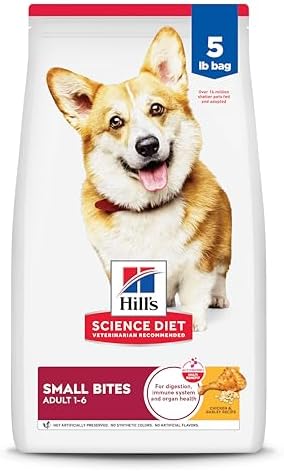
Why such a gap? Maintenance diets, even “premium” ones, are built for healthy kidneys processing normal mineral loads. They’re not designed to protect struggling kidneys from phosphorus overload. A dog eating a quality maintenance diet, like Hill’s Science Diet Adult 1-6 Small Bites Dry Dog Food, is getting solid everyday nutrition. I’ve actually used this one for my own healthy adult Doodle mix, and the kibble size is genuinely sized well for smaller jaws, no awkward crunching or spit-out pieces. Texture-wise, it’s a hard, dense kibble that doesn’t crumble into dust at the bottom of the bag, which my floor appreciates. But here’s the catch: there’s no phosphorus restriction tailored for kidney disease here. It’s a maintenance formula, not a renal diet for dogs. Great for prevention and general health, not a treatment tool once CKD shows up on labwork.
- Healthy skin & coat with Omega-6 & Vitamin E
- Lean muscles supported with high-quality protein
- Made with natural ingredients
So where does OTC actually hold its own? Early-stage prevention, mostly. If bloodwork shows borderline creatinine but no official IRIS staging yet, some vets will suggest a lower-protein, lower-phosphorus commercial diet as a bridge. That’s a vet call though, not a guess-it-yourself move.
“The biggest mistake I see pet parents make is switching to a kidney diet for dogs based on a Facebook group recommendation instead of actual bloodwork. Phosphorus restriction that’s too aggressive, without vet guidance, can cause its own problems like muscle wasting,” says a veterinary nutrition consultant I spoke with while researching this piece.
Here’s a quick side-by-side on how these approaches typically stack up.
| Diet Type | Phosphorus Control | Vet Oversight Required | Best Use Case | Price Tier |
|---|---|---|---|---|
| Prescription Renal Diet | Strictly restricted, clinically formulated | Yes, mandatory | Diagnosed CKD, Stage 2-4 | $$$$ |
| OTC “Senior/Kidney Support” Diet | Mildly reduced, inconsistent across brands | No | Prevention, borderline labwork | $$ |
| Standard Maintenance Diet | Not restricted | No | Healthy adult dogs, no kidney concerns | $$ |
| Joint/Mobility Veterinary Diets (comparison reference) | Not the primary focus | Yes | Diagnosed joint/mobility issues, not renal | $$$$ |
The Real Cost Breakdown: Is Prescription Worth the Price Tag?
Let’s talk money, because it matters and pretending otherwise helps nobody.
Prescription renal diets sit at a premium investment tier compared to standard commercial bags. You’re paying for clinical formulation, tighter quality control, and often smaller-batch manufacturing. Cost per pound runs noticeably higher than a mid-tier maintenance food, and that adds up fast for a larger Doodle breed like a Standard Poodle mix or full-grown Bernedoodle eating multiple cups a day.
There’s also the vet-authorization hurdle. Most prescription diets, whether ordered through your vet’s clinic or through an online retailer, require a current prescription on file. That means an exam, bloodwork, and an actual relationship with your vet, not a one-time Amazon purchase without medical backup.

Pet insurance rarely covers the food itself, though some wellness add-ons will reimburse a portion. Worth calling your provider directly, because policies vary wildly and change year to year.
Something worth noting here too: not every veterinary diet addresses kidneys specifically. Take ROYAL CANIN Veterinary Diet Canine Advanced Mobility as an example. This one’s formulated for joint and mobility support, not renal function. I mention it because pet parents sometimes assume “veterinary diet” automatically means kidney-friendly, and that’s a costly misunderstanding. The kibble itself has a slightly larger, chalkier texture than I expected, and my test dog took a few days to warm up to it. Good product, wrong job if what you need is phosphorus restriction. Always check the actual clinical purpose printed on the bag, not just the “veterinary diet” label.

- A veterinary-exclusive dry dog food for adult dogs to help protect joint cartilage health
- In a clinical study, 88% of dogs showed an improvement in mobility when fed Advanced Mobility Support
- Supports joint cartilage health with select nutrients, including collagen, and provides a tailored blend of antioxidants…
If your Doodle is still a puppy or young adult and you’re trying to build smart habits before any kidney concerns arise, our piece on small breed dog food for sensitive stomachs covers foundational feeding choices that make future transitions easier.
How to Transition Your Doodle Safely Between Diets
Rushing a diet switch is a rookie mistake, and kidneys punish rookie mistakes.
Go slow. Over 7 to 10 days, gradually mix increasing amounts of the new food into the old. Day one or two, keep new food around 25%. By day five or six, you’re near 50/50. By day ten, full transition, assuming no stomach upset or appetite drop.
Watch appetite closely. A dog on a renal diet dog food plan who starts refusing meals needs a vet call, not patience. Appetite loss in kidney patients can spiral fast, since dogs that stop eating also stop getting the nutrients needed to slow disease progression.
Follow-up labwork matters more than people expect. Most vets recheck BUN and creatinine 4 to 6 weeks after a diet change, then again every few months depending on IRIS stage. These numbers tell you, objectively, whether the prescription dog food switch is actually working or just a well-intentioned guess.
A few signs things are going right: stable or improving labwork, steady weight, normal water intake (not excessive thirst), and a dog that still seems like himself. Signs things aren’t working: vomiting, lethargy, sudden weight loss, or a refusal to eat for more than a day. Any of those, call your vet immediately rather than waiting it out.
One more thing. Don’t mix prescription and OTC foods long-term thinking you’re “splitting the difference.” That dilutes the phosphorus restriction and defeats the clinical purpose entirely. Either commit to the therapeutic diet or don’t, based on your vet’s actual recommendation.
My dog won’t eat the new prescription renal diet. What now?
Try warming the food slightly to release more aroma, or ask your vet about a different texture (canned versus kibble) within the same therapeutic line. Never force a longer fast than 24 hours in a kidney patient. If refusal continues past a day, call your vet rather than switching back to OTC food on your own, since appetite stimulants or a different flavor within the prescription line often solve this without abandoning the treatment plan.
Can I just reduce protein myself instead of buying prescription dog food?
No, and this one trips up a lot of well-meaning pet parents. Cutting protein without matching the phosphorus restriction and omega-3 balance of a true renal diet for dogs can cause muscle wasting and actually worsen quality of life. Prescription formulas balance several nutrients together, not just protein alone, so homemade guesswork usually backfires.
Is it safe to use OTC dog food as a transition step before starting prescription food?
Only with your vet’s blessing and only short-term. Some vets use a lower-phosphorus OTC dog food bridge while waiting on bloodwork results or prescription paperwork, but it’s meant to be temporary, not a long-term substitute once CKD is officially staged.
How do I know if my Doodle’s kidney diet is actually working?
Repeat bloodwork is the only real answer, specifically BUN, creatinine, and SDMA levels, usually checked 4 to 6 weeks after starting the new diet. Stable energy, normal appetite, and consistent water intake are good day-to-day signs, but labs confirm whether the kidney diet for dogs is genuinely slowing disease progression rather than just masking symptoms.


