


Puppy biting can turn a joyful new chapter into a stressful one fast. If your Doodle pup’s needle-sharp teeth have left your hands, ankles, and favorite throw pillow covered in tiny puncture marks, you’re not imagining it, and you’re definitely not alone. The short answer: neither bitter spray nor chew toys wins on its own, but chew toys paired with consistent redirection stop puppy biting far more reliably than bitter spray alone, because they teach your pup what to chew instead of just what not to chew.
That said, bitter spray still earns a spot in a well-rounded training toolkit. It just works best as a deterrent, not a teacher. Over the next few sections, we’ll walk through the actual science behind puppy mouthing, break down both methods honestly (mistakes and all), and give you a clear side-by-side comparison so you can build a plan that actually fits your Goldendoodle, Labradoodle, or Bernedoodle puppy’s personality.
Why Doodle Puppies Bite So Much in the First Place
Before you can fix a behavior, it helps to understand where it’s coming from. Puppy biting isn’t defiance or aggression. It’s a normal, developmentally necessary part of how dogs learn to control their jaws.
This process is called bite inhibition, and it’s something puppies start learning from their littermates and mother well before they ever come home with you. When a puppy bites too hard during play, a littermate yelps and the fun stops. Over dozens of repetitions, the puppy learns exactly how much pressure is too much.
The ASPCA notes that puppy nipping and mouthing typically peaks between three and five months of age, right as those needle-like baby teeth start loosening and adult teeth push through. Teething discomfort ramps up the urge to chew on anything within reach, which is exactly why stop puppy biting searches spike during this exact window for so many new Doodle owners.
Doodle breeds add their own wrinkle to this timeline. Because Goldendoodles, Labradoodles, and Bernedoodles are often bred from retrievers and herding-type Poodles, many inherit a strong mouthiness trait rooted in their retrieving instincts. That’s not a flaw. It just means redirection matters even more for this group than it might for some other breeds.
Breaking Down Bitter Spray: How It Works and Where It Falls Short
Bitter apple spray and similar deterrent products work on a simple premise. You coat furniture, shoes, hands, or cords in something that tastes unpleasant, and the puppy learns to avoid that specific object.
It’s an aversive tool, meaning it relies on an unpleasant sensation to discourage a behavior rather than teaching a replacement behavior. That distinction matters a lot for how effective it actually is long term.
Pros of bitter spray:

- Fast to apply and widely available at pet stores
- Genuinely useful for protecting specific high-value items like table legs or baseboards
- Non-physical, so there’s no risk of startling or scaring the puppy through touch
- Works well as a temporary barrier while other training builds momentum
Cons of bitter spray:
- Doesn’t teach the puppy what they should chew instead
- Many puppies get used to the taste within days or weeks
- Doesn’t transfer, meaning a puppy who avoids a sprayed shoe may still chew an unsprayed one
- Not practical for stopping bites directed at hands or skin during play
Most owners who feel let down by bitter spray made one of a few common mistakes. They sprayed once and expected permanent results, applied it too sparingly to actually register on the puppy’s tongue, or used it on moving targets like hands, which just doesn’t work the same way it does on furniture. Reapplication every few days, especially after rain or cleaning, is non-negotiable if you want it to hold up.
Bitter spray can protect your favorite armchair, but it can’t teach your puppy that fingers aren’t toys. That lesson comes from consistent redirection, not deterrents alone.
Chew Toys: Matching Texture to Your Doodle’s Jaw Strength
Chew toys work through a completely different mechanism than bitter spray. Instead of punishing the wrong choice, they give your puppy an acceptable, satisfying outlet for a biological need they can’t just switch off.
Texture matters more than most new owners realize. A soft plush toy that delights a small Toy Poodle mix might get destroyed in minutes by a sturdy Standard Bernedoodle puppy with a powerful jaw. Matching toy durability to your pup’s size and chew intensity keeps them engaged longer and reduces the temptation to move on to your coffee table leg.
For puppies still cutting teeth, softer textured toys with give actually feel better on sore gums than rock-hard rubber. A great example is the PetPhindU Pet Dog Squeaky Plush Toy, Triangle Watermelon, which combines a soft chewable texture with a squeaker that taps into your Doodle’s natural retrieving instincts. It’s a budget-friendly option worth rotating into your teething lineup.

- Safe Material: This plush toy for dog fetch, watermelon plush is made of safe cotton and polyester, watermelon dog toy i…
- It Is Funny and Interactive: The design of watermelon-shaped plush toy is exaggerated and different from most of the rea…
- Behavior Training: Your pet dog is bored when you are not home. The dog may do something strange and bad to please herse…
The AVMA and veterinary behaviorists broadly recommend redirection paired with positive reinforcement over aversive tools whenever possible, precisely because it builds a habit rather than just suppressing a symptom. Every time your puppy bites your hand, calmly swap in a toy and praise them the moment their teeth land on it. Repeated enough times, this becomes the default response.
Vet-recommended toy types to rotate through:
- Rubber chew toys with varied textures for teething relief
- Rope toys for tug play that satisfies jaw strength without encouraging hand-biting
- Frozen washcloths or specially designed cooling teething toys for sore gums
- Treat-dispensing puzzle toys that combine mental stimulation with chewing
- Soft plush squeaky toys for gentler chewers or calm-down play
If your Doodle seems mentally understimulated on top of teething, puzzle-style enrichment can take a lot of pressure off. Our guide to the best puzzle toys for smart Goldendoodles covers options that keep sharp minds busy and hands unbitten.
Rotation is the part most owners skip. Rather than leaving out five toys permanently, swap two or three out every few days so your puppy stays curious instead of bored with the same textures.

Bitter Spray vs Puppy Chew Toys: Side-by-Side Comparison
Here’s how the two approaches stack up when you look at effectiveness, cost, and how well they actually address the root cause of puppy biting rather than just the symptom.
| Method | Best For | Teaches Replacement Behavior? | Effectiveness on Hand-Biting | Price Tier |
|---|---|---|---|---|
| Bitter Apple Spray | Protecting furniture, cords, shoes | No | Low | $ |
| Rubber Chew Toys | Teething relief, jaw strength outlet | Yes | High | $$ |
| Plush Squeaky Toys | Gentle chewers, calm play redirection | Yes | Moderate to High | $ |
| Puzzle/Treat Toys | Mental stimulation plus chewing outlet | Yes | High | $$$ |
| Combined Approach | Full household protection plus training | Yes | Highest | $$-$$$$ |
Notice that the combined approach, using bitter spray to protect off-limits items while relying on toys and redirection to teach appropriate chewing, consistently outperforms either method used in isolation. That’s really the core answer to stop puppy biting effectively: layer your tools instead of picking just one.
When Biting Targets Hands Instead of Objects
Some Doodle puppies fixate specifically on hands and feet rather than household items, which calls for a slightly different strategy than general chew redirection. If this sounds like your pup, our detailed breakdown of training solutions for hand and foot biting walks through targeted techniques that build on everything covered here.
For particularly intense mouthers, especially during high-energy play sessions or around young children, a soft, breathable option like the DoggieKit Dog Muzzle, Soft Printed Mesh Puppy can offer temporary, humane management during supervised training moments. It should never replace training, but it can reduce risk while bite inhibition skills are still developing.

- Breathable & Lightweight Material: This printed dog muzzle combines soft, breathable mesh with lightweight yet durable c…
- Upgraded Escape-Proof Neck Design: This puppy muzzle features our upgraded escape-proof elastic neck collar, which comfo…
- Adjustable Snout & Head Strap: This dog mussel enables a securely customized fit for your pup through dual-point snout a…
Consistency across every family member matters here too. If one person allows rough hand play while another enforces toy redirection, the puppy gets mixed signals and progress slows down considerably.
Building a Full Bite-Prevention Routine
Rather than treating bitter apple spray and toys as competing solutions, think of them as two tools in a broader routine. Here’s a simple step-by-step approach many Doodle owners find effective:
- Apply bitter spray to furniture, cords, and off-limits objects, reapplying every few days
- Keep two to three puppy chew toys accessible at all times, rotating weekly
- The instant teeth touch skin, calmly say “no” or “ouch,” withdraw your hand, then offer a toy
- Praise immediately when teeth make contact with the toy instead of skin
- Schedule short, structured training sessions daily rather than relying only on reactive correction
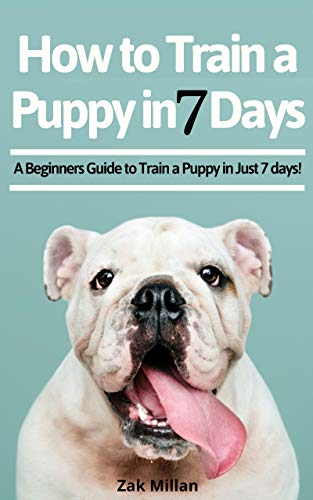
If you want a structured framework to follow rather than piecing together tips on your own, resources like A Beginners Guide to Train a Puppy in Just 7 days lay out a day-by-day plan that pairs well with the redirection techniques covered here.
Patience really is the biggest variable here. Most puppies show noticeable improvement in bite pressure and frequency within a few weeks of consistent redirection, though full bite inhibition typically settles in closer to six months of age as adult teeth finish coming in.
A Reassuring, Safety-First Takeaway
If your Doodle puppy is still nipping and mouthing everything in sight, that’s normal puppy development, not a sign you’re doing something wrong. The teething window is temporary, even when it doesn’t feel that way at three in the morning with a sock in shreds.
The winning approach to puppy biting isn’t choosing bitter spray or chew toys. It’s using bitter spray to protect what matters while chew toys and redirection teach your puppy what their mouth is actually for. Stay consistent, stay patient, and lean on positive reinforcement over punishment, and your Doodle will grow into a gentle-mouthed, well-mannered adult dog.
Frequently Asked Questions
Does bitter apple spray actually work on puppies?
Bitter apple spray can work well for protecting specific objects like furniture or cords, but its effectiveness fades if not reapplied regularly. It doesn’t teach appropriate chewing behavior on its own, so it works best alongside chew toys and consistent redirection rather than as a standalone fix for puppy biting.
At what age does puppy biting usually stop?
Puppy biting tends to peak between three and five months old during teething, according to ASPCA guidance, and gradually improves as adult teeth fully come in. Most Doodle puppies show significant improvement in bite pressure by six months with consistent training, though every dog’s timeline varies slightly.
Are chew toys better than bitter spray for stopping hand biting?
Yes, for hand biting specifically, chew toys paired with redirection outperform bitter spray because they teach the puppy what to bite instead of just discouraging one behavior. Bitter spray is difficult to apply effectively to moving targets like hands, which limits its usefulness for this particular issue.
How many chew toys should a Doodle puppy have?
Most trainers recommend keeping two to three chew toys available at any given time and rotating in fresh options weekly. This keeps a Doodle puppy mentally engaged without overwhelming them, and it helps maintain interest so they’re less tempted to chew on furniture or hands instead.


