

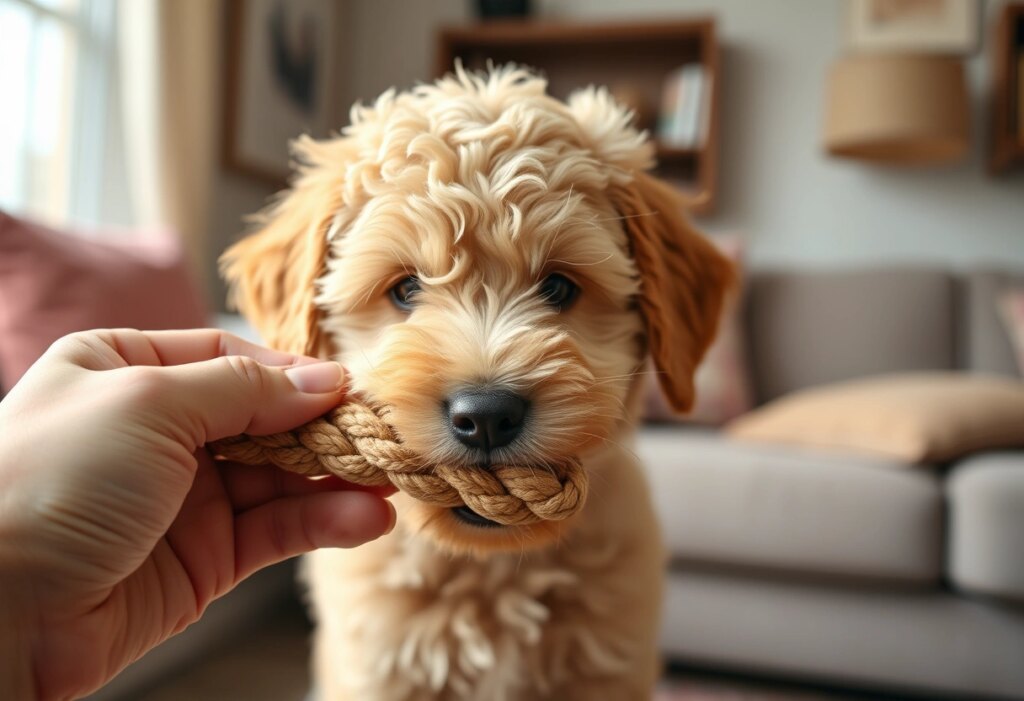
If your 4 month old puppy is still clamping down on your hands, your pant legs, and the kids’ sleeves, you’re probably wondering if something has gone wrong with your training. Here’s the reassurance you need: puppy biting at this age is almost always normal mouthing behavior tied to teething and play drive, not true aggression. Doodle puppies in particular are smart, mouthy, and high-energy, which makes the biting feel more intense than it actually is.
This guide walks you through why your puppy is still biting at four months, how to tell normal nipping from a real red flag, and the exact trainer-backed steps that work to stop it. By the end, you’ll have a clear plan instead of just crossed fingers.
Why Puppy Biting Feels So Aggressive Right Now
Four months is a rough stretch for a lot of Doodle families. Your puppy isn’t trying to hurt you. Puppy biting at this stage is exploratory, not hostile, according to behavior guidance from the ASPCA. That distinction matters because it changes how you respond.
Puppies explore the world with their mouths the way toddlers explore with their hands. Add in the fact that Goldendoodles, Labradoodles, and Bernedoodles are bred from working lines with strong retrieving and herding instincts, and you get a puppy who mouths, grabs, and nips as part of normal play.
That said, puppy biting that feels sharp, frequent, and relentless is still exhausting to live with. Validating that frustration is step one. Fixing it is step two, and that’s what the rest of this article covers.
The Biology Behind the Biting: Teething and Bite Inhibition
Puppies lose their baby teeth somewhere between 3 and 6 months old, and that process is uncomfortable. Sore gums make chewing and mouthing feel good, which is why your 4 month old puppy suddenly seems obsessed with gnawing on everything, including you.
There’s a second piece to this puzzle: bite inhibition training. The American Veterinary Society of Animal Behavior points to this early window as a critical period for puppies to learn how to control the force of their bite. If a puppy never learns this lesson, puppy nipping can carry into adulthood with more force behind it.
So you’re dealing with two things at once: a teething puppy who needs appropriate outlets, and a learning window where you need to actively teach bite inhibition training rather than just waiting for the behavior to fade on its own.

Normal Puppy Biting vs. Red Flags: A Quick Checklist
Most puppy biting is nothing to worry about, but it helps to know what crosses the line. Run through this checklist if you’re unsure where your puppy falls.
- Frequency: Occasional mouthing during play is normal; biting that happens dozens of times a day with no let-up deserves a closer look.
- Growling intensity: A soft play growl during tug is typical; a low, stiff-bodied growl paired with hard stares is not.
- Resource guarding: Snapping or biting when you approach food, toys, or a resting spot is a behavior pattern, not simple puppy nipping, and should be addressed early.
- Body language: A loose, wiggly body with a relaxed tail usually means play; a frozen, tense posture is a warning sign.
- Target and force: Puppy biting during normal mouthing rarely breaks skin repeatedly; if it does on a regular basis, bite inhibition training needs to become a priority immediately.
If you’re seeing the red flag versions of these behaviors rather than the normal ones, it’s worth getting a certified trainer or veterinary behaviorist involved sooner rather than later.
Most puppy biting is a developmental stage, not a character flaw. The goal isn’t to punish your puppy out of being a puppy. It’s to teach them, patiently and consistently, what an acceptable bite feels like.
Trainer-Backed Fixes to Stop Puppy Biting
Here’s the actionable part. These steps are the same ones trainers use with Doodle puppies specifically, because their intelligence means they pick up new habits fast once you’re consistent.
1. Redirect to Appropriate Chew Toys
The second your puppy’s mouth lands on skin or clothing, swap it for a toy. This single habit does more to stop puppy biting than almost anything else because it gives your puppy an acceptable outlet instead of just a “no.”
A squeaky plush toy works well for this because the noise satisfies that instinctive drive to grab and shake. The PetPhindU Pet Dog Squeaky Plush Toy is a solid budget-friendly option to keep in rotation near the door or couch, so you always have one within reach when the nipping starts.

- Safe Material: This plush toy for dog fetch, watermelon plush is made of safe cotton and polyester, watermelon dog toy i…
- It Is Funny and Interactive: The design of watermelon-shaped plush toy is exaggerated and different from most of the rea…
- Behavior Training: Your pet dog is bored when you are not home. The dog may do something strange and bad to please herse…
2. Use the “Yelp and Freeze” Technique
When your puppy bites too hard, let out a sharp, high-pitched “ouch” and immediately stop moving your hand. This mimics the feedback a littermate would give during play, and it teaches your puppy that hard bites end the fun instantly.
Follow it up by offering a toy once your puppy calms down. This keeps the lesson about bite force, not about ending play altogether.
3. Practice Structured Bite Inhibition Games
Short, controlled tug and hand-feeding games let you teach your puppy to control pressure in a low-stakes setting. Reward gentle mouthing with praise or a treat, and pause the game the moment teeth press too hard.
Over several weeks, this consistent bite inhibition training teaches your puppy exactly how much pressure is acceptable, something that pays off for the rest of their life, not just during the puppy stage.

4. Set Up a Calm, Consistent Timeout Protocol
If your puppy escalates despite redirection, a brief timeout works better than scolding. Calmly remove yourself or your puppy from the room for 20 to 30 seconds, then return and reset.
Consistency matters more than intensity here. Every family member needs to use the same response every time, or your puppy will stay confused about what actually works.
5. Increase Physical and Mental Exercise for Doodle Energy Levels
A tired, mentally satisfied puppy bites less. Doodles are working-line dogs at heart, and under-stimulated puppies often channel that pent-up energy straight into their mouths.
Rotate in puzzle feeders, scent games, and structured walks throughout the day. If you’re raising a Goldendoodle specifically, this list of 5 best puzzle toys for smart Goldendoodles is a good place to start building a mental workout routine that tires out that busy brain.
Positive Reinforcement vs. Punishment-Based Methods
Not all biting advice online is created equal. Some older training methods lean on punishment, and it’s worth understanding why trainers now steer families away from that approach.
| Method | How It Works | Pros | Cons | Price Tier |
|---|---|---|---|---|
| Positive Reinforcement (Redirect + Reward) | Reward calm mouthing on toys; ignore or pause play on hard bites | Builds trust, reduces fear, long-term behavior change, vet-recommended | Requires patience and consistency from every household member | $ |
| Bite Inhibition Games (Structured) | Controlled tug and hand games with clear stop signals | Teaches precise pressure control, strengthens bond | Needs regular short sessions, not a one-time fix | $ |
| Punishment-Based (Scolding, Scruffing, Spray Bottles) | Correct unwanted biting with physical or startling consequences | May stop biting in the moment | Can increase fear or defensive biting, damages trust, not vet-recommended | $ |
| Professional Puppy Training Program | Structured curriculum covering biting, obedience, and manners | Expert guidance, faster results, covers multiple behaviors at once | Mid-tier investment, requires daily follow-through at home | $$ |
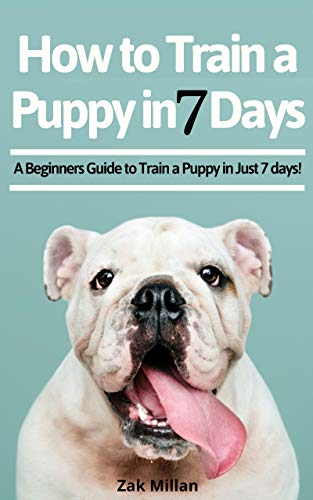
Trainers overwhelmingly favor the first two columns because they build a confident, trusting puppy rather than a fearful one. If you want a structured curriculum to follow at home, A Beginners Guide to Train a Puppy in Just 7 Days lays out a day-by-day plan that covers biting alongside basic obedience, which is handy if you want something more structured than piecing advice together yourself.
If your puppy’s biting shows up most during specific triggers, like bath time or towel drying, the mouthing can spike simply from overstimulation and discomfort with handling. A calmer drying routine, such as using the MANON ROSA Dog Drying Bag, can reduce the squirming and nipping that often happens when a wet, uncomfortable puppy is being toweled off the traditional way.

- Efficient and Time-Saving: With a quick drying time of 8-30 minutes, our dryer bag evenly circulates air, guaranteeing t…
- 360-Degree Drying, No Dead Angles: The 360-degree design of this bag leaves no area untouched. It accommodates your pet’…
- Durable: Compatible with various blow dryers and water machines, this dryer bag is made from high-quality materials for …
When Puppy Biting Needs a Professional Opinion
Most families see real improvement in puppy biting within a few weeks of consistent redirection and bite inhibition training. If you’re not seeing progress, or if the biting matches any of the red flags from the checklist above, it’s time to bring in outside help.
A certified trainer can observe your puppy’s body language in real time and catch subtle patterns you might miss day to day. This is also true if you’re specifically managing a Goldendoodle who seems to be escalating rather than improving; this breakdown of anti-bite kits versus trainers for stopping Goldendoodle biting compares both routes so you can decide what fits your situation. And if you’ve been debating between taste deterrents and toy-based redirection as your main strategy, this comparison of bitter spray versus chew toys for stopping puppy biting breaks down which tends to work faster.
FAQ: Puppy Biting at 4 Months Old
Is it normal for a 4 month old puppy to still be biting this hard?
Yes. Puppy biting commonly peaks between 3 and 6 months old because of teething discomfort combined with an incomplete understanding of bite inhibition training. Most puppies improve significantly by 6 months with consistent redirection, though some Doodle puppies take a little longer given their high play drive.
How long does puppy nipping typically last?
Puppy nipping usually tapers off noticeably between 5 and 7 months old as adult teeth finish coming in and bite inhibition training takes hold. Consistency in those months matters more than any single technique, so sticking with redirection and clear boundaries daily speeds things along.
Should I ever use punishment to stop puppy biting?
Trainers generally advise against punishment-based corrections like scruffing, yelling, or spray bottles. These methods can suppress the behavior temporarily but often increase fear or defensive biting over time. Positive reinforcement paired with structured bite inhibition training produces more reliable, lasting results.
When should I worry that puppy biting is more than just a phase?
Watch for stiff body language, resource guarding, repeated skin-breaking bites, or growling paired with a frozen stare. These signs go beyond typical puppy biting and warrant an evaluation from a certified trainer or veterinary behaviorist rather than waiting it out at home.
Puppy biting at four months feels overwhelming in the moment, but it’s a predictable, workable stage rather than a sign that something is wrong with your dog. Stay consistent with redirection, bite inhibition training, and plenty of outlets for that Doodle energy, and keep a close eye on your puppy’s daily comfort and body language along the way. That steady, safety-first approach is what gets most families through this phase with their hands, and their patience, mostly intact.


