


My Goldendoodle Max landed in the ER with pancreatitis two Novembers ago, and the vet’s first question wasn’t about his food brand. It was about eggs. Specifically, whether I’d been tossing him the yolks from my breakfast. Scrambled eggs for dogs sound like a harmless, protein-packed treat, but if your pup has an inflamed pancreas, that innocent yellow blob could be doing real damage. Here’s what actually matters: the fat in egg yolks can provoke a flare-up, while the whites are a different story entirely.
Quick gut check before we go further. If your dog is mid-flare, vomiting, hunched, refusing food, none of this egg talk applies yet. Call your vet first. For dogs in stable recovery, though, there’s real nuance here worth understanding.
The Pancreatitis-Fat Connection: Why Egg Yolks Can Be Risky
Pancreatitis is inflammation of the pancreas, the organ responsible for churning out digestive enzymes. When it gets irritated, those enzymes can start acting up inside the organ itself instead of waiting to reach the gut. Painful. Dangerous. Sometimes life-threatening.
Fat is the main trigger everyone talks about, and for good reason. A high-fat meal forces the pancreas to work overtime producing lipase to break it down. In a healthy dog, no big deal. In a dog with a sensitized or already-inflamed pancreas, that extra workload can tip things into a full flare.
Here’s where egg yolks become the villain in this story. According to USDA FoodData Central, a single large egg yolk carries close to 5 grams of fat, nearly all of it concentrated in that one small part of the egg. The white? Virtually fat-free. So when people say “eggs are risky for pancreatitis dogs,” they’re really talking about the yolk. Scrambled eggs for dogs made whole, yolk included, land very differently in the gut than a scramble made from whites alone.
I learned this the hard way with Max. I’d been scrambling whole eggs with a splash of milk (another fat bomb, by the way) thinking I was being generous with protein. His vet gently pointed out I was basically handing him a greasy snack disguised as a healthy one.
Egg Whites vs. Whole Eggs: What Vets Actually Recommend
This is the real tug-of-war pet parents face. You want to give your dog something protein-rich and gentle, but whole eggs feel off the table. So what’s the move?
Veterinary nutrition teams, including the Clinical Nutrition Service at Tufts, often point owners toward plain, unseasoned egg whites as a lean protein option during pancreatitis recovery. The logic is simple. You get the protein benefit without the fat burden. Scrambled eggs for dogs can absolutely stay in the rotation, just reworked around the white only.
A few things I’ve picked up through trial and error and multiple vet conversations:

- Cooked whites digest easily and rarely upset a recovering gut, unlike raw whites which carry a biotin-blocking enzyme and salmonella risk.
- Portion matters more than people assume. A tablespoon or two mixed into regular food is plenty for a mid-size Doodle, not a whole egg’s worth of whites.
- Texture surprised me. Whites alone scramble up rubbery and bland. Dogs don’t care. Mine inhaled it.
If you’re building out a broader feeding plan for a dog prone to digestive flare-ups, it’s worth cross-referencing a dog food for sensitive stomach option as the backbone of the diet, with egg whites functioning as an occasional topper rather than a meal replacement.
How to Prepare Scrambled Eggs Safely for a Sensitive Pup
Prep matters just as much as the egg itself. Butter, oil, cheese, salt, these are all things that turn a safe food into a liability for a pancreatitis-prone dog.
My go-to method now: crack the egg, separate the yolk out completely (save it for your own breakfast), and scramble the white in a nonstick pan with nothing added. No oil spray even. A splash of plain water keeps it from sticking if your pan isn’t great.
Let it cool before serving. Chop or mash it slightly so it mixes evenly into the regular meal instead of sitting as a separate pile your dog might inhale too fast. And start small. The first time, I gave Max maybe a teaspoon mixed into his dinner, then watched for 24 hours before offering more.
Any new food, even a low-fat one, should be introduced gradually and in small amounts when a dog has a history of pancreatitis. Sudden changes in diet, regardless of fat content, can sometimes trigger digestive upset on their own.
Timing also matters more than people expect. Don’t introduce scrambled eggs for dogs during the same week you’re switching food brands or adding a new supplement. One variable at a time makes it way easier to spot what’s working and what’s not.
Warning Signs: When to Avoid Eggs Entirely
There’s a version of this article where I just say “eggs are fine in moderation” and leave it there. That would be irresponsible. Pancreatitis isn’t a one-size-fits-all condition, and some dogs need a much stricter approach.
If your dog is showing any signs of an active flare, vomiting, lethargy, abdominal pain, a hunched “praying” posture, refusing food entirely, eggs (yes, even the whites) need to wait. Full stop. The American College of Veterinary Internal Medicine lists dietary fat restriction as a cornerstone of pancreatitis management, and during an acute episode, vets typically recommend a short fasting period followed by a bland, vet-directed reintroduction plan. Not DIY scrambled eggs.
Watch for these red flags specifically:
- Sudden disinterest in food that’s lasted more than a day
- Repeated vomiting, especially right after eating
- A tucked, tense belly that seems painful to the touch
- Diarrhea that’s greasy or unusually pale
Any of these? Skip the eggs, skip the home remedies, and get your vet on the phone. For dogs managing this condition long-term, our piece on pancreatitis and scrambled eggs for dogs digs deeper into flare-up management and reintroduction timelines if you want the fuller picture.

Vet-Approved Alternatives for Protein During Recovery
Eggs aren’t the only lean protein game in town, and honestly, some dogs do better rotating through a few options rather than leaning on one food constantly.
Boiled, skinless chicken breast is the classic go-to. Shredded fine, no seasoning, it’s about as gentle on a recovering gut as protein gets. Plain white fish like cod works too, and some dogs genuinely prefer the texture.
For Doodle owners managing weight alongside pancreatitis recovery (not uncommon, since overweight dogs face higher pancreatitis risk), lean treat options matter. I started looking into Earthborn Holistic EarthBars Minis with Turkey Protein as a training treat swap for Max once he was cleared off the strict recovery diet. The size is genuinely mini, which I appreciated since a lot of “small” treats are still oddly chunky. Texture-wise they’re soft enough to break into pea-sized pieces without crumbling into dust all over my kitchen floor. My pet peeve: the turkey smell is noticeable right out of the bag, strong enough that I keep the container sealed tight or it lingers. Max, predictably, loved that part.
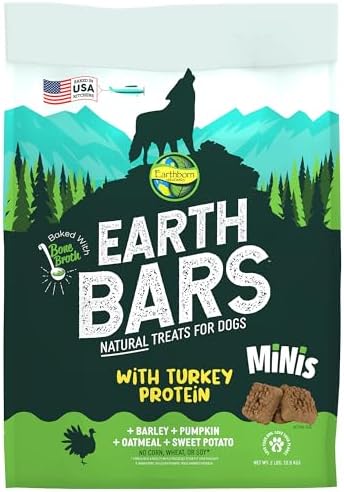
- High-quality turkey protein plus turkey bone broth provides minerals and compounds to support gut, joint and skin health…
- Ancient grains like barley and oatmeal promote heart health.
- Packed with superfoods like pumpkin, sweet potato and butternut squash to support happy tummies.
Once a vet gives the green light for rebuilding muscle after a long recovery stretch (pancreatitis dogs often lose condition fast), some owners look at muscle-support supplements. I tried Bully Max Muscle Builder Power Tabs with a friend’s Labradoodle who’d dropped noticeable weight during a rough flare-up month. The tabs are chalky, not a chew, so it’s less “treat” and more “pill you need to disguise.” We crushed them into wet food. Worked fine, though dogs with a strong sniff-test habit may hesitate the first couple tries.

- Comprehensive Daily Support for Dogs – This bundle combines Bully Max Power Tabs and Bully Max Weight Gainer Liquid to h…
- High-Calorie Nutrient Boost for Optimal Feeding – Bully Max Weight Gainer Liquid delivers 150 calories per ounce, source…
- Convenient Multivitamin and Muscle Support – Bully Max Power Tabs supply a blend of essential vitamins, minerals, and ke…
And if you’re the type who wants to understand the broader high-protein, low-fat feeding philosophy behind recovery diets (not just for pancreatitis, but general lean muscle maintenance in working or active Doodles), the Carnivore Diet Success Guide was a surprisingly useful read for translating human nutrition logic into something adaptable for canine meal planning. It’s written for people, not dogs, so you’ll need to filter the advice through your vet’s recommendations, but the fat-versus-protein breakdowns helped me understand why Max’s old diet was so yolk-heavy in the first place.
Smaller Doodle mixes managing both pancreatitis and a sensitive gut sometimes do better on a feeding plan built specifically around their size. If that’s your situation, our guide on small breed dog food for sensitive stomachs walks through portioning and ingredient red flags worth avoiding.
Comparing Protein Options for Pancreatitis Recovery
Here’s a quick side-by-side of how these options stack up when you’re trying to balance protein needs against fat restriction. Scrambled eggs for dogs made from whites only sit at the lean end of the spectrum, while whole eggs and some supplements land further toward richer, higher-effort territory.
| Product/Food | Fat Level | Best Use Case | Price Tier |
|---|---|---|---|
| Egg Whites (plain, cooked) | Very Low | Daily protein topper during recovery | $ |
| Whole Scrambled Egg | Moderate-High (yolk) | Only once fully recovered, vet-approved | $ |
| Earthborn Holistic EarthBars Minis | Low-Moderate | Lean training treats, portion-controlled | $$ |
| Bully Max Muscle Builder Tabs | N/A (supplement) | Post-recovery muscle rebuilding (vet-cleared) | $$$ |
| Boiled Chicken Breast | Very Low | Primary lean protein during flare recovery | $ |
None of these replace a conversation with your vet, but having a visual sense of where each option falls on the fat spectrum makes meal planning noticeably less stressful.
Key Takeaways
- Egg yolks carry nearly all the fat in an egg, making whole scrambled eggs risky during pancreatitis recovery
- Plain, cooked egg whites offer lean protein without the fat load vets worry about
- Preparation matters just as much as the ingredient. No butter, oil, salt, or dairy, ever
- Active flare symptoms mean pausing all new foods, including egg whites, until your vet clears it
- Boiled chicken and prescription GI diets remain the gold standard during strict recovery phases
For broader background on pancreatitis in dogs and how veterinary researchers classify severity levels, the ASPCA offers a solid, non-commercial overview worth bookmarking.
Frequently Asked Questions
My dog ate a whole scrambled egg by accident. Should I panic?
One accidental yolk usually isn’t an emergency for most dogs, but if your pup has an active pancreatitis history, watch closely for the next 24 to 48 hours. Lethargy, vomiting, or refusing food means a call to your vet, not a wait-and-see approach. Skip adding anything else fatty to meals for a few days as a precaution.
How many egg whites can a dog with pancreatitis safely eat per week?
There’s no universal number since it depends on your dog’s size and recovery stage, but most vets are comfortable with small amounts, think a tablespoon or two, a few times a week once a dog is stable. Treat it as a topper, not a daily staple, and always run new additions by your vet first.
Can I use scrambled egg whites to hide medication for a dog with a sensitive stomach?
Yes, this actually works well since the bland texture masks pills better than most treats do. Just make sure the egg white itself is the only addition, no cheese or peanut butter mixed in, since those fattier binders defeat the purpose entirely.
My Doodle’s pancreatitis seems resolved. When can eggs go back to normal?
Reintroducing whole eggs should happen gradually and only after your vet confirms bloodwork and symptoms have stabilized long-term, not just a few symptom-free days. Start with a small portion of yolk mixed into a larger white-based scramble, then watch for a week before going back to full eggs.


